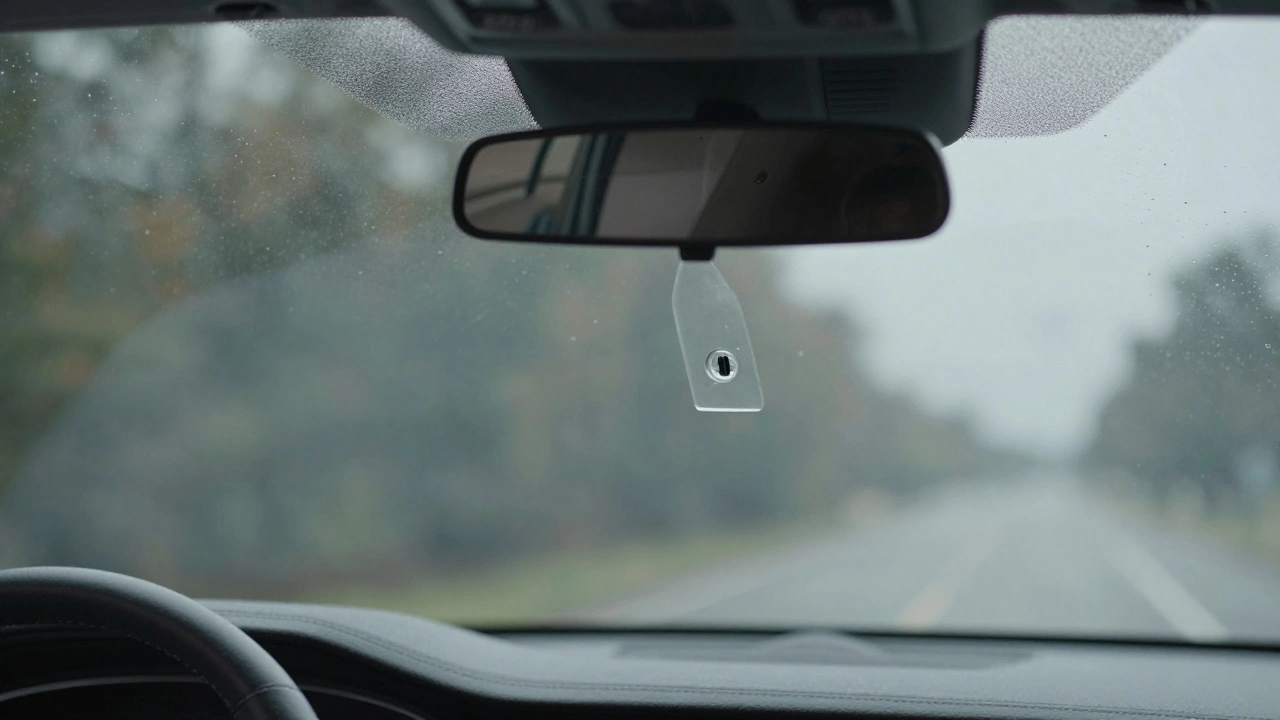
You just got a brand new windshield, the glass looks crystal clear, and you're ready to hit the road. But then you notice something annoying: your automatic wipers aren't working. Either they're wiping the glass when it's bone dry, or they're completely ignoring a downpour. This is a common headache after glass work. The problem isn't usually the sensor itself, but the fact that the system needs to be told where it is in relation to the new glass.
Getting your rain sensor calibration right is about more than just convenience. In many modern cars, the rain sensor is part of a larger network of Advanced Driver Assistance Systems (ADAS). If the sensor is off by even a fraction of a millimeter, it can send wrong data to the car's computer. Whether you're dealing with a luxury sedan or a rugged truck, understanding how to reset this system will save you from a frustrating trip back to the glass shop.
| Method | How it Works | When to Use It |
|---|---|---|
| Automatic Re-learning | The car adjusts itself over several ignition cycles. | Newer vehicles with "smart" sensors. |
| Manual Reset | Specific sequences of wiper stalk movements. | When automatic learning fails or is unavailable. |
| Static Calibration | Technicians use target boards and lasers. | Required for complex ADAS/Camera systems. |
| Dynamic Calibration | Sensor calibrates while driving at specific speeds. | Requested by manufacturer for high-end safety suites. |
Why Your Wipers Act Up After New Glass
To understand the fix, you have to understand the tech. A Rain Sensor is an optical device mounted behind the rearview mirror that uses an infrared light to detect moisture on the windshield. It relies on a clear gel pad to maintain a perfect seal against the glass. If there is a single air bubble in that gel or a smudge of fingerprint oil, the sensor "sees" a distortion and thinks it's raining.
When a technician replaces a windshield, they move the sensor. Even if they put it back in the exact same spot, the new glass has slightly different optical properties. This shift in the field of view can trick the sensor. This is why calibration is mandatory; it essentially "zeros" the sensor so it knows what a dry windshield looks like versus a wet one.
The First Step: The Physical Inspection
Before you start pushing buttons or cycling the ignition, look at the sensor. Look through the windshield from the outside and find the sensor area. Do you see any air bubbles in the clear gel pad? If the gel isn't flush against the glass, the sensor will never calibrate correctly. An air bubble acts like a lens, refracting light in a way that mimics rain.
Ensure the glass is spotless. Use a high-quality glass cleaner to remove any residue from the installation process. Any film left behind by the adhesive or cleaning agents can cause the wipers to trigger randomly. If you see a large bubble, don't try to fix it yourself-take it back to the installer to have the sensor reseated.
Trying the Manual Reset Procedures
If your car doesn't automatically fix itself after a few drives, you can try a manual reset. While every manufacturer is different, there are a few common patterns that work for many brands. If you have a vehicle like a BMW, be aware that you might need a specialized tool like BavTech diagnostic software, but for most cars, the following steps are a great starting point:
- The Cycle Method: Turn the ignition on (don't start the engine). Cycle the wiper stalk through every single position: Off, Intermittent, Low, and High. Once you've hit them all, move the stalk back to the "Auto" position and restart the car.
- The Hard Reset: Turn the car completely off and open the driver's door to kill any residual power to the modules. Let it sit for 10 to 30 minutes. This clears the temporary memory in the control module. Restart the car with the wipers already set to "Auto."
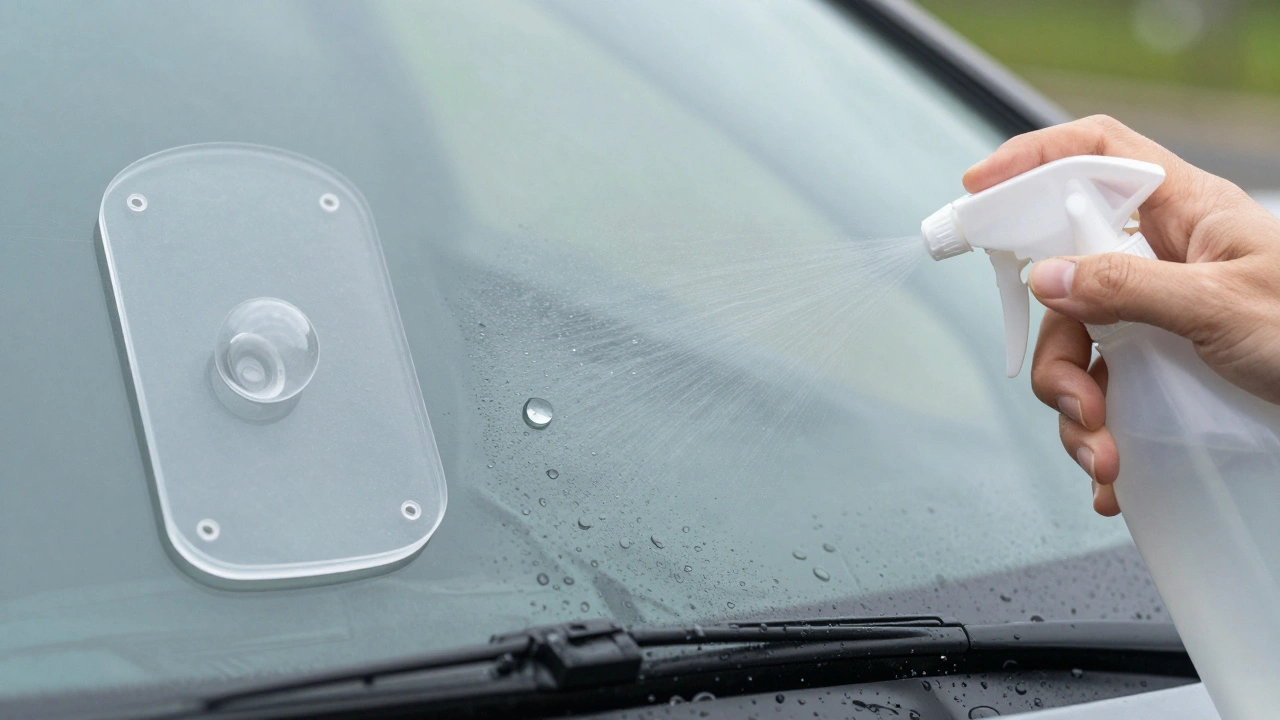
- The Simulation Test: After a reset, don't wait for a storm. Use a spray bottle to gently mist the area of the windshield directly above the sensor. The wipers should activate and wipe once or twice to confirm the system is responding to actual moisture.
Dealing with Complex ADAS Calibration
Modern cars often bundle the rain sensor with the Advanced Driver Assistance Systems (ADAS), which includes things like lane-keep assist and adaptive cruise control. In these cases, the rain sensor is just one part of a larger camera system. If you see a warning light on your dashboard regarding "Lane Departure Warning" or "Front Camera Blocked," a simple wiper reset won't be enough.
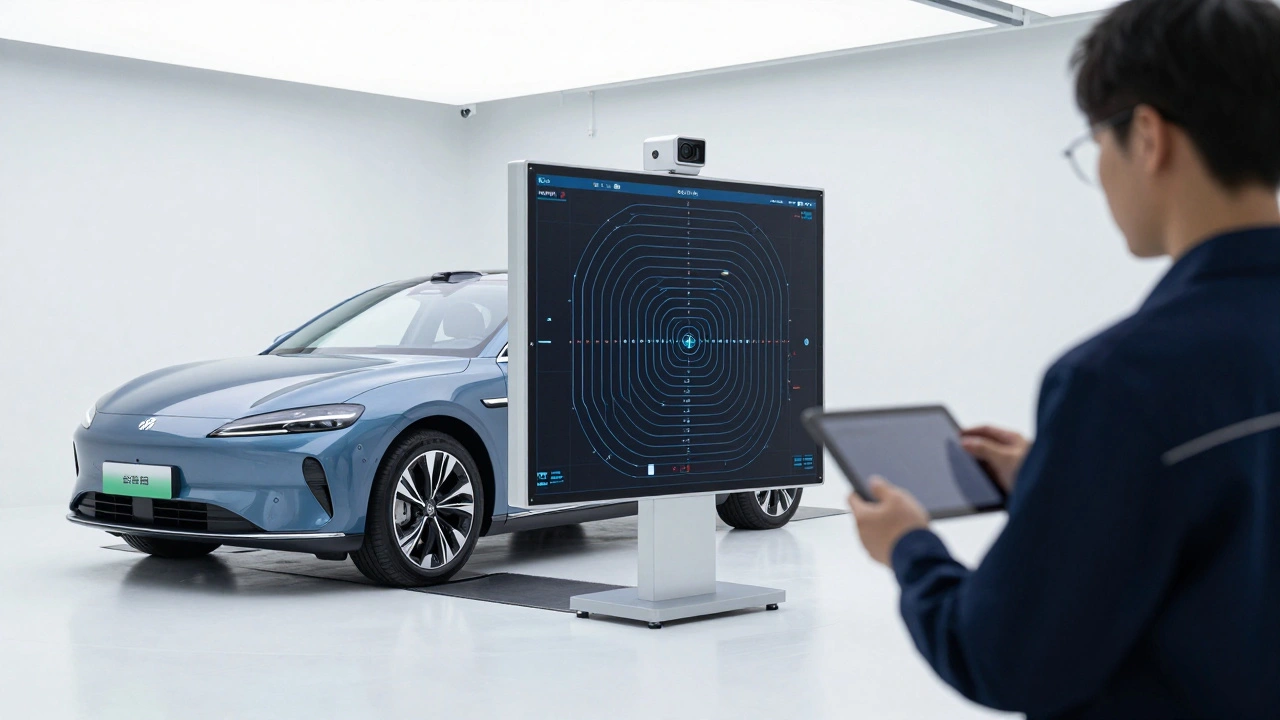
You'll need professional static calibration. This is where a technician puts your car in a controlled environment and uses large target images to align the camera and sensor to the vehicle's chassis. If this is skipped, your car might steer slightly to one side during lane assist or fail to brake in an emergency. This is why shops like Safelite often perform a secondary calibration after the glass is set.
Troubleshooting Common Failures
It is surprisingly common for the first calibration attempt to fail. You might find that the wipers work for ten minutes and then start acting erratic again. If this happens, don't panic. Try the manual reset sequence a second time. Sometimes the module needs a second "handshake" with the sensor to lock in the settings.
If the problem persists, check for these red flags:
- Wrong Gel Pad: If the installer used a generic gel pad instead of an OEM (Original Equipment Manufacturer) part, the thickness might be slightly off, causing constant false triggers.
- Poor Contact: The sensor might be physically tilted. Even a tiny angle of deviation can cause the infrared light to bounce off the glass incorrectly.
- Electrical Faults: Rare, but possible. If the sensor was unplugged and plugged back in, a pin could be bent or a connection could be loose.
How long does it take for rain sensors to auto-calibrate?
Most modern vehicles that feature automatic re-learning will calibrate over the course of a few ignition cycles. In some cases, it takes a few actual rain events while the wiper stalk is in the "Auto" position for the computer to map the new glass properties.
Can I calibrate the rain sensor myself?
Yes, for basic rain-sensing wipers, you can use manual reset sequences or the ignition-cycling method. However, if your car has a camera-based ADAS system (like lane departure or collision warning), you must go to a professional for static calibration using specialized target boards.
Why are my wipers wiping when it's not raining?
This is usually caused by air bubbles in the sensor gel pad, dirt or smudges on the glass, or a sensor that wasn't properly calibrated after a windshield replacement. The sensor is misinterpreting a distortion on the glass as water droplets.
Does a new windshield always need sensor calibration?
Technically, yes. Because the sensor's field of view is tied to the glass, any change in the glass (even a different brand of OEM glass) can slightly alter how the sensor perceives moisture. While some cars handle this automatically, many require a manual or professional reset.
What should I do if the manual reset doesn't work?
First, double-check for air bubbles in the gel pad. If the glass is clean and the pad is flush, try the reset one more time. If it still fails, you likely need a professional diagnostic tool to clear fault codes and force a reinitialization of the sensor module.
Next Steps for Different Drivers
If you have a budget-friendly car: Focus on the manual reset and the spray-bottle test. Most of your issues will be related to the gel pad or a simple software glitch that a hard reset can fix.
If you drive a high-tech EV or Luxury Brand: Don't spend hours cycling the ignition. These cars often have strict requirements for ADAS alignment. If the auto-wipe isn't perfect after two days, head to the dealership or a certified glass center for a static calibration.
If you're a DIYer: Always check the owner's manual. Look for a section specifically on "Wiper Reset" or "Rain Sensor Initialization." Manufacturers often hide the specific sequence of button presses there, and following the exact timing can save you a trip to the shop.