Buying a used car can feel like a gamble, but few risks are as hidden or costly as flood damage. Unlike a dent or a scratch, water intrusion doesn't always show up on the surface. It hides in the wiring harnesses, under the carpet, and inside the airbags, waiting to cause electrical failures years after you drive away. In regions prone to heavy rains or flash floods, the market for repaired flood cars is growing, making it critical for buyers to know exactly what to look for before signing the title.
This guide breaks down how to identify water intrusion in vehicles, from obvious visual cues to subtle electronic glitches. Whether you are inspecting a car in your driveway or at a dealership, these steps will help you avoid a money pit that could cost thousands in repairs-or worse, compromise your safety.
Why Flood Damage Is Different From Other Wear
Most mechanical issues degrade gradually. An engine wears out; brakes fade. Flood damage, however, is often sudden and pervasive. When a car sits in water, the liquid rises through the lowest points of the chassis, soaking the carpets, insulation, and metal components. The immediate threat isn't just rust; it's corrosion on electrical contacts. Copper wires oxidize, connectors loosen, and moisture creates short circuits that can trigger random dashboard warnings or even fire hazards later on.
The financial impact is significant. According to data from the National Insurance Crime Bureau (NICB), flood-damaged vehicles sold without disclosure can lose up to 40% of their value if the issue is discovered post-purchase. More importantly, many states require a "salvage" or "rebuilt" title for major flood damage, which complicates insurance coverage and resale. Knowing the difference between minor water exposure and full submersion is the first step in protecting your investment.
Visual Red Flags: What Your Eyes Will Catch First
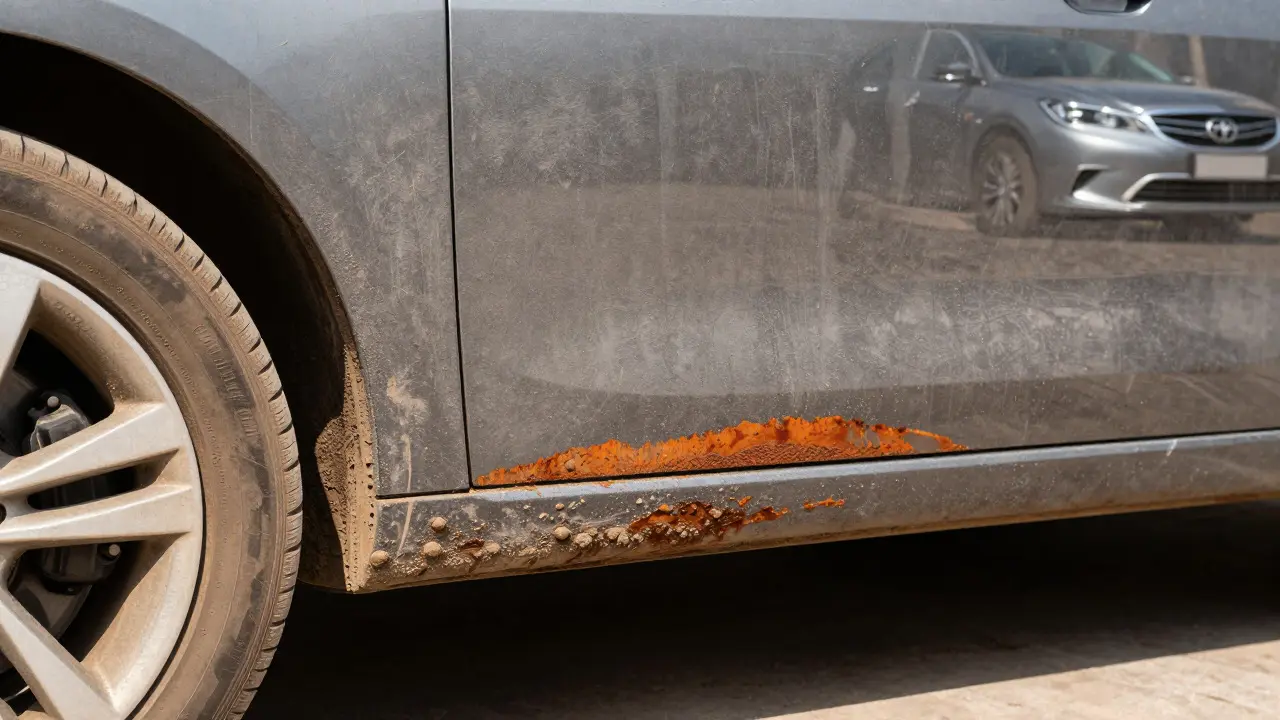
Start with the exterior. Look for silt or mud lines on the lower body panels, door jambs, and wheel wells. If you see a distinct horizontal line of dirt or rust residue on the metal, that’s a strong indicator of how high the water went. Check the spare tire well in the trunk; if the spare tire has rust spots or a layer of dust that looks wet, water likely entered the cabin area.
- Mud lines: Horizontal streaks of grime on doors, fenders, or rocker panels.
- Rust patterns: Unusual rust on the underside of the hood, firewall, or seat rails.
- Spare tire condition: Rust or debris on the spare tire or its mounting bracket.
- Foggy headlights: Condensation inside sealed headlight units suggests water ingress.
Open every door and check the seals. If the rubber weatherstripping feels brittle or smells musty, it may have been replaced due to water damage. Also, inspect the floor mats. Lift them up and press firmly into the carpet. If the carpet feels spongy, damp, or has a visible seam where it was glued back together, water has definitely soaked through.
Olfactory Clues: Trust Your Nose
Your sense of smell is one of the most reliable tools for detecting water intrusion. Fresh flood water has a distinct earthy, swampy odor. Even after cleaning, this smell can linger in the fabric fibers and insulation. Dealerships often try to mask this with heavy air fresheners or ozone treatments. If a car smells overwhelmingly of pine, lavender, or vanilla, ask why. A neutral or slightly metallic scent is normal; a cloying fragrance might be hiding a problem.
Pay attention to specific areas:
- The cabin interior: Sit in the driver's seat and close your eyes. Breathe in deeply. Do you smell mildew?
- The trunk: Open the trunk and sniff near the spare tire and the trunk liner.
- The vents: Turn on the AC and heat. Does a musty smell blow out when you change modes? This indicates mold growth in the evaporator core or ductwork.
Electronic Systems: The Silent Killers
Modern cars are essentially computers on wheels. Water disrupts the delicate balance of sensors and modules. During your test drive, watch the dashboard closely. Any warning light that turns on and off randomly is a red flag. Common culprits include:
- Airbag light: Often triggered by moisture in the clock spring or seat sensors.
- Traction control/ABS lights: Caused by corroded wheel speed sensors.
- Check Engine Light: Can result from water in the MAF sensor or O2 sensors.
Test every electronic feature. Roll the windows up and down, adjust the mirrors, operate the power seats, and cycle through the infotainment system. If any function requires multiple tries to work, or if there's a delay in response, the wiring may be compromised. Also, check the battery terminals. Green or white crusty buildup on the posts can indicate electrolyte leakage or corrosion from water exposure.
Under the Hood and Chassis: Where Corrosion Hides
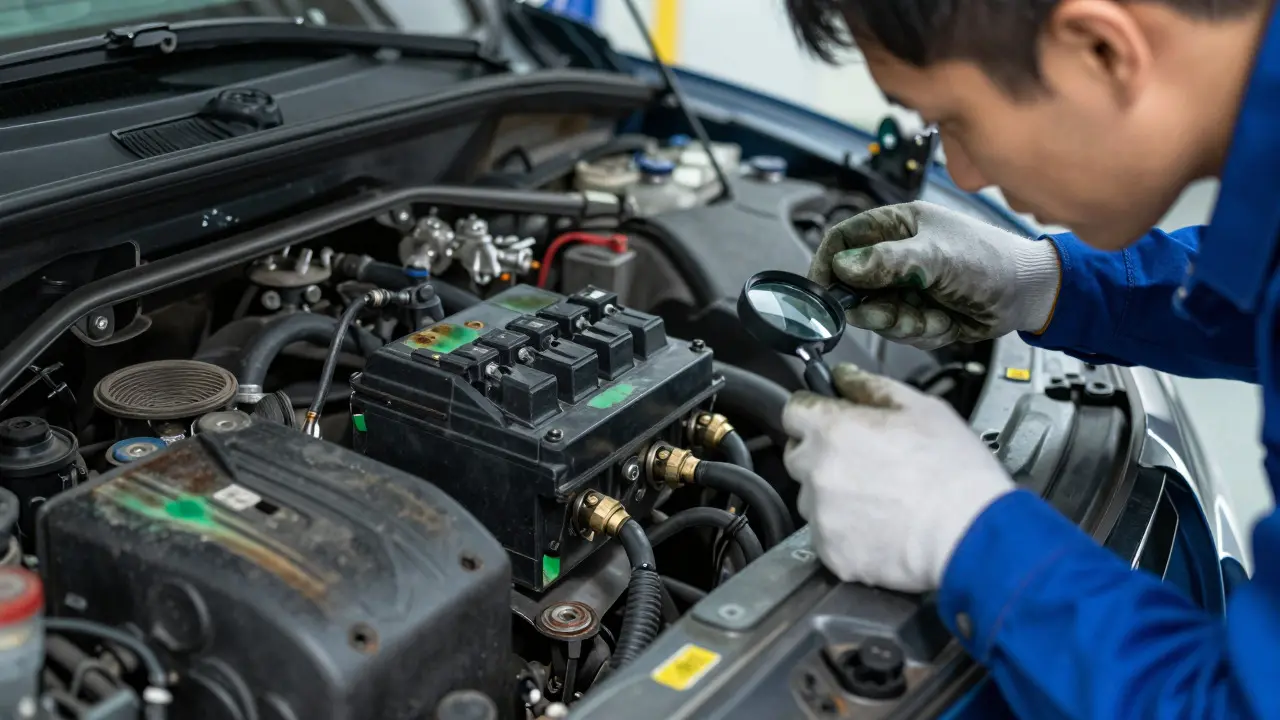
Pop the hood and inspect the fuse box. Remove the cover and look for green or blue oxidation on the fuse clips and relay sockets. This is a classic sign of water exposure. Check the engine bay for rust on the firewall-the vertical panel separating the engine from the cabin. If the firewall shows rust streaks running downward, water likely splashed over it during flooding.
If possible, get the car lifted or use a flashlight to look under the vehicle. Inspect the exhaust tips, brake lines, and suspension components. Rust on the brake lines is particularly concerning because it can lead to brake failure. Look for mismatched paint or fresh primer on the undercarriage, which might suggest recent repair work to hide rust.
Documentation and History Checks
Physical inspection is only half the battle. You need to verify the car's history. Request a Vehicle Identification Number (VIN) report from services like Carfax or AutoCheck. These reports often list title brands, such as "Flood," "Salvage," or "Rebuilt." If the seller claims the car is clean but the report shows a flood brand, walk away unless the price reflects the risk significantly.
Ask the seller direct questions:
- Has the car ever been submerged in water?
- Were any parts replaced after a flood event?
- Does the car have a rebuilt title?
Be skeptical of vague answers. A trustworthy seller will provide receipts for repairs or explain the circumstances clearly. If they seem evasive, trust your instincts.
When to Hire a Professional Inspector
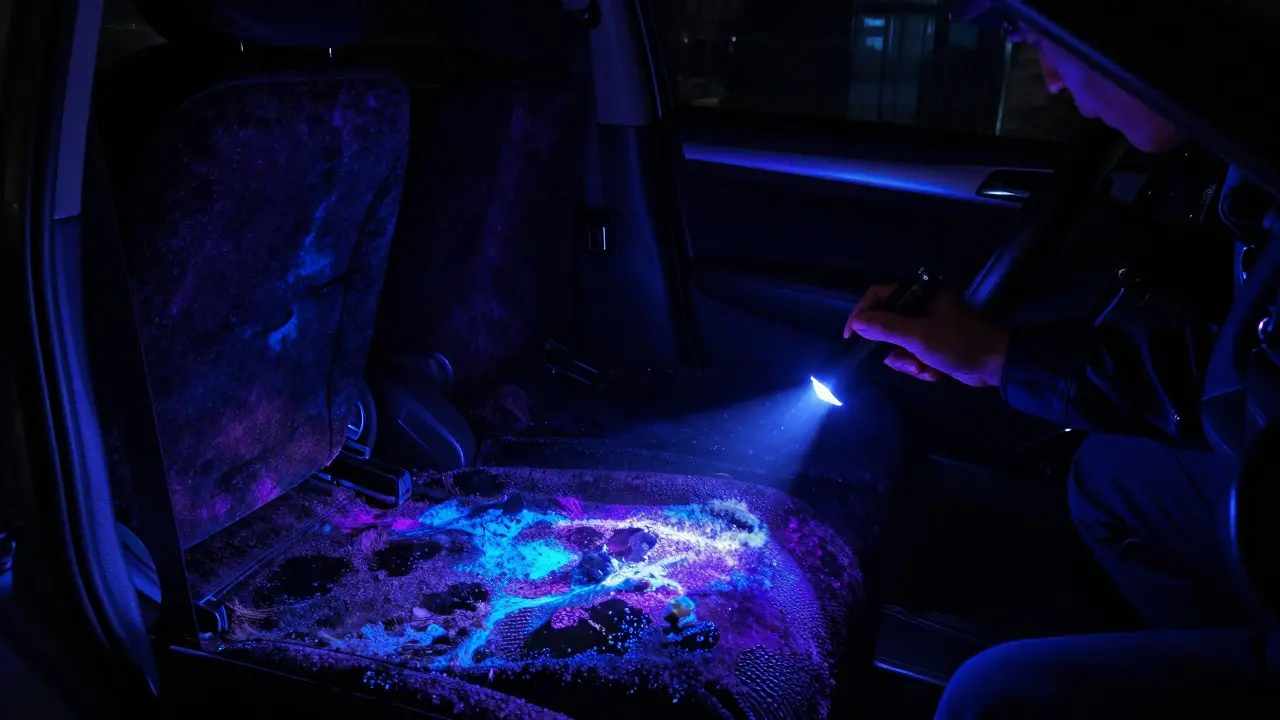
If you're unsure about the car's condition, hiring a pre-purchase inspection (PPI) specialist is worth the $150-$300 fee. A professional mechanic can use an ultraviolet (UV) light to reveal water stains on carpets and upholstery that aren't visible to the naked eye. They can also scan the car's computer systems for stored fault codes that may have been cleared by the previous owner. UV lights are particularly effective at showing the extent of water intrusion, as treated fabrics fluoresce differently than dry ones.
Negotiating Based on Findings
If you find signs of water intrusion, don't necessarily walk away immediately-unless the damage is severe. Use your findings to negotiate a lower price. Minor water exposure that has been properly dried and cleaned may only warrant a small discount. However, if you detect electrical issues or extensive rust, the car may be a liability. Remember, fixing a single corroded connector can cost $100-$200, while replacing a damaged module can run into the thousands. Factor these potential costs into your offer.
Frequently Asked Questions
Can a flood-damaged car be safe to drive?
Yes, but only if thoroughly repaired and inspected. Proper drying, replacement of contaminated fluids, and cleaning of electrical systems can make a flood car safe. However, unaddressed corrosion can lead to sudden failures, so a professional inspection is crucial.
What is the best tool to detect hidden water stains in a car?
An ultraviolet (UV) black light is the most effective tool for revealing water stains in carpets, upholstery, and plastics. Treated fabrics often glow under UV light, making previously invisible water marks apparent.
Does a rebuilt title affect insurance coverage?
Yes, many insurers charge higher premiums for rebuilt-title vehicles or limit coverage to actual cash value rather than replacement cost. Some companies may even decline comprehensive coverage entirely, so it's important to compare quotes before purchasing.
How long does flood damage take to appear in a car?
Electrical issues can appear within days or weeks, while rust and corrosion may take months or years to manifest. Mold growth in the interior can start within 24-48 hours if the car isn't dried properly.
Should I avoid buying any car with a flood history?
Not necessarily. Many flood cars are restored to excellent condition. The key is verifying the quality of the repair. If the car has a transparent service history, passed a professional inspection, and is priced appropriately, it can be a good deal.