Buying a used car is one of the biggest financial decisions you’ll make this year. Yet, the most expensive mistake isn’t buying the wrong model-it’s buying a car with hidden car damage that the seller forgot to mention (or didn’t know about). A fresh coat of paint can hide a bent frame. A reset odometer can mask high mileage. And a "clean" title might still carry the ghost of a major collision.
You don’t need to be a mechanic to spot these red flags. You just need the right tools and a systematic approach. This guide walks you through how to uncover what lies beneath the surface, ensuring you pay for the car you see, not the one you’re stuck with.
The Quick Checklist: What to Do First
Before you even touch the car, do your homework. These three steps take less than an hour but can save you thousands in repair costs or help you walk away from a lemon entirely.
- Run a Vehicle History Report: Use services like Carfax or AutoCheck. Look for flood damage, salvage titles, and multiple ownership changes in a short period.
- Check the VIN: Verify the Vehicle Identification Number on the dashboard matches the door jamb sticker and the title. Mismatches are a huge warning sign.
- Inspect the Tires: Uneven wear patterns often indicate alignment issues caused by past collisions or suspension damage that wasn’t fixed properly.
Spotting Bodywork and Paint Issues
Sellers know that dings and scratches kill deals. So they fix them. But bad repairs leave traces. Here’s how to find them without lifting the hood.
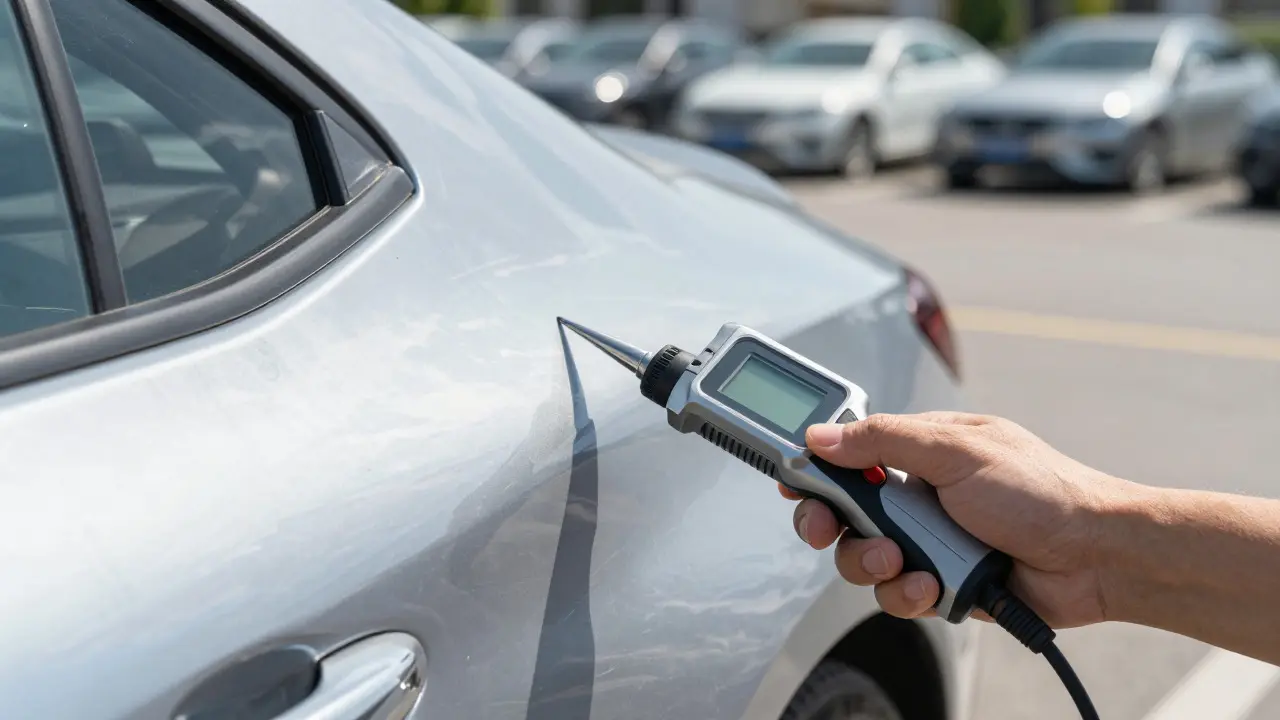
Paint Depth Gauge is a handheld device that measures the thickness of paint layers on a vehicle's body panels. Factory paint is typically 4-6 mils thick. If you measure 10+ mils on a door or fender, it’s been repainted. Why does this matter? Repainting usually happens after a collision. If the gauge reads high on one side but low on the other, the panel was likely replaced or heavily sanded and filled.
Don’t have a gauge? Use sunlight. Park the car in direct sun and look at the reflections. Waves or ripples in the reflection mean the metal underneath is uneven. Also, check the gaps between panels. The gap between the hood and fender should be consistent on both sides. If one side is wider, the frame may have shifted during an impact.
Under the Hood: Engine and Fluid Clues
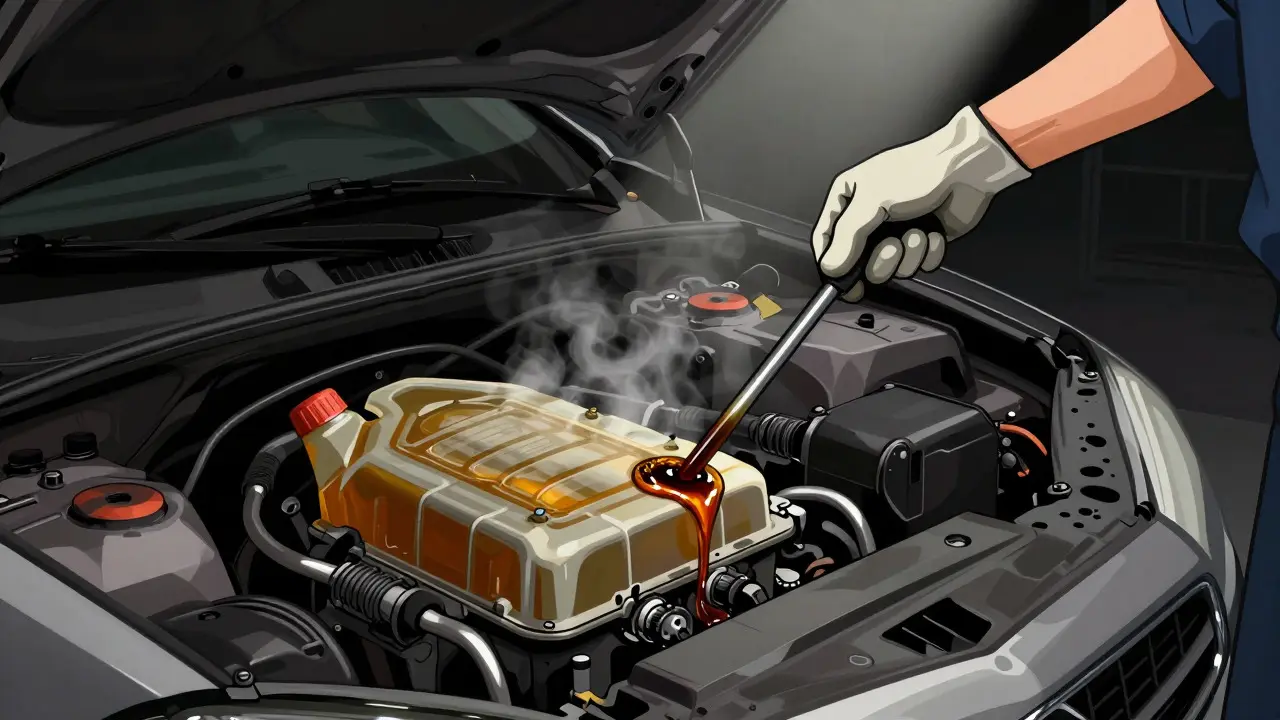
Open the hood and start with the fluids. Pull the oil dipstick. Healthy oil is amber or light brown. If it’s black and gritty, the engine has seen hard use. If it looks like chocolate milk, there’s water contamination-a sign of head gasket failure or overheating.
Next, inspect the radiator cap. Remove it (when the engine is cold) and look inside. Greenish sludge means coolant leaks. White residue around the cap threads indicates pressure buildup, another overheating symptom.
Look under the car while the engine is running. Check for fresh leaks. Oil spots under the valve cover suggest a worn gasket. Transmission fluid should be red or pink. If it smells burnt, the transmission is dying. Burnt smell + dark fluid = immediate walk-away signal.
Electrical Systems and Diagnostic Scanners
Modern cars are computers on wheels. A simple OBD-II Scanner is a plug-in device that connects to the vehicle's diagnostic port to read stored error codes from the engine control unit. costs $30-$50. Plug it into the port under the dashboard (usually near the driver’s knee) and scan for codes.
Even if the Check Engine Light is off, codes can remain stored. Common hidden issues include misfires, oxygen sensor failures, and catalytic converter problems. A P0300 code (random cylinder misfire) could mean a bad spark plug or a more serious internal engine issue. Don’t ignore these-they’re cheap to diagnose now, expensive to fix later.
Also test every electronic feature. Windows, locks, power seats, infotainment system, backup camera, and all lights. Dead electronics can cost hundreds to replace, especially if the wiring harness was damaged in a previous accident.
The Test Drive: Listen and Feel
A static inspection tells you half the story. The other half comes from driving. Take the car on a varied route: city streets, highway, and rough pavement.
- Braking: Does the car pull to one side? That suggests warped rotors or stuck calipers-often signs of uneven heat distribution from past abuse.
- Steering: Is the wheel centered? If it’s crooked, the alignment is off, possibly due to frame damage.
- Noises: Clicking when turning points to CV axle issues. Squealing brakes mean pads are worn. Rattles from the exhaust could mean a cracked manifold or broken hanger.
- Vibration: Shaking at high speeds indicates unbalanced tires or worse-wheel bearing failure.
If the car feels "off" in any way, trust your gut. Mechanics can explain noises, but some vibrations are impossible to fake.
When to Get a Professional Inspection
You’ve done your best. Now, before signing anything, spend $100-$200 on a professional pre-purchase inspection (PPI). This is non-negotiable for cars over 5 years old or with unknown history.
A certified mechanic will lift the car on a hoist to check the frame for bends, inspect the undercarriage for rust or welds, and verify that all components match the factory specifications. They’ll also check tire tread depth, brake pad life, and battery health. This report gives you leverage to negotiate the price down-or walk away with confidence.
| Component | Red Flag (Walk Away) | Green Light (Proceed) |
|---|---|---|
| Paint Thickness | Over 10 mils on one panel only | Consistent 4-6 mils across all panels |
| Engine Oil | Milky white or gritty black | Clean amber color, no debris |
| OBD-II Codes | P0300, P0420, or multiple random codes | No codes or minor pending codes |
| Tire Wear | Uneven wear across all four tires | Even wear, balanced rotation pattern |
| Frame Gaps | Inconsistent gaps between doors/fenders | Uniform gaps on both sides |
Frequently Asked Questions
Is a pre-purchase inspection worth the money?
Yes. A $150 inspection can save you from a $3,000 repair bill. It’s the cheapest insurance policy you can buy before finalizing a used car purchase. For any vehicle over 5 years old, it’s essential.
Can a car with a clean title still have hidden damage?
Absolutely. Clean titles only mean the car wasn’t declared a total loss by an insurer. Minor accidents, flood exposure, or mechanical neglect won’t change the title status. Always combine title checks with physical inspections.
What is the best tool for detecting repainted panels?
A paint depth gauge is the most accurate tool. It measures the distance from the probe tip to the metal substrate. Factory paint is thin; aftermarket paint is thicker. Digital gauges provide instant readings and are affordable for DIY buyers.
Should I buy a car with a check engine light on?
Only if you can verify the cause and get a discount. A single minor code (like a loose gas cap) is manageable. Multiple codes or a flashing light indicate serious engine issues. Never buy a car with a flashing check engine light.
How do I check if a car was in a flood?
Look for mud or silt in crevices, rust on unpainted metal parts, and foggy headlights. Lift the carpet and check for wet insulation. Musty odors are a strong indicator. Flood-damaged cars often have electrical gremlins that appear months after purchase.