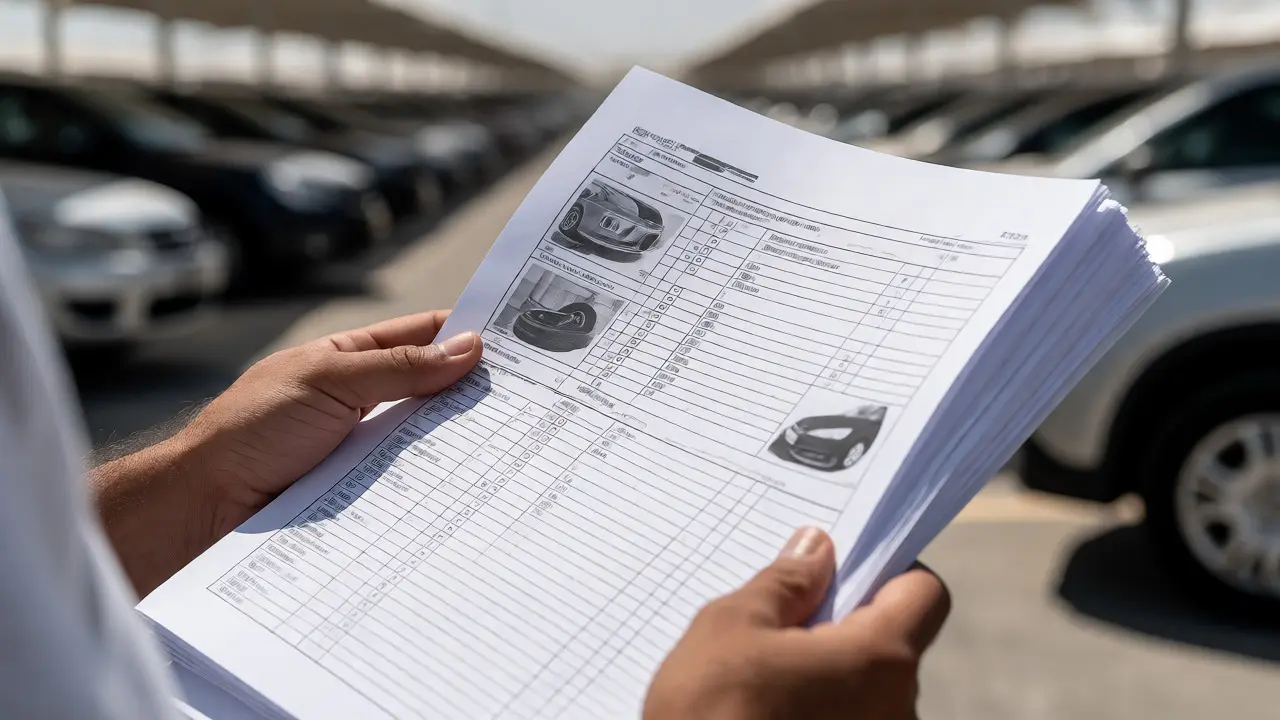
You just walked out of an auction or a dealership with a RTA condition report in hand. It’s a dense document filled with codes, checkboxes, and photos that look like they were taken by someone with shaky hands and no patience. You’re staring at it, wondering if this car is a steal or a money pit. Here’s the truth: most people skim these reports and miss the red flags that cost them thousands later. But you don’t have to be one of those people.
Understanding how to read an RTA condition report isn’t about memorizing every technical term. It’s about knowing where to look, what matters, and when to walk away. Whether you’re buying your first used car or managing a fleet of ten, this guide breaks down the key sections so you can make smart decisions fast.
The Quick Summary: What You Need to Know Now
- Check the Grade First: The overall grade (A-F) tells you the general state of the car, but never trust it alone. Always dig into the specific defects listed.
- Photos Are Your Best Friend: Look closely at images of tires, undercarriage, and interior wear. They often reveal issues text descriptions miss.
- Mileage Verification Matters: Ensure the reported mileage matches the odometer reading in the photos. Discrepancies suggest tampering.
- Structural Damage Is Non-Negotiable: Any mention of frame damage, airbag deployment, or flood history usually means pass unless you’re a mechanic.
- Use the Report as a Negotiation Tool: Every defect noted is leverage for lowering the price. Don’t ignore minor scratches-they add up.
Why RTA Reports Exist (And Why You Should Care)
Before we dive into the sections, let’s talk about why these reports exist. RTA stands for Road Traffic Authority, though in many private market contexts, it refers to standardized inspection bodies that assess vehicle condition. These organizations follow strict guidelines to ensure consistency. Think of them as neutral third parties who tell you the bad stuff before you buy.
Without an RTA report, you’re relying on the seller’s word. And sellers? They’re biased. An RTA report removes emotion from the equation. It provides a snapshot of the vehicle’s condition at a specific point in time. This is crucial because cars change-new dents appear, fluids leak, batteries die. A report dated last week might not reflect today’s reality, so always check the date stamp.
Section 1: The Vehicle Identification Number (VIN) Check
Start here. Always. The VIN is the unique 17-character code that identifies your specific vehicle. In the RTA report, this section confirms that the car being inspected is actually the car you’re looking at.
Here’s what to do: match the VIN on the report with the VIN on the dashboard (visible through the windshield) and the driver’s side door jamb. If they don’t match, run. That’s a major red flag for title washing or stolen vehicles. Also, use a free service like NICB’s VIN Check to ensure the car hasn’t been reported stolen or salvaged recently. The RTA report won’t always catch historical theft records, so double-checking is smart.
Section 2: Exterior Condition - Beyond the Shine
This section lists body panels, paint quality, glass, and lights. It’s easy to get distracted by shiny rims or a new bumper. Ignore those. Focus on structural integrity and safety features.
| Defect Type | Severity Level | Action Required |
|---|---|---|
| Minor Scratches/Dents | Low | Negotiate price; cosmetic fix |
| Cracked Windshield | Medium | Factor in replacement cost ($200-$500) |
| Rust on Frame/Rails | High | Walk away unless expert repair confirmed |
| Inconsistent Paint Color | Medium | Indicates prior accident; check alignment |
Pay special attention to the "Alignment" notes. If the report says "misaligned doors" or "uneven gaps," it suggests previous collision damage that wasn’t repaired properly. This can affect handling and resale value. Also, check the tire tread depth. Most RTA inspectors measure this. Anything below 4/32nds of an inch needs replacing soon. Factor $400-$800 into your budget if you see worn tires.
Section 3: Interior and Electronics - The Hidden Costs
The interior section covers seats, dashboard, HVAC, infotainment, and safety systems like airbags. This is where hidden problems lurk. A clean-looking seat might hide broken seatbelt retractors. A working radio doesn’t mean the AC blows cold.
Look for mentions of "airbag status." If any airbags are marked as deployed or missing, that’s a huge issue. Replacing airbags costs between $1,000 and $3,000 per set, depending on the model. Also, check for "water intrusion" notes. Even small amounts of moisture in carpets or under floor mats can lead to mold and electrical shorts. If you see this, ask for proof of remediation.
Test the electronics yourself if possible. The report might say "power windows functional," but test all four. Sometimes only the driver’s window works due to a faulty switch. These small repairs add up quickly.
Section 4: Mechanical and Undercarriage - The Engine Room
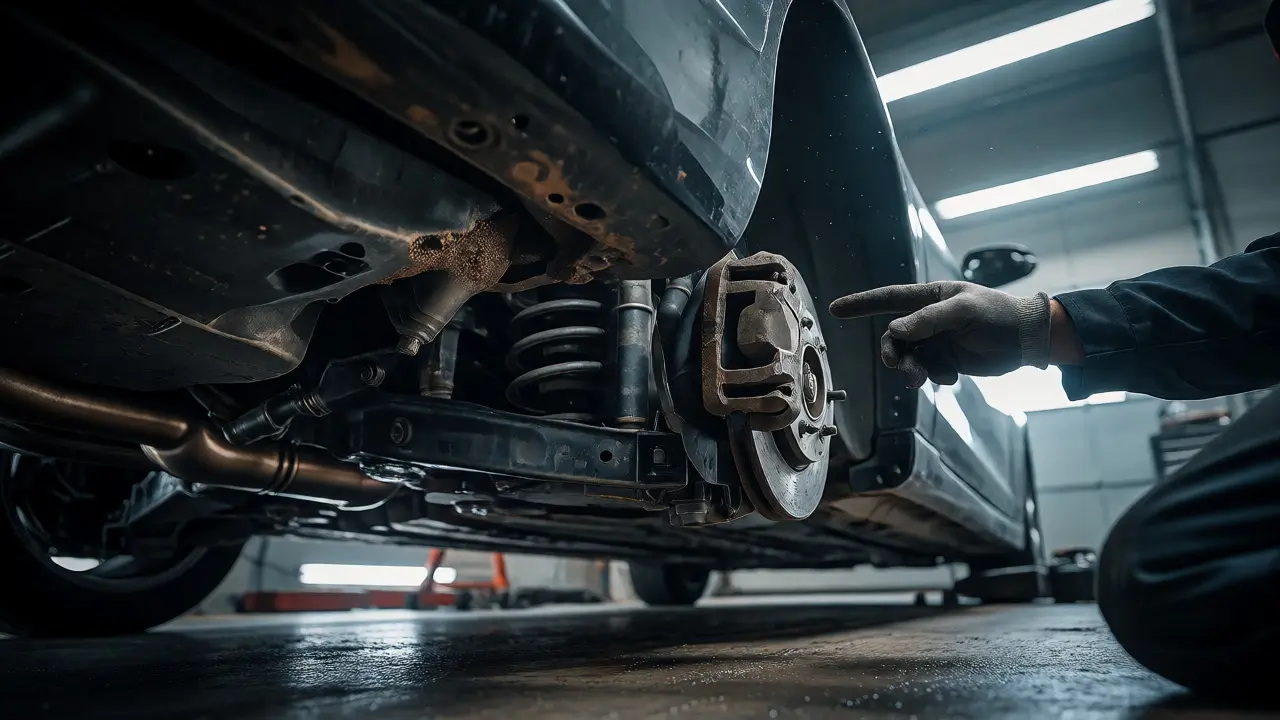
This is the heart of the inspection. The mechanical section evaluates engine performance, transmission, brakes, suspension, and exhaust. Inspectors listen for noises, check fluid levels, and look for leaks.
Key things to watch for:
- Fluid Leaks: Oil, coolant, or transmission fluid spots under the car indicate seal failures. Small leaks are manageable; large ones are expensive.
- Brake Pad Thickness: If pads are below 3mm, replace them immediately. Don’t wait.
- Suspension Noise: Clunks over bumps suggest worn bushings or struts. Replacement costs vary widely but can hit $1,000+ for a full job.
- Exhaust Smell: A strong fuel smell inside the cabin could mean a leaking injector or exhaust manifold. Get it checked before driving far.
Remember, the RTA inspector does a visual and auditory check, not a deep diagnostic scan. So even if the report says "engine runs smoothly," consider paying for a pre-purchase inspection (PPI) by your own mechanic. It’s worth the $150-$200 to catch issues like timing chain stretch or internal engine wear.
Section 5: Photos - Zoom In, Don’t Skim
Text descriptions are helpful, but photos are honest. Spend time zooming in on every image. Look for inconsistencies between what the text says and what the picture shows.
For example, the text might say "minor rust," but the photo shows bubbling paint near the wheel arches-that’s advanced corrosion. Or the text says "clean interior," but the photo reveals stained upholstery or cracked leather. Trust the visuals. Also, check the background of photos. If you see other cars or auction signs, note the location. Some yards expose cars to salt air or heavy rain, accelerating wear.
Pro tip: Save the photos to your phone. When negotiating, show the seller the exact image proving the defect. It’s harder for them to argue with evidence than with words.
Using the Report to Negotiate Price
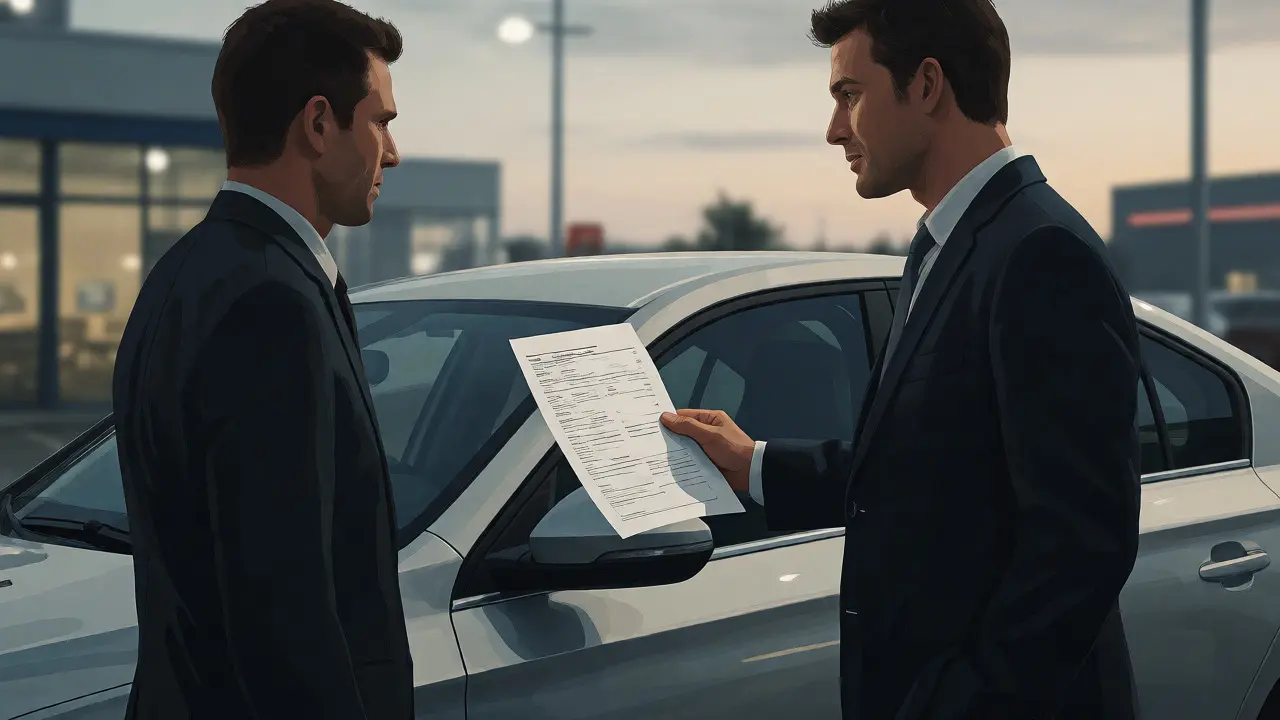
Now that you’ve decoded the report, use it to lower the price. Each defect has a monetary value. Estimate repair costs using online calculators or quotes from local shops. Subtract that total from the asking price.
Example: Car listed at $15,000. Report shows need for new tires ($600), brake pads ($300), and cracked windshield ($300). Total repair cost = $1,200. Offer $13,800. If they refuse, walk away. There’s always another car.
Don’t be afraid to point out multiple small issues. Ten $50 fixes become a $500 discount. Sellers hate dealing with nitpickers, so they’ll often concede just to close the deal.
Frequently Asked Questions
How long is an RTA condition report valid?
Generally, an RTA report is considered accurate for 7-14 days. After that, conditions may change due to weather, usage, or new incidents. Always verify the date on the report and consider a fresh inspection if more than two weeks have passed.
Can I request a re-inspection if I disagree with the report?
Yes, most inspection agencies allow disputes or re-inspections within a certain timeframe (often 48 hours). Gather photographic evidence of discrepancies and submit a formal complaint. However, success depends on the severity of the error and the agency’s policy.
Does an RTA report cover mechanical warranties?
No. An RTA report describes current condition, not future reliability. It doesn’t guarantee parts won’t fail next month. For peace of mind, purchase a separate extended warranty or service contract after reviewing the report.
What if the report says "unknown" for certain sections?
"Unknown" usually means the inspector couldn’t access or test that component during the brief inspection. Treat unknowns as potential risks. Assume the worst-case scenario for negotiation purposes, or request clarification from the seller.
Is it safe to buy a car with flood damage noted in the report?
Generally, no. Flood-damaged cars suffer from electrical gremlins, corrosion, and mold that emerge months later. Unless you’re getting a steep discount (30%+ off market value) and plan to keep the car short-term, avoid them. Repair costs are unpredictable and often exceed the car’s value.
Next Steps: Putting It All Together
Reading an RTA condition report takes practice. Start by comparing reports across similar models. Notice patterns-certain brands have common weak points (e.g., CVT transmissions in some Nissan models). Build your intuition.
If you’re unsure about a specific finding, consult a trusted mechanic. Bring the report and photos to them. Ask: "Would you buy this car based on this data?" Their answer will guide your final decision.
Finally, remember: no car is perfect. The goal isn’t to find a flawless vehicle-it’s to know exactly what flaws you’re accepting and whether the price reflects that reality. With this guide, you’re equipped to spot the traps and seize the deals.