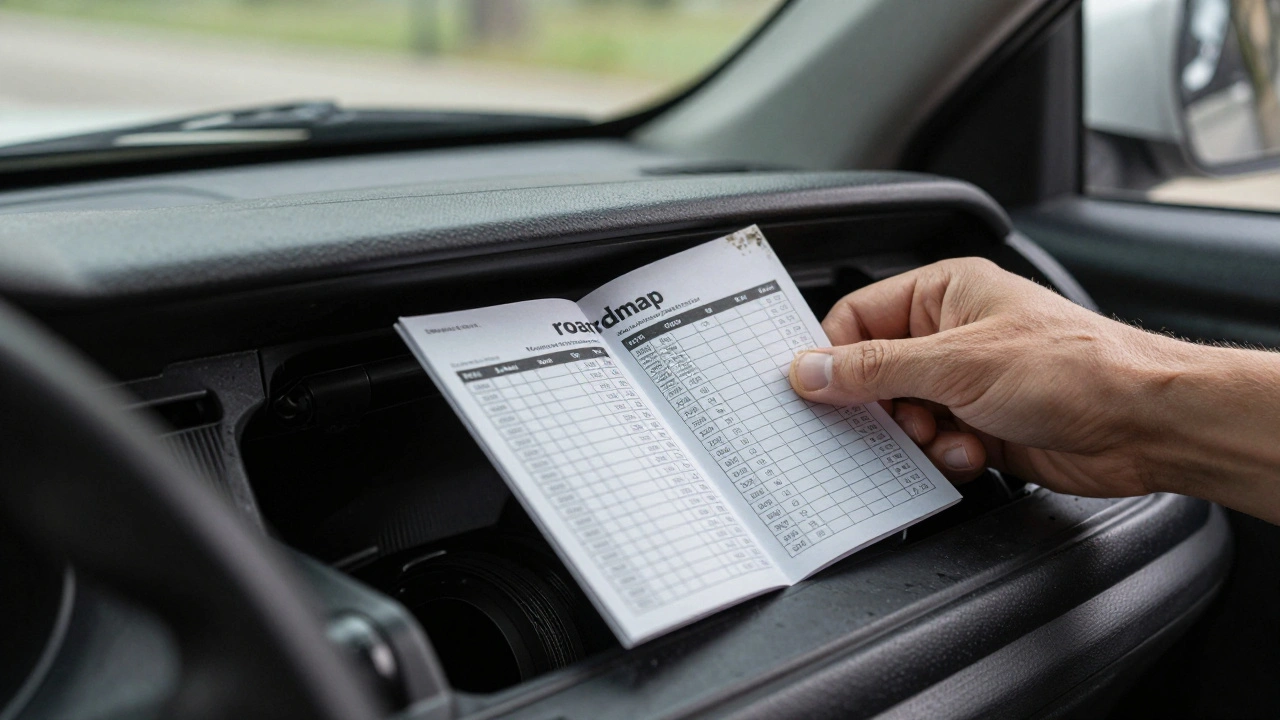
The core problem is that most of us confuse a "tune-up" with a service schedule. A tune-up is a generic term, but a service schedule is a precise set of instructions from the people who actually built your car. Following this guide is the difference between a car that lasts 200,000 miles and one that starts falling apart at 80,000. Here is how you actually decode those charts and use them to save money.
The Basics: What is a Maintenance Schedule?
At its simplest, a maintenance schedule is a manufacturer-recommended list of services organized by mileage or age. Think of it as a preventive roadmap. Instead of waiting for something to break-which is called reactive maintenance-you are performing proactive care to stop the break from happening in the first place.
When you open your manual, you'll find that Manufacturer Maintenance Schedules is a set of time- and mileage-based guidelines designed to maintain optimal vehicle performance and prevent catastrophic component failure. These aren't just suggestions; they are based on thousands of hours of engineering tests to determine exactly when a part is likely to wear out.
These schedules generally focus on three main pillars: fluid changes, filter replacements, and mechanical inspections. If you miss one, you're not just risking a breakdown; you're often voiding your warranty. Most manufacturers require proof of these services to honor claims if a major component fails prematurely.
Decoding the Intervals: 30-60-90 and Beyond
Most modern cars follow a predictable pattern, often referred to as the 30-60-90 interval. This doesn't mean you only visit the shop every 30,000 miles. Rather, it means that every 30,000 miles, the complexity of the service increases.
For a typical sedan or SUV, your basic needs happen quickly. You'll see Oil Changes as the most frequent task, usually every 5,000 to 7,500 miles. Tire rotations follow closely behind, typically every 6,000 to 8,000 miles to ensure the tread wears evenly. But as you hit higher milestones, the "major" services kick in.
For example, at 15,000 miles, you aren't just changing oil; you're looking at a full inspection of the brakes, chassis, and suspension. By the time you hit 36,000 miles, you should be scheduling a comprehensive mechanical inspection. A pro tip here: try to get this done just before your three-year warranty expires. If the mechanic finds a leaking seal or a faulty sensor, the manufacturer pays for it, not you.
| Mileage Interval | Primary Focus | Key Tasks |
|---|---|---|
| 5,000 - 8,000 | Basic Fluid & Tire Care | Oil change, tire rotation, fluid top-offs |
| 15,000 | Safety & Chassis | Brake inspection, suspension check, cabin filter |
| 30,000 - 45,000 | System Refresh | Transmission fluid, engine air filter, brake fluid |
| 60,000 - 90,000 | Major Component Care | Timing belt replacement, spark plugs, coolant flush |
| 180,000+ | Deep Longevity | Airflow sensor cleaning, axle seal inspection |
Normal vs. Severe Driving: Which One Are You?
This is where most people get it wrong. Your manual likely has two columns: "Normal" and "Severe." Most drivers assume they are "Normal" because they don't race cars or drive through deserts. However, in the eyes of an engineer, "Severe" covers a lot of common ground.
Do you live in a city with stop-and-go traffic? Do you drive in extreme heat or freezing winters? Do you frequently tow a trailer or drive on dirt roads? If you answered yes to any of these, you fall into the Severe Driving Conditions category. This means your intervals should be shortened. For instance, if a normal oil change is every 7,500 miles, a severe condition schedule might demand it every 3,000 to 5,000 miles.
Ignoring this distinction is a shortcut to premature wear. Stop-and-go traffic is harder on your transmission and brakes than highway cruising. If you treat a city car like a highway car, you'll find your brake pads wearing out long before the manual's "normal" schedule suggests.

Beyond the Chart: Fluids, Filters, and Fuses
The service schedule isn't just a list of dates; it's a specification sheet. One of the most critical sections is the fluid specification. Using the wrong oil grade or a non-compatible coolant can lead to sludge buildup or overheating. Your manual will specify exactly what your engine needs-whether it's a synthetic blend or a specific viscosity like 0W-20.
Then there are the "as-needed" items. These aren't tied to a specific mileage but require regular visual checks. Engine Air Filters and cabin air filters should be inspected every 10,000 miles. If you live in a dusty area or a city with high pollution, these will clog much faster. A clogged engine filter chokes your engine, reducing fuel efficiency and putting extra strain on the motor.
Don't overlook the electrical sections. Most manuals include fuse diagrams. Knowing how to read these can save you a trip to the mechanic for a simple blown fuse that killed your radio or interior lights. It's about taking ownership of the vehicle's health rather than guessing.
Adapting to Different Vehicle Types
Not every vehicle follows the 30-60-90 rule. If you aren't driving a standard sedan, the rules change. Medium-Duty Trucks generally need more frequent inspections, often every 10,000 to 25,000 miles, because they carry heavier loads and experience more chassis stress.
Heavy-duty trucks and 18-wheelers are a different beast entirely. Their basic service happens every 10,000 to 20,000 miles, but they require fuel filter replacements much more often-typically every 30,000 miles-due to the massive amount of fuel they process. For these vehicles, the load they carry often overrides the mileage on the odometer.
Then there are construction and off-road vehicles. For these, mileage is almost useless. A bulldozer might only drive five miles in a day but run its engine for ten hours. In these cases, maintenance is scheduled by Engine Hours. Checks usually happen every 250 to 500 hours. If you're operating specialized machinery, stop looking at the odometer and start looking at the hour meter.

Where to Find Your Specific Schedule
You don't have to rely on a dusty book in the glovebox. While the Owner's Manual is the gold standard, there are faster ways to get the info you need today.
- Online Owner Centers: Brands like Toyota and Chevrolet offer interactive tools. You enter your VIN or model and year, and they generate a personalized chart based on your specific engine type.
- PDF Manuals: Most manufacturers provide free digital copies of their manuals. These are great because you can use "Ctrl+F" to find specific keywords like "timing belt" or "transmission fluid" instantly.
- Maintenance Apps: Tools like Carfax's Car Care app can sync with your vehicle's history and send you reminders when a specific milestone is approaching. This takes the guesswork out of the process.
The key is to combine these sources. Use the app for reminders, the online tool for specific intervals, and the physical manual for the deep technical specs on fluids and fuses.
What happens if I ignore the manufacturer's service schedule?
Ignoring the schedule leads to "cascading failures." For example, missing an oil change leads to sludge buildup, which puts stress on the oil pump, which eventually starves the engine of lubrication, leading to a total engine seizure. It also typically voids your powertrain warranty, meaning you'll pay for major repairs out of pocket.
Can I extend the intervals if I use synthetic oil?
While synthetic oil lasts longer than conventional oil, you should still follow the manufacturer's guidance. Some cars require specific synthetic blends for their variable valve timing systems. If the manual says 5,000 miles, sticking to that is safer for the long-term health of the engine, even if the oil looks clean.
How do I know if my driving is actually "severe"?
Check your manual's "Severe" list. Common markers include: frequent short trips (under 10 miles), idling for long periods, driving in dusty or salty environments, or consistently towing loads. If any of these describe your daily routine, you should use the severe maintenance interval column.
Is a 30-60-90 schedule applicable to all cars?
It is a common pattern for many light-duty vehicles, but not a universal law. Electric vehicles (EVs), for example, have much simpler schedules because they lack oil changes and spark plugs. Always refer to your specific model's manual rather than relying on a general rule of thumb.
Why do some services happen at irregular intervals?
Parts wear out based on usage, not just time. Brake pads wear based on how hard you brake; air filters wear based on how dirty your air is. Manufacturers set a "recommended" window, but they always suggest inspecting these items regularly because real-world conditions vary.
Next Steps for Every Driver
If you haven't looked at your manual in years, start today. First, find your current mileage and map it against the manufacturer's chart. If you're overdue for a 30k or 60k service, don't panic-just get it scheduled. Note down the specific fluid types your car requires so you don't get upsold on "premium' fluids that your car doesn't actually need.
For those with newer cars, set up a digital tracking system now. Whether it's a spreadsheet or an app, recording every oil change and filter swap creates a "paper trail." When it comes time to sell your car, a documented history of following the manufacturer's maintenance guide significantly increases the resale value because it proves the car was cared for properly.