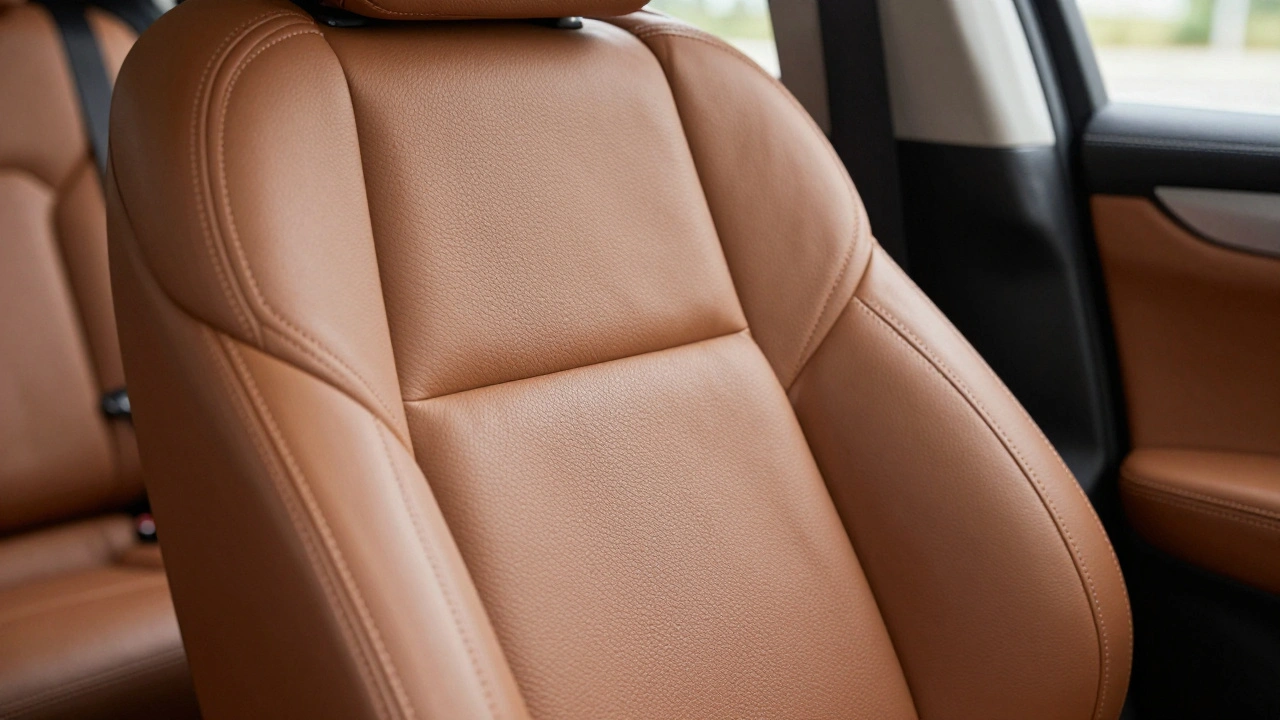
There is nothing quite as frustrating as removing a child safety seat after months of use and finding a deep, permanent-looking divot in your vehicle’s driver or passenger seat. It feels like the upholstery has been permanently crushed by the weight of the base. For many parents, this indentation becomes a daily reminder of the wear and tear that comes with raising young children. The good news? In most cases, those marks are not permanent damage. They are simply compressed foam and tightened leather fibers waiting for the right amount of heat and moisture to bounce back.
This guide breaks down exactly how to fix those indentations safely. We will look at methods ranging from gentle conditioning to aggressive heat treatments, helping you choose the right approach based on your specific upholstery type and the severity of the mark.
Understanding Why Indents Form
Before you start applying heat or water, it helps to understand what actually happened to your seat. Car seat imprints occur because child safety seats, especially heavy models like the Chicco Keyfit30, exert concentrated pressure on a small area of the cushion. Over time-often just six months-the high-density foam underneath the upholstery compresses. Simultaneously, the leather or vinyl covering stretches tightly over that compressed spot.
The goal of child seat imprint removal is not just to fix the surface material but to encourage the underlying foam to re-expand. If you only treat the leather without addressing the compression below, the dent may return once the leather cools or dries. Different materials react differently to restoration efforts. Natural leather is porous and responds well to heat and conditioning. Synthetic leather (vinyl) is less forgiving; it can crack or melt if exposed to excessive heat. Always identify your material before proceeding.
Method 1: The Heat Gun Technique (Most Effective)
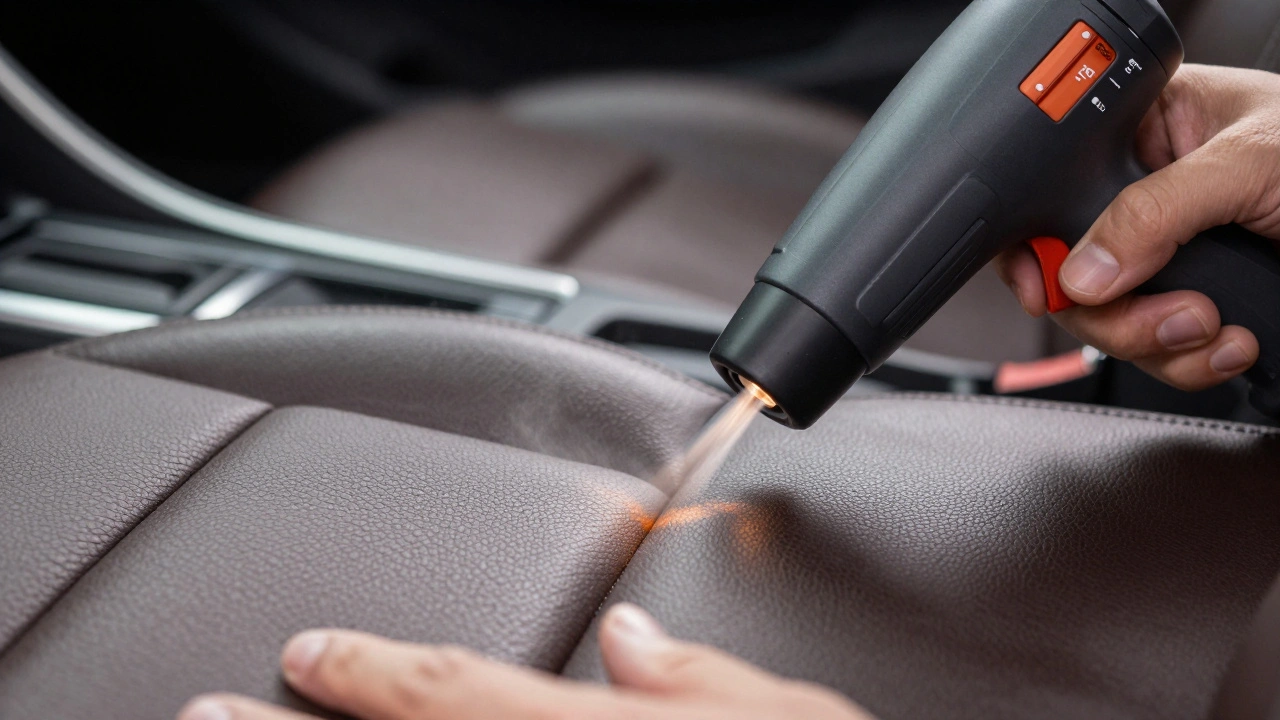
For deep, stubborn indentations in genuine leather, using a heat gun is widely considered the most effective method. This tool provides intense, focused heat that relaxes the leather fibers almost instantly. However, it requires caution. A heat gun set to maximum power can burn leather in seconds.
Here is how to do it correctly:
- Equipment: Use a heat gun with variable temperature settings. A 2000W unit is common, but you will want to keep it on medium-high, not maximum.
- Distance: Hold the nozzle at least 6 inches away from the leather surface. Never let the tip touch the seat.
- The Process: Warm the indented area until the leather feels hot to the touch (but not burning). Immediately use your hands to stretch the leather outward from the center of the dent. Pull firmly around the edges of the impression.
- Repetition: You will likely need three to four cycles of heating and stretching. Each cycle should make the leather more malleable.
This method can remove significant dents in under five minutes. The key is speed and precision. If you hold the heat gun too long in one spot, you risk scorching the finish. Keep moving the nozzle in a circular motion. Also, ensure no children are nearby during this process, as the tip remains extremely hot even after you turn the machine off.
Method 2: Hair Dryer and Steam (Safer Alternative)
If you do not own a heat gun or are nervous about using one, a standard hair dryer works well for lighter impressions. While it lacks the intensity of a heat gun, it offers a much wider safety margin. You are unlikely to burn the leather accidentally.
To use this method, set your hair dryer to its highest heat setting. Direct the airflow into the dent while simultaneously massaging the area with your other hand. The combination of warm air and physical manipulation helps loosen the stretched fibers. Because the heat is lower, you may need to repeat this process several times over the course of an hour. Patience is your best friend here. For synthetic leather, this is often the preferred method because it minimizes the risk of melting the plastic coating.
Method 3: Moisture and Ironing
Sometimes, heat alone isn't enough. Adding moisture can help relax the leather fibers further. The damp cloth iron method is a classic upholstery trick. Place a clean, white cotton towel or cloth over the indentation. Ensure the cloth is damp, not soaking wet. Then, take a household iron set to low heat (no steam function) and gently press it against the cloth.
The moisture trapped between the cloth and the leather creates mild steam, which penetrates the pores. The gentle heat from the iron warms the material without the direct blast of a heat gun. Press lightly and move the iron constantly. Do not leave the iron stationary, as this could transfer heat directly to the leather if the cloth dries out. Check the progress frequently by lifting the cloth. This method is slower but very safe for delicate leathers.
Method 4: Leather Conditioning and Blotting
Heat reshapes the leather, but conditioning restores its flexibility. After using any heat-based method, or if the dent is shallow, apply a high-quality leather conditioner. Many people make the mistake of wiping conditioner on with a microfiber cloth. Microfiber absorbs too much product, leaving the leather dry.
Instead, apply the conditioner with your fingers or a soft sponge. Massage it into the indented area using circular motions. Let the leather "soak" in the conditioner for at least 24 hours. This hydration prevents cracking and makes the material more pliable for future stretching attempts. For persistent marks, you can combine this with blotting. Dampen a sponge with distilled water and gently blot (do not rub) the area. Allow it to air-dry naturally. As the leather dries, it contracts slightly, which can help pull the surface tight again.
Comparison of Restoration Methods
| Method | Best For | Risk Level | Time Required | Effectiveness |
|---|---|---|---|---|
| Heat Gun | Deep dents in genuine leather | High (burn risk) | 5-15 minutes | Very High |
| Hair Dryer | Moderate dents, synthetic leather | Low | 30-60 minutes | Medium |
| Damp Cloth + Iron | Delicate leathers, light impressions | Low | 20-40 minutes | Medium-High |
| Conditioning Only | Prevention, minor creases | None | 24 hours (drying) | Low |
What About Synthetic Leather?
If your car features vinyl or faux leather, proceed with extreme caution. These materials are essentially plastics coated to look like leather. They do not breathe like natural hide and have a lower melting point. Using a heat gun on synthetic leather is risky; it can cause the surface to bubble or discolor rapidly. Stick to the hair dryer method on a lower setting or the damp cloth technique. Avoid direct high heat. If the imprint is severe on synthetic material, it may be permanent due to the breakdown of the underlying foam structure rather than the surface skin.
Prevention: Protecting Your Seats Future-Proofing
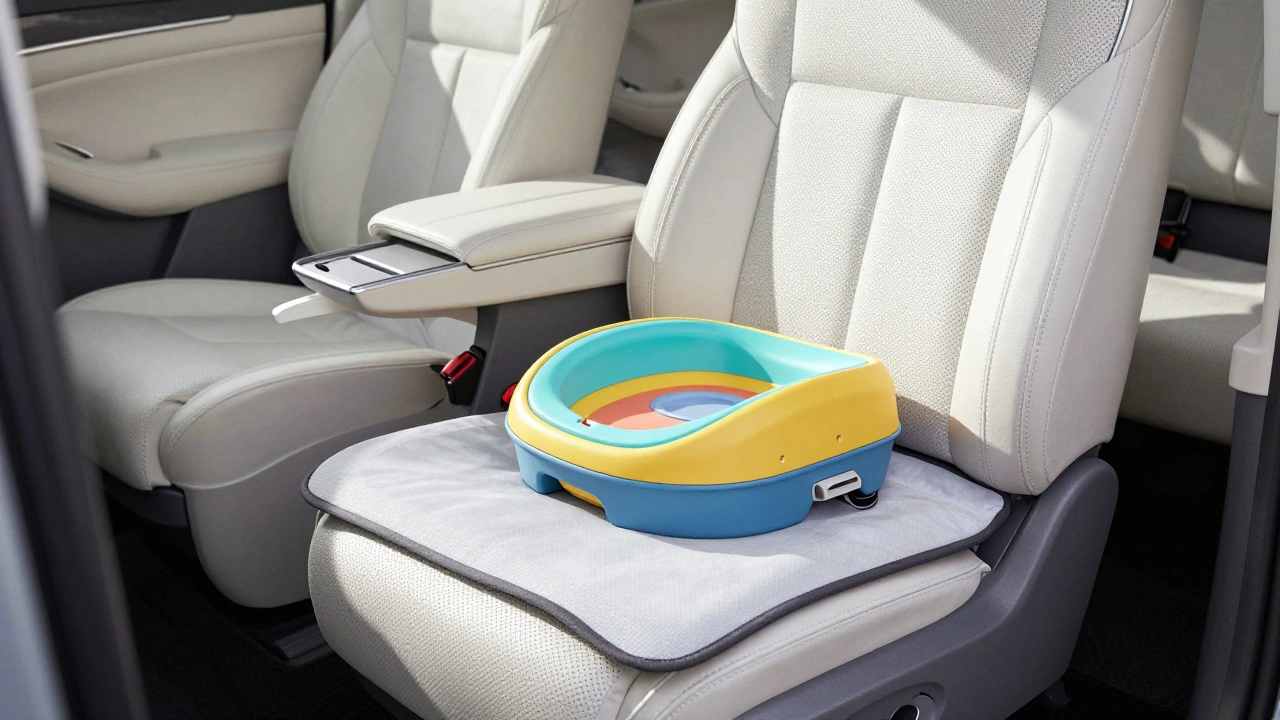
Once you have restored your seat, consider preventing future damage. Installing a car seat protector mat under the child safety seat distributes the weight more evenly across the cushion. These mats are usually made of durable, washable fabric that slides easily but provides a buffer between the hard plastic base of the car seat and your vehicle's upholstery. It is a small investment that saves you from having to perform these restoration steps every time you switch seats or upgrade to a new car seat model.
Can heat guns damage leather?
Yes, if used incorrectly. Holding a heat gun too close or on the highest setting can burn the leather, causing irreversible scorching or drying out the material, leading to cracks. Always use medium heat and keep the nozzle moving.
Will the imprint disappear on its own?
Light impressions may fade gradually over weeks or months after removing the car seat, as the foam slowly decompresses. However, deep dents caused by prolonged pressure rarely fully resolve without active intervention like heat or conditioning.
Is it safe to use a microwave for seat restoration?
The microwave terry towel method involves heating towels to extreme temperatures. While effective, it carries a high burn risk. You must handle the towels with tongs and never touch them with bare hands. This method is generally less controlled than using a heat gun or hair dryer.
What should I avoid when restoring leather seats?
Avoid using harsh chemicals, abrasive scrubbers, or excessive water. Do not apply direct flame or open heat sources. Also, avoid rubbing the leather aggressively; instead, use gentle stretching and massaging motions to reshape the fibers.
Does the type of car seat affect the depth of the imprint?
Yes. Heavier bases, such as those found in infant carriers like the Chicco Keyfit30, exert more concentrated pressure than convertible seats that distribute weight over a larger area. The longer the seat remains installed without rotation, the deeper the compression in the foam.