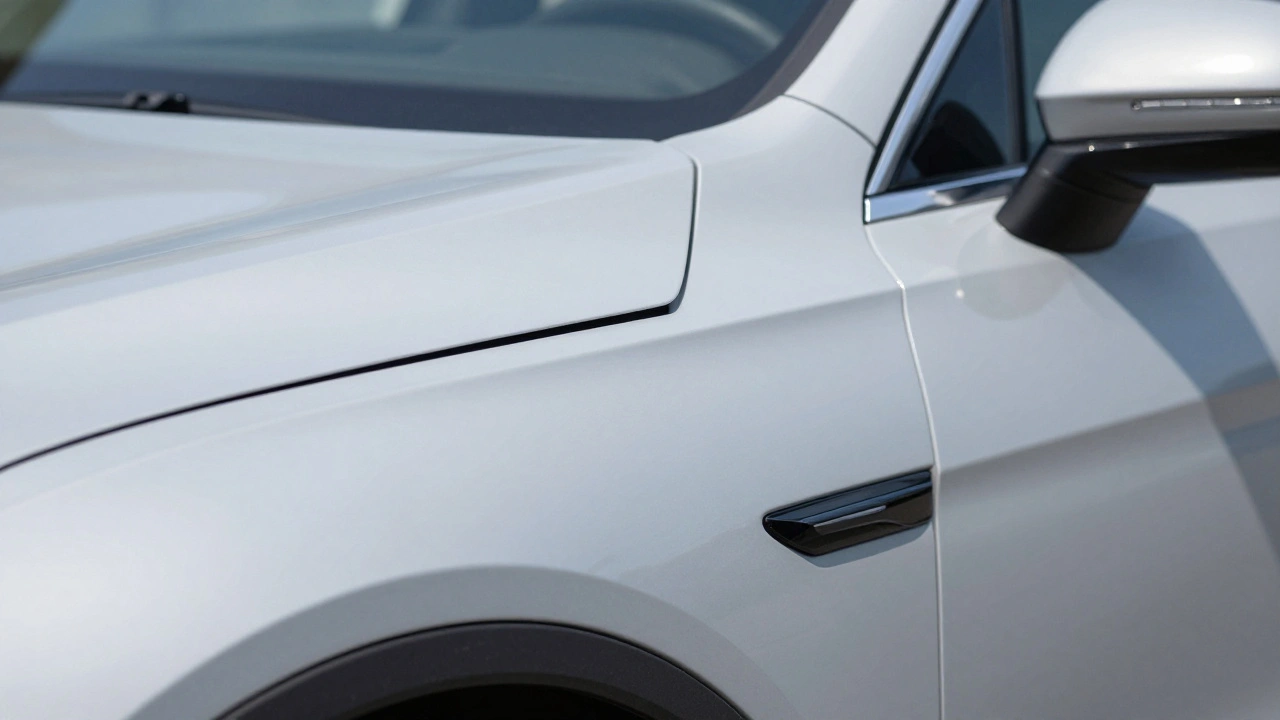
Imagine buying a used car that looks mint on the outside, only to find out later that it drives like a crab and is practically a death trap in a crash. This happens more often than you'd think. In fact, some independent inspections have found that roughly 50% of vehicles had previously unaddressed frame damage that was completely missed during initial repairs. When the skeleton of your car is bent, it's not just a cosmetic issue; it's a fundamental safety failure.
| Sign | What it looks like | Potential Cause |
|---|---|---|
| Panel Gaps | Uneven spaces between doors or hood | Frame misalignment |
| Tire Wear | Cupping or bald spots on one side | Structural shift |
| Handling | Steering pulls after professional alignment | Bent chassis/unibody |
| Door Operation | Doors stick or won't close smoothly | Squeezed or shifted frame |
What Exactly is Frame Damage?
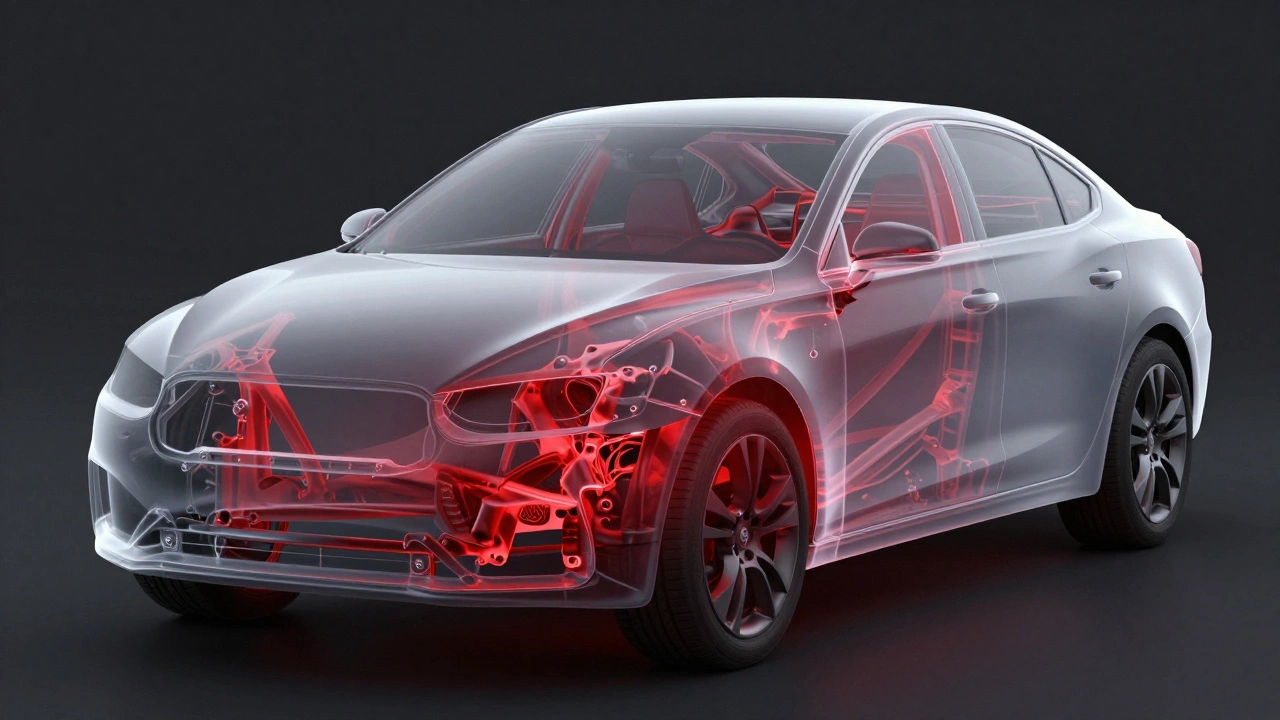
To understand the problem, we first need to talk about how cars are built. Most modern vehicles use unibody construction is a design where the frame and the body are manufactured as a single, integrated structure . Unlike old trucks that had a separate heavy steel frame, a unibody car relies on the entire shell for its strength. When you have frame damage detection, you're looking for any deformation in this skeleton that compromises the car's ability to protect you during an impact.
Why does this matter? Statistics show that while car-on-car crashes get the most attention, over 26% of motor-vehicle fatalities involve collisions with fixed objects. If your frame is already bent, the "crumple zones" designed to absorb energy won't work correctly, significantly increasing the risk of injury.
The Visual Red Flags: What to Look For
You don't need a degree in engineering to spot some of the most common signs of structural failure. Start by walking around the car and looking at the gaps. Are the spaces between the doors, fenders, and hood consistent? If the gap at the top of a door is tight but the bottom is wide open, the frame is likely sagging or shifted.
Check for these specific visual cues:
- Visible cracks or deep bends in the metal under the car.
- Rust bubbles appearing in strange places, which can hide structural rot.
- Torn weld seams where the body panels meet the chassis.
- Bent bumpers that don't sit flush with the rest of the body.
If you're doing this at home, a simple measuring tape is actually one of your best tools. By measuring from a fixed point on the frame to a specific corner, you can verify if the vehicle is still "square." If one side is an inch shorter than the other, you've got a problem.
Reading the Road: Tires and Tracking
Sometimes the frame looks fine, but the car tells you something is wrong through the tires. Keep an eye on your tread. While normal wear happens, abnormal patterns like cupping or bald spots-especially if they appear rapidly on only one or two tires-often point to frame misalignment. The wheels aren't just out of alignment; they are physically unable to sit straight because the mounting points on the frame have shifted.
Then there's the phenomenon known as "crab walking." This is when your car doesn't travel in a perfectly straight line, but instead drifts diagonally, as if it's walking sideways. You can test this by wetting your tires and driving straight across dry pavement. If the tracks left behind aren't parallel and straight, your frame is likely bent.
Handling Problems That Won't Go Away
Have you ever taken your car for a professional wheel alignment, only to find that the steering wheel still pulls to the left or right? That is a classic symptom of structural damage. An alignment can fix the tires, but it can't fix a bent chassis. If the underlying structure is crooked, the car will always fight to return to that crooked position.
Other performance warnings include:
- New rattles or squeaks that start after a minor fender-bender.
- Vibrations or shaking at highway speeds that can't be fixed by balancing the tires.
- A general feeling of instability or poor ride quality, often caused by excessive stress on the suspension.
Professional Diagnostics vs. DIY
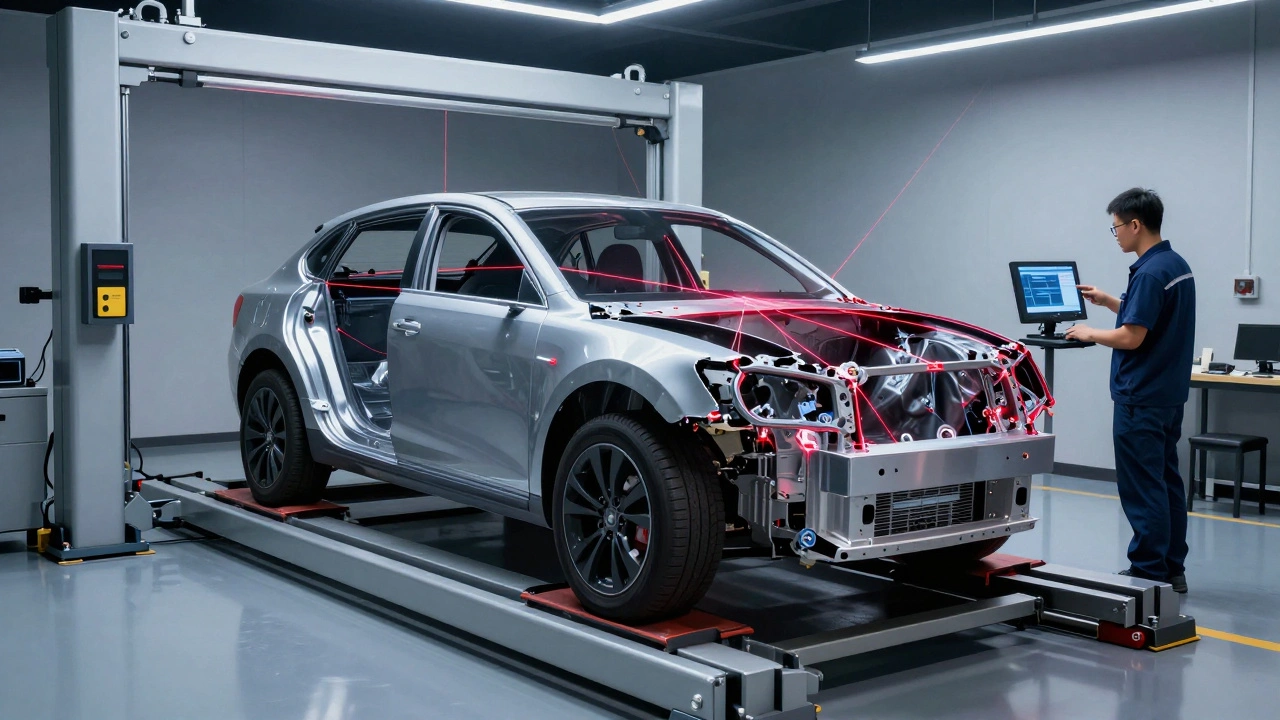
While bubble levels and string lines can help a homeowner spot a leaning car, professional shops use high-tech gear. Modern body shops utilize 3D Frame Measuring Systems which are computerized tools that map the vehicle's current dimensions against the original manufacturer specifications . These systems can detect a misalignment of just a few millimeters-something no human eye could ever see.
Certified technicians use laser tools to ensure that every pillar and rail is perfectly positioned before they even touch the paint. This is critical because cosmetic repairs-like replacing a bumper-are useless if the structural components underneath are still compromised. A pro will always prioritize the structural integrity of the vehicle before moving to the aesthetic phase.
The Risks of Ignoring the Damage
It can be tempting to ignore a slightly sticking door or a minor pull in the steering, especially if the car "still runs fine." However, the risks are severe. A damaged frame doesn't just affect handling; it affects airbag deployment. If the sensors or the structural supports are bent, your airbags might not deploy at the right time or angle during a crash.
There are also legal and financial headaches. In many states, it's actually illegal to operate a vehicle that is deemed dangerous due to structural damage. If caught, you could face heavy fines. From a value perspective, a "frame-damaged' vehicle is a nightmare to sell. Most insurance companies will declare a car a total loss if the cost of straightening the frame exceeds the car's market value.
Can a Bent Frame Be Fixed?
The good news is that moderate damage can often be reversed. Professionals use heavy-duty realignment tools and hydraulic presses to pull the frame back into its original shape. For more severe cases, specific components like pillars or unirails can be cut out and replaced with new structural parts.
The key is to act fast. Early detection prevents the damage from worsening and ensures that the car is restored to factory safety standards. If you've been in a collision-even a low-speed one-don't rely on a visual check. Get a professional post-accident inspection to ensure the skeleton of your car is as strong as the day it left the factory.
Can I fix frame damage myself at home?
No. Frame repair requires specialized hydraulic equipment and 3D measuring systems to ensure the car is square. Attempting to straighten a frame without these tools can permanently weaken the metal and make the car unsafe to drive.
Does a bent frame affect fuel economy?
Indirectly, yes. While the bent metal doesn't consume fuel, the resulting misalignment causes tires to scrub against the road, increasing rolling resistance and forcing the engine to work harder, which lowers your MPG.
How do I know if a used car has had frame repair?
Look for non-factory welds, mismatched paint on the inner chassis, or areas where the factory sealant has been scraped away. Checking the vehicle history report for one-time large insurance payouts is also a strong indicator.
Will a frame-damaged car pass a safety inspection?
It depends on the severity. If the damage affects the steering, braking, or structural stability to a degree that violates state safety laws, the vehicle will fail. Most inspectors look for significant bends or rust-through in the frame rails.
What is the difference between a frame and a chassis in a unibody car?
In a unibody car, the terms are often used interchangeably. The "frame" is essentially the reinforced floor pan and pillars that create a rigid cage for the passengers, as opposed to a separate steel ladder frame found in trucks.
Next Steps and Troubleshooting
If you suspect your car has structural issues, your first move should be a specialized alignment check. If the technician tells you the wheels are straight but the car still pulls, you need to head to a certified collision center for a frame measurement.
For those buying a used car, always insist on a pre-purchase inspection (PPI) from a third-party mechanic. Specifically ask them to check for "unibody shifts" and "previous frame pulls." If the seller is hesitant to let a mechanic under the car, that's your cue to walk away. Remember, a shiny coat of paint can hide a lot of danger, but it can't hide a bent frame from a professional.