
You’re cruising down the highway, maybe listening to a podcast or just enjoying the quiet hum of your engine. Suddenly, the car starts shuddering. The acceleration feels sluggish, like you’re dragging an anchor through molasses. Then that dreaded orange icon pops up on your dashboard: the Check Engine Light. Most drivers panic, assuming it’s something catastrophic like a blown head gasket. But nine times out of ten, especially if the shaking happens under load, it’s likely a failing ignition coil. This small component is the unsung hero of your combustion process, and when it dies, your car lets you know immediately.
What Exactly Is an Ignition Coil?
Think of an ignition coil as a high-voltage transformer for your engine. Its job is deceptively simple but critical: it takes the low voltage from your battery (12 volts) and cranks it up to anywhere between 20,000 and 45,000 volts. That massive surge of electricity travels down the spark plug wire (or directly through the coil-on-plug assembly) to create the spark that ignites the air-fuel mixture in the cylinder. Without this spark, fuel just sits there, unburned and useless.
Modern cars typically use one of two setups. Older vehicles often have a single "canister" coil that distributes power via wires to multiple cylinders. Newer cars, however, almost exclusively use Coil-on-Plug (COP) systems, where each cylinder has its own dedicated coil sitting right on top of the spark plug. This design eliminates long spark plug wires, which are prone to resistance and wear, making the system more efficient but also meaning that if one coil fails, only that specific cylinder stops working properly.
| Feature | Distributor/Canister System | Coil-on-Plug (COP) |
|---|---|---|
| Voltage Delivery | Centralized distribution | Direct to each cylinder |
| Common Failure Mode | Wire insulation breakdown | Internal winding short/open |
| Diagnostic Difficulty | Harder to isolate specific cylinder | Easier (P030X codes map directly) |
| Replacement Cost | Lower part cost, higher labor | Higher part cost, lower labor |
Recognizing the Signs of Failure
How do you know it’s the coil and not the spark plugs? The symptoms are distinct if you pay attention. The most obvious sign is a misfire. You’ll feel a rhythmic jerking or stumbling, particularly when accelerating uphill or passing another vehicle. This happens because the faulty coil can’t generate enough voltage to fire the spark plug consistently, so the fuel in that cylinder doesn’t burn.
Another telltale sign is poor fuel economy. If your mileage drops noticeably without any change in driving habits, your engine control unit (ECU) might be dumping extra fuel into the exhaust stream to compensate for the misfire, trying to keep the catalytic converter cool. You might also notice rough idling at stoplights. The RPMs will fluctuate wildly, and the steering wheel might vibrate in your hands.
Finally, look for hard starting issues. A weak coil struggles to produce a strong spark when the engine is cold or wet. If your car cranks forever before catching, or stalls immediately after starting, moisture intrusion into a cracked coil boot could be the culprit. In severe cases, the Check Engine Light won’t just glow; it will flash. A flashing CEL indicates a severe misfire that is actively damaging your catalytic converter. Don’t ignore this-pull over safely if possible.
Diagnosing the Problem Yourself
You don’t need a professional shop to confirm a bad coil. An OBD-II scanner is the first tool you should reach for. Plug it into the port under your dashboard (usually near the driver’s knee). Look for codes starting with P0300 through P0308. For example, P0301 means a misfire in Cylinder 1, while P0304 points to Cylinder 4. This narrows down exactly which coil to inspect.
If you want to get hands-on, try the "swap test." This is a classic mechanic’s trick. Locate the coil corresponding to the trouble code. Swap it with the coil from a cylinder that isn’t showing errors. Clear the codes and drive the car for a few miles. If the error code moves to the new cylinder (e.g., from P0301 to P0302), you’ve confirmed the coil is dead. If the code stays with the original cylinder, the problem might be the spark plug itself, a clogged injector, or a wiring issue.
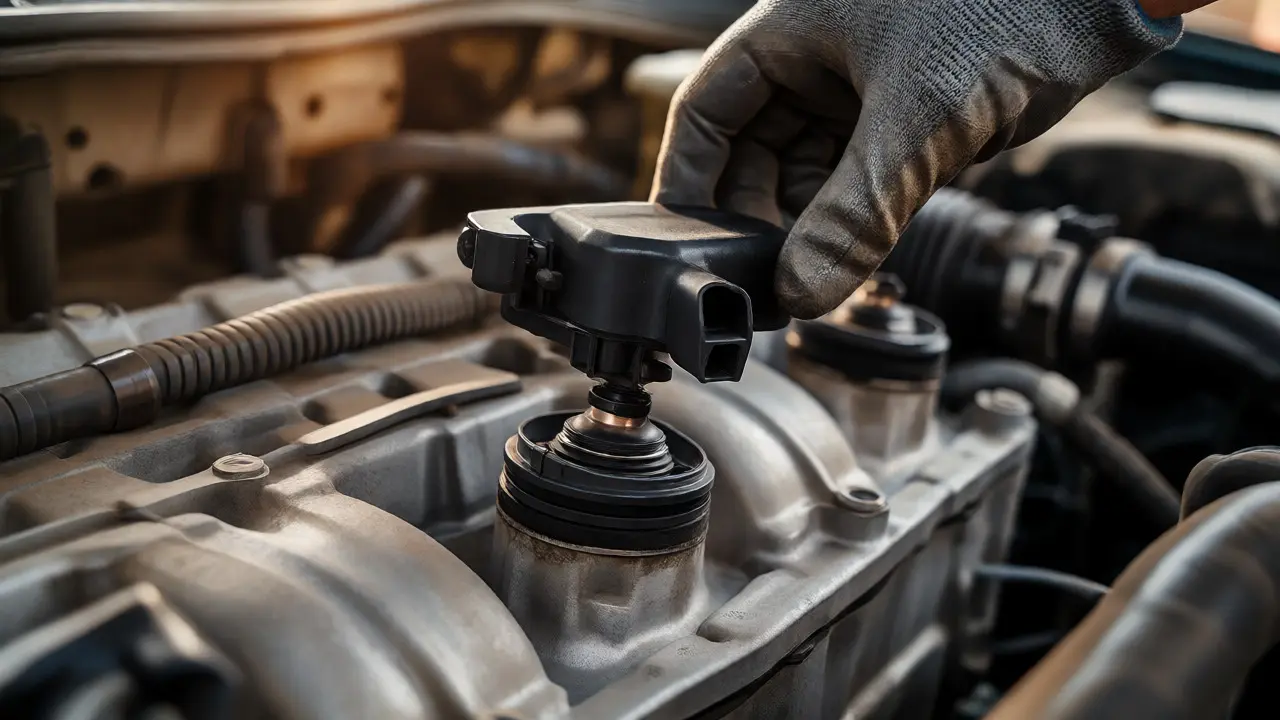
Visual inspection helps too. Pull off the coil pack and look for carbon tracking-black, web-like lines on the plastic housing. These indicate electrical arcing inside the coil. Also, check the rubber boot at the bottom. If it’s brittle, cracked, or covered in oil, it’s leaking current instead of sending it to the spark plug.
Step-by-Step Replacement Guide
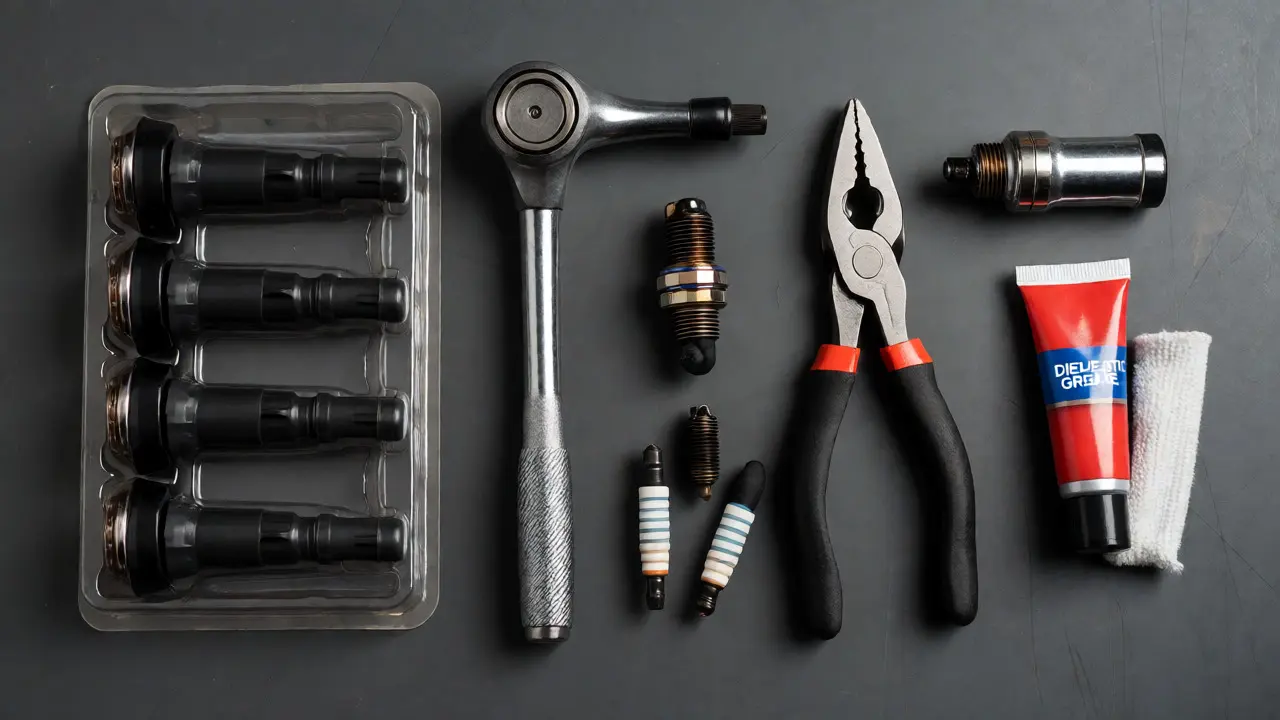
Replacing an ignition coil is one of the easiest DIY repairs you can tackle. It requires basic tools: a socket set (often 10mm or 8mm), a ratchet, and maybe a screwdriver. Here’s how to do it safely:
- Safety First: Disconnect the negative terminal of your battery. Working with high voltage components is risky, and you don’t want to accidentally short anything out.
- Locate the Coil: On most modern engines, the coils are visible on top of the valve cover. They usually have a single bolt holding them in place.
- Remove the Connector: Press the release tab on the electrical connector and pull it straight off. Do not yank the wires; they can break internally.
- Unbolt the Coil: Remove the retaining bolt. Some coils are held by a bracket that covers several cylinders; remove those bolts carefully.
- Pull the Coil: Gently twist and pull the coil upward. It might be stuck due to heat cycling. Use a gentle rocking motion. Avoid prying against the aluminum head, as you can damage the threads.
- Inspect the Spark Plug: While you’re there, check the spark plug. If it’s fouled or worn, replace it now. It’s cheap insurance.
- Install the New Coil: Apply a tiny dab of dielectric grease to the inside of the new coil’s boot. This prevents moisture ingress and makes future removal easier. Seat the coil firmly until it clicks or seats fully.
- Reassemble: Bolt it down, reconnect the electrical plug, and reattach the battery.
Should You Replace All Coils?
This is the million-dollar question. If you have a six-cylinder engine and one coil fails, should you replace all six? The answer depends on age and mileage. Ignition coils generally last between 75,000 and 100,000 miles. If your failed coil was at 95,000 miles, the others are likely close to their end-of-life too. Replacing them in sets saves you from doing the job twice within a year.
However, if the failed coil was at 40,000 miles due to a defect or water leak, replacing just the one is fine. Just remember: always replace the spark plugs when you replace the coils. Old plugs can cause premature coil failure because they require higher voltage to fire, stressing the coil windings.
Costs and Professional Labor
Parts aren’t expensive. OEM coils range from $30 to $80 each, while aftermarket brands like Denso or Bosch offer reliable options for $20-$50. Labor costs vary widely. Since the job is simple, many independent shops charge about 0.5 to 1 hour per coil. Dealerships might quote higher. If you’re handy, you can save hundreds by doing it yourself.
One pitfall to avoid: buying the cheapest no-name brand available online. Cheap coils often fail within months. Stick to reputable manufacturers. Your engine’s performance relies on consistent spark energy, and inferior parts rarely deliver that consistency.
Frequently Asked Questions
Can I drive with a bad ignition coil?
You can drive for a short distance, but it’s not recommended. Driving with a misfire dumps unburned fuel into the exhaust, which can overheat and destroy your catalytic converter-a repair that costs thousands compared to a $50 coil. If the Check Engine Light is flashing, stop driving immediately.
How long does an ignition coil last?
Most ignition coils last between 75,000 and 100,000 miles. However, factors like excessive heat, moisture, and worn spark plugs can shorten this lifespan significantly. Regular maintenance helps extend their life.
Do I need to replace spark plugs when changing coils?
It is highly recommended. Worn spark plugs increase the resistance required to jump the gap, forcing the coil to work harder and potentially causing it to fail prematurely. Replacing both ensures optimal performance and prevents repeat failures.
Why is my new coil failing quickly?
If a new coil fails early, check for oil contamination. Leaking valve cover gaskets can allow oil to seep into the spark plug wells, degrading the coil’s rubber boot and internal insulation. Fix the leak before installing a new coil.
Can a bad coil damage other parts?
Yes. Besides the catalytic converter risk mentioned earlier, a persistent misfire can foul the oxygen sensors and cause uneven wear on the piston rings due to fuel washing away lubrication in the cylinder.