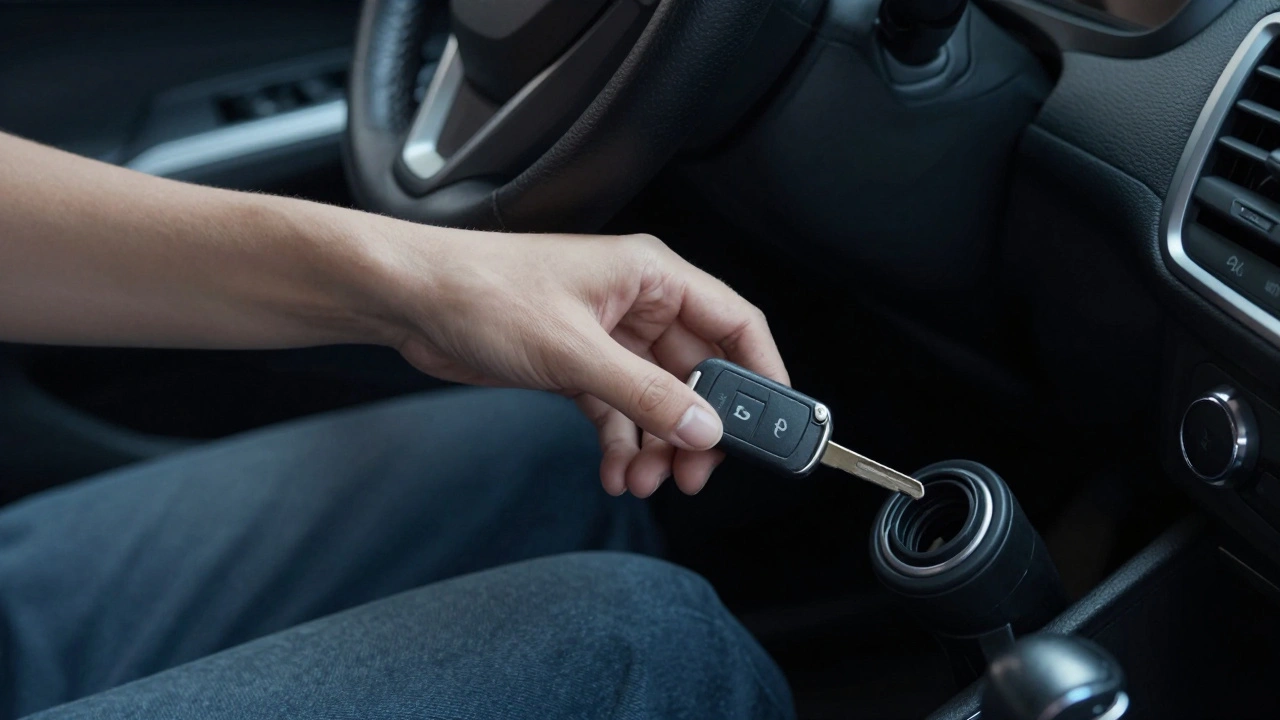
Imagine turning your key in the ignition, expecting the roar of your engine, but getting absolutely nothing. No crank, no sound, just a dead silence that makes you wonder if your car has suddenly decided to retire. While your first instinct might be to blame a dead battery, the real culprit is often a hidden piece of hardware: the ignition switch. When this small electrical component fails, it cuts off the lifeblood of your vehicle, leaving you stranded in your driveway or, worse, stalling in the middle of a busy intersection.
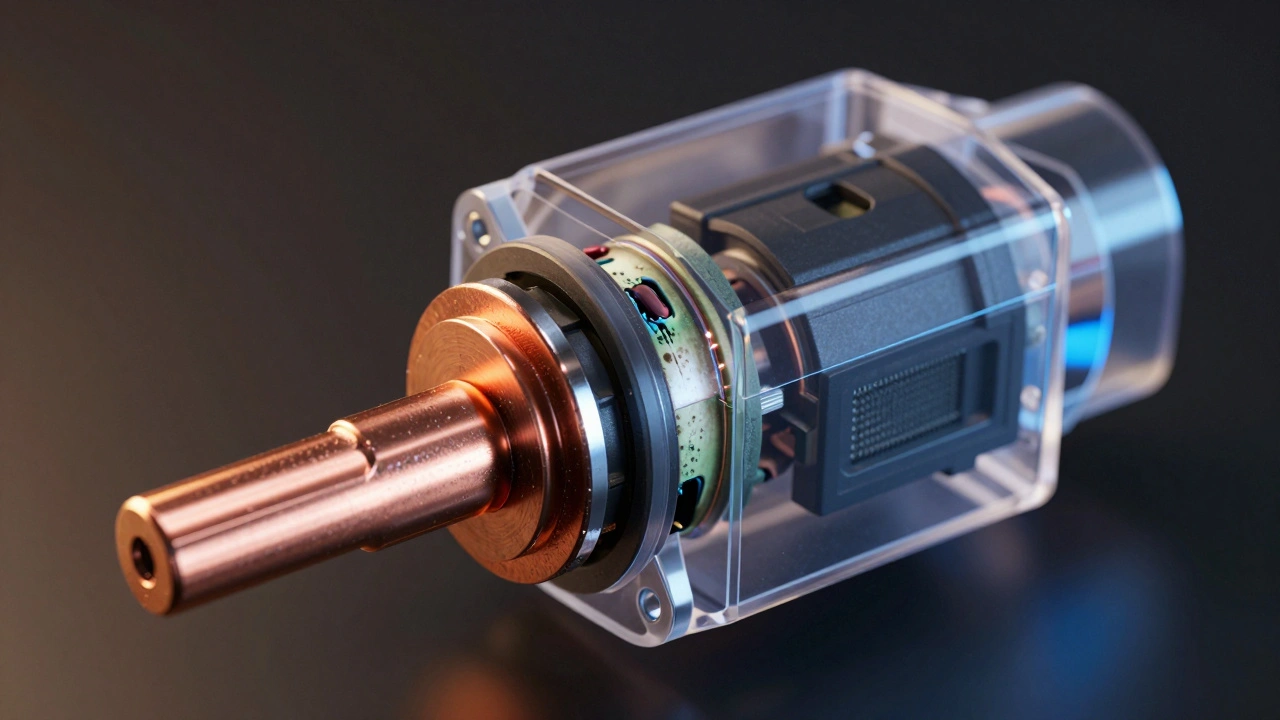
Understanding the difference between a dead battery and a failing switch is the first step to getting back on the road. A Ignition Switch is the electrical gateway located behind the lock cylinder that routes power to the starter motor, fuel pump, and engine control systems. It acts as the master controller for your car's electrical state, moving through specific positions to wake up different systems. When the internal contacts wear out or corrode, that electrical bridge collapses, and your car simply won't start.
The Red Flags: Common No-Start Symptoms
Not all switch failures happen instantly. Usually, your car will give you a few warnings before it gives up completely. The most frustrating is the "no-crank, no-start" condition. You turn the key, and instead of the engine turning over, you get total silence or a very faint, single click. This happens because the switch isn't sending enough current to the starter motor to actually engage the engine.
Then there's the "ghost in the machine" symptom: intermittent power loss. You might notice your dashboard lights flickering or your radio cutting out while you're driving. This is a huge red flag. It means the internal contacts in the switch are barely touching, and a simple bump in the road can break the connection. In the worst-case scenario, this leads to sudden engine stalling. If the switch loses contact while you're at highway speeds, it cuts power to the Fuel Pump and ignition system, killing the engine instantly.
Some drivers experience a "start-then-die" pattern. The engine fires up for a split second but shuts off the moment you let go of the key. This usually indicates that the switch is failing specifically in the "Run" position, meaning it can trigger the start sequence but cannot maintain the electrical flow needed to keep the engine idling.
Why Ignition Switches Actually Fail
Most of these failures come down to basic physics: friction and chemistry. Every time you turn your key, metal contacts inside the switch slide against each other. Over years of use, these contacts wear down, creating gaps that electricity struggles to jump across. This physical wear is often accelerated by heat and vibration, which can warp the internal springs and contacts over time.
Corrosion is another silent killer, especially if you live in a place with salty winters or high humidity. Moisture can seep into the steering column, leading to oxidation on the terminals. This creates a layer of "electrical gunk" that resists current flow, leading to those annoying intermittent glitches where the car starts one day but refuses the next.
In some cases, the problem isn't the switch itself but the Immobilizer System. Since the 1990s, most cars have used these anti-theft systems to verify the key's chip. If the immobilizer fails or doesn't recognize the key, it can mimic ignition switch failure by allowing the engine to crank but preventing it from actually staying running.
| Symptom | Ignition Switch Failure | Dead Battery | Faulty Starter Motor |
|---|---|---|---|
| Dashboard Lights | Flicker or stay off | Dim or completely off | Bright and normal |
| Sound when Turning Key | Silence or faint click | Rapid clicking noise | Loud single clunk or grinding |
| Accessories (Radio/HVAC) | May work while engine won't | Usually dead or very weak | Work perfectly |
| Behavior while Driving | Possible sudden stalling | No effect on running engine | No effect on running engine |
How to Diagnose the Problem
Before you start throwing parts at your car, you need to isolate the failure. A simple way to test is the "accessory check." If you turn the key to the "ACC" position and your radio and windows work perfectly, but the engine won't crank when you move to "START," the battery is likely fine. A dead battery usually kills everything; if some things have power but the engine is dead, the switch or starter is the primary suspect.
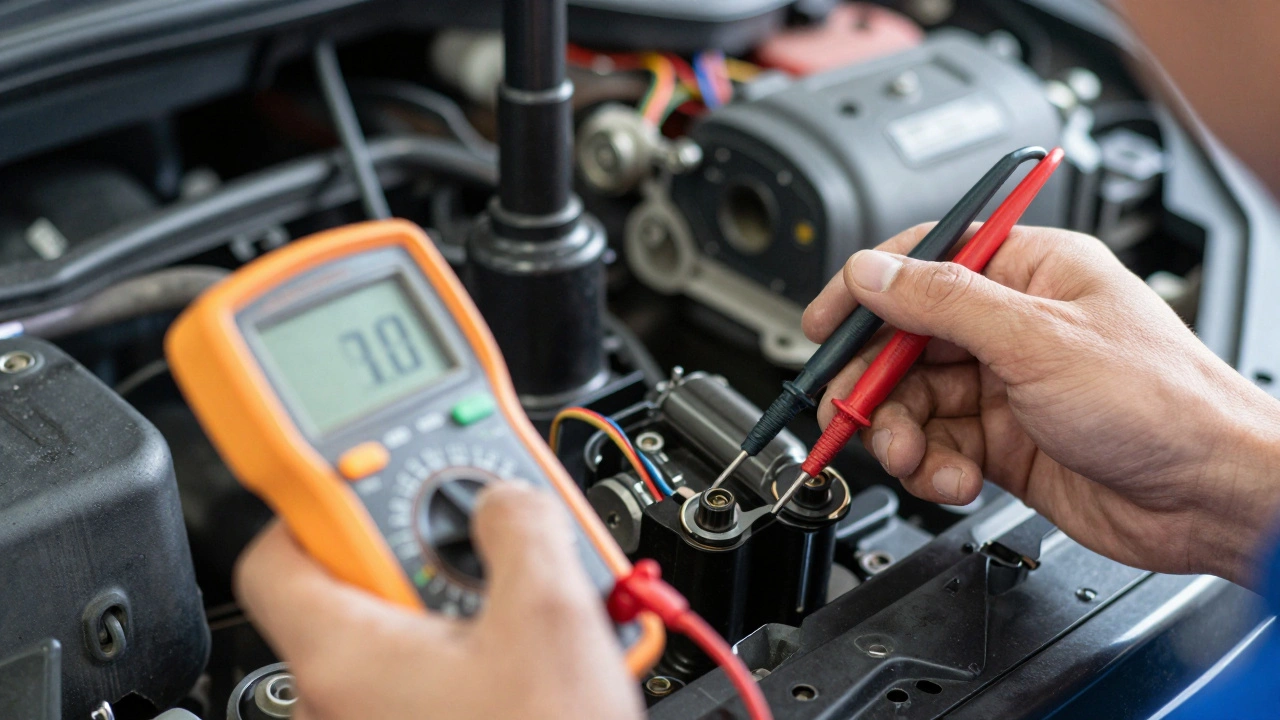
For those with a multimeter, you can check the voltage being sent to the Starter Solenoid. If the switch is working, it should send a steady 12V signal to the starter when the key is turned. If the voltage is missing or fluctuates wildly, the switch's internal contacts are shot.
Listen closely to the sounds. A loud "clunk" often means the starter is trying to work but the motor is burnt out. Absolute silence, however, usually means the signal from the ignition switch never reached the starter in the first place. This distinction is key to avoiding the cost of replacing a perfectly good starter motor.
The Danger of the DIY Switch Replacement
Replacing an ignition switch might look like a simple "unplug and plug" job on YouTube, but there is a hidden danger: the airbag system. In many modern vehicles, the ignition switch wiring is closely tied to the Airbag Control Module. If the switch is installed incorrectly or the wiring is pinched, it can disrupt the safety circuits.
The risk isn't that the airbag will go off spontaneously, but that it won't deploy during an accident because the circuit was compromised during the repair. Professional technicians use specific torque settings and wiring protocols to ensure these safety systems remain intact. Using the wrong orientation for the switch can also lead to mechanical binding, which might leave you unable to remove your key from the ignition entirely.
Proactive Steps to Avoid Failure
You can't stop time, but you can slow down the wear and tear on your electrical system. First, stop fighting with your key. If you feel resistance, don't force it. Forcing a key through a sticky lock cylinder puts unnecessary leverage on the switch and can snap the internal components.
Avoid leaving your car in "Accessory" mode for long periods without the engine running. This puts a constant electrical load on the switch contacts without the benefit of the alternator's stable voltage, which can lead to overheating of the contacts over time. Also, keep your battery terminals clean; a healthy electrical ground prevents surges that can burn out the delicate internals of the switch.
Can a bad ignition switch cause my car to stall while driving?
Yes. If the internal contacts are worn or loose, vibrations from the road can cause the switch to momentarily lose connection. Since the switch provides power to the fuel pump and ignition system, a break in that connection will shut the engine off immediately, even at high speeds.
How do I know if it's my ignition switch or just a dead battery?
Check your accessories. If your headlights and radio work normally but the engine won't crank or you hear a single faint click, it's more likely to be the ignition switch or starter. If everything is dim or dead and you hear rapid clicking, you're likely dealing with a dead battery.
Does a faulty ignition switch affect the airbags?
The switch itself doesn't usually cause airbag failure, but the replacement process can. Because the wiring for the ignition system and the airbag control module are often bundled or interconnected, an improper installation can disable the airbag system.
Why does my car start but then immediately shut off?
This often happens when the switch fails in the "Run" position. It has enough contact to trigger the "Start" sequence, but as soon as you release the key, the connection to the fuel pump and ignition is lost, causing the engine to die.
Can moisture cause my ignition switch to fail?
Absolutely. Moisture and road salt can lead to corrosion on the electrical terminals. This increases resistance and can cause intermittent power loss, which manifests as flickering lights or a car that only starts occasionally.