
Imagine this: You just landed a deal on a pristine, low-mileage Toyota Land Cruiser from Japan. The price is unbeatable-almost too good to be true. But before you sign that transfer paper, there’s a massive hurdle standing between you and your new ride: GCC specifications. If your imported car doesn’t meet these strict regional standards, it simply won’t register in the UAE. It’s not just about paperwork; it’s about safety, performance in extreme heat, and legal compliance. Many buyers underestimate how different a Japanese Domestic Market (JDM) or US-spec vehicle is from what’s built for the Gulf Cooperation Council region. This guide breaks down exactly what inspectors look for, why non-GCC cars often fail, and how to navigate the process without losing your mind or your money.
What Exactly Are GCC Specifications?
GCC specifications are a set of technical and safety standards mandated by the Gulf Cooperation Council countries, including the UAE, Saudi Arabia, and Qatar. These aren’t arbitrary rules invented by bureaucrats. They exist because the Gulf environment is brutal on vehicles. We’re talking summer temperatures exceeding 50°C (122°F), high humidity, and dusty conditions that would destroy a standard European or North American car’s cooling system in months.
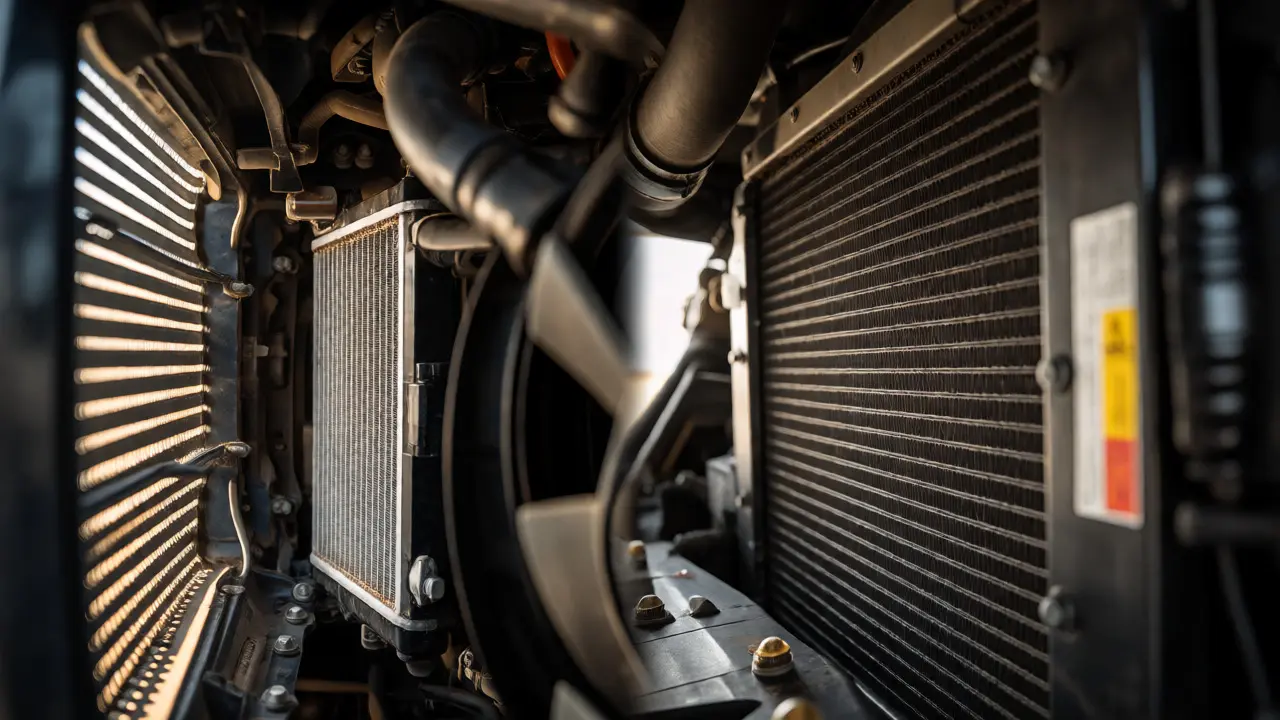
Vehicles built specifically for the GCC market come with reinforced radiators, larger air conditioning compressors, enhanced corrosion protection, and tires rated for higher heat loads. When you import a car from elsewhere, you’re bringing in a machine designed for milder climates. The inspection process, overseen by bodies like the Emirates Authority for Standardization and Metrology (ESMA), now largely under the Ministry of Industry and Advanced Technology (MoIAT), checks if your imported vehicle can survive here. If it lacks these critical upgrades, it fails the conformity assessment, regardless of how clean the bodywork looks.
The Inspection Process: Where and How
You can’t just drive your imported car to any mechanic for this check. In Dubai, for instance, the primary hubs are Tasjeel centers or specific free zone testing facilities. The process is rigorous and follows a strict sequence:
- Document Verification: Inspectors first check your customs clearance, bill of lading, and original title. Any discrepancy here stops the process immediately.
- Visual Exterior Check: They look for rust, accident repairs, and most importantly, VIN matching. The chassis number must match the documents exactly.
- Under-the-Hood Assessment: This is where non-GCC cars struggle. Inspectors verify the radiator size, AC compressor capacity, and battery rating. A small radiator meant for Germany’s cool winters will trigger a failure flag.
- Road Test: Brakes, suspension, and lights are tested. Note that headlights must be adjusted correctly. Right-hand drive cars from the UK need beam deflectors to avoid blinding oncoming traffic on left-hand drive roads.
- Emissions and Noise: The car must pass local emission norms, which have tightened significantly since 2024.
Common Reasons Imported Cars Fail Compliance
It’s frustrating to see a beautiful car rejected. Here are the most frequent culprits based on recent data from UAE inspection centers:
| Component | Why It Fails | Solution |
|---|---|---|
| Air Conditioning System | Compressor too small for 50°C+ ambient temps; refrigerant type mismatch. | Upgrade to GCC-spec compressor or install auxiliary fans. |
| Headlights | Right-hand drive beams glare into left-side drivers’ eyes. | Install certified beam deflectors or replace with LHD-compatible units. |
| Tires | Speed rating or load index insufficient for highway speeds in heat. | Replace with tires rated for high-temperature sustained use. |
| Radiator/Cooling | Core density too low; overheating risk during static traffic jams. | Fit a larger core radiator and check thermostat calibration. |
| Electrical Systems | Battery capacity inadequate for heavy AC load. | Install a higher CCA (Cold Cranking Amps) battery suitable for hot starts. |
One subtle but critical issue is the Vehicle Identification Number (VIN) decoding. Some older imports have VINs that don’t decode correctly in the UAE’s national database because the manufacturer didn’t assign a valid code for the GCC region. This administrative error can stall registration for weeks until you get a letter from the manufacturer confirming the spec.
Costs and Timeframes: What to Expect
Let’s talk numbers. As of late 2026, the base fee for a non-GCC vehicle inspection at a major center like Tasjeel is approximately AED 350-450. However, this is just the tip of the iceberg. If your car fails the initial visual or mechanical check, you’ll need to pay for re-inspections after fixes. Each re-test typically costs around AED 150-200.
Then there’s the modification cost. Upgrading an AC system isn’t cheap. A full GCC-spec conversion kit, including a new compressor, condenser, and wiring harness, can range from AED 1,500 to AED 3,500 depending on the model. For luxury cars, parts availability adds time. While a Japanese sedan might clear inspection in two days, a modified American muscle car could take two weeks waiting for specific heat-resistant hoses or sensors.
Don’t forget the RTA (Roads and Transport Authority) registration fees once you pass. These are separate from the inspection and vary by vehicle weight and age. Budget an extra AED 350-500 for the actual plate issuance and card printing.

Pro Tips for Buyers Before Importing
Smart buyers inspect before they buy. If you’re looking at a car abroad, ask the seller for photos of the radiator shroud and AC compressor label. Compare them to GCC-spec images online. If the labels say "For North America" or "Europe," assume you’ll need modifications.
Another hack? Check the door jamb sticker. GCC cars often have Arabic text alongside English on their warning labels. JDM cars usually have only Japanese or English. While not a hard rule, it’s a quick indicator. Also, verify the tire manufacturing date. Tires older than five years often fail inspection due to rubber degradation, even if the tread looks fine. Replace them proactively-it’s cheaper than failing the test and paying for a re-inspection.
Finally, consider hiring a pre-import inspection service. Companies specializing in cross-border automotive logistics can send a local agent to check the car’s condition against UAE standards before you ship it. This upfront cost saves thousands in potential shipping fees for a car that never registers.
Frequently Asked Questions
Can I register a US-spec car in the UAE?
Yes, but it requires significant modifications. US-spec cars often lack the robust cooling systems needed for Gulf summers. You will likely need to upgrade the radiator, AC compressor, and possibly the transmission cooler. Additionally, headlight adjustments are mandatory to comply with right-hand traffic laws. Expect higher maintenance costs post-registration compared to native GCC-spec vehicles.
How long does the imported car inspection take in Dubai?
If all documents are in order and the car passes on the first try, the physical inspection takes about 30-60 minutes. However, the entire process, including document verification and certificate issuance, can take 1-2 business days. Delays occur if modifications are needed or if there are discrepancies in the VIN or customs paperwork.
Do electric vehicles (EVs) face different inspection rules?
EVs undergo a specialized inspection focusing on battery health and charging port compatibility. Since many EVs are imported from regions with different charging standards (like CCS vs. GB/T), adapters may be required. Battery thermal management systems are also checked rigorously to ensure they can handle high ambient temperatures without degrading quickly.
What happens if my car fails the GCC compliance inspection?
You receive a rejection report listing the specific failures. You then have 30 days to rectify the issues (e.g., fix lights, upgrade AC) and return for a re-inspection. If you cannot fix the issues within this window, you may need to re-export the vehicle or apply for a special exemption, which is rare and costly.
Are JDM cars automatically accepted in the UAE?
No. While popular, JDM cars are built for Japan’s mild climate. They often fail UAE inspections due to undersized radiators and weaker AC systems. Many owners choose to modify these cars to GCC specs before importing or accept the higher wear-and-tear risk if they manage to pass inspection with minor concessions.