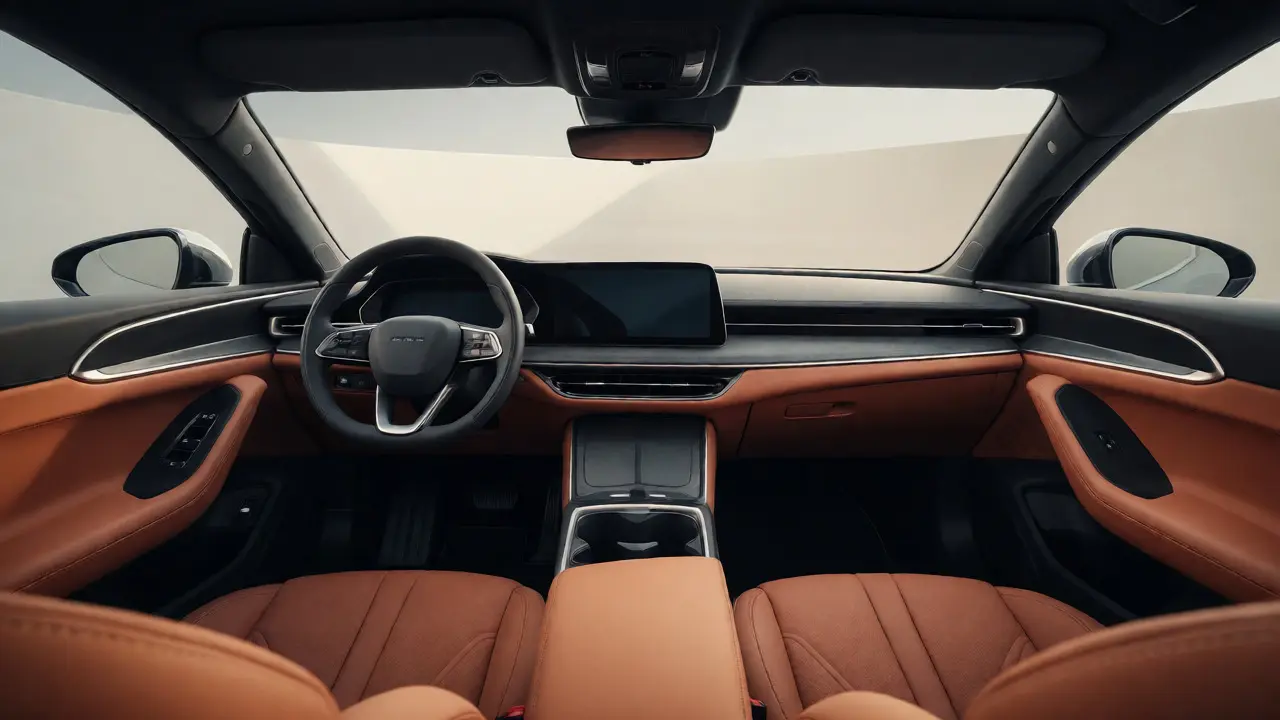
You spend more time looking at your dashboard than your engine. Yet, most drivers buy a car based on horsepower or fuel economy, ignoring the one thing they touch every day: the car cabin. It’s the space where you think, talk, and relax. If it feels cold, generic, or mismatched with your personality, that daily commute becomes a chore. But what if you could change it? Not just swapping floor mats, but rethinking the entire visual language of your vehicle’s inside.
Interior color customization is no longer reserved for luxury showrooms or million-dollar hypercars. With modern manufacturing techniques and aftermarket services, you can tailor your upholstery, trim, and accents to reflect who you are. Whether you want a cozy, warm vibe for family road trips or a sleek, high-contrast look for a sports coupe, the choices are vast. This guide breaks down how to navigate those choices without making expensive mistakes.
Why Your Interior Palette Matters More Than You Think
Color isn’t just decoration; it’s psychology. The colors surrounding you affect your mood, perception of space, and even how hot or cool the cabin feels. A dark interior absorbs light, creating a focused, intimate atmosphere often preferred in performance cars. A light interior reflects light, making a small compact car feel airy and spacious, though it requires more maintenance to keep clean.
Consider the difference between a standard black plastic dash and a two-tone leather setup with contrast stitching. The latter signals craftsmanship. It tells passengers that attention was paid to detail. When you customize your vehicle interior, you’re not just picking paint codes; you’re curating an experience. Are you driving for pleasure or utility? That question should drive your first decision.
Core Components: What Can You Actually Change?
Before you start dreaming up wild combinations, you need to know what parts of the car are customizable. While everything *can* be painted or wrapped, some elements offer better value and durability than others.
- Upholstery: This is the big one. Seats, door panels, and headliners. You can choose materials like genuine leather, vegan leather (often called NuSkin or similar synthetic alternatives), Alcantara, or cloth. Each material reacts differently to color. Leather shows grain and texture; Alcantara offers a matte, suede-like finish that hides fingerprints.
- Trim Pieces: Dashboard inserts, center console surrounds, and door handle accents. These are usually plastic or metal. They can be replaced with carbon fiber, wood veneer, brushed aluminum, or colored plastics. Swapping these is often cheaper than reupholstering seats.
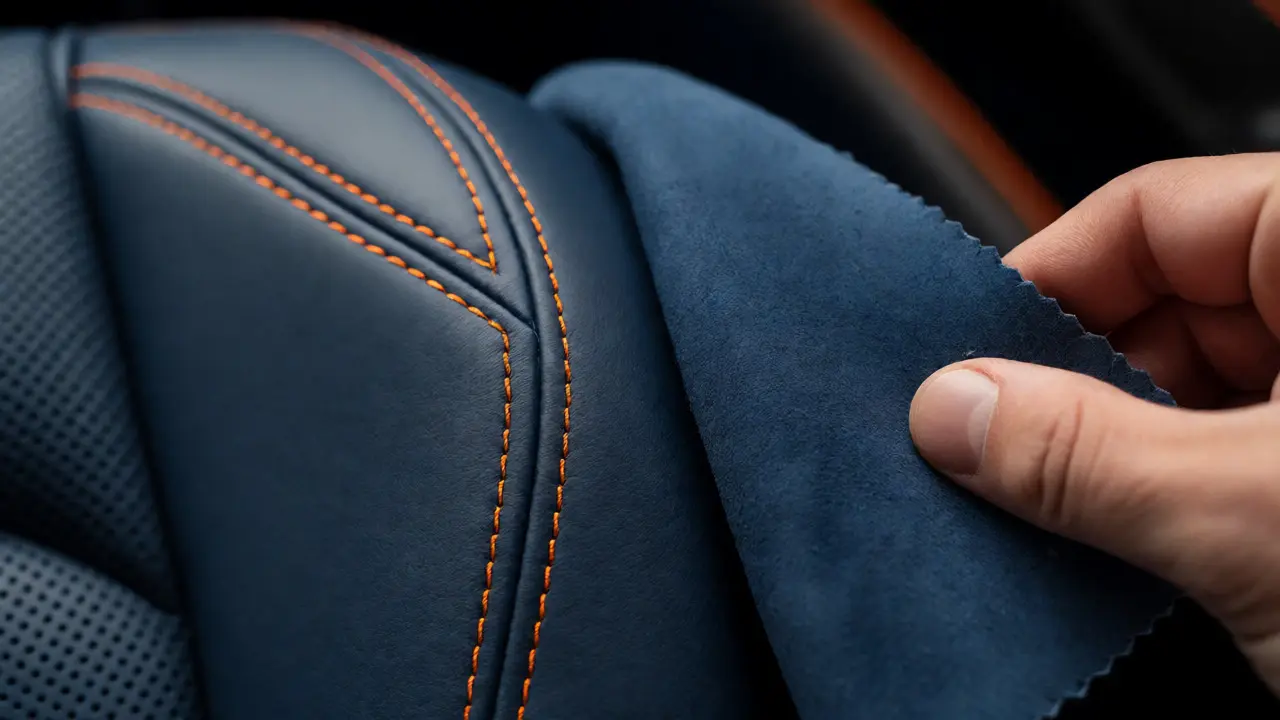
- Stitching and Thread: A subtle but powerful tool. Changing thread color from standard grey to bright orange or white creates immediate visual interest without changing the base fabric color.
- Carpet and Floor Mats: Often overlooked. Custom-cut carpet in a matching or contrasting color ties the whole room together.
When planning, prioritize the surfaces you touch most. Your hands rest on the steering wheel and gear shifter. Your eyes rest on the seats. Focus your budget there.
Material Choices and Their Impact on Color Perception
The same shade of blue looks different on glossy vinyl than it does on matte fabric. Understanding material properties helps you predict the final result. Here is a breakdown of common materials used in custom car interiors.
| Material | Color Vibrancy | Durability | Maintenance Level | Best For |
|---|---|---|---|---|
| Genuine Leather | High (if dyed well) | High (10+ years) | Medium (needs conditioning) | Luxury & Longevity |
| Vegan Leather | Very High | Medium (5-7 years) | Low (easy wipe-down) | Eco-conscious & Style |
| Alcantara/Suede | Matte/Low Shine | Medium | High (stains easily) | Sporty & Tactile Feel |
| Cloth/Fabric | Variable | Low-Medium | Medium (vacuum/shampoo) | Budget & Comfort |
Notice the trade-offs. If you choose a light beige Alcantara because it looks chic in photos, be prepared for coffee stains. If you want zero maintenance, stick to darker vegan leathers or treated cloths. There is no perfect material, only the right compromise for your lifestyle.
Design Principles: Creating a Cohesive Look
Randomly picking colors leads to chaos. Professional designers use specific rules to ensure harmony. You don’t need a degree to apply them.
Start with a 60-30-10 rule. This is a classic interior design principle adapted for cars. 1. **60% Dominant Color:** Usually the seats and large dash areas. This sets the tone. Neutral tones like black, grey, tan, or navy work best here because they don’t overwhelm. 2. **30% Secondary Color:** Door panels, lower dash, or seat accents. This supports the dominant color. It might be a slightly lighter or darker shade of the same hue, or a complementary neutral. 3. **10% Accent Color:** Stitching, belt lines, air vent rings, or pedal pads. This is where you go bold. Bright red, electric blue, or neon yellow. Because it’s a small area, it adds pop without causing eye strain.
Another key concept is contrast ratio. Low contrast (black on black) feels sophisticated and seamless. High contrast (white on black) feels sporty and aggressive. Decide which emotion you want before opening a color swatch book.
Practical Steps to Execute Your Customization
So, you have a vision. How do you make it happen? You have three main paths, each with different costs and risks.
- Factory Options: Many manufacturers now offer "build-to-order" programs. You select from predefined packages. Pros: Warranty coverage, resale value preservation. Cons: Limited palette, long wait times.
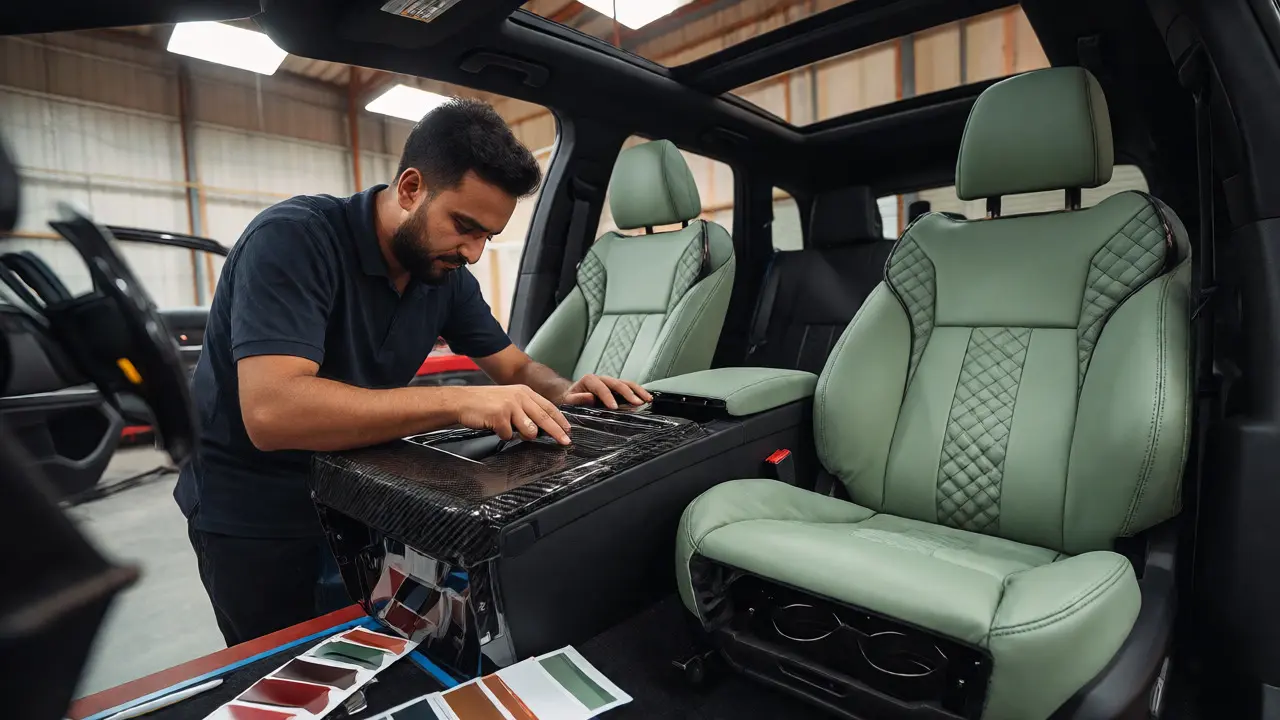
- Professional Upholstery Shop: You take your car to a specialist. They remove seats, re-cover them, and dye other parts. Pros: Unlimited creativity, high-quality finishes. Cons: Expensive ($1,500-$5,000+ depending on scope), risk of poor fitment if the shop is inexperienced.
- DIY Kits and Wraps: Vinyl wraps for trim, spray dyes for leather, and bolt-on accessories. Pros: Cheap, reversible. Cons: Hard to get professional results, visible seams, potential peeling over time.
If you go the professional route, ask to see physical samples of their previous work. Photos can be edited. Real leather under sunlight reveals true quality. Also, clarify if they handle the removal and installation of electronics within the seats (heated seats, side airbags). Mistakes here can disable safety features.
Pitfalls to Avoid in Interior Customization
Even seasoned enthusiasts make mistakes. Here are the most common ones.
Ignoring Lighting Conditions. A deep purple might look rich in a dim garage but muddy in direct sunlight. Always test swatches in the environment where you’ll drive. If you live in Arizona, dark colors will heat the cabin significantly compared to light colors.
Overdoing Accents. Too many accent colors create visual noise. Stick to one primary accent. If you have red stitching, don’t also add red pedals and red seatbelts unless you want a very specific, themed look.
Forgetting Resale Value. Personal taste doesn’t always match market taste. A neon green interior might delight you today but scare off buyers tomorrow. If you plan to sell the car in under five years, stick to safer, neutral palettes with subtle personal touches. If you’re keeping it forever, ignore this warning and go wild.
Material Mismatch. Don’t mix materials that wear at different rates. Pairing delicate suede with heavy-duty rubber floor mats can lead to uneven aging. Choose materials with similar lifespans for a cohesive look over time.
Trends in 2026: What’s Hot Right Now
As we move through 2026, certain trends dominate the customization scene. Sustainability is huge. Vegan leathers are no longer seen as "cheap" alternatives; they are premium products with unique textures and colors traditional leather can’t achieve. Earth tones-terracotta, sage green, sand-are replacing stark blacks and whites, reflecting a desire for calm and connection to nature.
Technology integration is another factor. As dashboards become larger screens, physical buttons decrease. This means the surrounding trim needs to be minimalist. Matte finishes are preferred over gloss because they reduce glare from digital displays. If you’re upgrading an older car, consider matte black or charcoal trim to modernize the look without replacing the entire dashboard.
Finally, monochromatic schemes are trending. Using different shades of a single color (e.g., dark grey seats, medium grey dash, light grey carpets) creates a sleek, unified appearance that feels expensive and intentional.
Does interior customization void my warranty?
It depends on how it’s done. Factory-installed options never void the warranty. Aftermarket modifications generally do not void the powertrain warranty, but they can void the warranty on the specific components modified (like the seats or dashboard) if the modification causes damage. Always check with your dealer and use certified installers to minimize risk.
How much does it cost to customize a car interior?
Costs vary widely. Simple changes like new floor mats and steering wheel covers might cost $100-$300. Reupholstering all four seats and door panels typically ranges from $1,500 to $4,000. A full cabin overhaul including dash wrap, headliner replacement, and custom trim can exceed $5,000-$10,000. DIY projects are cheaper but require time and skill.
What is the easiest way to change interior color without buying new seats?
Vinyl wrapping trim pieces and using seat covers are the easiest methods. For a more permanent but less invasive option, leather dye kits allow you to recolor existing leather seats. However, dyeing works best on light-to-dark transitions and requires careful preparation to avoid blotchiness.
Which interior color is hardest to keep clean?
Pure white and light beige are notoriously difficult to maintain. They show denim transfer, dirt, and spills immediately. Black is easier to hide dirt but shows dust and lint clearly. Mid-tones like grey, taupe, or dark brown offer the best balance between style and practicality.
Can I change the color of my dashboard?
Yes, but it’s complex. You can replace the dash top cover, wrap it in vinyl, or paint it with specialized automotive plastics paints. Painting requires disassembly and multiple coats for durability. Wrapping is reversible and easier for beginners, but heat from the sun can cause vinyl to lift over time if not applied perfectly.