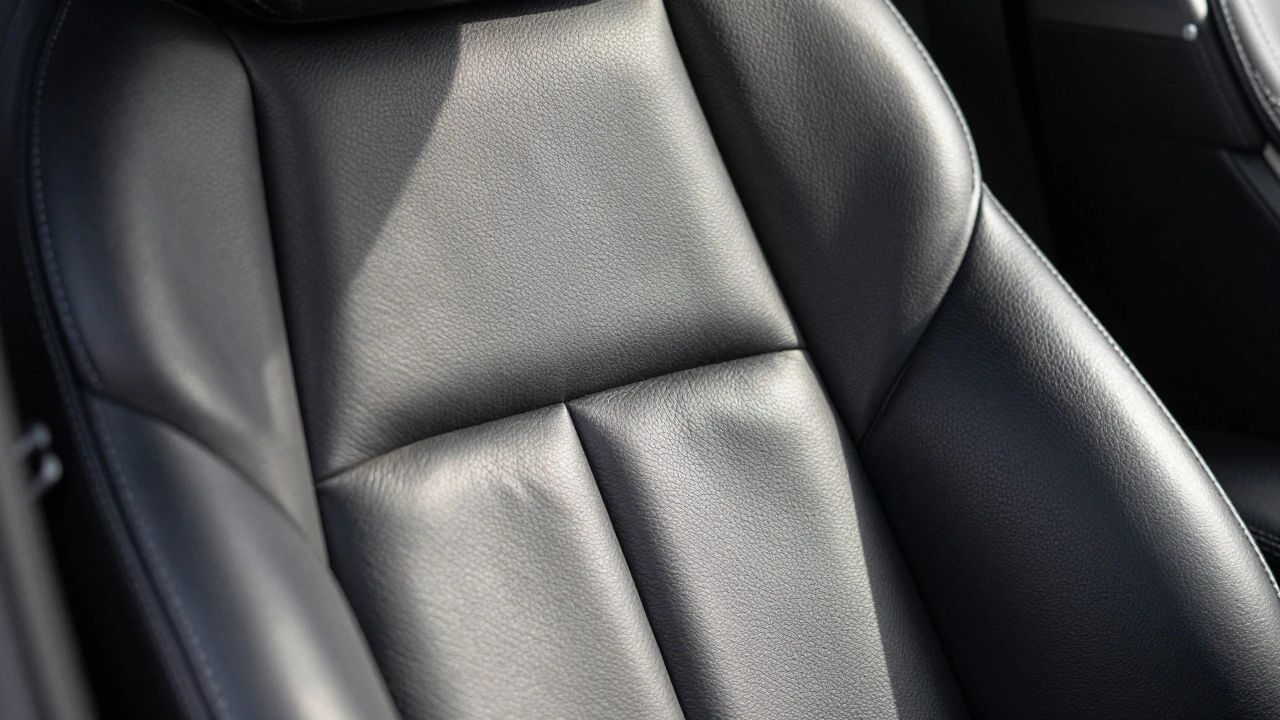
That smell of fresh leather in a new luxury car is intoxicating. But over time, the sun, your body oils, and general wear start to take their toll. You notice the seats feeling stiff, looking dull, or worse-starting to crack along the seams. Most people think they can just wipe it down with a household cleaner, but that’s actually one of the fastest ways to ruin expensive upholstery. Proper leather conditioning isn’t just about making things look shiny; it’s about preserving the structural integrity of the hide so your investment lasts.
Understanding Your Car's Leather
Before you buy any bottle, you need to know what you are working on. Modern premium cars almost exclusively use coated leather. This means the natural hide has been treated with a protective top layer, often containing pigments and clear coats, similar to paint. This coating makes the leather durable and stain-resistant, but it also changes how you care for it.
You don't want heavy penetrating oils like neatsfoot oil, which are used for raw furniture leather. Those will sit on top of your car's coated leather, potentially clogging pores (if it's perforated) or creating a greasy mess that attracts dust. Instead, you need water-based emulsions. These formulas clean the surface while depositing light conditioners like lanolin, beeswax, or synthetic polymers that keep the finish flexible without soaking into the hide itself. Understanding this distinction saves you from buying products designed for cowboy boots when you need something for a Mercedes steering wheel.
Choosing the Right Product Type
The market is flooded with options, but they generally fall into three buckets. Knowing which one fits your lifestyle is key to actually sticking with a maintenance routine.
| Product Type | Best For | Pros | Cons |
|---|---|---|---|
| 3-in-1 Cleaner & Conditioner | Busy owners, routine maintenance | Saves time, cleans and conditions in one step, widely available | May not remove deep stains, less control over finish |
| Dedicated Conditioner | Enthusiasts, neglected interiors | Deeper nourishment, customizable finish, professional results | Requires separate cleaning step, more time-consuming |
| Pre-moistened Wipes | Quick touch-ups, travel kits | Extremely convenient, no tools needed, low mess | Less effective on dirt, higher cost per use, potential residue |
If you want simplicity, hybrid products like Weiman Leather 3-in-1 is a popular all-in-one solution that cleans, conditions, and protects in a single application. It’s great for monthly upkeep. If you have an older car with dried-out seats, a dedicated conditioner like Jay Leno’s Garage Leather Conditioner is a premium moisturizing crème designed to revitalize even neglected surfaces. offers a richer treatment. For those who just want to grab something before heading out, wipes like Armor All Interior Leather Care Wipes offer speed, though they lack the depth of liquid applications.
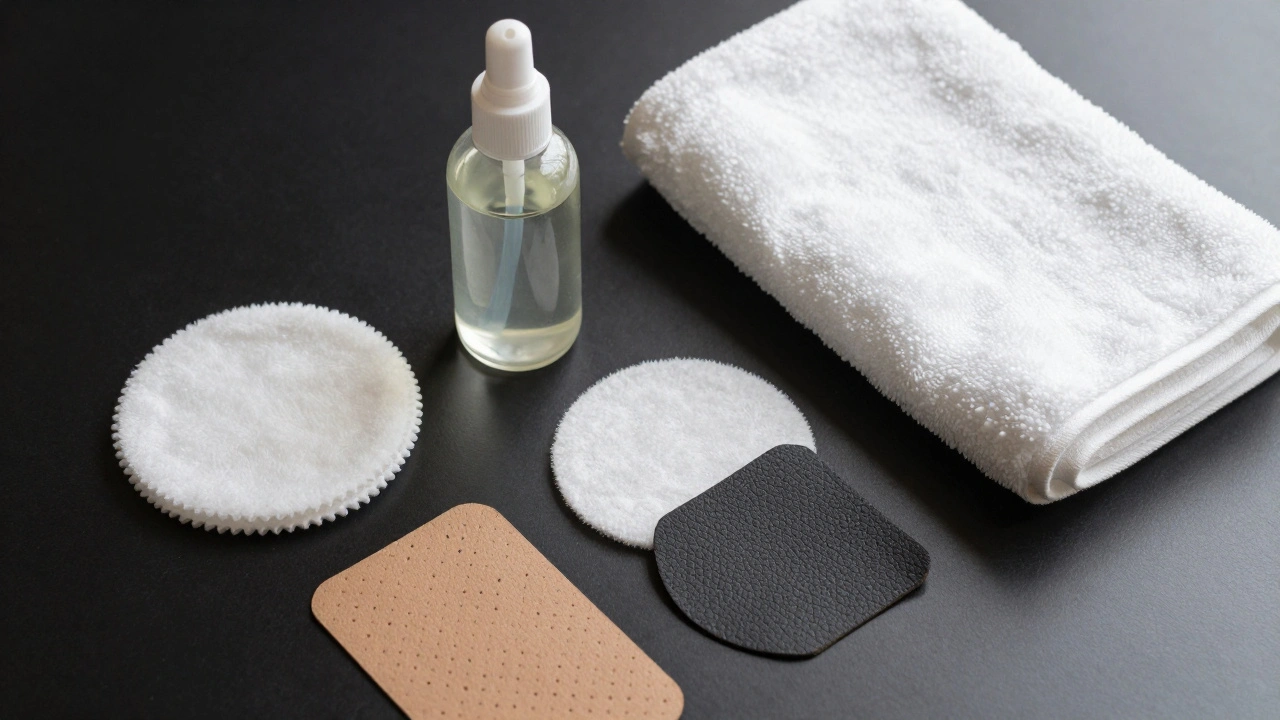
The Step-by-Step Conditioning Process
Applying conditioner isn't as simple as spraying and walking away. Doing it wrong can leave streaks, make steering wheels slippery, or clog perforations. Here is the reliable method used by detailers:
- Vacuum thoroughly: Start by removing all loose dirt and debris from the seats and crevices. If you skip this, you'll grind grit into the leather during the next steps.
- Clean first: Unless you are using a 3-in-1 product, apply a pH-balanced leather cleaner to a microfiber towel. Wipe down the surfaces to remove body oils, sweat, and dust. Let it dry completely.
- Apply sparingly: Put a small amount of conditioner on a soft microfiber applicator pad. Remember, a little goes a long way. Too much product will leave a sticky residue.
- Work it in: Rub the conditioner into the leather using light pressure and overlapping passes. Pay extra attention to high-wear areas like seat bolsters and headrests. Avoid oversaturating perforated sections; let the excess drip off rather than forcing it through the holes.
- Buff to finish: After letting the product dwell for a few minutes (check the bottle instructions), use a clean, dry microfiber towel to buff off any excess. This ensures a natural, non-greasy finish.
Notice that I said "natural finish." In the world of premium interiors, high gloss is usually a bad sign. It looks cheap and can reduce grip on steering wheels. Brands like Ethos and Dr. Beasley’s specifically market their products for delivering a matte or satin look that mimics the original factory appearance.
Frequency and Maintenance Schedule
How often should you do this? For most drivers living in moderate climates, conditioning two to three times a year is sufficient. However, if you live in a place with intense summer sun, like Arizona or Southern California, where interior temperatures can exceed 60°C (140°F), you might need to condition more frequently to combat UV damage and drying heat.
Think of it like skincare. You wash your face daily, but you only apply a heavy moisturizer occasionally. Similarly, you should vacuum and spot-clean your car interior regularly, but reserve the full conditioning treatment for seasonal changes. Spring is a great time to refresh leather after winter wear, and early fall helps prepare it for summer UV exposure.
Common Mistakes to Avoid
I see these errors constantly, and they’re easy to fix once you know what to look out for:
- Using household cleaners: Never use bleach, ammonia, or generic multi-surface sprays. They strip the protective coating and accelerate cracking.
- Over-applying product: More is not better. Excess conditioner attracts dust, feels tacky, and can seep into stitching, causing discoloration.
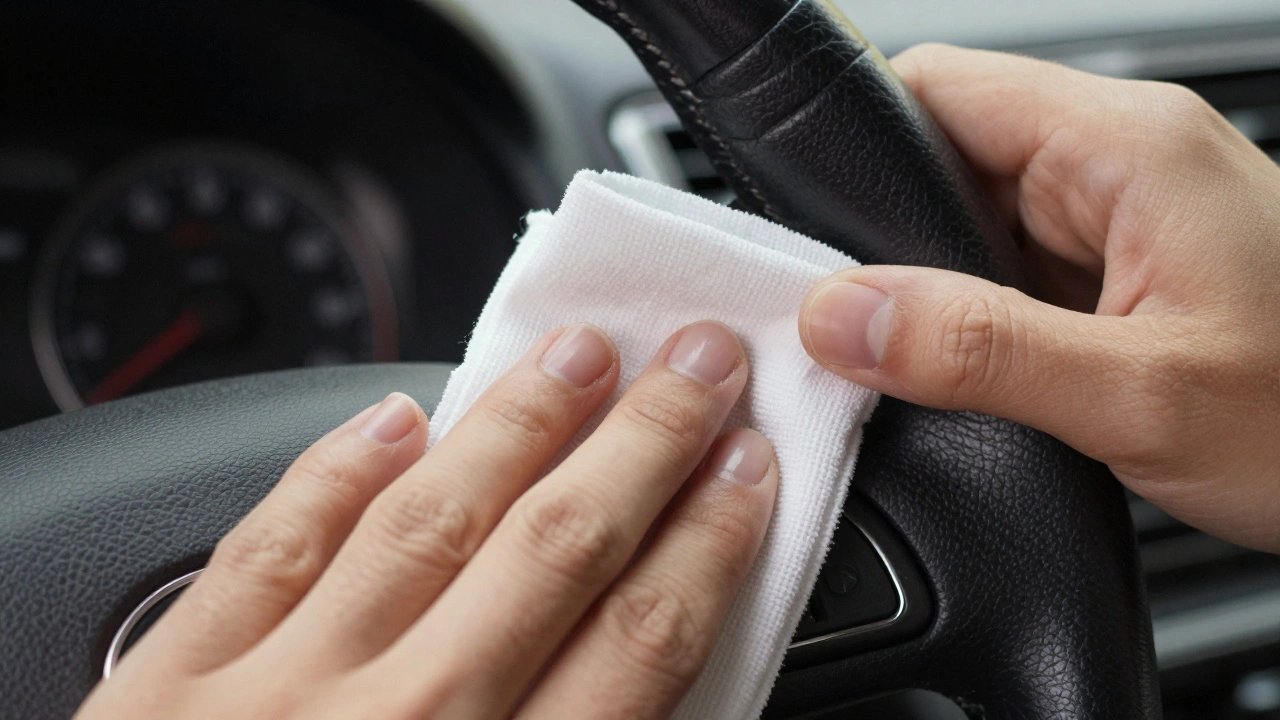
- Ignoring the dashboard: While we focus on seats, leather-wrapped dashboards and steering wheels need care too. Just be careful with steering wheels; ensure the product dries completely to maintain grip safety.
- Expecting miracles: Conditioners restore suppleness and prevent future damage, but they cannot repair deep cracks or re-dye faded leather. If your leather is already splitting, you need professional restoration, not just a conditioner.
Why Specific Ingredients Matter
When reading labels, look for ingredients that benefit coated leather. Lanolin and beeswax are excellent because they provide flexibility and a protective barrier without being overly oily. Vitamin E is often added for its antioxidant properties, helping to fight oxidation caused by UV rays. Avoid products with high silicone content if you want a realistic feel; silicones can create a slick, artificial slide that wears off quickly and leaves a white haze.
Products like The Pro Stuff Ultimate Leather Conditioner emphasize UV resistance, which is critical for dark interiors that absorb heat and light. By choosing a formula engineered specifically for automotive environments, you get protection against the unique stresses of driving-heat cycles, vibration, and constant human contact-that household leather creams simply aren't built to handle.
Can I use furniture leather conditioner on my car?
It is generally not recommended. Furniture leather conditioners are often oil-heavy and designed for uncoated, porous hides. Automotive leather is usually coated with a protective finish. Heavy oils can sit on top of this coating, creating a greasy residue that attracts dust and may degrade the finish over time. Stick to products labeled specifically for automotive use.
How do I condition perforated leather seats?
Be very gentle with perforated leather. Apply conditioner to a microfiber cloth rather than directly to the seat. Wipe the surface lightly, avoiding excessive pressure that could force product into the ventilation holes. Buff thoroughly with a dry towel to ensure no residue remains in the perforations, which could block airflow or cause staining.
Will leather conditioner make my steering wheel slippery?
If applied correctly, no. The key is to use a small amount and buff off all excess until the surface feels dry and natural. If the wheel feels slick, you have used too much product. Use a clean microfiber towel to buff it again until the grip returns. Always test on a small area first.
How often should I condition my car's leather?
For most vehicles, conditioning two to three times a year is sufficient. However, if you live in a hot climate with intense sun exposure, or if you drive your car daily in harsh conditions, you may need to condition every three to four months to maintain suppleness and UV protection.
Can conditioner fix cracked leather?
No, conditioner cannot repair existing cracks or tears. It works by replenishing oils and preventing further drying. If your leather is already cracked, conditioner will help keep the surrounding area supple, but you will need professional leather repair services to fill and dye the damaged areas.