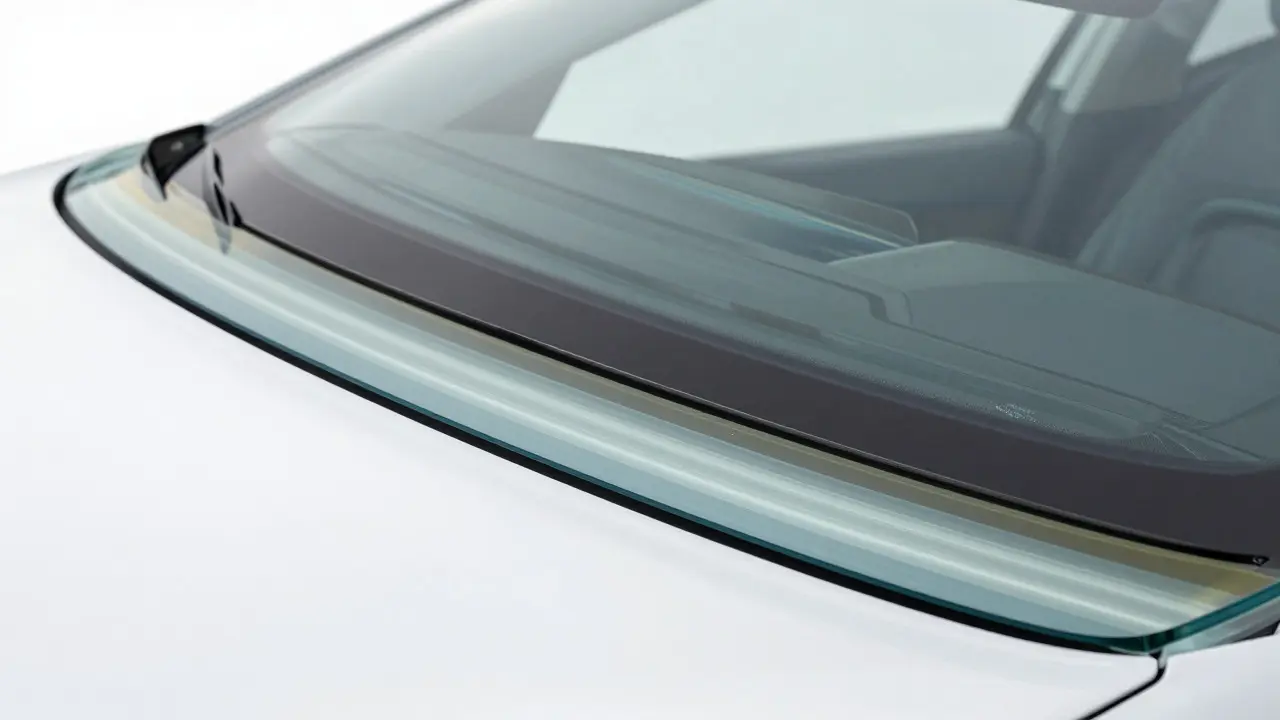
Walking into a high-end dealership or pulling up to a luxury service center, you notice the silence. It’s not just the leather seats or the quiet engine; it’s the way the outside world fades away. That hush is largely thanks to Luxury Car Glass is a specialized automotive glazing component engineered for superior noise reduction, thermal insulation, and advanced driver assistance integration. Unlike standard vehicle windows, these panels are built with multi-layered composites and precise chemical treatments that define the driving experience of premium vehicles like Mercedes-Benz, BMW, and Audi.
If you’re replacing a shattered windshield or upgrading an older luxury model, knowing what makes this glass "premium" can save you thousands in repair costs and ensure your vehicle retains its factory feel. You aren't just buying clear plastic; you're investing in safety technology, acoustics, and structural integrity. Here is what actually goes into making luxury glass different from the rest.
Key Takeaways
- Luxury Car Glass typically features dual-laminated interlayers that cut wind noise by up to 40% compared to single-layer standard glass.
- Most modern luxury sedans use acoustic laminated windshields as standard equipment, while base models often use tempered side glass only.
- Heads-Up Display (HUD) compatibility requires specific curvature and optical clarity standards that generic aftermarket glass often fails to meet.
- OEM (Original Equipment Manufacturer) glass includes pre-applied adhesive strips and sensor calibration markers, reducing installation time and error rates.
- Thermal efficiency in luxury glass helps maintain cabin climate control, potentially lowering HVAC energy consumption by 15-20% in extreme temperatures.
The Anatomy of Premium Glazing
To understand why this glass costs more, you have to look at the layers. Standard automotive glass is usually two pieces of soda-lime glass bonded together with a thin layer of polyvinyl butyral (PVB). In luxury applications, manufacturers often use a thicker PVB layer or switch to ethylene-vinyl acetate (EVA), which offers better optical clarity and impact resistance.
The core difference lies in the acoustic damping. Premium brands like Saint-Gobain Sekurit and AGC Automotive integrate a viscoelastic material between the glass plies. This material absorbs sound waves before they reach your ears. For example, a typical highway drive at 70 mph generates significant aerodynamic noise. Acoustic glass disrupts the frequency range where tire and wind roar is most annoying, creating that signature "library silence" associated with executive cars.
Additionally, the edges of luxury glass are polished to a finer tolerance. This isn't just aesthetic; it ensures a perfect seal with the rubber gaskets used in door frames. A slight mismatch in edge thickness can lead to water leaks or squeaking noises over time, issues rarely seen in properly installed OEM units.
Acoustic Performance and Noise Reduction
Sound quality is the first thing you notice when sitting in a new luxury vehicle. The decibel level inside the cabin is a key metric for engineers. While a standard sedan might allow 68-70 dB of interior noise at cruising speed, a top-tier luxury sedan aims for under 62 dB. How do they achieve this? Through mass-loaded lamination.
The added weight of the second interlayer increases the Sound Transmission Loss (STL). Think of it like wearing heavy headphones; the mass blocks the vibration. However, it’s not just about weight. The viscosity of the bonding layer matters. If the layer is too stiff, it transmits high-frequency sounds. If it’s too soft, it doesn’t dampen low-frequency road hum effectively. Manufacturers tune this balance specifically for each vehicle model based on its chassis rigidity and suspension setup.
For owners considering upgrades, adding acoustic film to existing glass can help, but it rarely matches the performance of factory-installed laminated glass. The film adds weight and may affect window regulator longevity if not applied correctly. Factory glass integrates the acoustic properties into the structure itself, offering a cleaner solution without extra bulk.
Advanced Driver Assistance System (ADAS) Integration
Modern luxury cars are rolling computers, and the windshield is their primary eye. This is where ADAS Calibration is the process of aligning camera and radar sensors mounted behind the windshield to ensure accurate object detection and lane keeping. Many luxury vehicles mount the forward-facing camera directly behind the upper corner of the windshield. This placement provides an unobstructed view of the road ahead, protected from rain and debris by the wiper system.
When replacing this glass, you cannot just swap in any clear panel. The new glass must have specific etched markings or fiducial points that tell the camera where the horizon line is. Without these markers, the camera might misjudge distances, causing the Adaptive Cruise Control to brake unnecessarily or fail to detect a stopped car. Most OEM suppliers include these calibration targets during the manufacturing process, ensuring the sensor sees exactly what the engineer intended.
Furthermore, some luxury models feature rain-sensing wipers integrated into the rearview mirror assembly, which relies on infrared sensors embedded in the glass. If you replace the windshield with a non-OEM unit that lacks these sensor pockets, your automatic wipers will stop working until you recalibrate or replace the sensor module. Always check for sensor compatibility before purchasing replacement glass.
Heads-Up Display (HUD) Compatibility
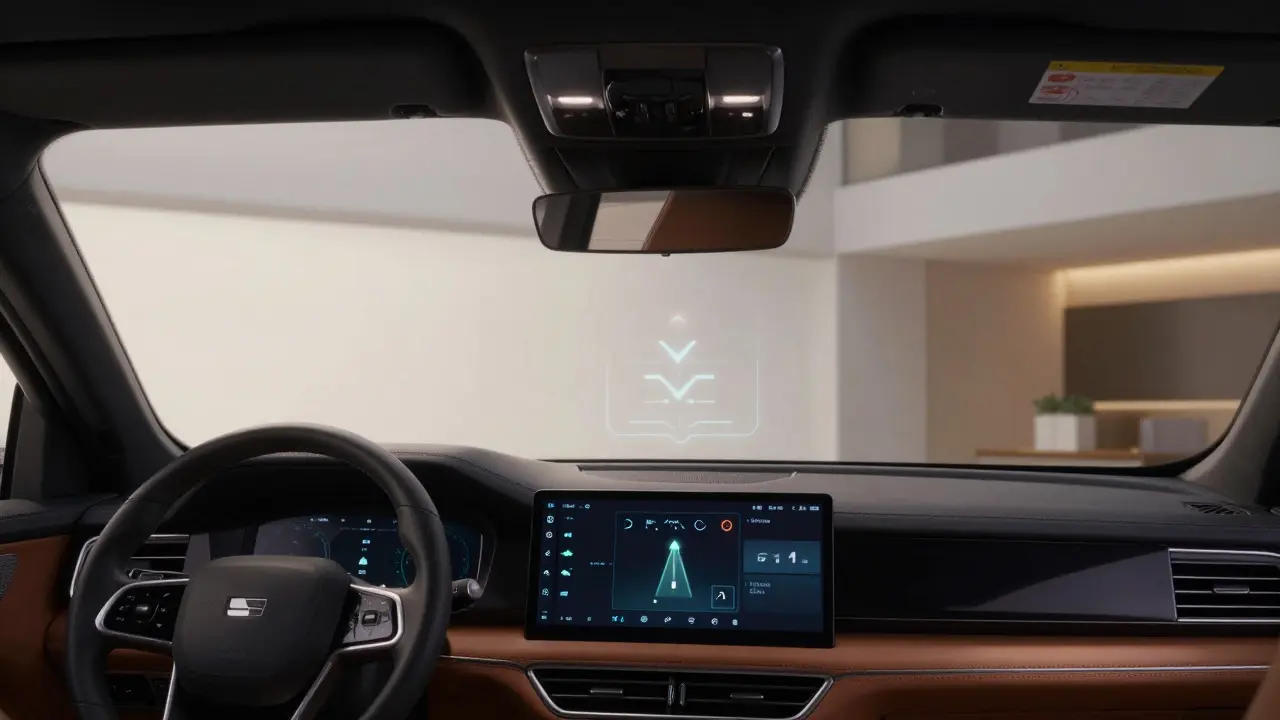
One of the most distinct features of high-end luxury cars is the Heads-Up Display. This projects speed, navigation arrows, and warning lights onto the lower portion of the windshield, allowing drivers to keep their eyes on the road. For this to work, the glass must be optically perfect.
Standard glass has slight variations in thickness across its surface, which causes refraction errors. In a HUD system, even a millimeter of thickness variance can blur the projected image. Therefore, HUD-compatible glass is manufactured with extremely tight thickness tolerances, often within +/- 0.1mm. It also uses a special low-iron glass formulation to reduce green tint, which would otherwise distort the color accuracy of the projected graphics.
If you own a car with a HUD and need a windshield replacement, using a non-HUD rated glass is a common mistake. The projection might appear double, faded, or completely invisible. When sourcing replacements, always verify that the part number specifies "HUD compatible" or "Optical Grade." This specification ensures the glass meets the refractive index requirements set by the vehicle manufacturer.
Thermal Insulation and UV Protection
Beyond sound and sight, luxury glass manages temperature. High-quality laminated glass includes a solar control coating that reflects infrared radiation. This helps keep the cabin cooler in summer and warmer in winter. In a city like Portland, Oregon, where weather shifts rapidly, this thermal buffering means your air conditioning doesn’t have to work as hard to cool down a hot dashboard.
UV protection is another critical attribute. Prolonged exposure to ultraviolet light fades leather seats, cracks dashboards, and degrades interior plastics. Premium glass blocks over 99% of UV rays, preserving the value of your interior materials. While standard glass offers some UV blocking, the specialized coatings in luxury units provide consistent protection across the entire visible spectrum, preventing color shift in expensive upholstery fabrics.
| Attribute | Standard Vehicle Glass | Luxury Car Glass |
|---|---|---|
| Interlayer Type | Single PVB layer | Dual PVB/EVA with acoustic damping |
| Noise Reduction | Baseline (0 dB reduction) | 3-6 dB reduction at highway speeds |
| UV Blocking | ~70% | >99% |
| Thickness Tolerance | +/- 0.5mm | +/- 0.1mm (for HUD compatibility) |
| Sensor Integration | Rarely included | Pre-drilled holes and etched calibration marks |
| Cost Factor | $150 - $300 | $500 - $1,200+ |
OEM vs. Aftermarket: What’s the Difference?
When shopping for replacement glass, you’ll see two main options: Original Equipment Manufacturer (OEM) and Aftermarket. OEM glass is produced by the same supplier that made the glass for your car’s initial production line. Brands like Pilkington, AGC, and Fuyao supply major automakers directly. These panels come with the exact same shape, curvature, and pre-applied components as the original.
Aftermarket glass is made by third-party manufacturers who reverse-engineer the design. While many aftermarket options are high quality, there are risks. The fitment might be slightly off, requiring additional trimming of the rubber seals. More importantly, aftermarket glass often lacks the integrated sensor mounts and calibration markers mentioned earlier. You might end up paying for separate bracket installations or facing calibration issues that require a visit back to the dealer.
For luxury vehicles, the risk-reward ratio favors OEM or certified OE-equivalent glass. The cost difference is real, but the potential hassle of sensor misalignment or poor acoustic sealing can outweigh the savings. Look for certifications from organizations like AISG (Auto Glass Safety Council) to ensure the aftermarket option meets industry standards for strength and clarity.
Maintenance and Longevity Tips
Even the best glass needs care to maintain its premium feel. First, avoid using harsh ammonia-based cleaners on windshields with HUDs or rain sensors. Ammonia can degrade the anti-glare coatings and interfere with infrared sensors. Stick to pH-neutral glass cleaners designed for automotive use.
Second, inspect the perimeter seals regularly. Over time, the urethane adhesive bond between the glass and the metal frame can weaken due to temperature cycling. If you notice water pooling in the footwell or a whistling noise at high speeds, it’s time for a professional inspection. Re-bonding the glass is cheaper than replacing it, but catching the issue early prevents rust on the roof rail.
Finally, protect the glass from stone chips. Luxury cars often have higher ground clearance or are driven on highways where debris is common. Applying a protective film to the windshield can prevent minor chips from becoming cracks. While this adds cost, it preserves the optical integrity of the panel, which is crucial for ADAS systems that rely on clear visibility.
Frequently Asked Questions
Is luxury car glass significantly heavier than standard glass?
Yes, due to the additional acoustic interlayers, luxury laminated glass can be 10-15% heavier than standard tempered side glass. However, the weight difference between a standard laminated windshield and a luxury one is minimal, usually less than 2 pounds per panel. This extra weight is negligible for the vehicle's suspension and fuel economy.
Can I install aftermarket glass on a car with a Heads-Up Display?
It is possible, but risky. The aftermarket glass must be explicitly labeled as "HUD compatible" with correct thickness tolerances. If the glass has uneven thickness, the projection will blur or disappear. Always verify the part number against your vehicle's VIN to ensure optical compatibility before installation.
How long does ADAS calibration take after windshield replacement?
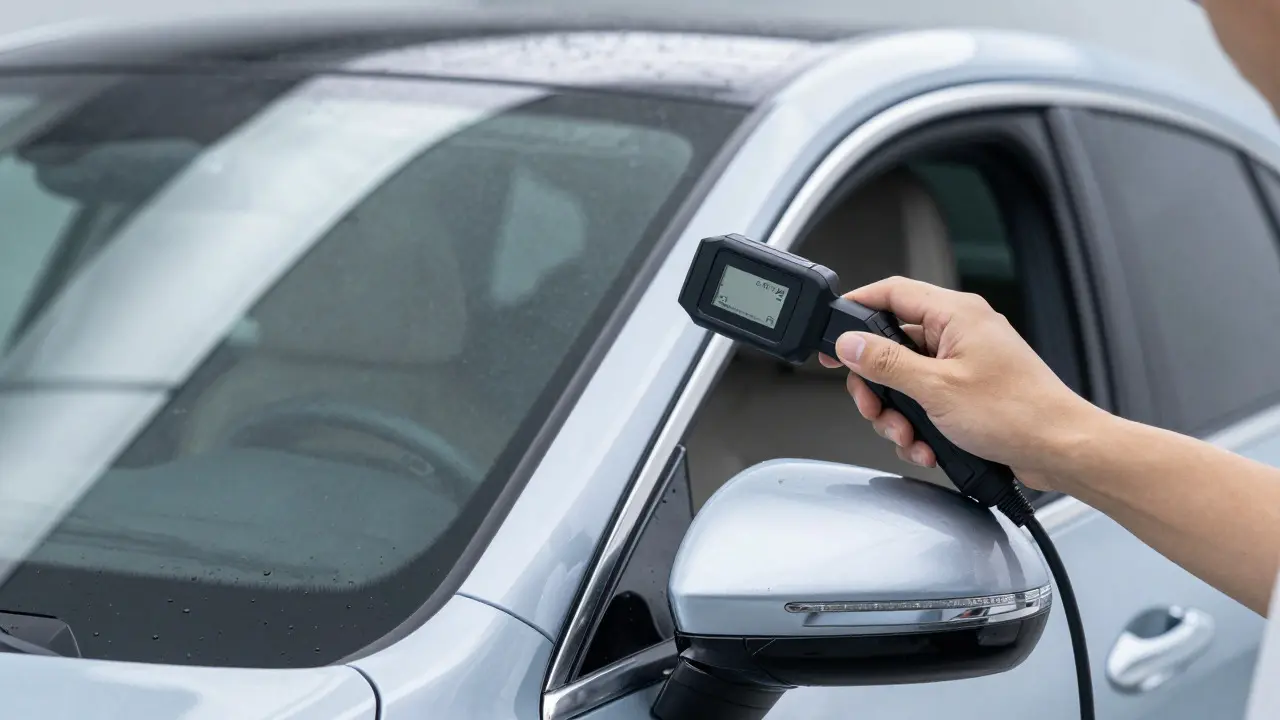
Static calibration, done in a shop using a target board, takes about 30 minutes. Dynamic calibration, which involves driving the car on a straight road, can take 15-20 minutes of actual driving time. Most technicians perform both to ensure accuracy. If you skip calibration, your lane departure warnings may become unreliable.
Does acoustic glass block all outside noise?
No, no glass blocks all noise. Acoustic laminated glass primarily reduces mid-to-high frequency sounds like wind rush and tire hum. Low-frequency engine noise or loud construction sounds nearby will still penetrate, though somewhat muffled. The goal is comfort, not total silence.
What is the lifespan of a luxury car windshield?
With proper care, a luxury windshield can last the life of the vehicle, often 10-15 years or more. However, the adhesive bond degrades over time due to heat cycles. Regular inspections every 2-3 years can identify weakening bonds before they cause leaks or detachment during a collision.