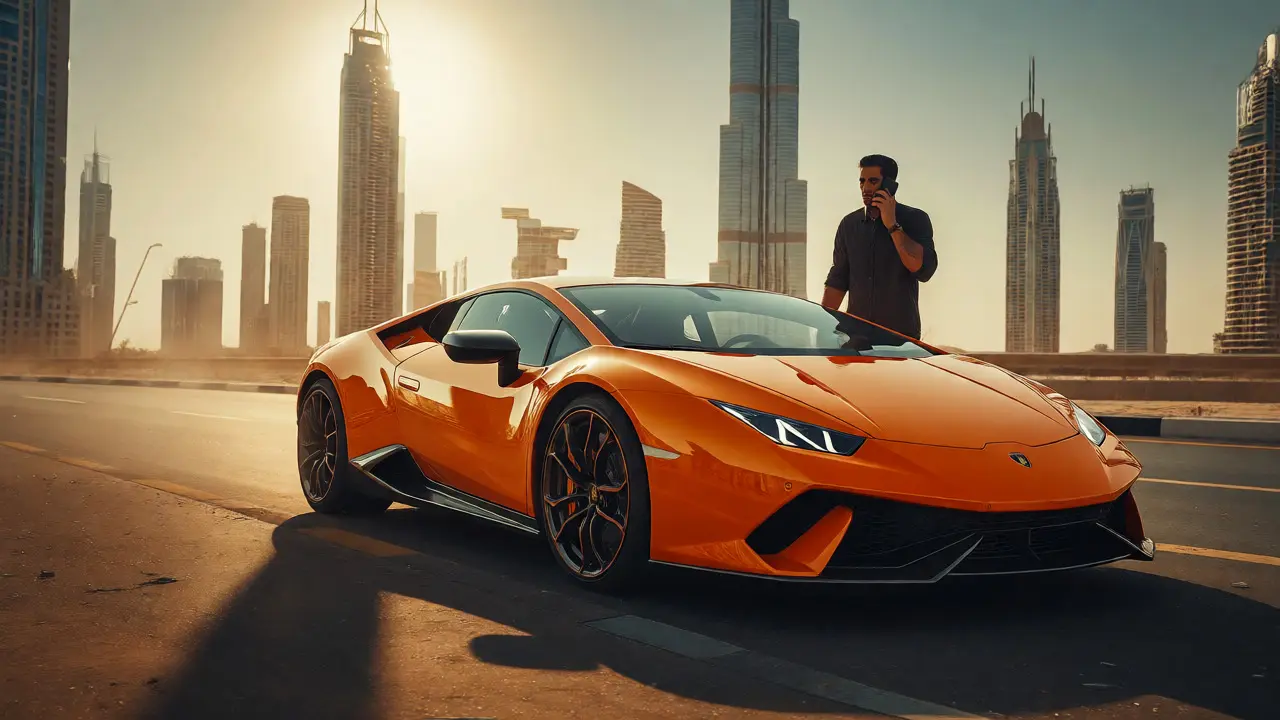
Imagine you are driving your Lamborghini Huracán down Sheikh Zayed Road at 2 PM on a scorching July afternoon. The AC is blasting, the leather seats are cool, and then-silence. The engine cuts out. You pull over, heart pounding, not just because of the breakdown, but because you know standard tow trucks are a nightmare for low-clearance supercars. In Dubai, where the average car value is significantly higher than in most global cities, Luxury Car Recovery is not just a service; it is a specialized logistics operation designed to protect assets worth hundreds of thousands of dollars.
If you own a Porsche, Ferrari, Bentley, or even a high-spec Mercedes G-Wagon, you cannot rely on generic roadside assistance. Standard wheel-lift tow trucks can scrape expensive underbodies, damage suspension components, or leave tire marks on pristine rims. This guide breaks down exactly how specialized transport works in Dubai, what to expect from providers, and how to ensure your vehicle arrives at the workshop without a scratch.
Why Standard Towing Fails Luxury Vehicles
Dubai’s roads are built for speed, but they are also unforgiving. Potholes, sharp curbs, and high-speed debris are common hazards. When a luxury car breaks down, the primary concern isn’t just moving it-it’s preserving its structural integrity. Most supercars feature active aerodynamics, carbon fiber splitters, and extremely low ground clearance. A traditional hook-and-chain or wheel-lift method risks dragging these delicate parts across asphalt.
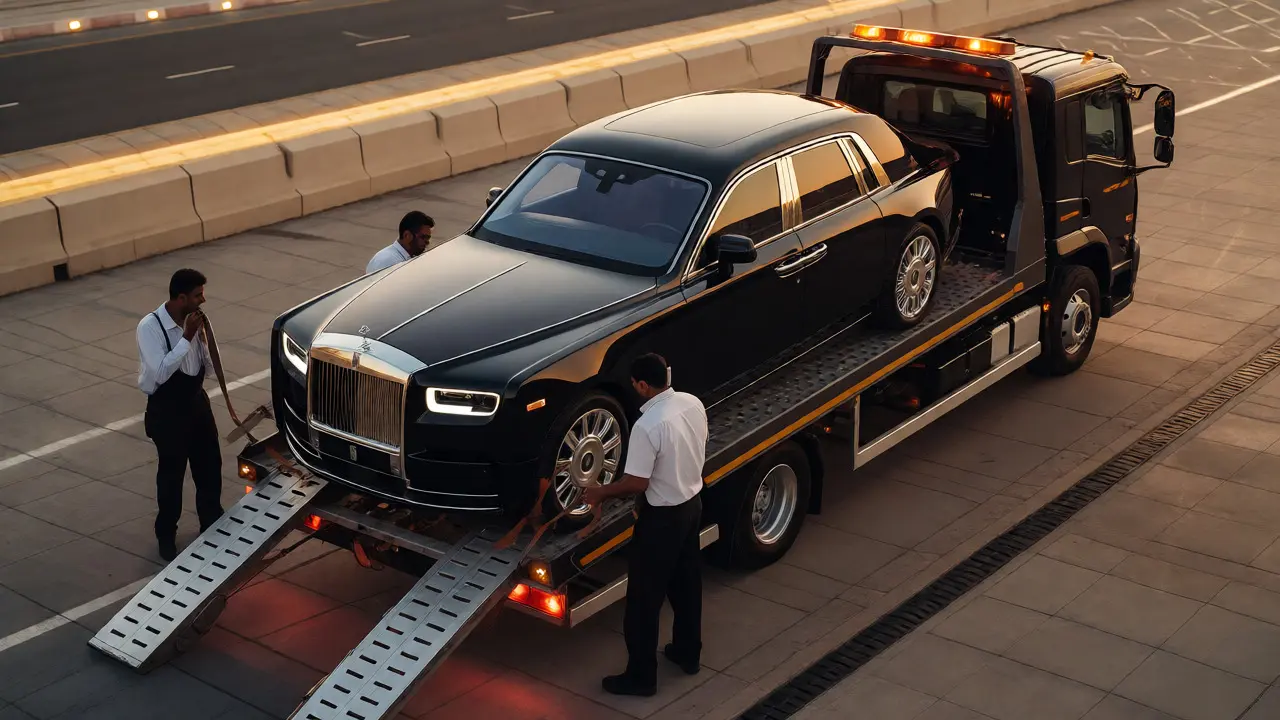
Furthermore, many modern luxury vehicles have all-wheel-drive systems that prohibit being towed with wheels on the ground. Doing so can destroy the transmission or transfer case, turning a minor electrical fault into a $10,000 repair bill. This is why Flatbed Recovery is the industry standard for high-end cars in the UAE. It lifts the entire vehicle onto a hydraulic platform, ensuring zero contact between the tires and the road surface during transit.
The Role of Flatbed Trucks in Dubai’s Exotic Scene
Not all flatbeds are created equal. In Dubai, specialized providers use air-ride suspension trucks. Why does this matter? Because Dubai’s highways involve long stretches of smooth tarmac followed by rougher industrial zones near workshops. Air-ride systems absorb shocks, preventing vibrations from loosening bolts or damaging sensitive electronics in cars like the Rolls-Royce Phantom or Bugatti Chiron.
Another critical factor is ramp angle. Supercars often have front lips that extend several inches below the bumper. If the loading ramp is too steep, you will scrape the splitter before the car is even on the bed. Professional operators use extended, low-angle ramps specifically designed for this purpose. Some top-tier services even offer "winch-free" loading using hydraulic tilting beds, which eliminates the risk of winch cables slipping and scratching paintwork-a common complaint among owners of matte-finish vehicles.
Choosing the Right Service Provider
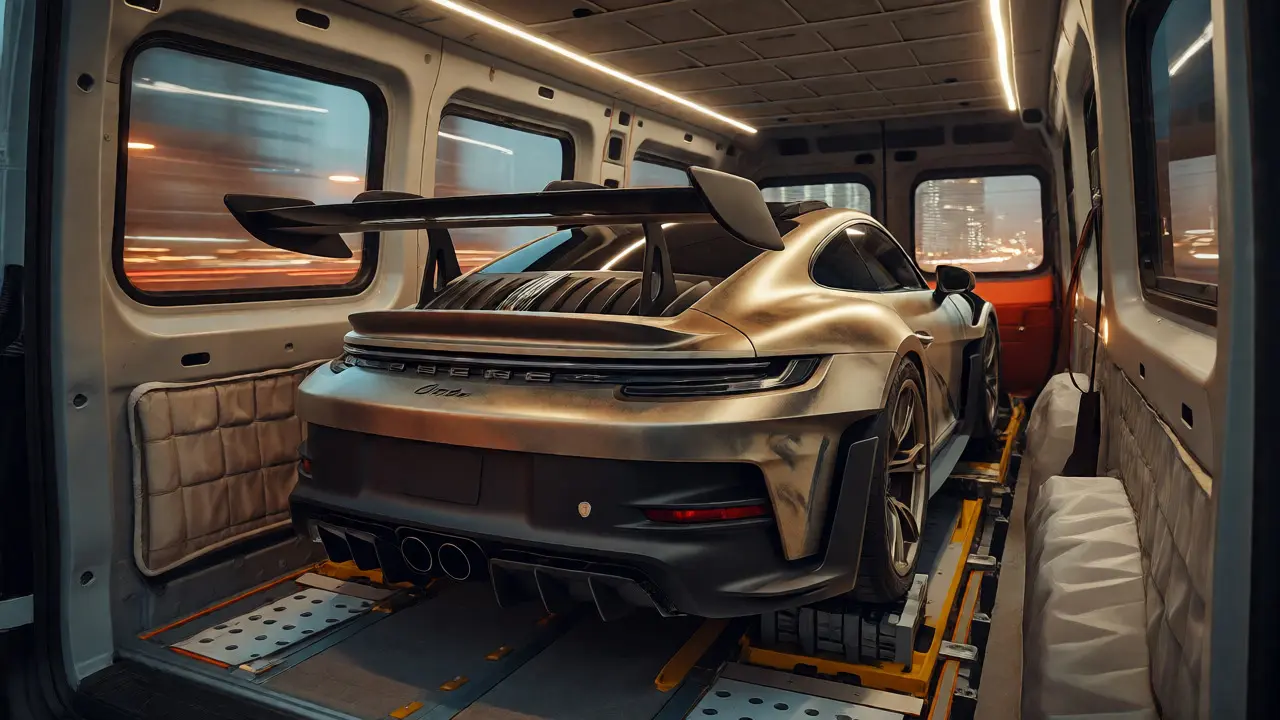
Dubai has hundreds of towing companies, but only a fraction specialize in luxury recovery. How do you filter them? Look for specific indicators of expertise. First, check their fleet. Do they have enclosed transporters? While open flatbeds are fine for short distances within city limits, enclosed carriers are essential if you are transporting a car from Abu Dhabi to Dubai or shipping internationally via Jebel Ali Port. Enclosed units protect against sandstorms, UV exposure, and flying gravel.
Second, ask about insurance coverage. Standard commercial auto insurance might cover the tow, but does it cover the vehicle while in transit? Reputable luxury recovery firms carry specialized cargo liability policies. They should be able to provide proof of insurance upon request. If a company hesitates to show you their policy details, walk away. Your asset deserves more than a verbal promise.
| Service Type | Best For | Risk Factor | Average Cost (AED) |
|---|---|---|---|
| Standard Wheel-Lift | Sedans, SUVs with high clearance | High (Suspension/Diff damage) | 150 - 300 |
| Basic Flatbed | Coupes, Sports Cars | Medium (Ramp scraping) | 350 - 600 |
| Specialized Luxury Flatbed | Supercars, Low-clearance EVs | Low (Air-ride, extended ramps) | 800 - 1,500 |
| Enclosed Transport | Long-distance, Classic Cars | Minimal (Weather protection) | 1,500+ |
Cost Expectations and Hidden Fees
Pricing in Dubai varies wildly based on location and time. A breakdown on the E11 highway during peak traffic hours costs more than one in a quiet residential area in Jumeirah. Generally, you can expect to pay between 800 and 1,500 AED ($220 - $400) for a specialized luxury recovery within Dubai city limits. If you need transport to another emirate, such as Sharjah or Abu Dhabi, prices can jump to 2,000-3,500 AED depending on distance.
Beware of hidden fees. Some operators quote a base rate but charge extra for:
- Winching: If your car is stuck in sand or off-road, winching adds significant cost.
- Night Operations: Breakdowns after 10 PM often incur a surcharge.
- Waiting Time: If you take longer than 15 minutes to secure valuables or sign paperwork, some companies charge per minute.
- Environmental Surcharges: Rare, but some areas have restricted access fees.
Always ask for an all-inclusive quote before dispatch. A transparent provider will give you a fixed price or a clear cap. Remember, cheap options often cut corners on equipment quality. Saving 200 AED on a tow might cost you 5,000 AED in body shop repairs later.
Preparation Checklist Before the Tow Arrives
Your role doesn’t end when you call for help. Proper preparation ensures a smooth handover. First, document the car’s condition. Take photos of every angle, focusing on existing scratches, rim damage, or interior wear. This protects you if disputes arise later. Second, remove personal items. GPS devices, sunglasses, and loose change can become projectiles during loading. Third, inform the driver of any special features. Does your car have a lift system? Is it in neutral? Can it roll freely?
If your car is an electric vehicle (EV), like a Tesla Model S Plaid or Rimac Nevera, communicate this clearly. Many EVs have regenerative braking systems that lock the wheels when powered off. The driver needs to know if they need to put the car in "Tow Mode" or use dollies for the rear wheels. Miscommunication here can lead to immediate drivetrain damage.
Legal and Insurance Considerations
In the UAE, liability laws are strict. If the recovery company damages your car, you need evidence. Ensure the driver signs a "Vehicle Condition Report" before leaving the scene. This document should note fuel levels, mileage, and visible damages. Keep a copy digitally.
Check your comprehensive insurance policy. Some premium policies include "breakdown cover" that reimburses towing costs up to a certain limit. However, this usually applies to standard services. If you choose a specialized luxury provider, you might need to pay upfront and claim reimbursement later. Keep all invoices detailed, specifying the type of truck used and the reason for the recovery.
What Happens After the Tow?
Delivery to a workshop is just step one. Ensure the destination garage is equipped to handle your specific brand. Not every mechanic in Dubai has the diagnostic tools for a McLaren or the lift capacity for a Maybach. Coordinate directly with the service center. Ask them to inspect the car immediately upon arrival and report any new damages. If there is a discrepancy between the pre-tow photos and the post-delivery inspection, notify the recovery company within 24 hours. Delaying this notification can complicate claims.
For those living in Dubai, having a trusted recovery number saved in your phone is as important as having your insurance card. Build a relationship with one reliable provider. They will know your car’s quirks, store your preferences, and prioritize your call during emergencies. In a city that moves fast, reliability is the ultimate luxury.
Can I tow a supercar with wheels on the ground?
Generally, no. Most supercars have low ground clearance and complex drivetrains (especially AWD models) that can be damaged by rolling. Always use a flatbed to keep all four wheels off the ground unless specified otherwise in your owner's manual.
How much does luxury car recovery cost in Dubai?
Within Dubai city limits, specialized flatbed recovery typically ranges from 800 to 1,500 AED. Long-distance transport to other emirates or enclosed transport can cost between 2,000 and 3,500 AED. Prices vary based on time of day and specific vehicle requirements.
Do I need to be present during the towing process?
It is highly recommended. You should be there to point out any existing damage, explain special features (like lift kits), and sign the condition report. If you cannot be present, ensure someone trustworthy is available to oversee the loading and document the process.
Are enclosed transporters necessary for local Dubai moves?
For short local moves, a clean open flatbed is usually sufficient. However, enclosed transporters are advisable for classic cars, convertible soft tops, or if you are concerned about dust and sand storms, which are frequent in the region.
What if the recovery company damages my car?
Document everything before and after the tow. Check the Vehicle Condition Report signed by the driver. If damage occurs, file a claim with the recovery company's insurance provider immediately. Reputable companies carry cargo liability insurance to cover such incidents.