When you own a luxury car in Dubai - whether it's a Rolls-Royce Phantom, a Ferrari SF90, or a Bentley Continental GT - knowing its true value isn't just about curiosity. It’s about making smart decisions. Are you selling? Insuring? Trading? Investing? The difference between getting it right and guessing wrong can be tens of thousands of dirhams. And in Dubai’s luxury car market, where demand is steady and competition is fierce, accurate valuation isn’t optional - it’s essential.
Why Luxury Car Valuation in Dubai Is Different
Valuing a regular sedan is one thing. Valuing a Lamborghini Urus with custom carbon fiber trim and only 8,000 kilometers on the clock? That’s another. In Dubai, luxury car valuation doesn’t follow the same rules as standard vehicles. Here’s why:- Exclusivity matters: Limited editions, special paint jobs, and bespoke interiors add value you won’t find in a Toyota Camry. A Porsche 911 Turbo S with factory-installed Porsche Ceramic Composite Brakes can sell for 15% more than a standard model.
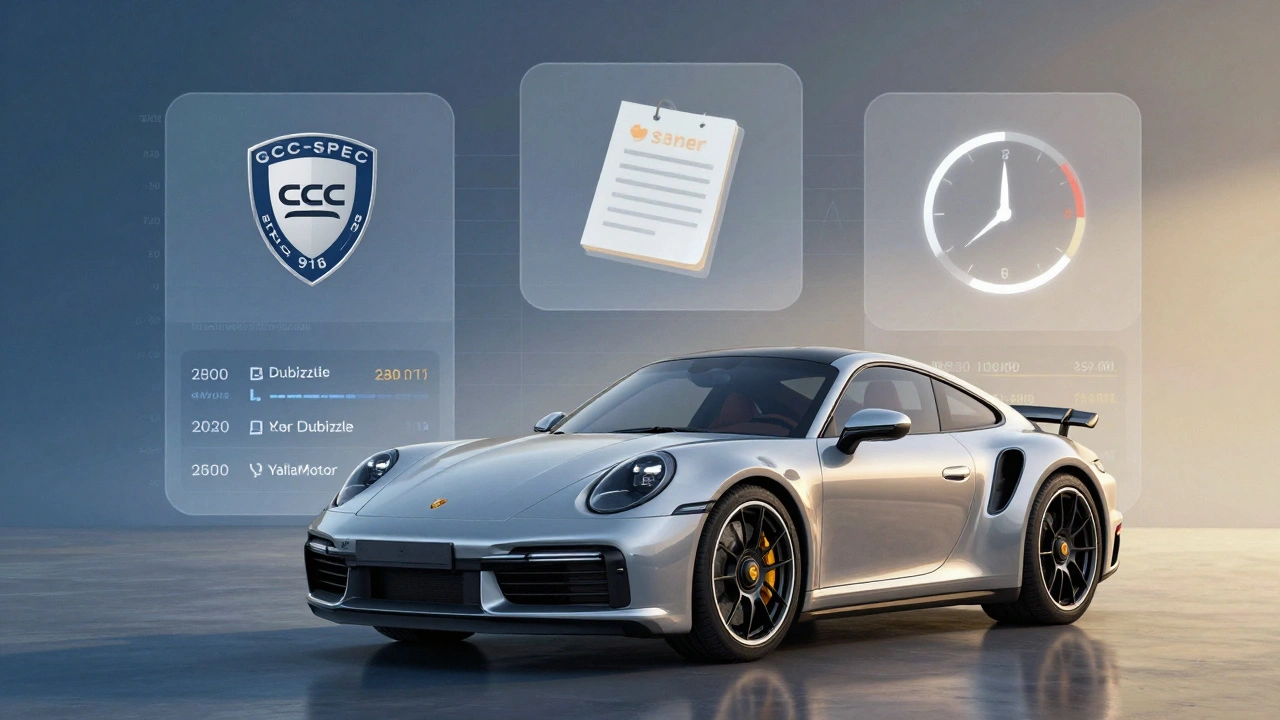
- GCC-specification is non-negotiable: Cars built for the Gulf region have upgraded cooling systems, reinforced suspensions, and UV-resistant interiors. Non-GCC cars - even if they’re new - often lose 20-30% in value here.
- One-owner, Dubai-registered: Buyers trust vehicles with clear, local ownership history. A car that’s been in Dubai since new, with no import history, commands a premium.
- Service records aren’t just paperwork: A full service history from an authorized dealer like Ferrari UAE or Rolls-Royce Dubai isn’t a nice-to-have - it’s a pricing anchor.
Forget what you know from other markets. In Dubai, the value of a luxury car isn’t just based on age and mileage. It’s built on trust, provenance, and precision.
The 5 Core Factors That Determine Your Car’s Value
If you’re trying to figure out what your luxury car is worth, focus on these five pillars:- Year, Make, and Model: Newer models hold value better. A 2023 Mercedes-AMG GT Black Series will always be worth more than a 2019 version, even with similar mileage. Certain models - like the Porsche 911 Turbo S and Range Rover SV - have proven resale strength across all markets, including Dubai.
- Mileage: Under 10,000 km? That’s premium. Between 10,000-20,000 km? Still strong. Over 30,000 km? You’ll need flawless condition and documentation to justify the price. Many luxury buyers in Dubai expect under 15,000 km for cars under five years old.
- Condition: This isn’t just about scratches. It’s about tire tread depth, paint gloss, interior stitching, leather creasing, and even the smell of the cabin. A car with a single dent on the rear fender can lose up to 8% of its value. A worn steering wheel? That’s a 5% hit.
- Optional Upgrades: Factory options like a Burmester 3D surround sound system, night vision, or carbon ceramic brakes add value. Aftermarket mods? Only if they’re high-end and reversible. A custom spoiler or non-OEM wheels usually hurt resale.
- Service History: This is the #1 trust signal. A full logbook with stamps from authorized dealers - not just private mechanics - can add 10-15% to your valuation. Missing records? You’ll need to compensate with lower asking price or offer a warranty.
How to Get an Accurate Valuation: Three Methods That Work
You can’t rely on one method alone. The most accurate valuations come from combining three sources:1. Online Valuation Tools (Start Here)
Dubai has several reliable platforms. Use at least two to cross-check:- Dubizzle: Offers instant estimates based on model, year, mileage, and trim. It pulls data from active listings across the UAE. If 10 similar cars are listed at AED 750,000, your estimate will hover near that.
- YallaMotor: Uses larger datasets and includes market trends. It’s especially good for tracking demand spikes - like when a new model launches and older versions drop in price.
- Cars24 UAE: Gives instant quotes with optional on-site inspection. Their final offer is binding, so it’s great if you’re ready to sell.
- CarSwitch: Provides a quote, then schedules a free inspection. Their inspectors check for hidden damage, flood history, and odometer tampering.
Don’t trust a single number. If Dubizzle says AED 800,000 and Cars24 says AED 720,000, dig deeper. Look at actual listings. What are the differences in mileage? Condition? Features?
2. Live Comparables (The Real Test)
Search for vehicles that match yours exactly - same year, trim, color, options, and mileage. Save 10-20 examples from Dubai, Abu Dhabi, and Sharjah. Exclude cars with accident history or incomplete records.Then adjust:
- If your car has 5,000 fewer km than the comparables, add 3-5%.
- If your car has full dealer service history, add 8-12%.
- If your tires are worn or paint has minor swirls, subtract 3-6%.
For example: A 2022 Range Rover Autobiography with 18,000 km, full service history, and factory options sold for AED 890,000. Your car has the same specs but 12,000 km. You can reasonably ask AED 930,000-950,000.
3. RTA-Approved Inspection (The Official Stamp)
The Roads and Transport Authority (RTA) offers official Car Valuation Certificates. This isn’t just for insurance - it’s a legal document that confirms retail value.Here’s how it works:
- Book an appointment at an RTA-approved testing center (many are located at DMCC, Al Quoz, or Dubai Auto Zone).
- Bring your vehicle, original registration, and service records.
- They perform a full inspection: engine, chassis, suspension, electronics, and on-road test.
- Receive a certificate within 1-2 days. Cost: AED 170-350.
This certificate is gold. Buyers trust it. Banks accept it for financing. Insurers use it for coverage. If you’re selling privately, having this document can justify a 5-10% higher price.
What Drives Prices Up - and Down - in Dubai’s Market
Luxury car values don’t stay static. They move with the market. Here’s what’s shifting right now:- 2026 model launches: When new models hit showrooms, last year’s versions often drop 10-15%. But if demand is high - like for the new BMW M8 or Aston Martin DB12 - older models hold value better.
- Seasonal demand: The best time to sell is October-January. That’s when expats return, new buyers arrive, and tax-free shopping season drives demand. Avoid selling in July-August - it’s too hot, and many owners hold off.
- Oil prices and currency: When oil stays above $80/barrel, luxury car sales rise. A strong AED (pegged to USD) keeps imported cars affordable, which helps maintain premium pricing.
- Supply chain delays: If a model has been hard to import - like certain Rolls-Royce or Bentley variants - used versions of those models can see price spikes.
Private Sale vs. Dealer Trade-In: Which Gets You More?
You have three options when selling:| Option | Typical Value | Time to Sell | Best For |
|---|---|---|---|
| Private Sale | Market value (highest) | 2-8 weeks | Maximizing profit, well-maintained cars |
| Dealer Buy | 10-20% below market | 1-3 days | Quick sale, low effort |
| Trade-In | 15-25% below market | Same day | Buying new car, convenience |
Most sellers who want the best price choose private sales. But they need to be prepared: clean the car, fix small issues, take professional photos, and be ready to negotiate.
How to Maximize Your Car’s Value Before Selling
Don’t leave money on the table. Do this before you list:- Get a professional detail: Interior steam cleaning, paint correction, and ceramic coating cost AED 1,500-3,000 - but can add AED 20,000+ to value.
- Fix minor damage: Replace cracked trim, fix a stuck door handle, replace a burnt-out LED. These are cheap fixes with big psychological impact.
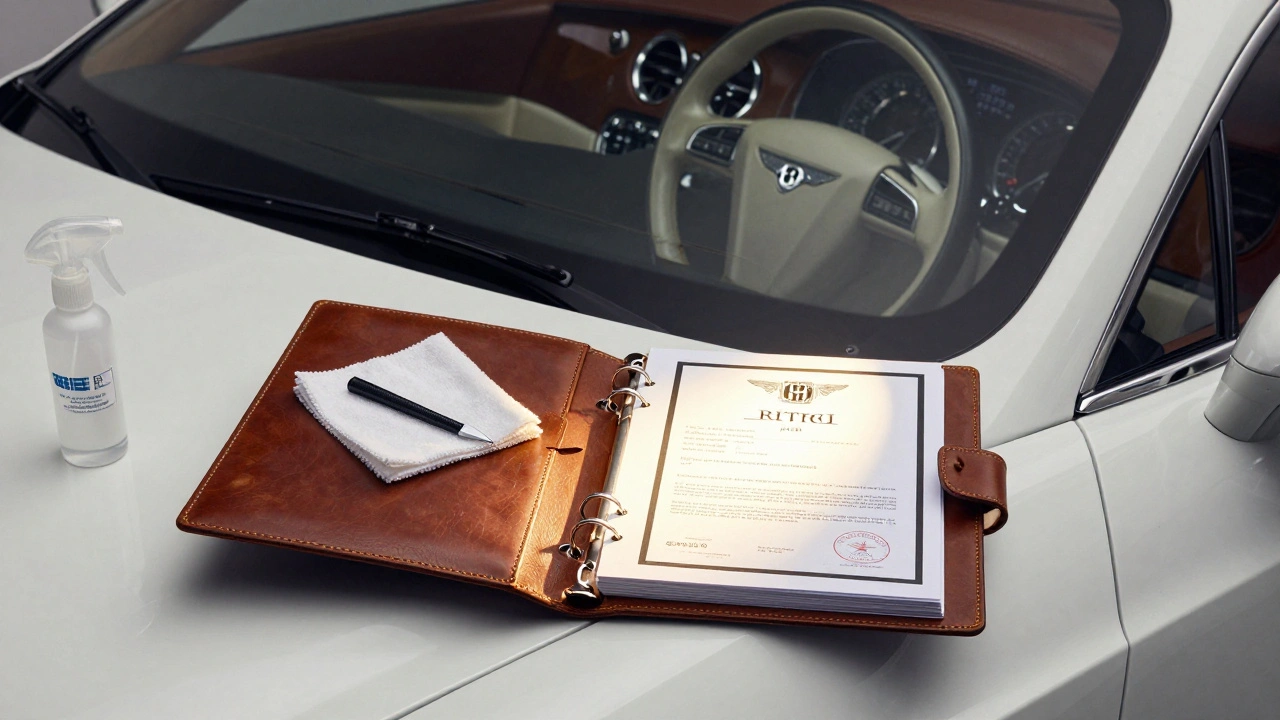
- Organize service records: Put them in a binder. Highlight dealer visits. Include receipts for tires, brakes, and fluid changes.
- Remove personal items: Clutter makes a car look lived-in. Buyers want to imagine themselves in it.
- Use a professional photographer: A car shot in golden hour, from multiple angles, with clean background gets 3x more inquiries.
One seller in Jumeirah increased her Ferrari’s value by AED 120,000 just by getting a full detail and presenting the service history in a leather-bound folder. It wasn’t the car - it was the presentation.
Red Flags That Lower Your Valuation
Avoid these pitfalls:- No service history: Even if the car runs perfectly, missing records can cut value by 20%.
- Accident repair without documentation: A dented fender repainted? If you can’t prove it was done by a certified body shop, buyers assume hidden damage.
- Multiple owners: Especially if one was a rental company or fleet operator. Dubai buyers prefer single-owner vehicles.
- Non-GCC specs: Imported from Europe or the US? You’ll need to prove it was modified for Gulf conditions - or accept a 25% discount.
- Aftermarket mods: Loud exhausts, tinted windows, or custom wheels. These are personal tastes, not value-adds.
Final Tip: Don’t Guess. Verify.
The most successful sellers in Dubai don’t rely on gut feeling. They use data:- Run two online tools.
- Find 10 live comparables.
- Get an RTA certificate.
If all three align within 5%, you’ve got a solid price. If they’re wildly different? Dig deeper. There’s a reason - maybe a hidden accident, or a rare trim you didn’t know about.
Valuing a luxury car in Dubai isn’t magic. It’s method. And with the right approach, you’ll get the price you deserve - not the one someone else decides for you.
How accurate are online car valuation tools in Dubai?
Online tools like Dubizzle, YallaMotor, and Cars24 UAE give a good starting point - usually within 5-10% of market value. But they’re estimates, not final prices. They don’t see physical condition, service history, or hidden damage. For accuracy, always combine them with live comparables and an RTA inspection.
Is it worth getting an RTA Car Valuation Certificate?
Yes, especially if you’re selling privately or need financing. The certificate costs AED 170-350 and confirms your car’s retail value after a full inspection. Buyers trust it. Banks accept it. It can justify a 5-10% higher price and speeds up the sale.
Do GCC-spec cars hold value better than imported ones?
Absolutely. GCC-spec cars are built for Dubai’s heat, sand, and long distances. They have reinforced cooling systems, UV-resistant interiors, and factory-approved service networks. Non-GCC cars often lose 20-30% in value unless they’ve been fully converted and documented.
What’s the best time of year to sell a luxury car in Dubai?
October to January is peak season. This is when expats return, new buyers arrive, and the holiday shopping season boosts demand. Avoid July-August - it’s too hot, and many sellers delay listings. New model launches in late summer can also shift demand for older models.
Can I sell my luxury car without service records?
You can, but you’ll lose 15-25% of your potential value. Buyers assume the worst without records - hidden damage, neglected maintenance, or tampered mileage. If you’re missing records, get a full mechanical inspection from a trusted specialist and offer a 3-month warranty to rebuild trust.
Do custom upgrades increase a luxury car’s value?
Only factory options do. Things like premium audio, carbon fiber trim, or upgraded brakes from the manufacturer add value. Aftermarket mods - like loud exhausts, custom wheels, or tinted windows - rarely help. In fact, they often turn off serious buyers who want the car as intended.