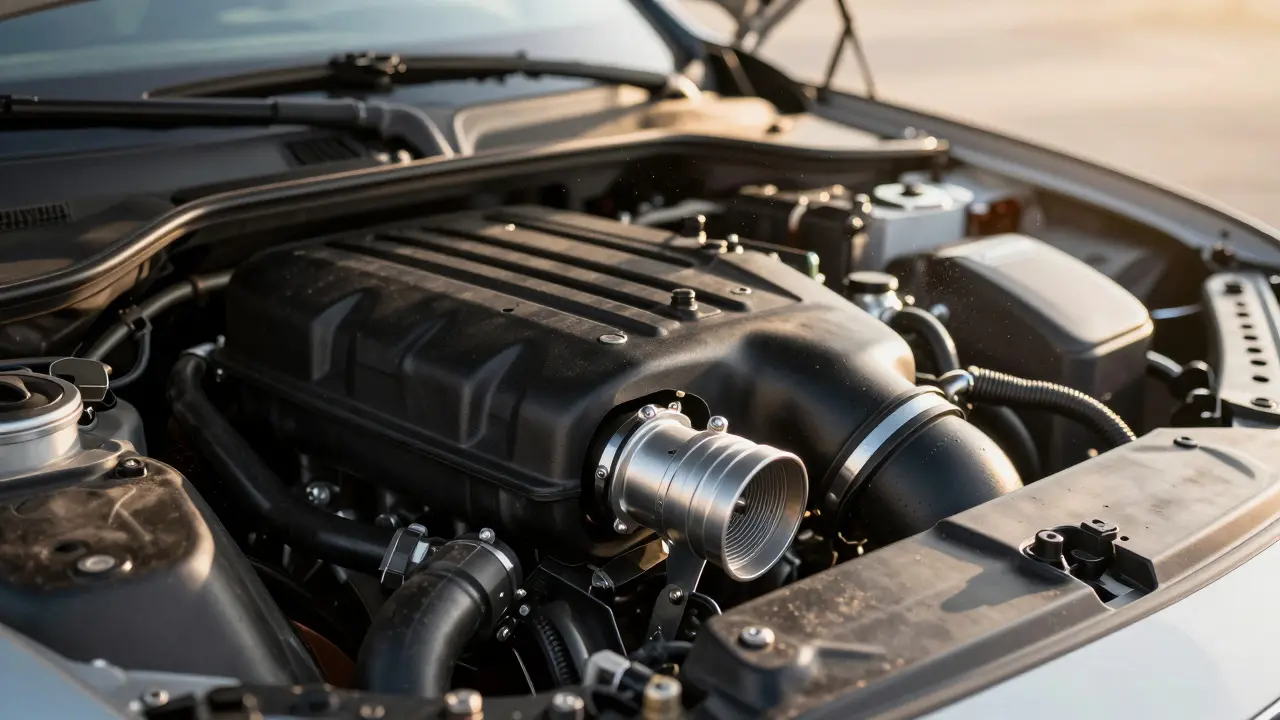
There is a specific kind of frustration that comes from driving a car that feels "off" but doesn't throw a warning light. The engine hesitates on the highway, fuel economy drops by two miles per gallon overnight, or the idle becomes rough when you stop at a red light. While many drivers assume these are minor issues that will resolve themselves, they often point to a single, inexpensive component: the Mass Airflow Sensor (MAF) is an electronic device located in the intake tract that measures the amount of air entering the engine so the Engine Control Unit can calculate the correct fuel injection volume. When this sensor fails or gets dirty, it sends incorrect data to the computer, leading to an imbalance in the air-fuel mixture.
You don't need a degree in engineering to spot the signs. In fact, recognizing these symptoms early can save you hundreds of dollars in unnecessary repairs. Whether you are dealing with a clogged sensor from road debris or a completely failed electrical unit, understanding how the MAF works and what it looks like when it breaks down is the first step to getting your vehicle running smoothly again.
Key Takeaways
- A failing MAF sensor typically causes poor fuel economy, rough idling, and hesitation during acceleration.
- The Check Engine Light (CEL) may illuminate with codes P0100 through P0103 if the sensor voltage falls outside normal ranges.
- Cleaning the sensor with specialized MAF cleaner is often a low-cost fix for dirty sensors, but failed units require replacement.
- Never use carburetor cleaner or WD-40 on a MAF sensor, as these chemicals can permanently damage the delicate sensing elements.
- Regular inspection of the air filter and intake system prevents dust and debris from coating the sensor wires.
How the Mass Airflow Sensor Works
To understand why it fails, you have to look at what it actually does. Your engine needs a precise mix of air and gasoline to burn efficiently. Too much air and the engine runs lean; too much gas and it runs rich. The MAF sensor sits between the air filter and the throttle body. Inside this housing, there is a small metal wire or film that heats up. As air flows past it, the heat dissipates. The sensor measures how much current is needed to keep that wire at a constant temperature. More airflow means more cooling, which requires more electricity. This electrical signal tells the Engine Control Unit (ECU) exactly how much air is coming in.
The ECU then uses this data to determine the exact millisecond duration for the fuel injectors to open. If the MAF reads high, the ECU thinks you are accelerating hard and pumps in more fuel. If it reads low, the ECU throttles back the fuel. When the sensor lies, the whole system throws off its balance. This is why a simple dirt buildup on those tiny wires can cause such noticeable performance changes.
Common Symptoms of a Failing MAF Sensor
Unlike some critical failures that leave you stranded, a bad MAF usually degrades performance gradually. Here are the most common signs you will notice while driving:
- Poor Fuel Economy: This is often the first sign. If your MPG drops without any change in driving habits, the ECU might be overcompensating for a weak signal by defaulting to a richer mixture.
- Rough Idling: At a standstill, the engine may shake or fluctuate in RPMs. This happens because the ECU is struggling to maintain the right mixture with inaccurate air data.
- Hesitation During Acceleration: You press the gas pedal, but the car lags before responding. It feels like the engine is "thinking" about whether to accelerate.
- Check Engine Light: The light may come on steadily or flash. A flashing light indicates misfires, which can damage your catalytic converter if ignored.
- Stalling: In severe cases, the engine may shut off unexpectedly, especially when coming to a stop.

Diagnosing the Issue: Codes and Visual Inspection
If your Check Engine Light is on, the first step is to scan for diagnostic trouble codes (DTCs). A standard OBD-II scanner will reveal specific codes related to the MAF circuit. Common codes include P0100 (Circuit Malfunction), P0101 (Range/Performance Problem), P0102 (Low Input Signal), and P0103 (High Input Signal). These codes tell you *how* the sensor is failing, not just *that* it is failing.
However, not all MAF issues trigger a code. Sometimes the sensor is just dirty enough to cause performance problems but not bad enough to trip the ECU's error threshold. In these cases, a visual inspection is crucial. Most MAF sensors are accessible after removing the airbox cover. Look at the sensing element inside. It should be clean and free of residue. If you see a grayish, oily, or dusty coating on the thin wires or film, the sensor is contaminated. Oil from a leaking PCV valve or excessive dust from a worn air filter are the usual culprits.
| Factor | Cleaning the Sensor | Replacing the Sensor |
|---|---|---|
| Cost | $15 - $25 (cleaner spray) | $80 - $300 (part + labor) |
| Time Required | 15 - 30 minutes | 1 - 2 hours |
| Effectiveness | Effective for dirt/oil contamination | Necessary for electrical failure or physical damage |
| Risk | Low if proper cleaner used | Minimal if OEM part installed |
Step-by-Step Guide to Cleaning a MAF Sensor
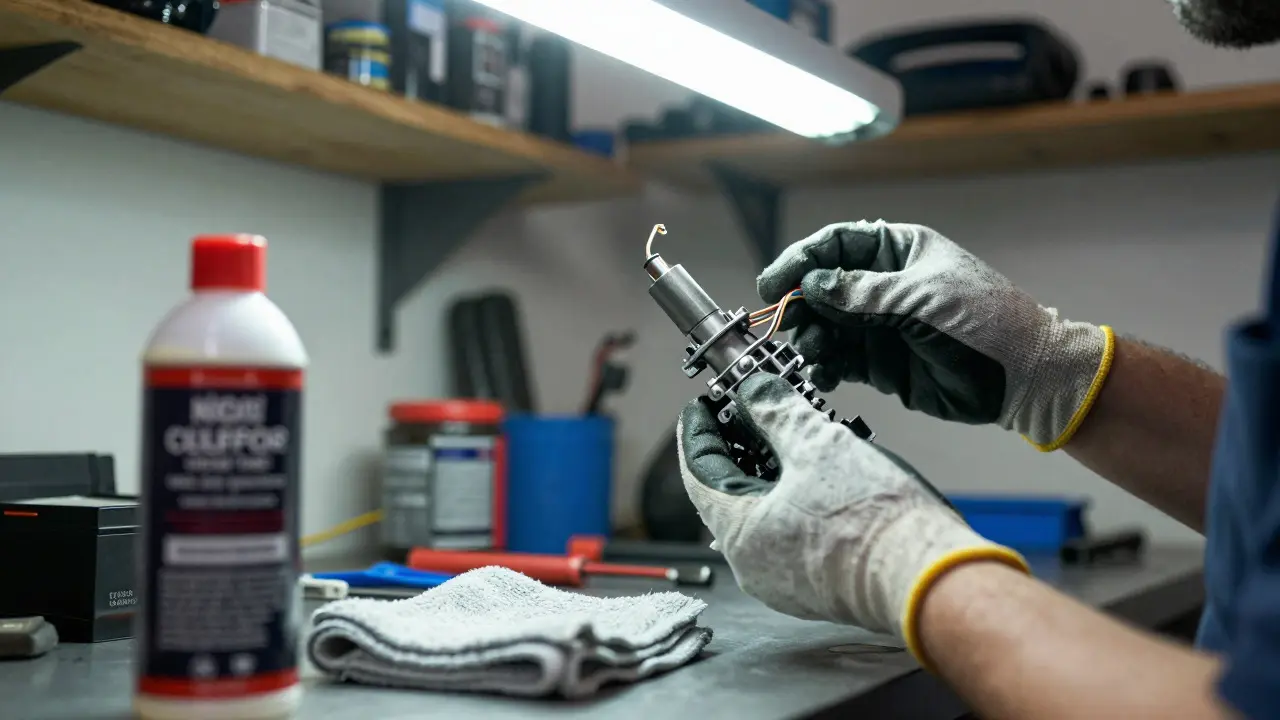
Before buying a new sensor, try cleaning it. This is a DIY-friendly task that takes very little effort. You only need a can of MAF-specific cleaner. Do not use brake cleaner, carburetor cleaner, or WD-40, as their solvents can etch the sensitive coating on the sensor.
- Disconnect the Battery: Turn off the engine and disconnect the negative battery terminal. This prevents the ECU from sending power to the sensor while you work, protecting the electronics.
- Remove the Air Intake Hose: Locate the MAF sensor. It is usually clipped into the intake tube. Unclip the electrical connector gently. Loosen the hose clamp and slide the intake tube off the sensor.
- Spray the Sensing Element: Hold the can upright and spray the cleaner directly onto the thin wires or film. Let it soak for a few seconds. The dirt will dissolve and drip away.
- Let It Dry: Allow the sensor to air dry for at least 15-20 minutes. Do not blow it with compressed air, as the pressure can bend the delicate wires.
- Reassemble: Slide the intake tube back on, tighten the clamp, and reconnect the electrical plug. Reconnect the battery.
After reassembly, drive the car for a few days. If the symptoms persist, the sensor likely has an internal electrical fault and needs replacement.
When Replacement Is Necessary
If cleaning doesn't solve the problem, or if the sensor shows physical damage like bent wires or cracks in the housing, it's time to replace it. Modern vehicles use hot-wire or hot-film sensors that are fragile. Once the resistive coating is damaged, no amount of cleaning will restore accuracy.
Replacement parts vary in price. An Original Equipment Manufacturer (OEM) part from your car brand dealer will be the most expensive but guarantees compatibility. Aftermarket brands offer quality options at lower prices, provided you choose a reputable manufacturer. Always match the part number to your vehicle's year, make, model, and engine size. Installing the wrong MAF can lead to persistent errors even if the part itself is good.
Preventing Future Failures
Once your MAF is working correctly, you want to keep it that way. The primary enemy is oil contamination. If you have an older vehicle, check your Positive Crankcase Ventilation (PCV) system. A stuck PCV valve allows crankcase vapors to flow backward into the intake, coating the MAF in oil. Regularly changing your air filter also helps. A clogged or torn air filter lets unfiltered air bypass the filtration media, carrying abrasive particles straight to the sensor. In areas with heavy dust or pollen, inspecting the intake system every six months is a smart habit.
Frequently Asked Questions
Can I drive with a bad MAF sensor?
Yes, but it is not recommended for long distances. The ECU will switch to a "limp mode" or default map to keep the engine running, but you will experience reduced power and worse fuel economy. Driving on a highway with a severely failing MAF can sometimes cause stalling due to incorrect fuel calculations at higher loads.
What is the difference between a MAF sensor and a MAP sensor?
A MAF sensor measures the actual mass of air flowing into the engine. A MAP (Manifold Absolute Pressure) sensor measures the vacuum or pressure inside the intake manifold. Many modern cars use both, but some smaller engines rely solely on MAP sensors. They serve similar purposes but measure different physical properties to calculate air density.
Does a bad MAF sensor affect the catalytic converter?
Indirectly, yes. If the MAF causes the engine to run rich (too much fuel), the excess unburned hydrocarbons and oxygen pass through the exhaust system. Over time, this can clog or overheat the catalytic converter, leading to an expensive secondary repair. Fixing the MAF early protects your emissions components.
How often should I clean my MAF sensor?
There is no strict mileage interval, but inspecting it every 30,000 to 50,000 miles is a good practice. If you drive in dusty conditions or have an oil leak, check it more frequently. Cleaning is cheap and easy, so doing it preventively can avoid unexpected performance drops.
Will resetting the ECU clear the MAF code?
Resetting the ECU clears the stored code temporarily, but if the sensor is still faulty, the code will return within a few drive cycles. Resetting is useful after cleaning the sensor to allow the ECU to relearn the baseline values without old error data interfering.