Buying a used car feels like gambling if you don't know how to read the price tag. The sticker price isn't just about the year and mileage; it's a direct reflection of the vehicle's physical state. When you walk into a dealership or browse online listings, the gap between a "clean" car and one with hidden issues can be thousands of dollars. Understanding market value based on condition is the difference between a fair deal and a costly mistake.
Why Condition Is the Biggest Price Driver
Most buyers look at mileage first, but mechanics look at wear patterns. Two identical cars from the same year with similar miles can have vastly different values if their maintenance histories differ. A car that has been regularly serviced holds its value better because the risk of immediate repair is lower. Conversely, a car with deferred maintenance-like missed oil changes or worn-out suspension parts-will see its price drop significantly once those issues are discovered.
The relationship between condition and price is not linear. Fixing a small issue might only cost a few hundred dollars, but if that small issue signals neglect in other areas, the perceived value plummets. Buyers assume that if one thing was ignored, others likely were too. This psychological factor makes transparent condition reporting crucial for sellers and critical for buyers.
Key Components That Impact Valuation
Not all parts of a car affect the bottom line equally. Some components are cosmetic, while others are mechanical red flags. Here is how specific conditions translate into price adjustments:
- Exterior Paint and Bodywork: Deep scratches, dents, or mismatched paint panels suggest previous accidents. Even if repaired, this lowers trust and value. Minor swirl marks are normal, but structural damage is a major deduction.
- Tire Tread Depth: Tires are expensive. If they are bald or unevenly worn, the buyer expects a discount to cover replacement. Uneven wear can also indicate alignment issues, which adds to the potential repair costs.
- Interior Wear: Torn seats, cracked dashboards, or stained carpets signal heavy use. While subjective, a clean interior often commands a higher price than a dirty one, even if the engine is pristine.
- Mechanical Health: Leaks, strange noises, or warning lights are immediate price reducers. A check-engine light alone can drop the asking price by 10-15% until resolved.
How to Assess Condition Before You Buy
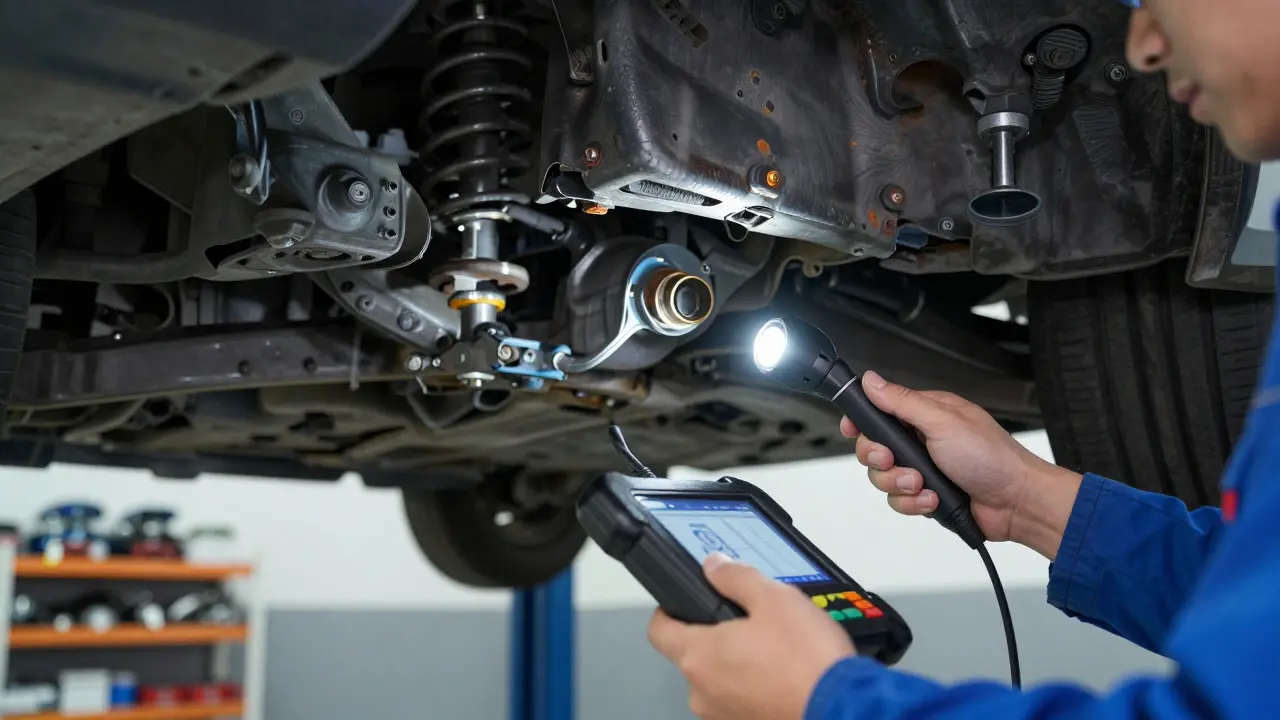
You don't need to be a mechanic to spot serious problems. A systematic approach helps you avoid overpaying for a lemon. Start with a visual inspection in daylight. Look under the car for fresh oil spots or rust. Check the tire tread using a quarter: if Washington's head is fully covered when inserted upside down, you have decent tread left.
Next, start the engine cold. Listen for rattles or knocking sounds. Smoke from the exhaust is a clear indicator: blue smoke means burning oil, white smoke could mean a head gasket issue, and black smoke indicates a rich fuel mixture. Each of these points requires professional diagnosis and repair, which should be factored into your offer.
Finally, review the maintenance records. Digital logs are great, but paper receipts are gold. Consistent service at authorized dealerships boosts confidence. If records are missing, assume the worst and negotiate accordingly. A pre-purchase inspection (PPI) by an independent mechanic is the safest investment. For $150-$300, you get a detailed report that can save you thousands in unexpected repairs.

Comparing Market Values: Good vs. Fair vs. Poor
To make sense of the numbers, let's look at how condition grades affect the final price. Using a standard mid-size sedan as an example, we can see the tangible impact of condition on market value.
| Condition Grade | Description | Typical Price Adjustment | Risk Level |
|---|---|---|---|
| Excellent | Full service history, no accidents, new tires, clean interior | +5% to +10% above average | Low |
| Good | Regular maintenance, minor cosmetic wear, tires with 50% life left | At market average | Moderate |
| Fair | Gaps in service history, visible wear, some mechanical warnings | -10% to -15% below average | High |
| Poor | Accident damage, major leaks, high-mileage without recent service | -20% to -30% below average | Very High |
This table illustrates that "Fair" condition isn't just a slight dip; it represents a significant financial buffer for the buyer. If a car lists at the market average but shows signs of "Fair" condition, you are essentially paying for repairs that haven't happened yet.
Negotiating Based on Findings
Once you've identified issues, use them as leverage. Don't just say "it needs work." Be specific. "The front brakes are wearing thin and will need replacing within 6 months" is a stronger argument than "the brakes sound bad." Estimate the cost of repairs and ask for a discount equal to that amount, plus a small premium for the inconvenience.
Sellers often expect negotiation. If you find three minor issues, bundle them together. For example, if the wipers are old, the battery is weak, and there is a scratch on the door, present the total cost of fixing all three. This makes the discount feel justified rather than arbitrary. Always keep a record of your findings and show them to the seller if possible. Transparency builds trust and speeds up the deal.
Common Mistakes to Avoid
Many buyers fall into traps that inflate their purchase price. One common error is ignoring the vehicle history report. A clean title doesn't guarantee a clean car; it just means it wasn't officially totaled. Check for flood damage or salvage titles, which can cause long-term electrical and mechanical issues.
Another mistake is relying solely on the seller's word. "I always kept up with maintenance" is a claim, not proof. Ask for receipts. If they don't have them, treat the car as if it hasn't been maintained. Finally, avoid emotional buying. Love for a color or model can blind you to mechanical flaws. Stick to the data and the inspection results.
Frequently Asked Questions
How much does a single accident reduce a car's value?
A single minor accident typically reduces a car's value by 10-20%. If the repair was done poorly or involved structural components, the reduction can be higher. The key factor is whether the repair is documented and verified by a professional inspection.
Is a pre-purchase inspection worth the cost?
Yes, almost always. A PPI costs between $150 and $300. If it catches a transmission issue or engine leak, you save thousands in repairs or gain negotiating power. It is the most cost-effective step in the buying process.
Do cosmetic issues affect resale value?
Cosmetic issues like dings and scratches have a minimal direct impact on resale value unless they are extensive. However, they can signal neglect, which may lead buyers to suspect hidden mechanical problems. A well-maintained exterior supports a higher perceived value.
What is the best way to verify maintenance history?
Request original service receipts and digital logs from dealerships. Cross-reference dates and odometer readings with the vehicle history report. Inconsistent gaps in service records are a red flag that warrants further investigation or a lower offer.
How do I calculate the fair market value for a damaged car?
Start with the base market value for a clean version of the same car. Subtract the estimated repair costs. Then, deduct an additional 10-15% for the depreciation caused by the damage history. This gives you a realistic target price for negotiation.