If you've just picked up a car with a matte finish, you probably love that stealthy, satin look. But here is the cold truth: you can never go back to a standard car wash. One mistake with a traditional wax or a trip through a mechanical brush wash can permanently ruin your paint's texture, turning your sleek matte panels into a patchy, semi-gloss mess that is nearly impossible to fix without a full repaint. Because matte paint doesn't reflect light-it scatters it-the surface is microscopically textured. This means it traps dirt more easily and reacts poorly to the chemicals we usually use on glossy cars.
Matte Paint Care is a specialized maintenance process for non-reflective automotive coatings that focuses on preserving a microscopic surface texture by avoiding abrasives and gloss-enhancing agents. Unlike traditional clear coats, these finishes cannot be polished or buffed. If you scratch a glossy car, you can polish it out; if you scratch a matte car, you're usually stuck with it. The goal here isn't to make the paint shine, but to keep it clean and protected while maintaining that original "flat" appearance.The Golden Rules of Matte Washing
Forget everything you know about the "quick wash." For a matte finish, lubrication is your best friend. Dry wiping or using a sponge with a few grit particles can act like sandpaper on your paint. To avoid disaster, you need to stick to a strict hand-washing protocol.
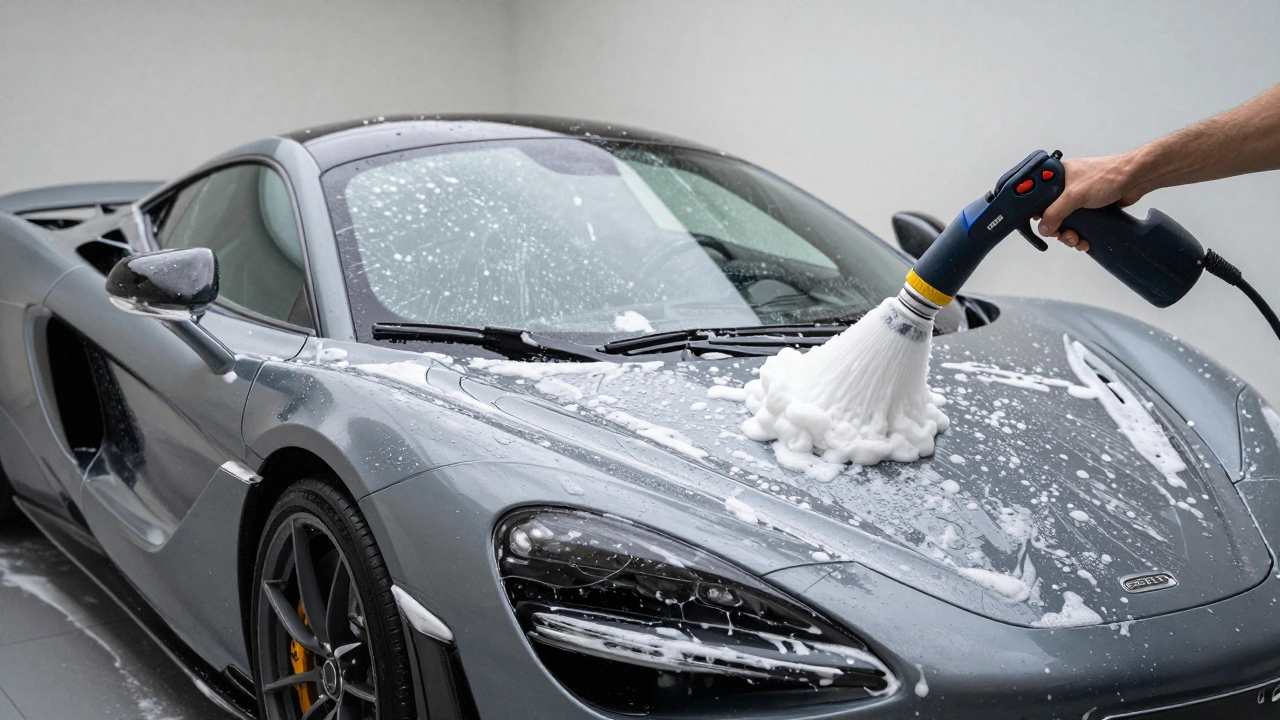
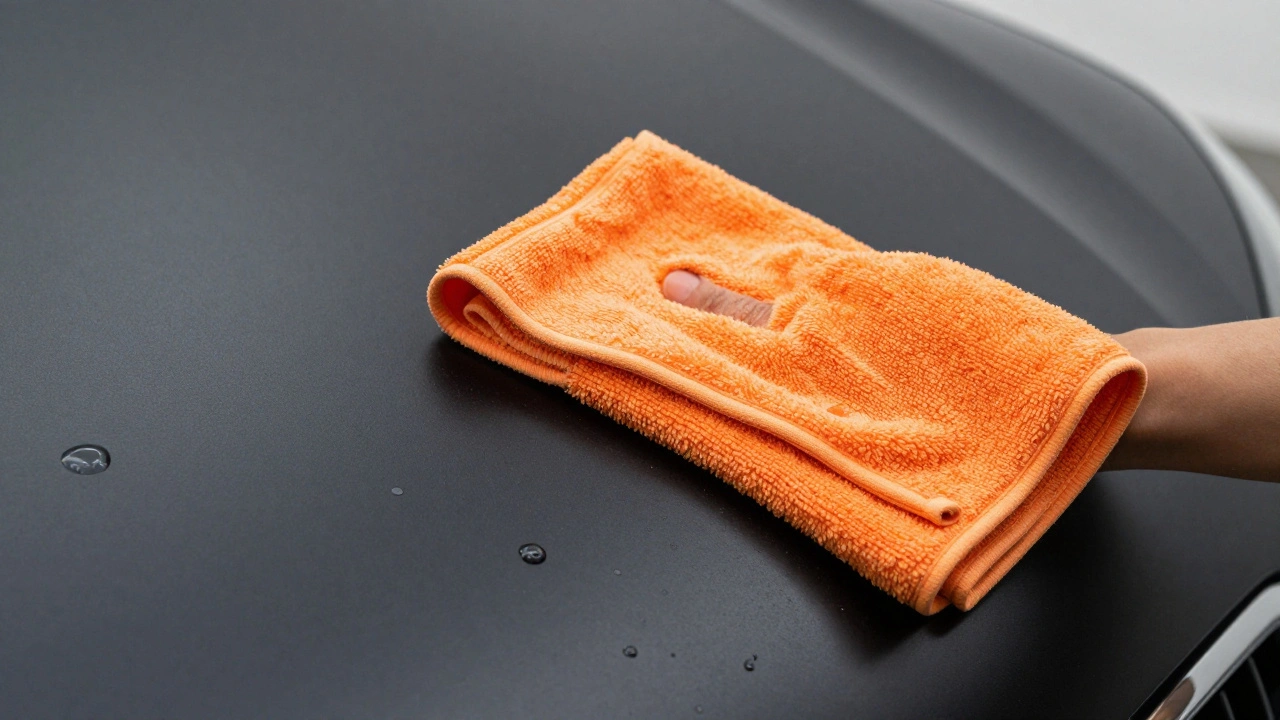
Start by using a foam cannon to pre-soak the car. Using about 2 ounces of specialized soap per gallon of water, let the foam dwell for 1 to 2 minutes. This softens the grime so you don't have to scrub. When it's time to wipe, throw away the old sponges. Use high-quality microfiber towels-like the Orange Wash series-which lift dirt away from the surface instead of dragging it across the paint.
The process should always move from top to bottom. Wash one section, rinse it, and then move to the next. When drying, do not drag the towel. Instead, use a blotting motion with a large, absorbent drying towel. Dragging the fabric can create micro-abrasions that, over time, will start to "burnish" the paint, creating unwanted shiny spots.
Choosing the Right Soap: pH Balance is Key
Standard car soaps often contain waxes or "gloss enhancers" designed to make a car pop. On a matte car, these additives are your enemy. They fill in the microscopic texture of the paint and create a greasy, uneven sheen. You need a pH-neutral car soap that leaves zero residue.
| Feature | Matte-Specific Soap (e.g., Super Soaper) | Standard Gloss Soap |
|---|---|---|
| Residue | Zero / Rinses Clean | Leaves waxy polymers |
| pH Level | Neutral (Prevents spotting) | Variable (Can be alkaline/acidic) |
| Finish Effect | Preserves flat texture | Adds unwanted shine |
| Compatibility | Matte, Satin, Vinyl, PPF | Gloss clear coats only |
For a deep clean, products like Swissvax Car Bath Opaque are engineered specifically to remove contaminants without altering the appearance. If you're dealing with stubborn bird droppings or bug splatter, don't scrub. Use a dedicated matte pre-cleaner to dissolve the organic matter quickly, as these contaminants can etch into the paint if left too long.
What to Absolutely Avoid (The "Never" List)
Some mistakes are easy to fix, but in the world of matte paint, some are permanent. If you see a product promising a "deep mirror shine," keep it far away from your car. Here is what you must avoid:
- Mechanical Car Washes: The brushes and rollers will polish the paint, creating shiny streaks.
- Polishing Compounds and Clay Bars: These are abrasives. They remove a layer of paint to fix scratches, but on matte finishes, they simply destroy the texture.
- Traditional Waxes and Sealants: These fill the "pores" of the matte finish and create a blotchy, glossy look.
- Tire Shine Overspray: Be extremely careful when dressing tires; oily sprays landing on matte panels can leave stains that are difficult to remove.
Protecting the Finish Without Adding Shine
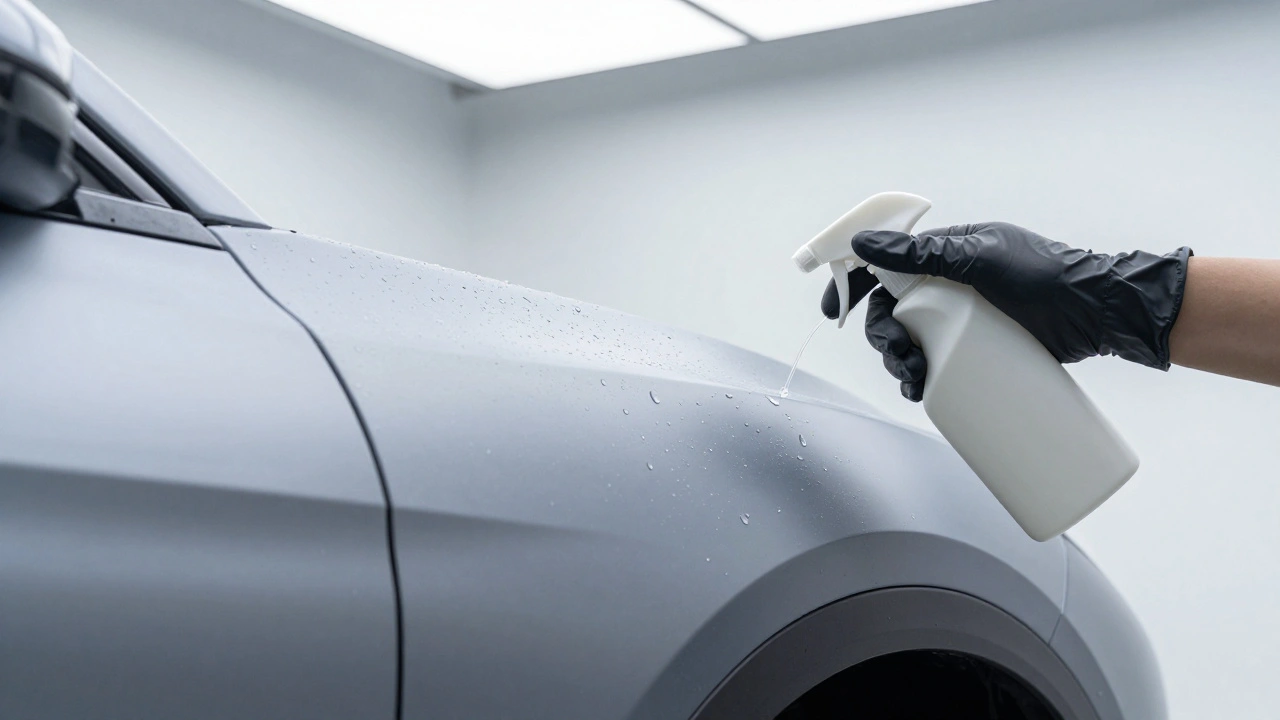
Since you can't use wax, how do you protect the car from UV rays, rain, and road salt? You have to use specialized matte sealants. Ceramic Sprays designed for matte finishes provide a hydrophobic layer that repels water and dirt without changing the look of the paint. For instance, the Tough As Shell ceramic spray helps keep the car cleaner for longer by preventing grime from bonding to the surface.
If you want a more traditional sealant, look for "Opaque" wax lines. These aren't like the carnuba waxes used on glossy cars; they are formulated to seal the paint and protect against fading while keeping the finish flat. Most experts recommend reapplying these protective layers every 2 to 3 months to ensure the paint remains shielded from the elements.
Long-Term Defense: Paint Protection Film
For those who want the ultimate peace of mind, XPEL Stealth is a game-changer. This is a satin-finish paint protection film (PPF) that is applied over the factory paint. It essentially puts a transparent, matte-textured shield over the car.
The biggest advantage here is the self-healing property. If the film gets a light scratch, a bit of heat from the sun or a heat gun makes the scratch disappear. It also protects the actual paint from rock chips and road debris, which are otherwise permanent on a matte car. This removes the stress of monthly sealant applications and gives you a durable barrier against tar and tree sap.
Maintaining the Interior Aesthetic
A car with a matte exterior often has a matching matte interior. To keep this look consistent, avoid using greasy armor-all style protectants on your dashboard. Use a matte-specific cabin cleaner. This ensures your interior doesn't develop a distracting glare and maintains the same sophisticated, low-reflection vibe as the outside of the vehicle.
Can I use a clay bar on matte paint?
Generally, no. Clay bars are mildly abrasive and can alter the sheen of a matte finish, creating "shiny patches." If you have heavy contamination, use a chemical decontamination product specifically labeled for matte or satin finishes.
What happens if I accidentally wax my matte car?
The wax will fill the texture of the paint, causing it to look glossy or streaky. You will need to use a residue-removing, pH-neutral soap and a microfiber towel to gently wash away the wax. If the wax has bonded deeply, you may need a professional detailer specializing in matte finishes.
How often should I wash my matte paint?
It is recommended to wash your vehicle every 2 to 4 weeks. Because matte paint is more prone to trapping dirt, regular maintenance prevents contaminants from etching into the surface.
Are automatic car washes safe for matte finishes?
Absolutely not. Whether they use brushes or heavy towels, the mechanical action will polish the matte surface, creating permanent shiny spots. Always stick to hand-washing with microfiber tools.
Does matte paint fade faster in the sun?
Like all paint, matte finishes can succumb to UV damage. However, because you can't use traditional waxes, you must use matte-specific sealants or a ceramic coating to provide a UV barrier and prevent the paint from fading or chalking.
Next Steps for Your Matte Finish
If you are new to this, start by auditing your cleaning kit. Toss out any soaps with "wax" or "shine" in the ingredients. Invest in a high-quality microfiber kit and a pH-neutral soap. If your car is a daily driver and you're worried about rock chips, look into a professional installation of a satin PPF. For those who prefer a DIY approach, set a calendar reminder to apply your matte sealant every 8 weeks to keep the finish protected.