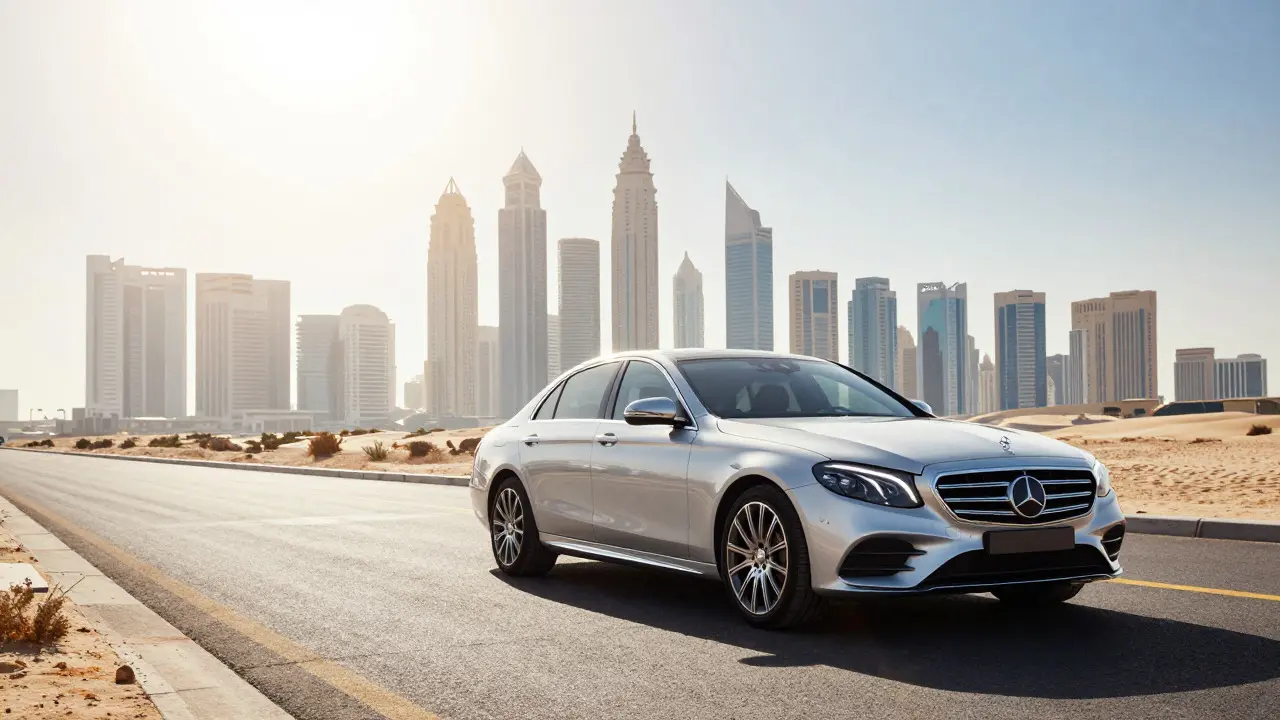
Driving a Mercedes-Benz is a premium ownership experience that demands precise care to maintain its value and performance. In the scorching heat of Dubai, your vehicle works harder than it would in cooler climates. The extreme temperatures accelerate fluid degradation and put extra strain on the cooling system. Ignoring these factors can lead to costly repairs down the line. This guide breaks down exactly what you need to do, when to do it, and why it matters for your specific model.
You don't need to be a mechanic to keep your car running smoothly. You just need to know the rhythm of maintenance. Whether you drive an entry-level A-Class or a luxury G-Class, the core principles remain the same. We will walk through the essential services, from routine oil changes to complex transmission checks. By the end, you will have a clear roadmap to protect your investment.
Key Takeaways for Mercedes Owners in Dubai
- Heat impacts everything: Dubai's high temperatures require more frequent checks on coolant and battery health compared to moderate climates.
- Follow the MB Service Book: Your vehicle has a specific "A" and "B" service cycle. Ignoring these dates voids warranty coverage.
- Use genuine parts: Counterfeit filters and oils are common in the region. Always verify part authenticity before installation.
- Tire pressure is critical: Check tire pressure weekly during summer months to prevent blowouts and uneven wear.
- Air conditioning needs attention: The AC compressor works overtime in Dubai. Annual inspection prevents sudden failures.
Understanding the A and B Service Cycles
Mercedes uses a dual-service system designed to spread out costs while ensuring comprehensive care. It is not just about changing oil every six months. The system alternates between two types of inspections. Understanding this distinction saves you money and confusion at the workshop.
Service A is the basic maintenance package. It typically occurs every 10,000 kilometers or once a year, whichever comes first. During this visit, technicians perform an oil and filter change. They also inspect the brake pads, check fluid levels, and reset the service indicator light. Think of this as the "check-up" appointment. It keeps the engine healthy but doesn't involve deep mechanical work.
Service B is the more thorough inspection. It happens after Service A, usually another 10,000 kilometers later. In addition to the tasks in Service A, a Service B includes replacing the cabin air filter and checking the brake fluid. Technicians also inspect the suspension components and tires for alignment issues. This is where they catch early signs of wear before they become expensive problems.
| Task | Service A | Service B |
|---|---|---|
| Engine Oil Change | Yes | Yes |
| Oil Filter Replacement | Yes | Yes |
| Cabin Air Filter | No | Yes |
| Brake Fluid Inspection | Visual Check | Full Inspection/Replacement if needed |
| Suspension Check | No | Yes |
| Tire Rotation | Optional | Recommended |
Note that some models, like the AMG series, may have different intervals due to higher performance demands. Always check your owner's manual for exact specifications. The digital display in your dashboard will remind you when the next service is due. If you ignore these reminders, the computer may lock certain features until serviced.
Essential Fluid Checks for Hot Climates
Dubai’s average summer temperature exceeds 40°C. This heat is brutal on your car's fluids. Oil thickens less in heat but degrades faster due to oxidation. Coolant boils over if the system is compromised. Here is what you need to monitor closely.
Engine Oil: Use only full-synthetic oil recommended by Mercedes. Conventional oil breaks down too quickly in high heat. Look for grades like 5W-30 or 5W-40 depending on your model year. Changing the oil every 10,000 km is standard, but if you do a lot of short trips or drive in heavy traffic, consider reducing this interval to 7,500 km. Short trips don't allow the engine to reach optimal operating temperature, leading to moisture buildup in the oil.
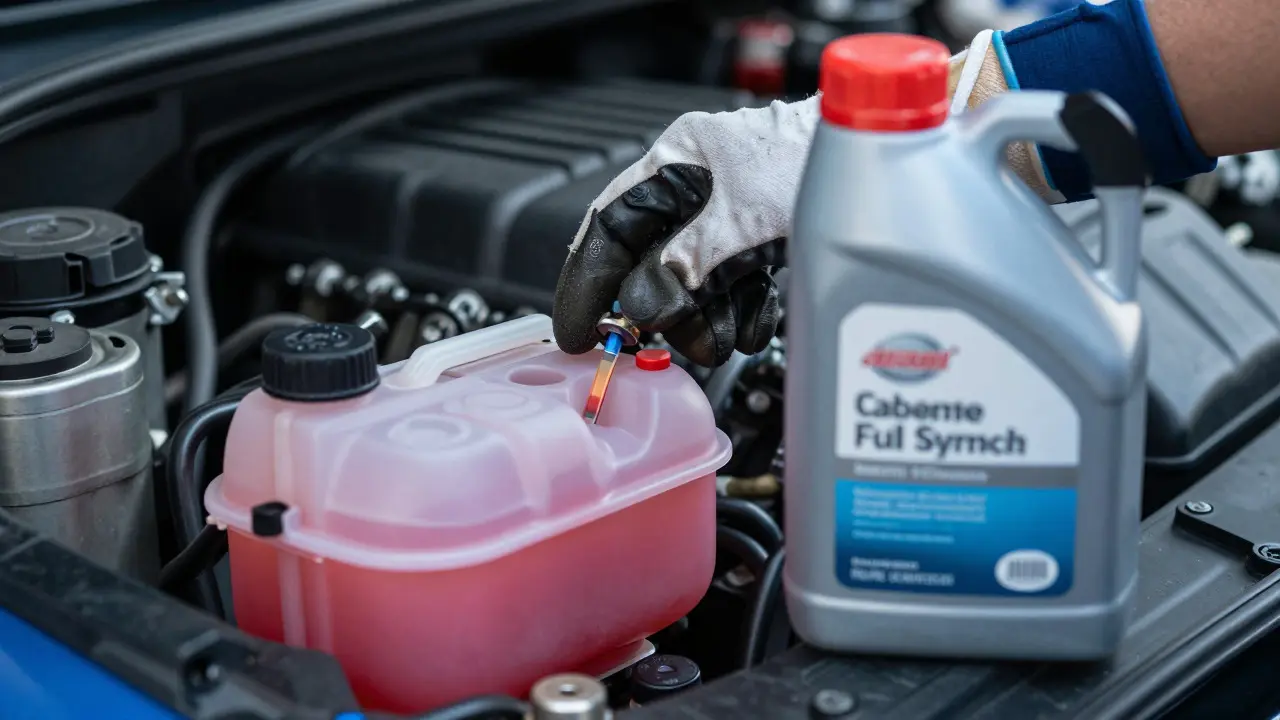
Coolant: The cooling system prevents overheating. Inspect the coolant level monthly. Top up with the correct pink-colored Mercedes coolant. Never mix different brands or colors. A leak in the radiator or hoses can cause catastrophic engine failure. If you see green or blue coolant, something is wrong. Green coolant is often used in older vehicles or non-Mercedes cars. Using the wrong type can cause corrosion inside the engine block.
Transmission Fluid: Automatic transmissions generate significant heat. In Dubai traffic, stop-and-go driving stresses the torque converter. Most modern Mercedes models use lifelong transmission fluid, but many experts recommend changing it every 60,000 to 80,000 km to ensure smooth shifting. If you notice delayed engagement or jerky shifts, get the fluid checked immediately.
Brake System Maintenance
Brakes are your most critical safety component. Heat affects them in two ways. First, the ambient temperature increases the risk of brake fade. Second, dust and sand from desert roads can clog calipers. Sand particles act like abrasive grit, wearing down brake discs faster than normal.
Inspect your brake pads every time you rotate your tires. Most pads last between 40,000 and 60,000 km. However, aggressive driving in city traffic can reduce this lifespan significantly. Listen for squealing noises. That sound is a warning sign, not a nuisance. If you hear grinding, stop driving immediately. Grinding means metal-on-metal contact, which destroys your rotors.
Brake fluid absorbs moisture over time. Wet fluid lowers the boiling point, causing spongy pedals under hard braking. Replace brake fluid every two years or 40,000 km, whichever comes first. This is a cheap insurance policy against brake failure on highways like Sheikh Zayed Road.
Tire Care and Alignment
Tires are the only part of your car touching the ground. In Dubai, they face extreme heat and rough road surfaces. High temperatures increase internal tire pressure, raising the risk of blowouts. Check your tire pressure once a week during summer. Use the cold pressure listed on the driver's side door jamb sticker, not the maximum pressure printed on the tire sidewall.
Sand and gravel can damage tire treads. After driving on unpaved roads, inspect the tread for embedded stones. Remove them carefully to prevent punctures. Rotate your tires every 10,000 km to ensure even wear. Front-wheel-drive models wear front tires faster because they handle steering and propulsion. Rear-wheel-drive models wear rear tires faster. All-wheel-drive systems distribute load more evenly but still benefit from rotation.
Wheel alignment is crucial for handling and fuel efficiency. Hitting potholes or curbs can knock your alignment out of spec. If your car pulls to one side or your steering wheel is off-center, get an alignment check. Poor alignment causes uneven tire wear, which leads to vibration at highway speeds. It also reduces fuel economy by increasing rolling resistance.
Electrical Systems and Battery Health
Batteries hate heat. While cold weather reduces capacity, hot weather accelerates water evaporation inside the battery cells. This leads to sulfation, a permanent loss of power. In Dubai, expect your battery to last only 2 to 3 years instead of the typical 4 to 5 years in cooler climates.
Watch for warning signs. Slow cranking in the morning is a classic indicator. Dim headlights at idle suggest the charging system isn't keeping up. Test your battery voltage annually. A healthy battery should read around 12.6 volts when the engine is off. If it reads below 12.4 volts, it is weak and needs replacement soon.
The alternator also suffers in heat. Ensure the serpentine belt is in good condition. A cracked belt can snap, killing your power steering, AC, and charging system simultaneously. Replace the belt every 60,000 km or if you see cracks. Modern Mercedes models often use poly-V belts that last longer, but heat remains a factor.
Air Conditioning Specifics
Your AC system works continuously in Dubai. The compressor runs almost constantly, putting immense stress on the refrigerant circuit. Neglecting maintenance leads to leaks and compressor failure. Compressor replacement is one of the most expensive repairs on any car.
Replace the cabin air filter every 15,000 km or once a year. A clogged filter reduces airflow and makes the AC work harder. It also traps dust and pollen, affecting air quality inside the cabin. Choose a filter with activated carbon if you drive near construction sites or dusty areas. These filters trap odors and particulates more effectively than standard paper filters.
Check the refrigerant level annually. Low refrigerant causes poor cooling and can damage the compressor. Do not wait until the AC blows warm air. That is usually too late. Early detection of leaks saves thousands of dirhams. Also, clean the evaporator coil periodically. Dust buildup on the coil reduces heat exchange efficiency. Professional cleaning improves cooling performance without adding refrigerant.
Common Mistakes to Avoid
Many owners make errors that cost them money. Avoid these pitfalls to keep your Mercedes reliable.
- Ignoring small warnings: A single warning light is a signal, not a suggestion. Address it immediately.
- Using cheap aftermarket parts: Save money on labor, not on critical components. Cheap brakes fail silently.
- Over-tightening bolts: Over-torquing lug nuts or drain plugs can strip threads. Follow manufacturer specs.
- Neglecting the service book: Keep all receipts and stamps. Resale value depends heavily on documented history.
- Waiting for breakdowns: Preventive maintenance is always cheaper than reactive repair.
Frequently Asked Questions
How often should I change my Mercedes oil in Dubai?
Generally every 10,000 km or once a year. However, if you drive mostly in city traffic or take short trips, reduce this to 7,500 km. The heat accelerates oil degradation, so staying on the shorter interval is safer for engine longevity.
What is the difference between Service A and Service B?
Service A is a basic oil and filter change with basic inspections. Service B includes those tasks plus a cabin air filter replacement, brake fluid check, and suspension inspection. They alternate every 10,000 km to balance cost and coverage.
Does heat affect my Mercedes battery life?
Yes, significantly. High temperatures cause water evaporation inside the battery, leading to sulfation. Expect your battery to last 2-3 years in Dubai instead of the usual 4-5 years. Test the battery annually to catch issues early.
Should I use genuine Mercedes parts for maintenance?
For critical components like filters, spark plugs, and brake pads, yes. Genuine parts meet exact specifications. For non-critical items like wiper blades, reputable aftermarket brands are acceptable. Always verify part numbers to avoid counterfeits.
How do I maintain my AC system in extreme heat?
Replace the cabin air filter every 15,000 km. Check refrigerant levels annually. Clean the evaporator coil to remove dust. These steps prevent compressor failure, which is a very expensive repair. Do not wait for the AC to blow warm air before acting.