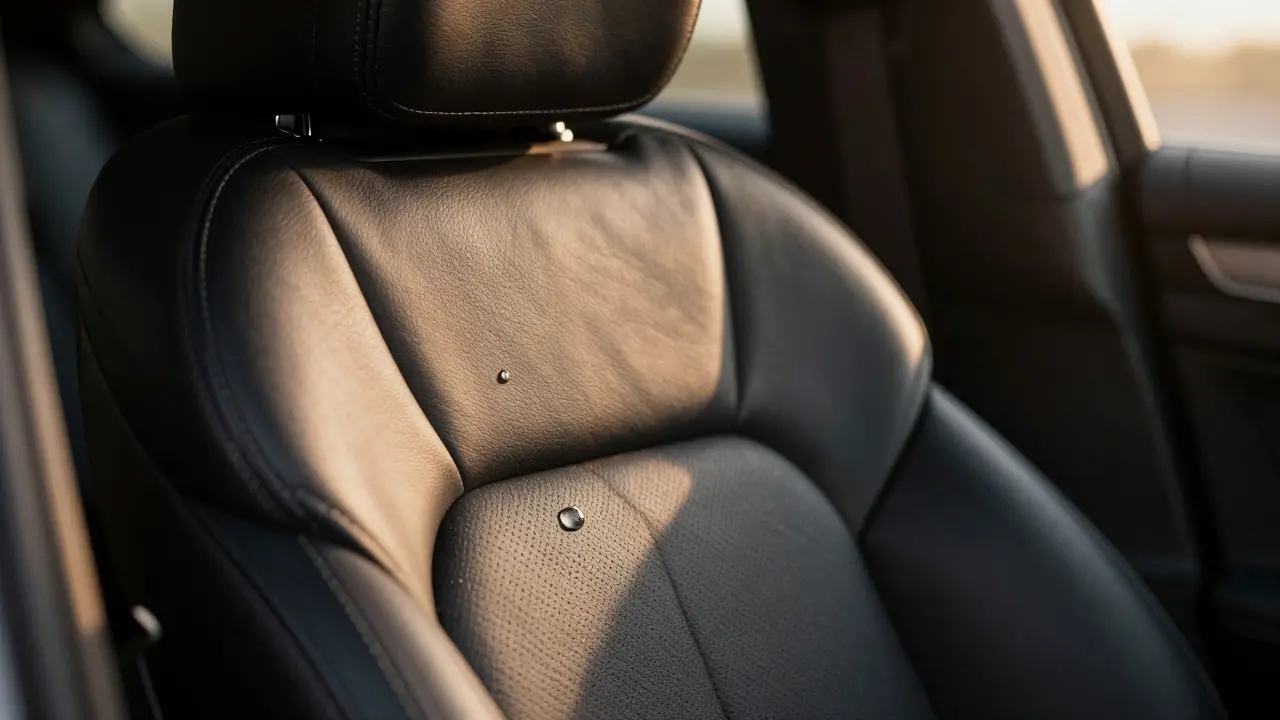
Most people think a shiny exterior is what makes a car look new. But walk into the cabin of a well-maintained vehicle, and you’ll notice something different. The seats don’t crack in winter. The dashboard doesn’t fade under summer sun. The door panels don’t stick with coffee spills. That’s not just good luck; it’s often the result of nano-coating. This technology has moved from high-end show cars to everyday drivers, offering a layer of protection that traditional conditioners simply can’t match.
If you’ve ever struggled with stubborn stains on your center console or noticed white cracks forming along the edges of your steering wheel, you know the pain. Interior materials degrade fast. UV rays break down polymers, heat warps surfaces, and daily use grinds away protective layers. Nano-coatings change the game by creating an invisible shield at the molecular level. It’s not magic, but it feels like it when you wipe up a spill that used to be a nightmare.
What Exactly Is a Nano-Coating?
Nano-coating is a thin, durable layer of nanotechnology-based compounds applied to surfaces to repel dirt, water, and UV damage. Unlike wax or sealants that sit on top of a surface, nano-particles bond chemically with the material underneath. Think of it like giving your car’s interior a microscopic raincoat. The particles are so small-measured in billionths of a meter-that they fill in the tiny pores of leather and plastic without changing the texture or feel.
The core benefit here is hydrophobicity. When you apply a quality nano-spray to a leather seat, water beads up and rolls off instead of soaking in. This isn’t just about looking cool; it prevents moisture from breaking down the leather fibers over time. For plastics, it adds a slickness that resists dust accumulation. You won’t need to wipe down your dash every morning because the static charge is reduced, and dirt just slides right off.
Why Traditional Products Fall Short
Let’s be honest: most interior cleaners are just soap and water with some added fragrance. Conditioners work by depositing oils or silicones onto the surface. These products help temporarily, but they require frequent reapplication. If you miss a month, the leather dries out again. Plastics start to look dull and chalky within weeks.
Nano-coatings offer longevity. A single application can last anywhere from six months to two years, depending on usage and maintenance. Compare that to the weekly routine many owners follow with traditional conditioners. The time savings alone make it worth considering. Plus, because the coating is transparent and non-greasy, it doesn’t attract dust the way heavy silicone-based products do. Your interior stays clean longer with less effort.
Protecting Leather: Beyond Just Shine
Leather is organic. It breathes, expands, and contracts with temperature changes. This natural movement makes it vulnerable. Without protection, the oils inside the leather evaporate, leading to stiffness and cracking. Nano-coatings address this by sealing the surface while still allowing the material to breathe slightly better than thick waxes.
Here’s how it works in practice. Imagine your driver’s seat gets a splash of sweat during a hot summer day. With a nano-coated surface, that liquid sits on top. You can wipe it away before it penetrates deep into the grain. Over time, this prevents the breakdown of collagen fibers that cause permanent creases and tears. It also blocks UV rays, which are the primary culprit behind color fading. Dark brown leather might turn grayish, and black leather might develop a whitish haze. The coating acts as a sunscreen for your upholstery.
- UV Protection: Blocks harmful rays that cause fading and brittleness.
- Stain Resistance: Repels liquids like coffee, soda, and oil.
- Texture Preservation: Maintains the original feel of the leather without adding a sticky film.
- Ease of Cleaning: Dust and debris slide off more easily, reducing cleaning frequency.
Saving Plastics and Vinyl from Fading
Plastic interiors suffer from a different set of problems. Hard plastics on dashboards and door cards tend to become brittle and crack under constant flexing. Soft vinyl trims can melt or deform in extreme heat. Both types fade quickly when exposed to sunlight through the windshield.
Nano-coatings provide a barrier against these elements. By reflecting UV light and reducing heat absorption, they keep the plastic flexible and colorful. I’ve seen dashboards that were previously cracked and discolored restored to near-factory condition after a thorough cleaning and nano-application. The difference is stark. The surface looks deeper, richer, and feels smoother to the touch.
One specific advantage for plastics is anti-static properties. Standard plastic attracts lint, hair, and fine dust. A nano-coated surface reduces this electrostatic attraction, meaning your dash stays cleaner between washes. This is particularly useful in areas with dry climates where static buildup is worse. In Portland, Oregon, our damp weather helps somewhat, but during dry summer months, static is still a real issue for unprotected interiors.
Application Process: DIY vs. Professional
You have two main options for getting this protection: doing it yourself or hiring a professional detailer. Both have merits, but the outcome depends heavily on preparation.
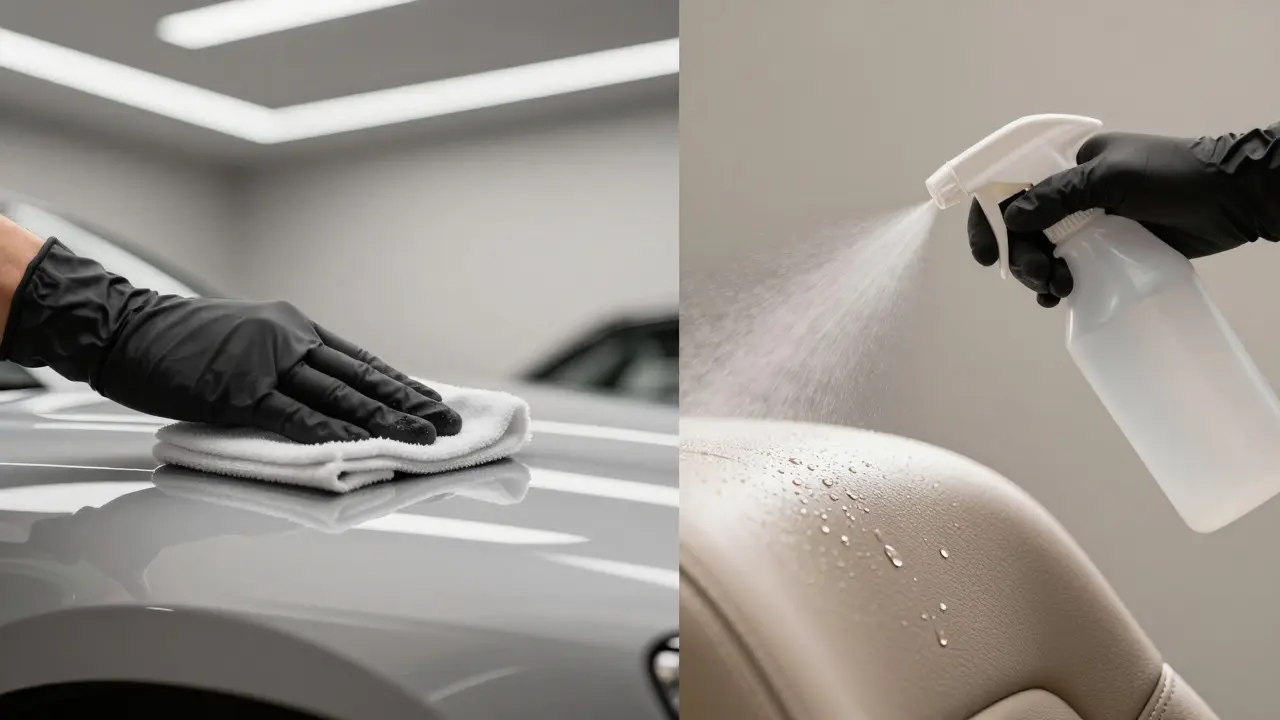
If you choose the DIY route, patience is key. The surface must be absolutely clean and free of old conditioners or residues. Use a dedicated interior cleaner to strip away any previous products. Then, let the surface dry completely. Apply the nano-spray in thin, even coats using a microfiber cloth. Avoid pooling the product, as this can lead to streaks or uneven curing. Most products require a cure time of 12 to 24 hours before the surface can be touched or cleaned again.
Professional detailers bring equipment and experience. They often use heated guns to accelerate the curing process and ensure a uniform finish. They also inspect the interior for existing damage, such as deep cracks or peeling trim, which may need repair before coating. While it costs more upfront, the professional job typically lasts longer and looks flawless. For high-value vehicles or those with extensive leather interiors, the pro route is often worth the investment.
| Feature | Traditional Conditioner | Nano-Coating |
|---|---|---|
| Duration | 2-4 weeks | 6 months - 2 years |
| UV Protection | Moderate | High |
| Stain Resistance | Low (absorbs oils) | High (repels liquids) |
| Maintenance Effort | High (frequent reapplication) | Low (occasional wiping) |
| Surface Feel | Oily or waxy | Smooth and dry |
Common Mistakes to Avoid
Even with a great product, bad application ruins the results. Here are the pitfalls I see most often:
- Skipping Prep Work: Applying coating over dirty or conditioned surfaces traps contaminants underneath. Always clean thoroughly first.
- Applying Too Thickly: More isn’t better. Thin layers cure faster and look clearer. Thick layers take days to dry and can remain tacky.
- Ignoring Curing Time: Rushing the process leads to smudges and reduced durability. Let it dry undisturbed.
- Using Wrong Cleaners Later: Once coated, avoid harsh solvents or abrasive pads. Stick to pH-neutral cleaners designed for coated surfaces.
Also, pay attention to compatibility. Not all nano-products work on every material. Some are formulated specifically for leather, others for hard plastics, and some for soft vinyl. Check the label. Using a hard-plastic formula on leather can sometimes leave a stiff residue, while a leather-specific formula might not adhere properly to rigid dashboard components.
Maintenance Tips for Longevity
Nano-coatings aren’t indestructible. They wear down over time due to friction, cleaning, and environmental exposure. To maximize their lifespan, adopt a gentle cleaning routine. Use a soft microfiber cloth for daily dusting. For deeper cleans, use a mild interior shampoo diluted according to instructions. Avoid steam cleaning directly on coated surfaces unless the manufacturer says it’s safe, as high heat can degrade the polymer bonds.
Reapply the coating when you notice the hydrophobic effect diminishing. Water should no longer bead up perfectly if the coating is wearing thin. This usually happens after a year or two of regular use. At that point, a quick refresh coat can restore the protection without needing a full strip and re-clean.
Frequently Asked Questions
Will nano-coating change the color of my leather?
No, high-quality nano-coatings are clear and transparent. They enhance the depth of the color by filling pores, making the leather look richer, but they do not alter the actual hue. However, always test on a hidden area first to ensure compatibility with your specific dye.
Can I use nano-coating on fabric seats?
Yes, but you need a fabric-specific nano-spray. These are designed to penetrate fibers rather than sit on top. They provide stain resistance and water repellency without making the fabric feel stiff or synthetic. Do not use leather formulas on fabric, as they may clog the weave.
How long does the application process take?
For a DIY application, expect 2-4 hours for prep and application, plus 24 hours of curing time. Professional detailing takes about 4-6 hours including heating and inspection. The total time depends on the size of the interior and the condition of the materials.
Is nano-coating safe for children and pets?
Yes, once fully cured, nano-coatings are inert and non-toxic. There are no strong fumes left after the initial drying period. It’s safe for families with young children or pets who spend time in the car. Just ensure the area is ventilated during the application phase.
Does it work on already damaged leather?
It can help protect existing damage from getting worse, but it won’t repair deep cracks. For severe cracking, consider professional leather repair first. The coating will then seal the repaired areas and prevent further degradation. On minor scuffs, the coating can blend them in visually.