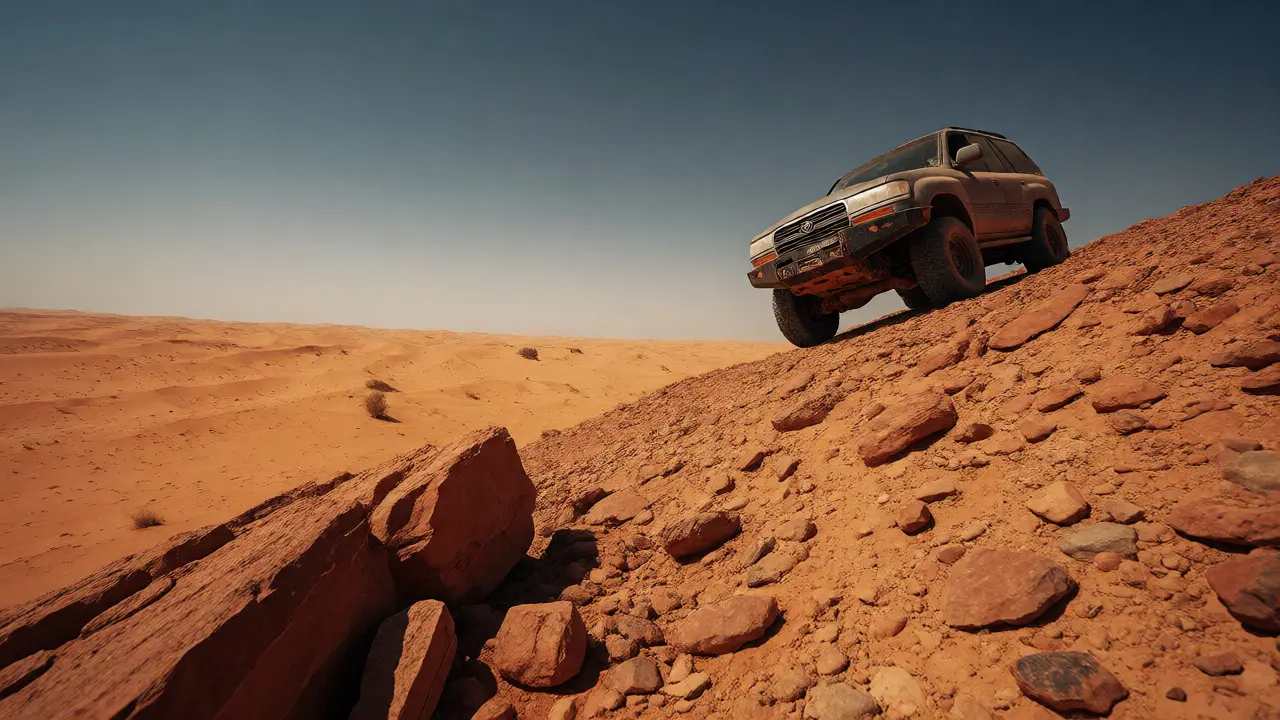
You just bought a lifted Jeep Wrangler or a rugged Toyota Land Cruiser. You’ve got the tires, the winch, and the dream of kicking up sand dunes in Moab or racing across the Nevada dry lakes. But here’s the cold splash of reality: your standard auto insurance policy might not cover you when you leave the pavement. In fact, most basic policies explicitly exclude damage sustained during "organized racing" or specific off-road activities. If you’re hitting the desert trails this season, you need to know exactly what off-road insurance coverage actually protects you from.
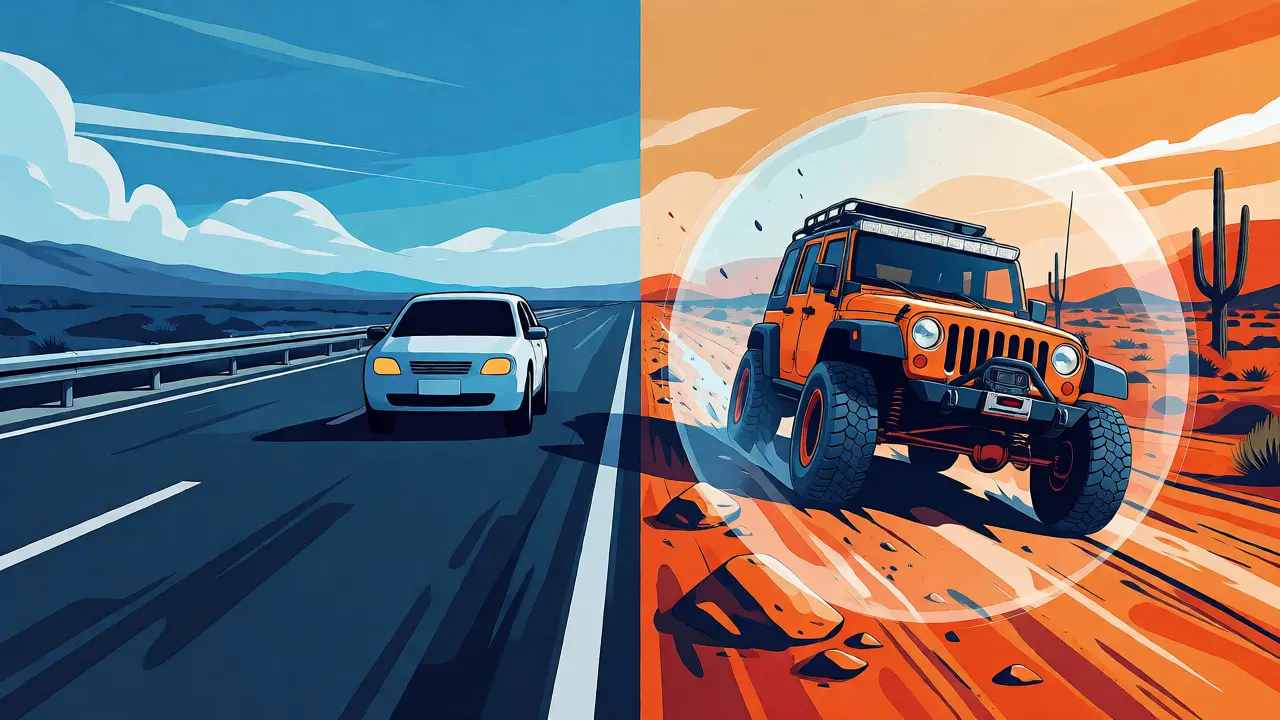
This isn’t about buying more paper; it’s about understanding the gaps between your daily commute and your weekend adventure. Standard car insurance is designed for asphalt. It calculates risk based on traffic patterns, weather, and urban hazards. The desert throws different variables at you: sudden rock slides, extreme heat affecting engine components, and collisions with obstacles that aren’t other cars. Let’s break down how to keep your rig insured while you’re out there getting dirty.
Why Standard Auto Policies Fail Off-Road
Most drivers assume their comprehensive and collision coverage handles everything. That’s a dangerous assumption. When you look closely at your policy declarations page, you’ll often find exclusions for vehicles used in "non-standard" ways. While casual trail riding (often called "green lane" or "blue lane" driving) is sometimes tolerated by major insurers like GEICO or State Farm, they draw a hard line at activities deemed reckless or competitive.
Consider this scenario: You’re navigating a rocky incline in Utah. A suspension component snaps because of an unseen impact, causing your SUV to roll. Your insurer might argue that the wear and tear leading up to that moment wasn’t covered, or that the activity itself voided the claim if you were part of an organized event without prior notification. Furthermore, standard liability limits rarely account for the environmental cleanup costs if you leak fluids in a protected federal land area.
Standard Auto Insurance is a financial product designed to mitigate risks associated with public road usage, typically excluding damages resulting from off-road recreational activities or competitive events. Its primary limitation lies in its definition of "insured location," which usually restricts coverage to public roads and private driveways.
The Specific Risks of Desert Driving
Desert environments present unique mechanical and physical threats that don’t exist on highway commutes. Understanding these helps you choose the right add-ons. Heat is a silent killer for engines and transmissions. Dust infiltrates air filters and electronics faster than you can clean them. Then there’s the terrain itself-sharp rocks, deep sand, and steep drops.
- Rollover Risk: High-center-of-gravity SUVs are prone to tipping on uneven desert terrain. Comprehensive coverage usually covers the vehicle damage, but only if the cause isn't excluded.
- Underbody Damage: Hitting a submerged rock can crack an oil pan or transmission housing. This is mechanical failure, which standard collision coverage might dispute if it deems it "wear and tear."
- Environmental Liability: If you crash into a cactus or spill fuel, you could face fines from the Bureau of Land Management (BLM). Standard liability doesn’t always cover these regulatory fines.
Types of Off-Road Coverage Options
You have three main paths to protect your SUV. Each serves a different level of commitment to the sport.
| Coverage Type | Best For | Key Features | Cost Estimate |
|---|---|---|---|
| Standard Policy Add-On | Casual Trail Riders | Extends comprehensive/collision to unpaved roads; excludes racing. | $10-$30/month extra |
| Specialty Classic/Collector Insurer | Modified/Restored SUVs | Agreed value coverage; covers modifications; flexible mileage. | $50-$150/year flat |
| Dedicated Off-Road Policy | Frequent Adventurers/Racers | Covers racing, towing, accessories, and roadside assistance in remote areas. | $200-$600/year |
1. Endorsing Your Current Carrier
Start here. Call your current provider and ask specifically about "unpaved road" endorsements. Some companies will allow you to ride fire roads and maintained trails without issue. However, be precise. If you say you’re going "off-roading," they might deny it. If you say you’re driving on "publicly accessible dirt roads," they might approve it. Get the answer in writing via email.
2. Specialty Insurers for Modified Vehicles
If you’ve spent $10,000 on lift kits, armor, and lights, standard actual cash value (ACV) payouts won’t cut it. Companies like Hagerty or Grundy offer agreed-value policies. You declare the value of your build, and if it’s totaled, you get that amount. Crucially, many specialty carriers explicitly cover off-road use as long as you aren’t racing. They understand that a modified Jeep is a hobby vehicle, not just transportation.
3. Dedicated Adventure & Racing Policies
For those who participate in events like King of the Hammers or local club runs, you need a dedicated policy. These often include medical payments for driver and passenger injuries, which health insurance might not fully cover in remote settings. They also tend to offer higher limits for third-party liability, protecting you if you accidentally hit another trail user’s vehicle.
What About Modifications?
This is where most claims go sideways. If you install a $3,000 bumper, does your insurance cover it? Under a standard policy, likely no. Most base policies cover factory equipment. To protect aftermarket parts, you must list them individually. This is known as "scheduled personal property" endorsement or simply adding them to your collision/comprehensive deductibles.
Be aware of how modifications affect premiums. A supercharger increases speed potential, raising risk scores. Conversely, safety upgrades like roll cages or fire suppression systems might lower premiums in some niche markets. Always provide photos and receipts of your mods to your agent before your next renewal.
Liability: Who Pays If You Hit Someone?
Off-road parks and BLM lands are shared spaces. If you lose control and clip a family’s sedan parked at a trailhead, your bodily injury and property damage liability apply. But check your limits. California requires minimum liability, but in a high-traffic off-road hub, a multi-car pileup could exceed state minimums easily.
Also, consider uninsured motorist coverage. Not everyone out there carries proper insurance. If an uninsured driver hits you on a narrow trail, you want your own policy to cover your repairs and medical bills.
Practical Tips for Keeping Your Coverage Valid
Insurance is a contract, and contracts have conditions. Here is how to stay compliant:
- Disclose Usage: Never hide that you take your SUV off-road. If you lie on your application and file a claim, the insurer can rescind the policy.
- Document Everything: Take timestamped photos of your vehicle’s condition before every trip. If you return with new scratches, you can prove they happened on that trip.
- Know the Event Rules: If you join an organized rally, check if the event provides temporary insurance. Often, entry fees include a short-term liability waiver/policy that supersedes your personal one for the duration of the race.
- Review Annually: As you add mods or change your driving habits, update your policy. An annual review ensures you haven’t drifted into an exclusion zone.
Frequently Asked Questions
Does my regular car insurance cover me if I drive on a dirt road?
Usually, yes, if the dirt road is publicly maintained and accessible. However, if the road is unmaintained, rough, or technically "off-road" according to your policy's definitions, you might be excluded. Always check your specific policy wording regarding "unpaved surfaces."
Are aftermarket parts like bumpers and lifts covered?
Not automatically. Standard policies typically cover factory-installed equipment. You must schedule aftermarket parts with your insurer, providing receipts and photos, to ensure they are included in comprehensive and collision coverage.
What happens if I total my SUV in the desert?
If you have collision coverage and the accident isn't excluded, the insurer pays the Actual Cash Value (ACV) minus your deductible. If you have a specialty "agreed value" policy, they pay the pre-determined amount regardless of depreciation.
Do I need separate insurance for racing events?
Yes. Most standard and even specialty policies exclude "organized racing." Event organizers often require proof of insurance or sell short-term policies at registration. Verify if your existing policy covers the specific event type.
Is roadside assistance useful for off-road trips?
Standard roadside assistance rarely goes far off paved roads. Consider adding a specialized plan or joining an off-road recovery club that offers winching services in remote desert locations.