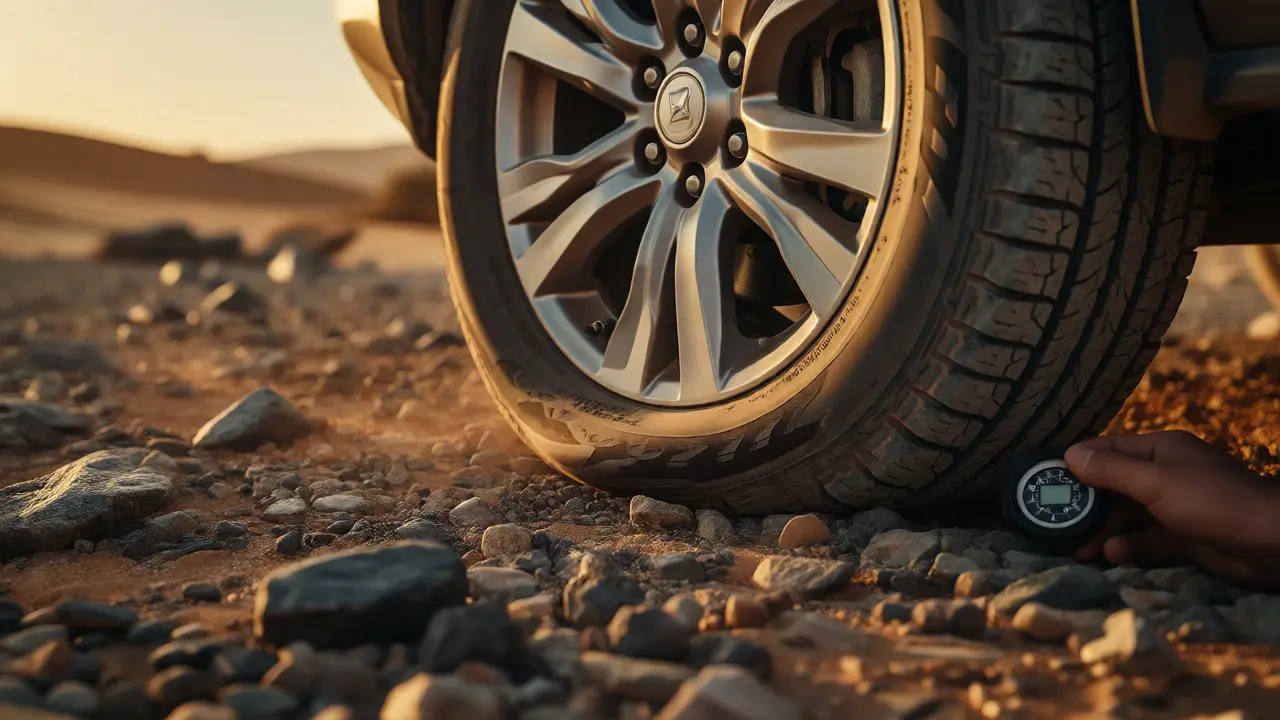
You’re staring at your gauge. The trail ahead is rocky, maybe some mud, definitely uneven ground. Your dashboard says 35 PSI. That’s perfect for the highway to get you to the trailhead, but out here? It’s like driving on stilts. You want grip. You want comfort. But if you drop that pressure too far, you risk popping a bead or shredding a sidewall. So, what’s the magic number?
There isn’t one single "magic" number because every SUV and every trail is different. But there is a safe range, a method to find it, and rules to keep you from wrecking your rims. Let’s break down how to adjust your SUV tire pressure for off-road conditions without compromising safety or vehicle integrity.
Why Highway Pressure Fails Off-Road
On pavement, high tire pressure keeps the contact patch small. This reduces rolling resistance, saves gas, and protects the tire from overheating. It’s efficient. But off-road, efficiency takes a backseat to traction and suspension absorption.
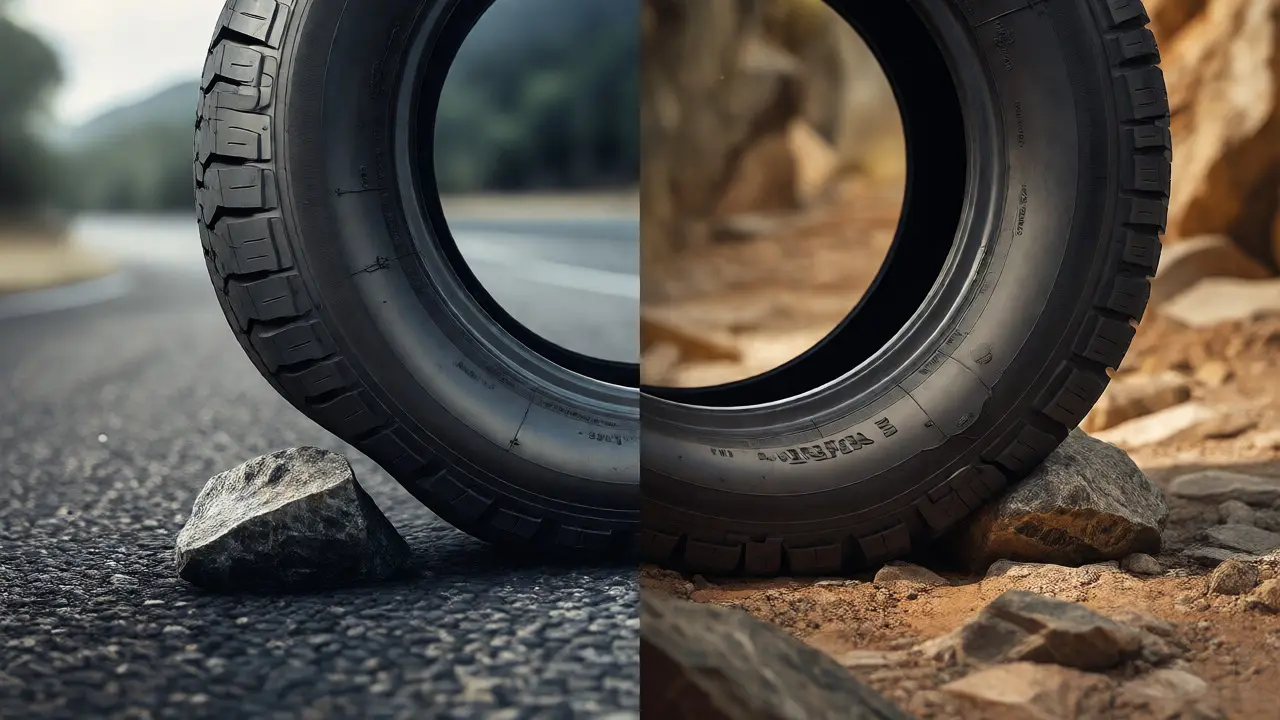
When you air down reduce tire pressure to increase the footprint of the tire on soft or uneven surfaces, two things happen immediately. First, the tire bulges out. This creates a larger surface area touching the dirt, sand, or rock. More rubber on the ground equals more grip. Second, the sidewall becomes flexible. Instead of bouncing off a rock, the tire wraps around it. This acts as an extra layer of suspension, smoothing out the ride and keeping your wheels in contact with the terrain when they would otherwise lift off.
| Feature | Highway (30-40 PSI) | Off-Road (15-25 PSI) |
|---|---|---|
| Contact Patch | Small, concentrated | Large, distributed |
| Ride Comfort | Firm, bumpy on rough roads | Soft, absorbs impacts |
| Traction on Soft Ground | Poor (floats/sinks) | Excellent (flotation) |
| Heat Buildup | Low | High (if driven fast) |
| Bead Safety | Very High | Moderate (risk of unseating) |
The General Rule of Thumb for SUVs
If you have a standard crossover or mid-size SUV-think Toyota RAV4, Jeep Grand Cherokee, or Ford Explorer-you aren’t running massive 37-inch mud-terrains on steel wheels. You’re likely on all-terrain tires with aluminum alloys. These are heavier and less forgiving than the beadlock setups you see on dedicated rock crawlers.
For most modern SUVs, dropping below 20 PSI is risky. Below 15 PSI, you are flirting with disaster unless you have very specific equipment. Here is a practical starting point based on common scenarios:
- Hard Pack Dirt/Rocky Trails: Drop to 25-28 PSI. This gives you a little more bite without risking the rim.
- Sand/Dunes: Go lower, 18-22 PSI. You need flotation. The wider footprint prevents you from digging holes.
- Mud/Snow: 20-24 PSI. Self-cleaning tread needs space to eject debris, but you still need sidewall stability to prevent slippage.
- Steep Inclines: 22-26 PSI. Too low, and the weight transfer causes the tire to roll off the bead on the uphill side.
Remember, these are starting points. If you feel the car bottoming out or the steering feels vague, add 2 PSI. If you’re spinning your wheels in loose gravel, try dropping another 2 PSI.
How to Air Down Safely
Don’t just use a stick to push the valve stem core. You’ll lose air unpredictably, and you won’t know when to stop. You need control. Most serious off-roaders carry a tire pressure gauge a calibrated tool used to measure the internal air pressure of tires and a set of valve caps or a dedicated deflator tool.
Air down when the tires are cold. If you’ve been driving on the highway, your tires are hot. Hot air expands. If you set them to 20 PSI while hot, they will read higher once they cool down, potentially leaving you under-inflated for the actual trail conditions. Park, let them sit for 15 minutes, then check.
Start with your front tires. Why? Because the engine sits up front. Front tires bear more weight. If you air down evenly, the fronts might be too stiff compared to the rears, causing unpredictable handling. Lower the fronts first, test the feel, then match the rears. Usually, you’ll run slightly higher pressure in the front (e.g., 22 PSI front / 20 PSI rear) to account for the engine weight.
The Risks: Bead Loss and Overheating
The biggest fear when airing down is losing the bead. The bead is the edge of the tire that locks into the wheel rim. When you drive on low pressure, the sidewall flexes inward. On sharp turns or steep cambers, this flex can pull the tire away from the rim. If the seal breaks, air escapes instantly. You’re stranded.
This risk is highest with aluminum alloy wheels. They often lack the deep lip found on older steel wheels. To mitigate this, avoid aggressive cornering at low pressures. Take turns wide and slow. If you hear a hissing sound, stop immediately. Don’t try to drive home on a flat-off-the-bead tire; you’ll destroy the sidewall.
Overheating is the other silent killer. Low pressure increases friction between the tire and the road. If you air down to 15 PSI and then drive 45 mph on pavement to get back to the highway, your tires will cook. The sidewalls will separate. Keep speeds under 30-35 mph when significantly aired down. If you need to travel long distances on hard surfaces, pump them back up.
Tools You Actually Need
You don’t need a $500 compressor system, but you do need reliable gear. A cheap pen-style gauge is often inaccurate by 3-5 PSI, which matters when you’re operating in a narrow safety window.
- Digital Gauge: Look for one with +/- 1% accuracy. Brands like Longacre or generic digital gauges from auto parts stores work well.
- Portable Compressor: Getting air back in is harder than letting it out. A 12V compressor plugged into your cigarette lighter works, but it’s slow. A CO2 inflator is faster for topping up after a short trail, but you need cartridges.
- Valve Caps: Buy a set of heavy-duty metal valve caps. Losing a core in the mud means losing all your air in seconds.
- Tire Repair Kit: Plug kits are essential. At low pressure, punctures are more common. Knowing how to plug a hole in 10 minutes saves you from waiting hours for a tow.
Re-Inflating Before Hitting Pavement
Once you’re back on asphalt, you must raise the pressure. Driving on 18 PSI at 60 mph generates excessive heat. Check your door jamb sticker. That number is your max load rating for normal driving. Pump your tires back to that spec, usually between 32-38 PSI depending on the vehicle.
Do not skip this step. I’ve seen people forget to air up, drive 100 miles on the highway, and end up with ruined tires. The sidewalls were flexing way beyond their design limits. It’s a costly mistake that takes five minutes to avoid.
Specific Considerations for Different SUV Types
Not all SUVs are created equal. A Subaru Outback handles differently than a Land Rover Defender.
Crossovers (Unibody): Vehicles like the Honda CR-V or Mazda CX-5 have lower ground clearance and softer suspensions. They benefit less from airing down because they aren’t designed for extreme articulation. Stick to 24-26 PSI. Going lower offers minimal gain and high risk.
Body-on-Frame (Truck-based): Vehicles like the Toyota 4Runner or Jeep Wrangler are built for this. They have stiffer frames and often better approach angles. You can safely go to 18-20 PSI on technical trails. Their suspension geometry allows for more tire movement without rubbing.
Luxury SUVs: Cars like the Audi Q7 or BMW X5 often come with Run-Flat Tires (RFTs). These have stiff sidewalls designed to support the car’s weight even with zero air. Because the sidewall is so rigid, airing down provides very little benefit. In fact, it can make the ride harsher because the tire doesn’t absorb shocks. For RFTs, stay closer to factory specs, perhaps dropping only 2-3 PSI for mild gravel.
Final Checklist Before You Hit the Trail
Before you leave the parking lot, run through this quick audit:
- Check tire condition. Are there cuts or bulges? Low pressure amplifies existing damage.
- Ensure lug nuts are tight. Vibration loosens them over time.
- Have your tools accessible. Don’t bury your compressor under camping gear.
- Note your current PSI. Write it on your hand or phone. You need to know where you started to get back there.
- Plan your route. Is it mostly sand? Rock? Mud? Adjust your target PSI accordingly.
Off-roading is about adapting to the environment. Your tires are your interface with that environment. Treat them with respect, adjust them wisely, and you’ll enjoy the trail much more than if you’re fighting a bouncing, slipping vehicle.
Can I drive on the highway with my tires aired down?
Yes, but only for short distances and at reduced speeds. If you are below 20 PSI, keep your speed under 35-40 mph. Above that, the heat buildup can damage the tire structure. Always reinflate to factory specifications before any significant highway travel.
Does airing down void my tire warranty?
Generally, no. Manufacturers expect tires to be used within their rated pressure ranges. However, if you damage a tire due to improper use (like driving 60 mph on 10 PSI), the warranty claim might be denied due to misuse rather than a defect. Always follow the tire manufacturer's minimum pressure recommendations for load capacity.
What happens if I air down too much?
You risk unseating the bead, which causes immediate air loss. You also increase the chance of cutting the sidewall on rocks. Additionally, excessive flexing generates heat that can separate the tire layers, leading to blowouts even after you return to normal pressure.
Do I need a special compressor for off-roading?
Not necessarily. Any 12V compressor that plugs into your vehicle's power outlet will work. However, cheaper models take a long time to fill large tires. Investing in a dual-motor compressor or a portable air tank can save you significant time when re-inflating four tires.
Is 15 PSI too low for an SUV?
For most modern SUVs with alloy wheels, yes, 15 PSI is dangerously low. It significantly increases the risk of bead loss during turns. Unless you have beadlock wheels or extremely soft terrain (like deep dunes) and are moving slowly, stick to 18-20 PSI as your lower limit.