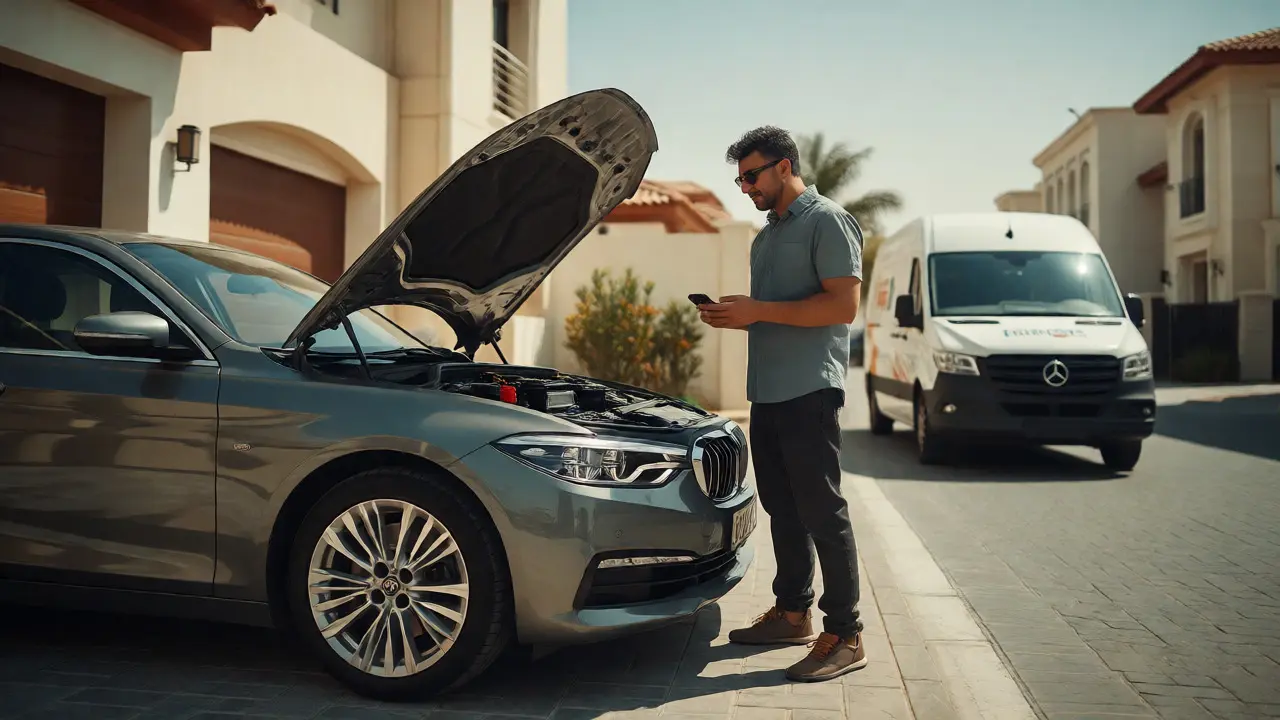
You’re standing in your driveway, staring at a dashboard that won’t light up. The engine cranks but doesn’t catch, or worse, it’s completely dead silent. In the past, this meant one thing: you had to call a tow truck, wait hours for a ride, and then sit in a waiting room while someone else messed with your car. But things have changed. On-site car battery installation is now the standard way to handle dead batteries, bringing the mechanic directly to your location instead of forcing you to bring the car to them.
This isn't just about convenience; it's about efficiency and safety. Modern cars are complex machines, and removing a battery incorrectly can reset electronic control units (ECUs), lose radio presets, or even cause electrical shorts if terminals aren't disconnected in the right order. A mobile technician knows these nuances. They come equipped with everything needed to diagnose whether you actually need a new battery or just a recharge, install the correct type, and test the charging system-all without you lifting a finger.
What Is On-Site Car Battery Installation?
At its core, on-site car battery installation is a mobile automotive service where a certified technician travels to your home, office, or roadside location to replace a vehicle's battery. Unlike traditional shop visits, there’s no lift, no bay, and no waiting room. Just a professional with a toolkit, a fresh battery, and diagnostic equipment.
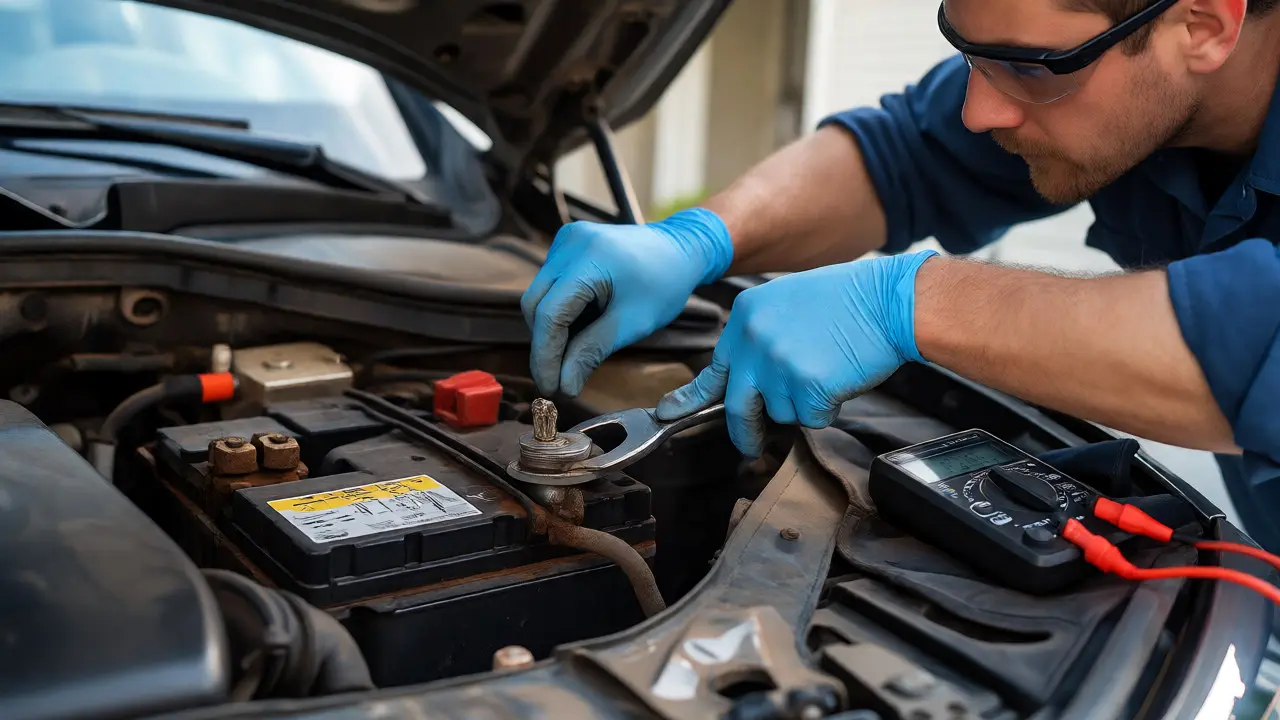
The process is surprisingly straightforward for the customer but technically precise for the mechanic. First, they assess the situation. Is the battery truly dead? Or is it an alternator issue? Once confirmed, they disconnect the old unit, clean the terminals to prevent corrosion buildup, install the new battery, and secure it properly. Finally, they run a load test on the new battery and check the alternator output to ensure your car stays charged moving forward.
Why does this matter? Because timing is everything. If you drive away immediately after installation, you might not realize the new battery has a defect until you’re miles from home. With on-site service, the tech watches the first few starts and ensures the voltage holds steady before packing up. It adds a layer of quality control that quick-lube chains often miss.
When Should You Call for Mobile Battery Service?
Not every battery problem requires immediate replacement, but certain signs scream for help. If your headlights look dim when the engine is off but brighten when you rev the gas, your battery is losing its ability to hold a charge. Another classic indicator is slow cranking. If the engine sounds like it’s struggling to wake up-like a tired athlete trying to stand up-it’s time to act.
Also, consider the age of your current setup. Most lead-acid batteries last between three and five years. If yours is four years old and you live in a climate with extreme temperature swings, like Portland’s wet winters or Arizona’s scorching summers, failure is likely imminent. Waiting until the car won’t start at all puts you at risk of being stranded in bad weather or unsafe locations.
- Dimming Lights: Interior lights appear yellowish rather than white when the engine is idle.
- Electrical Glitches: Power windows move slowly, or the radio resets frequently.
- Warning Lights: The battery icon on your dashboard illuminates during driving.
- Corrosion: White or blue powdery substance builds up around the battery terminals.
If you notice any of these, don’t gamble with a jump start. Jump-starting masks the problem temporarily. A mobile technician can provide a permanent fix by replacing the failing component before it leaves you stranded again.
The Step-by-Step Process of Mobile Installation
Wondering what happens when the technician arrives? Here’s exactly how the workflow goes down, so you know what to expect.
- Diagnosis: The tech connects a multimeter or battery tester to check voltage levels. A healthy resting battery should read above 12.4 volts. Anything below 12.0 indicates significant discharge or failure.
- Safety Prep: They put on protective gear and ensure the vehicle is parked in a safe, flat area. For hybrid or electric vehicles, special precautions are taken to avoid high-voltage shocks.
- Removal: The negative terminal is disconnected first to break the circuit, followed by the positive. This prevents accidental shorting if a wrench touches the chassis. The old battery is lifted out carefully-it can weigh 30 to 50 pounds.
- Cleaning: Terminal clamps and the tray are cleaned with a wire brush and baking soda solution to remove acid residue and corrosion. This step is crucial for good conductivity.
- Installation: The new battery is placed in the tray and secured with a bracket. Terminals are reconnected-positive first, then negative-to complete the circuit safely.
- Testing: The tech starts the engine and uses a scan tool to verify that the alternator is charging correctly (usually between 13.7 and 14.7 volts). They also clear any error codes related to low voltage.
This entire process typically takes 30 to 45 minutes. You can watch from your porch or go back inside; the tech will notify you when it’s done.
Cost Breakdown: What Are You Paying For?
One common hesitation people have is price. Is it more expensive than going to a shop? Sometimes yes, sometimes no. When you factor in the cost of a tow truck ($100-$200) or lost wages from taking a day off work, mobile service often comes out ahead financially.
Here’s a general breakdown of costs as of late 2026:
| Service Type | Average Cost Range | Notes |
|---|---|---|
| Standard Lead-Acid Battery Replacement | $150 - $250 | Includes part, labor, and disposal fee. |
| AGM Battery Replacement | $250 - $400 | Required for many newer cars with start-stop technology. |
| Jump Start Only | $80 - $120 | Temporary fix; does not include new battery. |
| Battery Diagnostic Test | $0 - $50 | Often waived if you purchase a new battery. |
Note that prices vary by region and vehicle make. Luxury brands like BMW or Mercedes often require specialized AGM (Absorbent Glass Mat) batteries, which are pricier but necessary for proper electronic function. Always ask for a quote upfront to avoid surprises.
Choosing the Right Mobile Provider
Not all mobile mechanics are created equal. Since they’re coming to your personal space, trust is paramount. Look for providers who offer transparent pricing, licensed technicians, and warranty coverage on both parts and labor.
Check reviews specifically mentioning "battery replacement." Did the tech show up on time? Were they respectful of your property? Did they explain why the old battery failed? These details reveal professionalism. Also, verify that they carry batteries compatible with your specific model year. Some apps allow you to input your VIN (Vehicle Identification Number) beforehand, ensuring the right part is brought along.
Another key factor is response time. In urban areas like Portland, Seattle, or Chicago, services can often arrive within two hours. Rural areas might take longer. If you’re in a hurry, prioritize companies with real-time tracking features so you know exactly when help is arriving.

DIY vs. Professional Installation: Which Is Better?
You might think, "I can change a battery myself." And sure, for older cars with easy access under the hood, it’s doable. But modern vehicles hide batteries in trunks, under seats, or behind fender liners. Removing these panels requires specific tools and knowledge. One wrong move could crack a plastic clip or damage a wiring harness.
Moreover, handling car batteries involves sulfuric acid. Spills can burn skin or corrode paint. Professionals wear gloves and use neutralizing agents. Plus, they dispose of the old battery responsibly. Throwing a lead-acid battery in the trash is illegal in most places and bad for the environment. Mobile services include recycling fees, ensuring proper handling.
If you’re handy and have the tools, DIY saves money. But if you value time, safety, and guaranteed performance, hiring a pro is worth every penny.
Tips to Extend Your New Battery’s Life
Once your new battery is installed, you want it to last. Here are some simple habits to adopt:
- Drive Regularly: Short trips prevent the alternator from fully recharging the battery. Try to drive for at least 20 minutes weekly.
- Keep It Clean: Check terminals monthly for corrosion. A little grease spray can prevent buildup.
- Avoid Extreme Heat: High temperatures accelerate internal evaporation. Park in shade when possible.
- Turn Off Accessories: Don’t leave lights, radios, or chargers plugged in when the engine is off.
Following these steps can extend the life of your investment by six months to a year, saving you another service call down the road.
How long does on-site battery installation take?
Typically, the actual installation takes 30 to 45 minutes. However, total time including diagnosis, testing, and cleanup may range from 45 minutes to an hour depending on vehicle complexity and accessibility of the battery compartment.
Do I need to be present during the service?
Yes, usually you need to be present to unlock the vehicle and approve the final bill. Some services offer remote authorization via app, but physical presence is safer for verifying work completion and discussing any additional findings.
Can they install a battery in a hybrid or electric car?
Yes, but it requires specialized training. Hybrids use auxiliary 12V batteries similar to conventional cars, but EVs have high-voltage packs. Ensure the provider explicitly states experience with hybrids/EVs to avoid damaging sensitive electronics.
What if the new battery fails quickly?
Reputable mobile services offer warranties on both the part (often 2-3 years) and labor (90 days to 1 year). If the battery dies within this period, they return to replace it at no extra cost. Keep your receipt and warranty documentation.
Is it cheaper to buy a battery online and hire a mechanic?
Sometimes, but not always. Online batteries lack immediate availability and warranty support. Mobile services bundle sourcing, delivery, and installation. If the online battery turns out to be defective, returning it is a hassle compared to having a pro swap it on the spot.