
It’s 2 PM on a Tuesday. You’re stuck in traffic, your coffee is getting cold, and suddenly your dashboard lights up with a low tire pressure warning. Or maybe it’s worse: the thumping sound of a flat tire as you pull over onto the shoulder. The last thing you want to do is wait three hours for a tow truck or drive to a shop that’s already backed up. This is where on-site car tire repair changes everything.
Getting a puncture fixed right where your car is sitting-whether in your driveway, at an office parking lot, or on a safe roadside spot-is faster, cheaper, and often more convenient than traditional garage visits. But does it work for every situation? What should you look for in a mobile service? And how much should you actually pay? Let’s break down exactly how this process works so you can make smart decisions when your tires let you down.
Key Takeaways
- On-site car tire repair is best for small punctures (under 1/4 inch) located in the tread area, not the sidewall.
- Mobile mechanics typically charge between $50 and $80 for a standard plug-and-patch repair, which is often less than towing plus shop fees.
- Always verify if the technician uses a combination method (plug + internal patch) rather than just a rubber plug, as this offers better long-term durability.
- If the damage is on the sidewall, near the rim, or larger than 1/4 inch, a replacement is usually safer than a repair.
- Check your vehicle owner’s manual; some manufacturers void warranties if tires are repaired instead of replaced after certain types of damage.
What Actually Counts as an On-Site Repair?
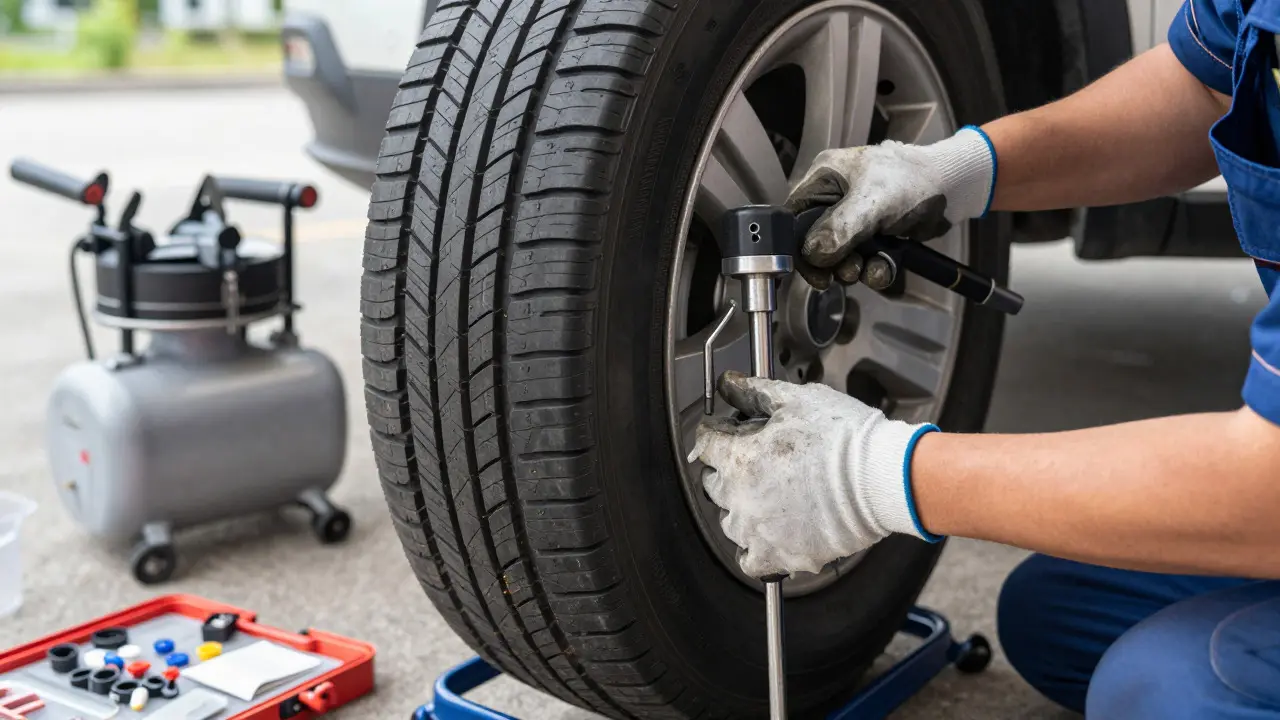
When people hear "mobile tire repair," they often imagine someone pulling out a giant machine from a van. In reality, most professional mobile tire technicians are independent mechanics or specialized roadside assistance providers who carry compact tools for fixing flats without removing the wheel from the car. They use portable air compressors, tire levers, and specific repair kits designed for field conditions.
The core service is almost always one of two things: plugging a hole or patching it from the inside. The distinction matters because not all repairs are created equal. A simple rubber plug pushed into the hole from the outside is quick but temporary. A proper repair involves mounting the tire, inspecting the inside, and applying a patch combined with a plug. This dual approach seals the leak from both sides, preventing air loss and moisture intrusion that could corrode the steel belts inside the tire.
You might wonder why this isn’t done in every shop. It’s because shops have overhead costs like rent and electricity. Mobile techs save you the hassle of moving your car, and they save themselves the cost of a physical location, which keeps prices competitive. However, this convenience has limits. If your tire is severely underinflated, the technician might need to inflate it fully before assessing the damage, which requires a robust compressor. Most modern mobile units handle this easily, but it’s worth asking if their equipment can hold enough pressure for your specific vehicle size, especially if you drive an SUV or truck.
Can Every Puncture Be Fixed On-Site?
Here’s the hard truth: not every flat tire is a candidate for a repair. Before you call anyone, take a close look at the damage if it’s safe to do so. The industry standard for repairability comes from organizations like the Rubber Manufacturers Association (RMA). According to their guidelines, a tire is generally repairable only if:
- The puncture is in the center 75% of the tread surface.
- The hole is no larger than 1/4 inch (6mm) in diameter.
- The tire has not been driven extensively while flat (more than 5 miles can cause internal structural damage).
- The sidewall is undamaged.
If the nail or screw went through the sidewall, skip the repair. Sidewalls flex constantly as the wheel turns. A patch there will likely fail within weeks, leading to a blowout at speed. Similarly, if the tire was run flat for a long distance, the internal cords may be frayed. A mobile tech can sometimes detect this by looking at the inner liner, but it’s not always visible. If you’ve been driving on a flat for more than a mile or two, assume the worst and consider replacement.
Another common issue is multiple punctures. If there are two holes in the same tire, they must be at least 3 inches apart to be safely repaired. If they’re closer together, the structural integrity is compromised, and a new tire is the only safe option. Don’t let a technician convince you otherwise unless they show you clear evidence that the spacing is sufficient.
How Much Does It Cost to Fix a Tire On-Site?
Pricing varies by region and provider type, but here’s what you can expect in most urban and suburban areas in 2026:
| Service Type | Typical Price Range (USD) | Includes |
|---|---|---|
| Simple Plug Only | $30 - $50 | Rubber plug, labor, inflation |
| Combination Patch & Plug | $50 - $80 | Internal patch, external plug, inspection, inflation |
| Tire Rotation (if offered) | $40 - $60 | Balancing check, lug nut tightening |
| New Tire Installation | $20 - $30 (labor only) | Mounting, balancing, disposal fee |
Note that these prices usually include the visit fee. Some companies charge a separate diagnostic fee if the tire turns out to be unrepairable, so ask about this upfront. If the tech brings a spare tire to install, the labor cost for mounting and balancing might be higher, around $30-$40, since it takes longer than a simple patch job.
Compare this to going to a dealership. A dealer might charge $100+ for the same repair due to higher labor rates and brand markup. An independent auto shop might charge $60-$70, but you still have to tow the car or drive it on a spare, which adds time and potential wear. For a straightforward puncture, the mobile option is almost always the most cost-effective choice.
What to Look For in a Mobile Tire Service
Not all roadside help providers are equal. When searching for a service, keep these criteria in mind:
- Experience with Specific Vehicles: If you drive a luxury sedan, a large pickup, or an EV, ensure the tech has experience with those weight classes and tire sizes. EVs, for example, often require tires with higher load ratings and lower rolling resistance, which can affect how the repair is performed.
- Tools and Equipment: Ask if they carry a torque wrench. Many cheap mobile kits use hand-tightened lugs, which can lead to uneven stress on the wheel. A pro uses a calibrated tool to ensure the wheel is secure.
- Warranty on Repair: A reputable service will offer a warranty on their work, typically ranging from 1 year to lifetime (as long as you own the tire). This protects you if the seal fails later.
- Reviews and Reputation: Check recent reviews specifically mentioning puncture repairs. Look for comments about cleanliness, communication, and whether they upsold unnecessary services.
Avoid generic "roadside assistance" apps that dispatch random drivers. You want a dedicated automotive professional who understands tire chemistry and mechanics, not just someone who knows how to use a jack.

Step-by-Step: What Happens During the Visit
Knowing the process helps you stay calm and ensures nothing is missed. Here’s the typical workflow for an on-site puncture fix:
- Arrival and Safety Setup: The technician arrives, sets up cones or flares if on the road, and checks the tire visually. They’ll ask how long you’ve been driving on the flat.
- Inflation and Inspection: They inflate the tire to its recommended pressure (found on your door jamb sticker) to see if the leak stops. If it holds, great. If not, they locate the leak using soapy water or a listening device.
- Removal and Mounting: The wheel is removed from the car and mounted on a portable balancer or held steady. The technician cleans the area around the puncture.
- Repair Execution: For a combo repair, they ream the hole, insert a plug, then apply an adhesive patch on the inside. This takes about 15-20 minutes per tire.
- Reinstallation and Balancing: The wheel goes back on the car. The tech tightens the lugs to specification and inflates the tire again.
- Final Check: They check the pressure once more and advise you on when to return for a rotation or balance check.
The whole process usually takes 30 to 45 minutes. If you’re waiting, it’s a good time to ask questions about your other tires. Techs can quickly check tread depth with a penny test or gauge, giving you a heads-up if another tire is nearing the end of its life.
Common Mistakes to Avoid
Even with a professional, mistakes happen. Here’s how to protect yourself:
Ignoring the Spare Tire Condition. If you have a full-size spare, check its age. Spares older than 6-7 years can dry rot, even if unused. If your mobile tech finds your spare is bad, ask about replacing it on-site if possible, or budget for it soon.
Assuming All Plugs Are Equal. Cheap rubber plugs degrade quickly. Ask if they use a self-vulcanizing plug, which bonds chemically to the tire rubber. This is a small detail that makes a big difference in longevity.
Skipping the Balance Check. After any tire work, including a patch, the wheel’s weight distribution can shift slightly. If you feel vibration at highway speeds after the repair, go back for a free balance adjustment. Reputable techs will offer this if you mention the issue.
Frequently Asked Questions
Is on-site tire repair as safe as doing it at a shop?
Yes, provided the technician uses proper tools and follows RMA guidelines. The main risk is environmental factors like wind or rain affecting the repair quality. A skilled mobile tech mitigates this by working quickly and using high-quality adhesives that cure fast. As long as the repair is done correctly, the safety profile is identical to a shop repair.
How long does a tire patch last?
A properly executed combination patch and plug repair should last the remaining life of the tire. That means if your tire has 4 years left on it, the repair should hold for those 4 years. Simple plugs may only last 1-2 years or until the next major flex cycle causes them to pop out.
Can I drive home on a plugged tire?
Generally, yes, but avoid highway speeds above 55 mph for the first few days to allow the adhesive to set completely. If the plug feels loose or you hear hissing, stop immediately. Driving on a failed plug can lead to a sudden blowout, which is dangerous at high speeds.
Do electric vehicles need special tire repair attention?
EVs are heavier and produce more torque, which puts extra stress on tires. When repairing an EV tire, ensure the technician checks for hidden damage caused by the higher load. Also, EVs often use low-profile tires, which are more susceptible to sidewall damage. Be extra cautious about repair eligibility on these models.
What if the mobile tech can't fix my tire?
If the tire is unrepairable, ask for a discount on the visit fee. Many companies waive the diagnostic charge if you buy a new tire from them. If you don't buy a tire, negotiate a partial refund for the travel cost. Always get a written estimate before they start working to avoid surprises.