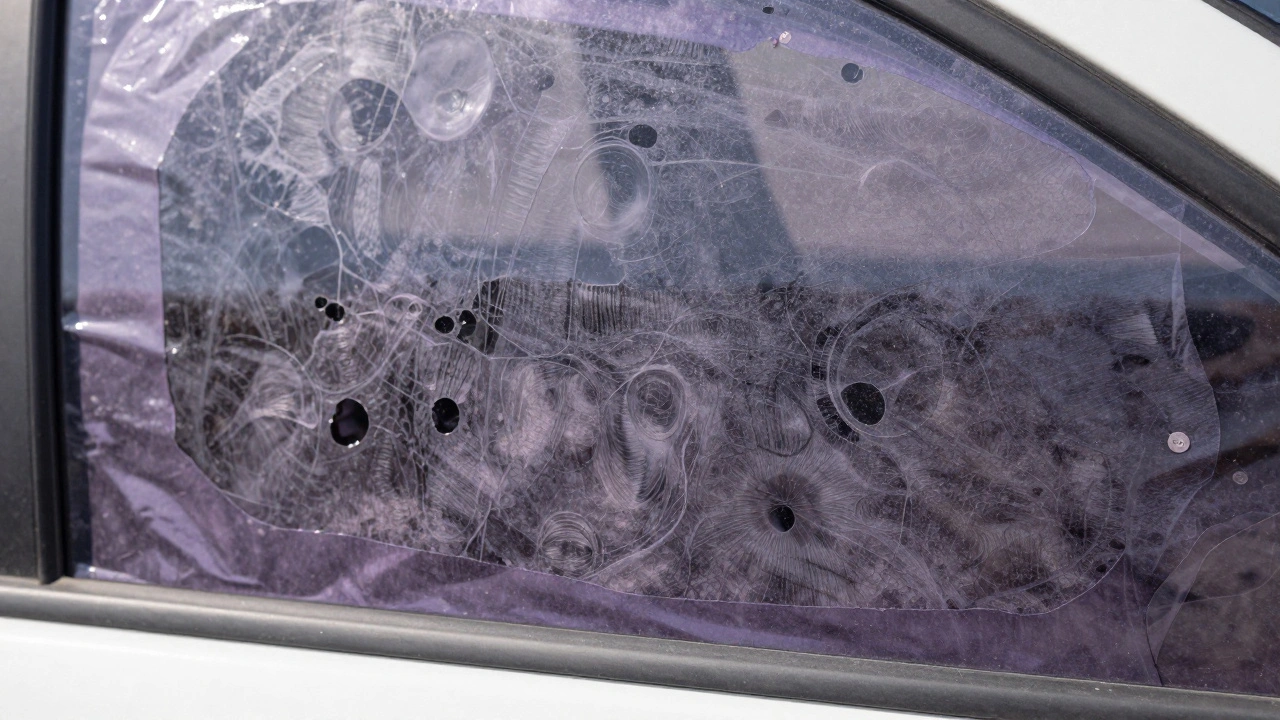
You might think peeling off a piece of plastic from your car window is a simple weekend project. But once you realize that old, bubbling film is practically fused to the glass, the task becomes a nightmare. Attempting to rip it off by hand often leaves behind a sticky, cloudy residue that attracts every speck of dust on the road. Worse, using the wrong blade or chemical can lead to permanent scratches on the glass or damage to the delicate defroster lines on your rear window. This is why window tint removal isn't just about pulling plastic-it's about a precise chemical and thermal process to restore the glass to its original state.
Quick Takeaways for Glass Restoration
- Professional stripping is essential for old, cracked, or "purpling" films to avoid glass scratching.
- Heat and steam are the primary tools used to break the adhesive bond without using harsh abrasives.
- Defroster safety is the biggest risk; professional technicians ensure heating elements aren't severed.
- Adhesive residue requires specialized solvents to ensure the glass is perfectly clean for new film.
Why Professional Tint Stripping is Necessary
Over time, window films degrade. You'll notice this when the tint starts to bubble, peel at the edges, or turn a strange purple hue. This happens because the dyes and adhesives break down under constant UV exposure. When you decide it's time for a change, you aren't just removing a sheet of polyester; you're fighting a bond that has been baked into the glass for years.
Automotive Window Film is a thin layer of polyester plastic applied to the interior of glass to reduce heat and glare. When this film fails, the adhesive often stays behind. If you try to scrape this off with a razor blade without the proper angle or lubrication, you'll likely create micro-scratches that catch the light and ruin your visibility. Professional services use industrial steamers and specific solvents to lift the film and glue simultaneously, leaving the glass untouched.
The Process: How Professionals Strip Tint
A professional stripping service doesn't just "rip and grip." There is a specific sequence to ensure the glass remains pristine. First, the technician assesses the type of film. Dyed films behave differently than ceramic or metallic ones. Metallic films, in particular, can be stubborn and may require a different chemical approach to break the bond.
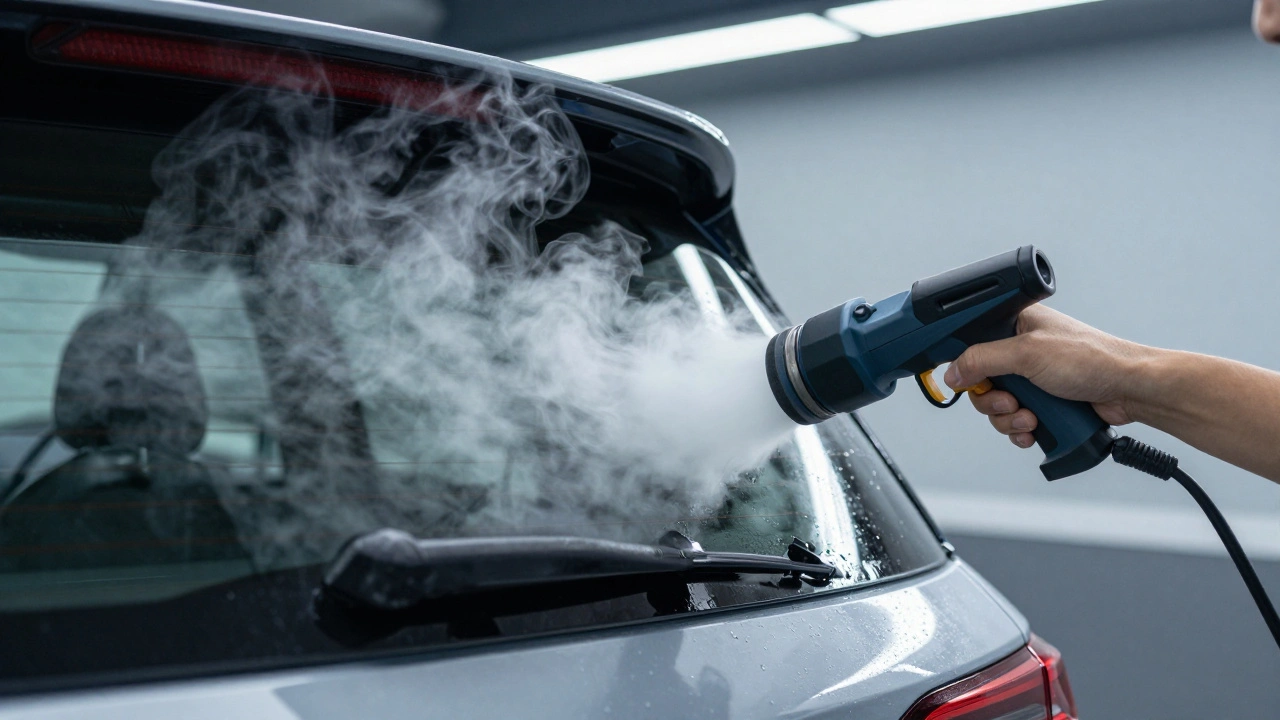
- Thermal Softening: Technicians use a high-temperature steamer or a professional heat gun to soften the adhesive. This makes the film more pliable and less likely to snap into tiny, hard-to-remove pieces.
- Controlled Peeling: The film is lifted from the corners and pulled at a steady, consistent angle. This prevents the film from tearing, which is where most DIY attempts fail.
- Chemical Decontamination: Once the bulk of the film is gone, a tacky residue almost always remains. Pros use specialized citrus-based cleaners or isopropyl alcohol solutions to dissolve the glue without damaging the rubber seals or interior trim.
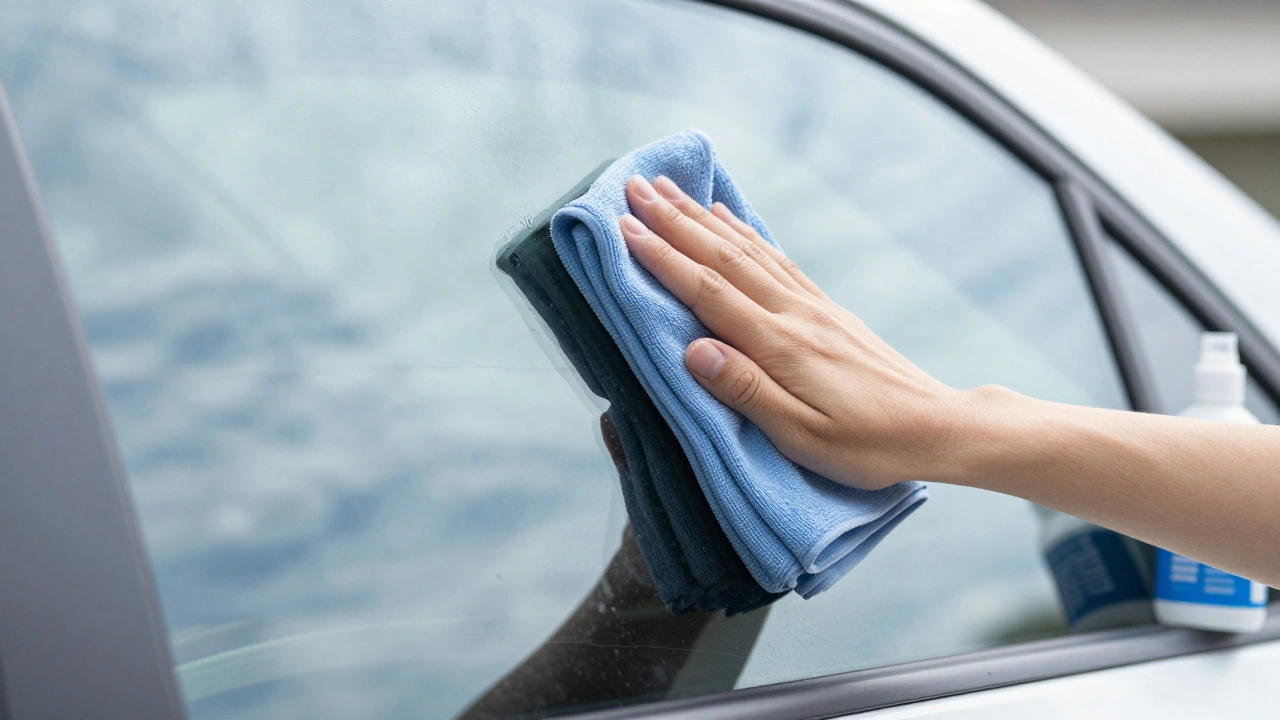
- Final Polishing: The glass is cleaned with a lint-free microfiber cloth and a streak-free agent to ensure there are no microscopic particles left behind. This is critical because any leftover glue will cause bubbles if you decide to reinstall new tint immediately.
Residential and Commercial Glass Challenges
While car windows are the most common, Commercial Window Tinting involves much larger surface areas and often stronger, security-grade adhesives. Removing film from a storefront or a home's sliding glass door is a different beast. The sheer volume of adhesive means that simple hand-scraping is impossible.
In these settings, professionals often use larger steam machines and specialized scrapers with replaceable surgical-grade blades. Because these windows are often fixed, they can't be rolled down to reach the edges, requiring the technician to work carefully around the frames to avoid scratching the paint or the aluminum casing. If you're dealing with security film, which is designed to hold glass together during an impact, the removal process is significantly more intensive and requires heavier-duty solvents.
| Feature | DIY Attempt | Professional Service |
|---|---|---|
| Tools Used | Razor blades, soapy water, hair dryer | Industrial steamers, chemical solvents, precision blades |
| Risk of Damage | High (Scratches, defroster line breakage) | Low (Controlled thermal and chemical lift) |
| Cleanliness | Often leaves "ghosting" or sticky residue | Hospital-grade clean, ready for re-tinting |
| Time Investment | Hours of scrubbing and scraping | Quick, streamlined process |
The Danger Zone: The Rear Defroster
If you have a sedan or an SUV, your back window is a minefield. The thin orange lines you see are the Defroster Grid, which consists of conductive heating elements. If you use a metal blade to scrape the glass, one slip can sever these lines, leaving you with a permanent blind spot on your window every time it rains or frosts over.
Professionals avoid this by using a "steam-and-pull" method. By saturating the adhesive with steam, the film releases from the glass without the need for aggressive scraping. This preserves the integrity of the grid. If the tint is extremely old and brittle, a pro will use a plastic razor or a chemical soak to gently lift the material, ensuring the heating elements remain intact.
Preparing for Tint Replacement
Most people don't remove tint just to have clear windows; they do it to upgrade. Whether you're moving to a Ceramic Window Tint for better heat rejection or a darker shade for privacy, the surface preparation is everything. A single piece of lint or a tiny dot of leftover glue will create a bubble that looks like a permanent air pocket in your new film.
When you opt for a professional stripping service, the glass undergoes a multi-stage cleaning process. They don't just wipe it down; they use a series of degreasers to ensure the glass is chemically neutral. This allows the new film to bond perfectly, ensuring a seamless finish that lasts for years rather than months. If you're replacing tint for legal compliance-such as meeting state laws on light transmission-a professional can also provide the exact percentages needed to keep you legal on the road.
Does removing window tint damage the glass?
When done correctly, no. However, using metal scrapers or abrasive sponges can cause micro-scratches. Professional services use heat and chemical solvents to lift the film safely without touching the glass surface with abrasive tools.
How long does a professional tint removal take?
For a standard vehicle, it usually takes between 1 and 3 hours depending on the condition of the film. Very old, brittle, or "baked-on" tint takes longer because it requires more steam and detailed cleaning to remove the adhesive residue.
Can I remove the tint myself using a hairdryer?
A hairdryer provides some heat, but it is rarely enough to fully soften the adhesive bond of old professional-grade film. You risk tearing the film into small pieces, which makes the removal process much harder and increases the likelihood of having to scrape the glass.
Will my defroster still work after tint removal?
Yes, provided a professional performs the service. Pros avoid the use of sharp blades on the rear window, instead using steam to lift the film. DIY removal is where most defroster lines are accidentally cut and ruined.
What is the difference between dyed and ceramic tint removal?
Dyed films often degrade faster and leave more residue. Ceramic films are generally more durable but can be thicker. While the removal process is similar, professionals may use different chemical agents to break down the specific adhesives used in high-end ceramic films.
Next Steps and Troubleshooting
If you've already tried a DIY removal and found yourself staring at a sticky mess, don't panic and don't start scrubbing with steel wool. The best move is to stop immediately. Further scrubbing often pushes the glue deeper into the glass pores or creates permanent swirls.
For those looking to upgrade, the best path is to book a "Strip and Tint" package. This ensures the glass is prepped by the same person who installs the new film, meaning they take full responsibility for the final look. If you are a commercial property owner, schedule your removal during off-hours, as the steam and solvents used can create a temporary mist on the glass and a strong scent in the air.