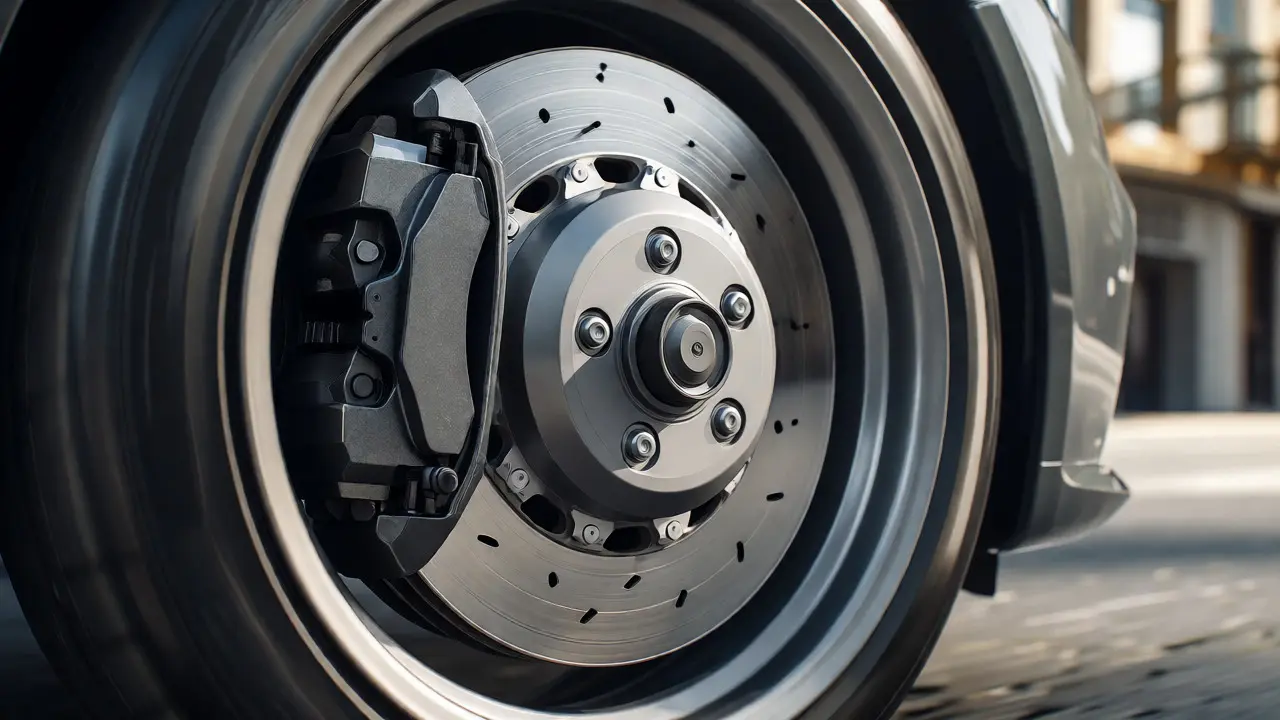
You’re driving along, and suddenly you hear that familiar screech or feel a slight vibration in the pedal. You know it’s time for brake service, but then comes the question every driver faces at the mechanic: "Do I need all four brakes replaced, or just the front ones?" It’s a valid concern because brakes aren’t cheap, and nobody wants to pay for work they don’t strictly need yet. But here’s the thing-your brakes don’t wear evenly, and ignoring the difference between your front and rear systems can lead to uneven stopping power or even safety risks.
The reality is that most modern cars are designed with a proportioning valve and electronic brake-force distribution that sends about 70% of the braking force to the front wheels. Why? Because when you hit the brakes, weight shifts forward, loading up the front tires and making them do the heavy lifting. This means your front brake pads typically wear out twice as fast as your rear brake pads. So, should you always replace both axles? Not necessarily. Let’s break down exactly when you can save money by replacing only the front brakes, and when it’s smarter to go for a full set.
Why Front Brakes Wear Faster Than Rear Brakes
To understand why mechanics often suggest replacing front brakes first, you have to look at physics. Every time you press the brake pedal, inertia tries to keep your car moving forward while the brakes try to stop it. This causes the vehicle’s nose to dip, transferring significant weight onto the front axle. The front suspension compresses, and the front tires gain more grip, allowing them to handle more braking torque.
This phenomenon, known as weight transfer, is why manufacturers design front brake rotors and calipers to be larger and more robust than their rear counterparts. In many sedans and SUVs, the front rotors might be 12 inches in diameter, while the rears are only 10 or 11 inches. Since the front brakes are doing the majority of the work, their friction material-the pads-erodes quicker. If you drive mostly in city traffic with lots of stop-and-go driving, this wear accelerates significantly compared to highway cruising.
Can You Replace Just Front Brakes?
In most cases, yes, you can replace only the front brakes. This is standard practice for the majority of daily drivers. If your inspection shows that the front pads are down to 3mm (the typical minimum safe thickness) while the rear pads still have 6mm or more, there is no mechanical requirement to touch the rear system.
However, there are conditions where replacing only the front brakes might cause issues:
- Extreme Imbalance: If the rear brakes are nearly gone (less than 2mm), leaving them alone while installing new front pads can create an imbalance in stopping power. The new fronts will grab harder, potentially causing the rear to lock up slightly under hard braking if the proportioning valve isn’t perfectly tuned for the new friction coefficients.
- Electronic Stability Control Interference: Some modern vehicles with advanced stability control systems may throw error codes if the wheel speed sensors detect a sudden change in deceleration rates between axles. While rare, it’s worth asking your mechanic if your specific model requires paired axle replacement.
- Corrosion: If the rear brake hardware (caliper slides, pins) is heavily corroded, it might be safer to service them now rather than later when they seize completely.
When Should You Replace All Four Brakes?
While saving money is great, there are specific scenarios where replacing all four brakes simultaneously is the better choice. Think of it like buying tires-you don’t usually buy one tire; you buy pairs or sets to maintain balance. Brakes follow similar logic.
| Scenario | Recommended Action | Reasoning |
|---|---|---|
| Front pads < 3mm; Rear pads > 5mm | Replace Fronts Only | Rear brakes have ample life remaining. Cost-effective. |
| Front pads < 3mm; Rear pads < 4mm | Replace All Four | Rears are nearing end-of-life. Avoids double labor costs soon. |
| Performance Vehicle / Sport Driving | Replace All Four | Maintains consistent fade resistance and balance. |
| Older Vehicle (> 10 years) | Inspect Hardware First | Calipers may be seized; full refresh prevents future leaks. |
The biggest argument for replacing all four is labor efficiency. Most shops charge by the job or the hour. If you replace just the fronts today, and the rears need attention in three months, you’ll pay for two separate inspections, two shop fees, and two rounds of labor. By bundling them, you often get a discount on parts and save time. Plus, having fresh pads and rotors on all four corners ensures predictable pedal feel and maximum safety margin during emergency stops.
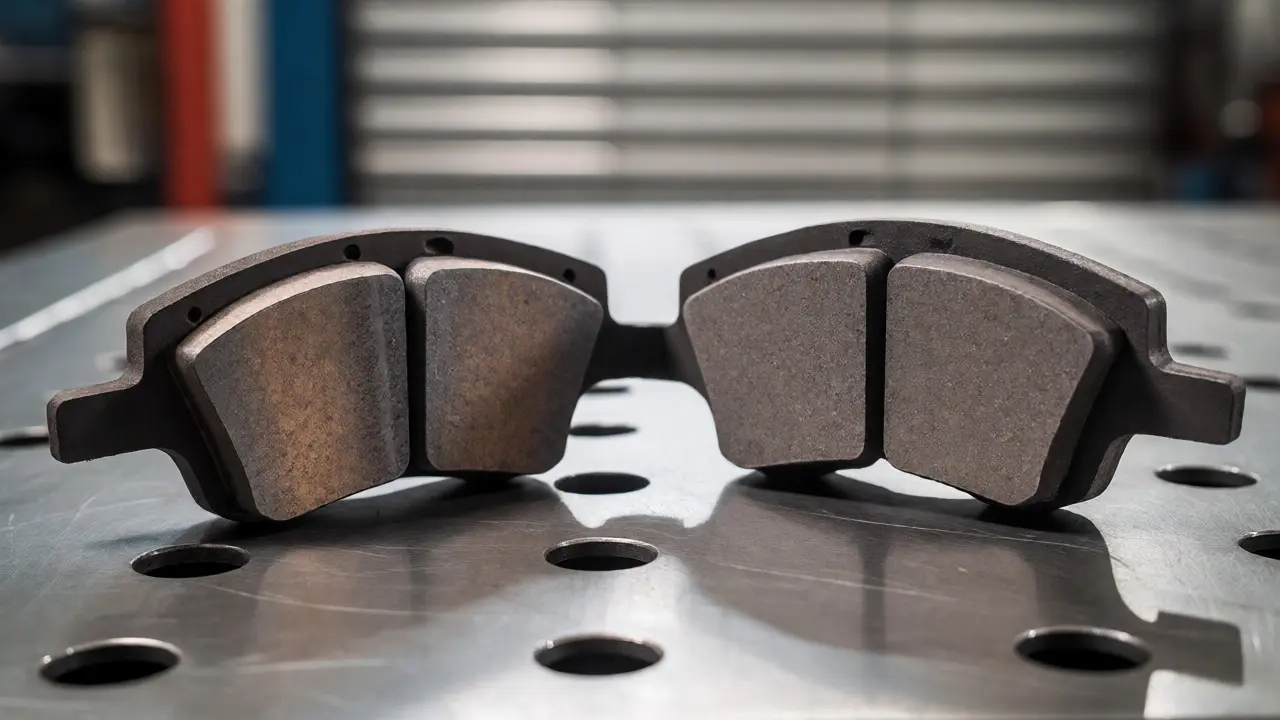
Signs Your Rear Brakes Are Failing Too
Since rear brakes wear slower, problems there are often silent until they become severe. Unlike front brakes, which give obvious feedback through the steering wheel, rear brake issues manifest differently. Here’s what to watch for:
- Parking Brake Weakness: On many cars, the parking brake operates on the rear drums or integrated rotor hats. If your car rolls slightly on a hill despite the parking brake being engaged, your rear friction surfaces are likely worn.
- Vibration During Light Braking: Warped rear rotors can cause a subtle shudder felt in the seat or floorboard, especially when braking gently from high speeds.
- Increased Stopping Distance: If your car feels like it’s taking longer to come to a complete stop, even after new front brakes are installed, the rear brakes may not be contributing effectively.
- Dashboard Warning Lights: Modern cars monitor pad wear sensors. If you see a brake warning light, check both axles. Sometimes a faulty sensor on the rear mimics a serious issue.
The Role of Rotors and Calipers
It’s not just about the pads. When we talk about "brake replacement," we must consider the entire assembly. Brake rotors (discs) provide the surface for the pads to clamp against. Over time, heat and friction cause rotors to warp, crack, or develop deep grooves. Once a rotor falls below its minimum thickness specification (usually stamped on the edge), it cannot dissipate heat efficiently, leading to brake fade.
Similarly, brake calipers squeeze the pads onto the rotors. Calipers can seize due to rust or lack of lubrication, causing uneven pad wear. A seized caliper on the rear axle might make it look like the rear pads are fine when they’re actually being dragged constantly, overheating the system. Always ask your mechanic to inspect the caliper slides and pistons during any brake job, regardless of whether you’re replacing them.
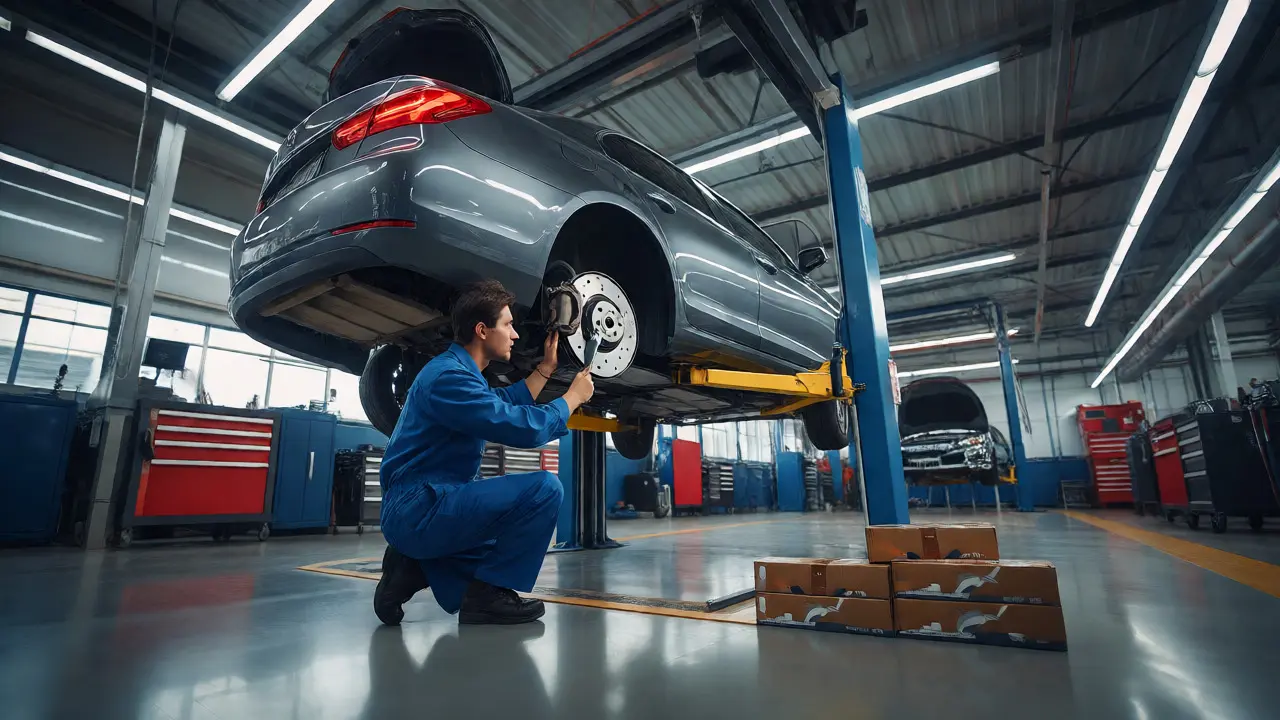
Cost-Benefit Analysis: Saving Money vs. Safety
Let’s look at the numbers. Replacing front brakes typically costs between $300 and $600 per axle, depending on the vehicle and parts quality. Rear brakes are usually cheaper, ranging from $250 to $500 per axle. Labor accounts for about 50-60% of the bill.
If you replace only the fronts now ($400) and the rears in six months ($350), your total cost is $750. If you do them together now, you might negotiate a package deal for $650. That’s a $100 saving, plus the convenience of one trip. However, if your rear brakes truly have another year of life, spending $300 extra now ties up cash unnecessarily. The key is accurate measurement. Don’t guess. Ask to see the micrometer readings of your pad thickness. If the rears are above 5mm, walk away from the upsell. If they’re at 4mm, bundle them.
DIY vs. Professional Service
Can you do this yourself? Front brakes are relatively straightforward on many models-just remove the caliper, swap the pads, and maybe resurface or replace the rotor. Rear brakes, especially those with electric parking brakes, can be tricky. Many modern cars require a scan tool to retract the electronic parking brake motor before removing the rear pads. Without this tool, you risk damaging the mechanism.
If you’re handy and have the right tools, DIY can save you half the cost. But if you’re unsure about the electronic components or torque specifications, leave it to the pros. Mistakes in brake systems aren’t just expensive repairs; they’re safety hazards. A loose caliper bolt can lead to catastrophic failure.
Is it dangerous to drive with worn rear brakes?
Yes, it can be. While front brakes do most of the stopping, rear brakes stabilize the car. Worn rear brakes increase stopping distance significantly and can cause the rear of the car to slide out during hard braking, especially on wet roads. Additionally, the parking brake relies on the rear system, so a failed rear brake could mean your car won't stay put when parked.
How long do rear brake pads last compared to front?
Typically, rear brake pads last 30,000 to 70,000 miles, while front pads last 25,000 to 50,000 miles. This varies heavily based on driving habits. City driving wears brakes faster than highway driving. Aggressive driving reduces lifespan further.
Do I need to replace rotors when I replace brake pads?
Not always, but often recommended. If rotors are within thickness specs and free of warping or deep scoring, you can reuse them. However, putting new pads on old, glazed rotors can result in poor initial bite and noise. Replacing rotors ensures optimal performance and quiet operation.
What happens if I mix different types of brake pads on front and rear?
Mixing pad compounds (e.g., ceramic on front, semi-metallic on rear) can alter braking bias. Manufacturers tune the ABS and stability control for specific friction levels. Using mismatched pads might trigger warning lights or reduce effectiveness in emergency braking scenarios. Stick to manufacturer-recommended types for each axle.
How much does it cost to replace all four brakes?
For a typical sedan, expect to pay between $600 and $1,200 for a full four-wheel brake job including pads and rotors. Luxury or performance vehicles can exceed $1,500. Prices vary by region, shop labor rates, and part quality (OEM vs. aftermarket).