
Imagine sitting in your car in Dubai in July. The sun is beating down on the roof, turning the metal into a frying pan. You turn the key, hit the AC button, and... nothing. Or worse, a weak, lukewarm breeze that does little to cool you down. It’s not just uncomfortable; it’s dangerous. In this climate, your Car Air Conditioning System is basically a survival tool. If it fails, you’re stuck in a greenhouse at 45°C (113°F). Most drivers wait until the air stops blowing cold before they do anything. That’s a mistake. Regular car AC maintenance isn’t about luxury; it’s about reliability when the temperature spikes.
Why Dubai Heat Breaks Standard AC Systems
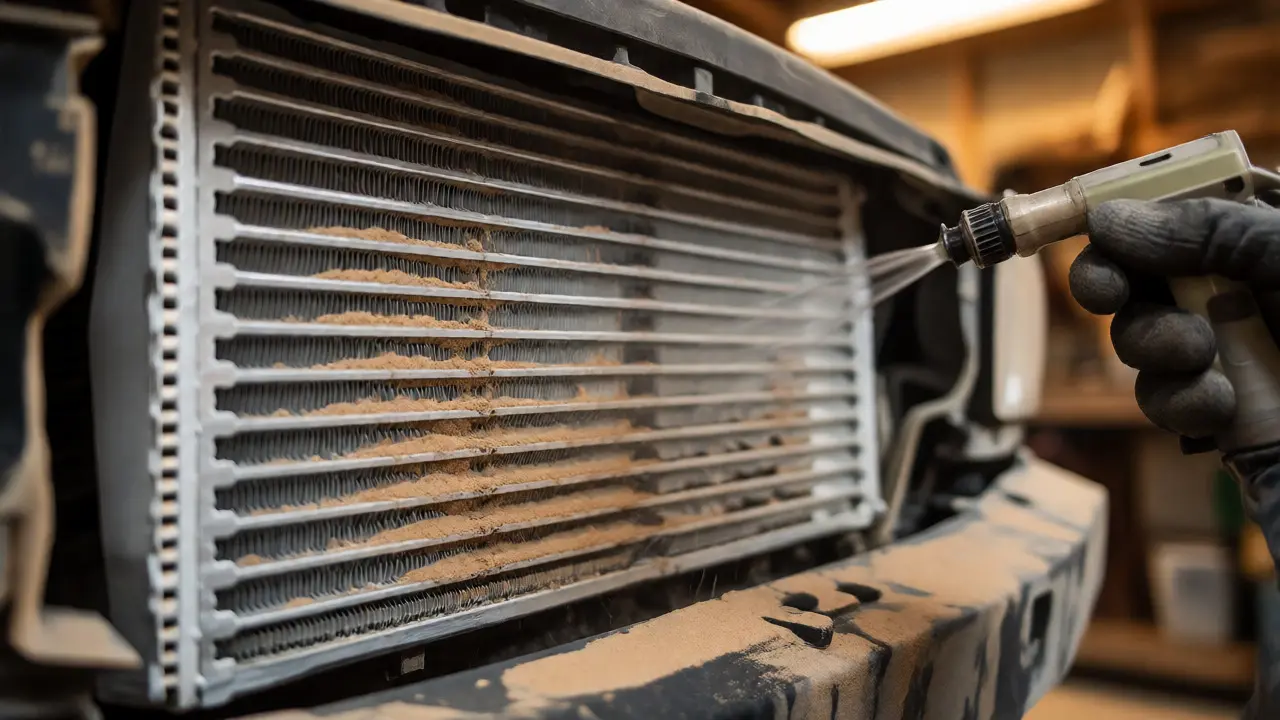
You might think your AC works fine because it cools the car eventually. But here’s the thing: standard systems are designed for moderate climates. They aren’t built to handle the relentless thermal load of the Gulf region. When ambient temperatures hit 40°C+, the compressor has to work twice as hard. The condenser, usually located behind the front grille, gets hammered by hot road debris and dust. Over time, this dust clogs the fins, reducing heat exchange efficiency. Your system doesn’t fail overnight; it degrades slowly until one day, it just gives up.
The humidity factor adds another layer of complexity. While Dubai is dry, coastal areas have higher moisture levels. Moisture inside the AC lines reacts with the refrigerant oil to form acid. This acid eats away at seals and internal components. If you ignore small leaks or pressure drops, you’re essentially letting corrosion destroy an expensive part from the inside out.
The Critical Components You Need to Watch
To keep your cool, you need to understand what’s under the hood. It’s not magic; it’s physics. Here are the main players:
- The Compressor: This is the heart of the system. It pumps the refrigerant around the loop. If it seizes, your AC dies completely. In high heat, compressors overheat easily if the lubrication oil breaks down.
- The Condenser: Think of this as your car’s radiator, but for the AC gas. It releases heat from the refrigerant to the outside air. If it’s dirty or bent, it can’t release heat efficiently, leading to poor cooling performance.
- The Evaporator: Located inside your dashboard, this absorbs heat from the cabin air. It’s also where mold and bacteria grow if you don’t change the cabin filter regularly. A smelly AC is often a sign of a dirty evaporator coil.
- Cabin Filter: This traps pollen, dust, and sand. In Dubai, sand is everywhere. A clogged filter restricts airflow, making the fan work harder and reducing cooling capacity.
Your Pre-Summer Maintenance Checklist
Don’t wait for May. By then, every workshop in town is booked solid. Start checking these things in February or March. Here’s a practical routine you can follow yourself or ask your mechanic to perform.
| Task | Frequency | Why It Matters in Dubai |
|---|---|---|
| Cabin Filter Replacement | Every 6 months or 10,000 km | Sand and dust clog filters quickly, restricting airflow and causing musty smells. |
| Refrigerant Pressure Check | Annually before summer | Low pressure indicates leaks. High pressure suggests blockages or overfilling. |
| Condenser Cleaning | Twice a year | Dust and bugs insulate the condenser, preventing it from releasing heat effectively. |
| Belt Inspection | During every oil change | A slipping belt means the compressor isn’t spinning fast enough to cool the cabin. |
| Ventilation Test | Monthly | Ensures all vents blow strong and cold air, indicating no internal leaks. |
Signs Your AC Is Struggling Before It Fails
How do you know something is wrong? Listen to your car. It talks to you if you pay attention. Here are the red flags:
- Weird Noises: A squealing sound when you turn on the AC usually points to a loose or worn drive belt. A grinding noise might mean the compressor clutch is failing.
- Warm Air at Idle: Does the AC blow cold while driving but warm up when you stop at a traffic light? This often means the condenser fan isn’t working, or the system is low on refrigerant. At idle, there’s less airflow across the condenser, so the system needs more help to shed heat.
- Foul Odors: A sour or mildew smell when you first start the car? That’s bacterial growth on the evaporator coil. It’s common in humid environments or if the system was left off too long during cleaning.
- Poor Airflow: If the fan is on max but barely feels like a breeze, check the cabin filter first. If the filter is clean, you might have a blower motor issue or a blocked vent door.
DIY vs. Professional Service: What Can You Actually Do?
Can you fix this yourself? Some things, yes. Others, definitely not. Refrigerant handling requires special equipment and licenses because the gases are harmful to the environment and can cause frostbite if they touch your skin. Don’t try to top up refrigerant with those cheap cans from the supermarket unless you know exactly what you’re doing. They often contain sealants that can mess up professional repairs later.
Here’s what you can safely do at home:
- Change the Cabin Filter: It’s usually behind the glove box. Pop it out, vacuum the housing, and slide in a new one. It takes five minutes and costs under $20.
- Clean the Condenser: Use a garden hose on a gentle spray setting to wash dirt off the fins behind the front grille. Be careful not to bend the delicate aluminum fins.
- Run the AC Weekly: Even in winter, run the AC for 10 minutes once a week. This circulates the oil, keeping seals lubricated and preventing them from drying out and cracking.
For everything else-diagnosing leaks, evacuating the system, recharging refrigerant-take it to a pro. Look for shops that use digital manifold gauges rather than old-school analog ones. Digital tools provide precise readings, ensuring the charge is correct for the current ambient temperature.

Choosing the Right Service Provider in Dubai
Not all garages treat AC systems with the same care. Some just top up the gas without finding the leak. Then you’re back in three weeks paying again. Ask these questions before you hand over your keys:
- Do you perform a UV dye test? This helps find invisible micro-leaks that pressure tests miss.
- What type of refrigerant do you use? Ensure they use R-134a or R-1234yf, depending on your car’s age. Mixing types causes damage.
- Is the service warranty-backed? A reputable shop will guarantee their work for at least 3-6 months.
Also, consider the timing. Booking a service early in the morning or late at night avoids the midday rush. Workshops are cooler, and technicians are less rushed, which means better attention to detail.
Long-Term Habits for Cooler Cabins
Maintenance isn’t just about fixing problems; it’s about prevention. Adopt these habits to extend the life of your system:
- Park in Shade: Every degree counts. Using a windshield sunshade can lower interior temps by 10-15 degrees, reducing the initial load on your AC.
- Crack Windows First: When starting a hot car, roll down the windows for the first minute. Let the hot air escape before closing them and blasting the AC. This prevents the system from trying to cool superheated air trapped inside.
- Use Recirculation Mode: Once the cabin is cool, switch to recirculation mode. This keeps the cooled air inside instead of pulling in hot outside air constantly.
Treating your AC with respect saves money. A full compressor replacement can cost upwards of $800-$1,200 depending on the vehicle. A regular service and filter changes cost a fraction of that. Plus, you avoid the misery of being stranded in a sweltering car waiting for a tow truck.
How often should I service my car AC in Dubai?
You should have a professional inspection once a year, ideally in early spring before the peak summer heat arrives. Additionally, replace the cabin filter every 6 months or 10,000 kilometers due to the high dust levels in the region.
Why does my AC blow warm air only when stopped?
This usually indicates a problem with the condenser fan or low refrigerant levels. When moving, airflow cools the condenser naturally. When stopped, the fan must do the work. If the fan fails or the system is low on gas, heat isn't dissipated properly, causing warm air.
Can I add refrigerant myself?
It is not recommended for most DIYers. Modern AC systems require precise measurements of refrigerant and oil. Adding too much or using the wrong type can damage the compressor. Professional services ensure the correct charge based on ambient temperature.
What causes bad smells from the AC vents?
Bad odors typically come from mold and bacteria growing on the evaporator coil due to moisture buildup. Replacing the cabin filter and running the AC on 'fan only' mode for a few minutes before shutting off the engine can help dry out the coil and prevent smells.
Does parking in shade really help my AC?
Yes, significantly. Parking in shade reduces the initial cabin temperature, meaning your AC doesn't have to work as hard to reach a comfortable level. This reduces wear on the compressor and saves fuel.