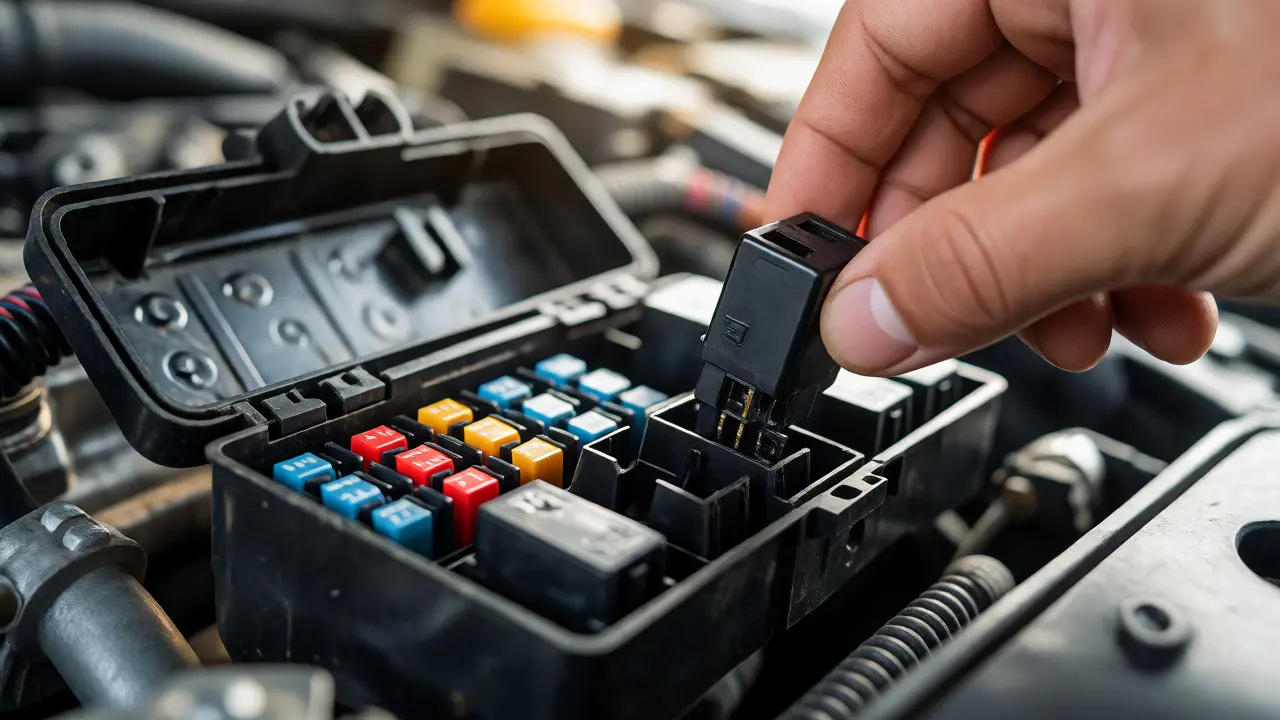
Nothing kills your drive faster than a component that quits without warning. You turn the key, and silence greets you. Or maybe your headlights flicker like they’re trying to send Morse code. Before you panic about a dead alternator or a fried ECU, look at the small black box in your fuse panel. It’s likely a car relay that has failed. These humble switches control high-current devices using low-current signals, but when they break, they mimic major system failures. Knowing how to test them saves you hundreds of dollars and hours of diagnostic frustration.
What Exactly Is a Car Relay?
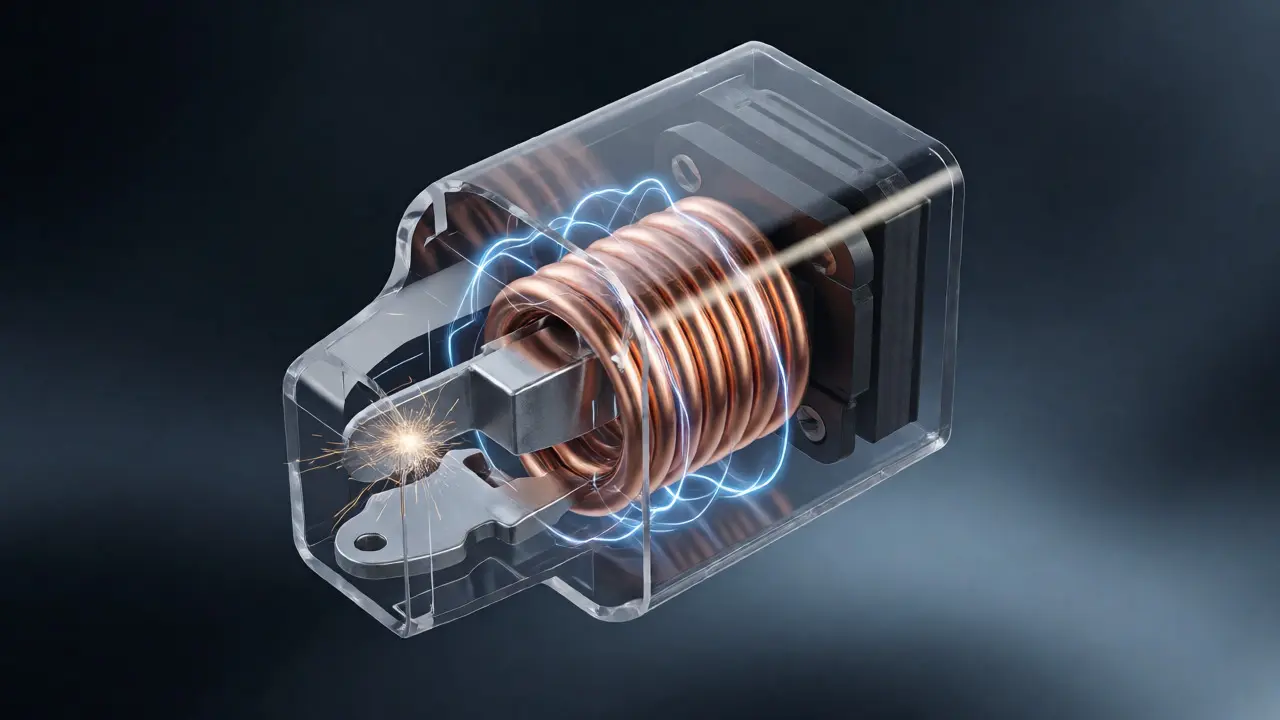
A car relay is an electromagnetic switch that allows a low-amperage circuit to control a high-amperage load. Think of it as a bridge between your dashboard button and heavy-duty components like fuel pumps, cooling fans, or headlights. Inside the plastic housing, there’s a coil and a set of contacts. When power flows through the coil, it creates a magnetic field that pulls the contacts together, completing the circuit for the high-power device. Without this mechanism, your steering column would need cables thick enough to anchor a ship just to run a horn.
Most modern vehicles use standard ISO micro relays. They typically have four pins (sometimes five). Two pins power the coil, one provides constant battery power, and one sends that power to the load. A fifth pin, if present, usually serves as a ground for the coil or a feedback signal. Understanding this basic layout helps you understand why failure happens. The contacts inside can weld together due to arcing, or the coil can burn out from heat and vibration over time.
Common Symptoms of a Failing Relay
How do you know it’s the relay and not the part itself? The symptoms are often intermittent, which makes diagnosis tricky. Here’s what to watch for:
- Sudden Loss of Function: Your AC fan stops blowing cold air, or the fuel pump cuts out while driving. If the component worked fine yesterday and does nothing today, check the relay first.
- Intermittent Operation: The headlights work when you tap the fuse box but fail otherwise. This suggests loose internal contacts within the relay.
- Clicking Sounds: A rapid clicking noise under the dash often means the relay is chattering-trying to engage but failing to hold the connection.
- Burning Smell: A hot, plastic odor near the fuse panel indicates overheating contacts or a shorted coil.
- Melting or Discoloration: Pull the relay out. If the pins are blackened or the plastic casing is warped, it’s done.
Remember, these signs don’t guarantee a bad relay. A corroded socket can cause identical issues. Always verify before buying replacements.
The Swap Test: Fastest DIY Method
You don’t need fancy tools to start. The swap test is the quickest way to isolate the problem. Find another relay in your vehicle that performs a similar function and uses the same pin configuration. For example, if your horn relay fails, swap it with the rear defroster relay. Most cars use identical relays for multiple systems.
- Locate the fuse/relay box under the hood or by the driver’s side kick panel.
- Identify the suspected faulty relay using your owner’s manual diagram.
- Pull it out carefully. Note its orientation.
- Find a matching relay from a non-critical system (like the fog lights).
- Swap them. Put the known good relay into the suspect slot.
- Test the system. If the headlights now work, the original relay was bad. If they still don’t work, the issue lies elsewhere (wiring, switch, or the headlight bulb itself).
This method isn’t perfect. Some relays are specific to certain amperages or include diodes. Check the part number on the top of the relay. If they match exactly, the swap is safe.
Using a Multimeter for Precise Diagnosis
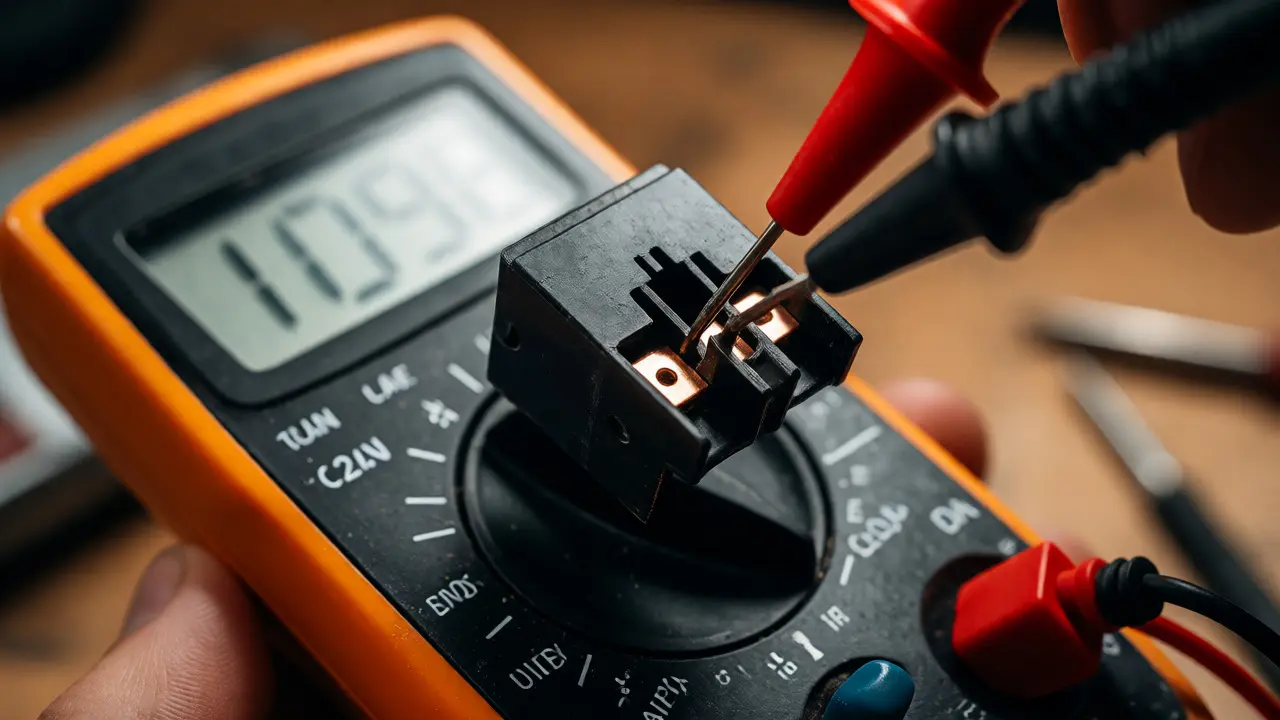
If swapping isn’t an option, grab a digital multimeter. It costs less than twenty bucks and gives you concrete data. You’ll test two things: the coil resistance and the contact continuity.
Testing the Coil
Set your multimeter to measure Ohms (Ω). Locate the coil pins on the relay base (usually labeled 85 and 86). Touch the probes to these pins. A healthy coil typically reads between 50 and 120 ohms, depending on the manufacturer. If you see infinite resistance (OL), the coil is broken internally. Replace it. If you see zero resistance, the coil is shorted.
Testing the Contacts
Switch your multimeter to continuity mode (it beeps when connected). Place probes on the common pin (30) and the normally open pin (87). There should be no beep-the circuit is open. Now, apply 12 volts to the coil pins (85 and 86) using a battery charger or jump starter leads. You should hear a distinct click from the relay. Simultaneously, the multimeter should beep, indicating the contacts have closed. No click? No beep? The relay is mechanically stuck or electrically dead.
Pinout Standards and Variations
Not all relays are created equal. While most follow DIN 72552 standards, variations exist. Misidentifying pins can lead to blown fuses or damaged electronics.
| Pin Number | Function | Description |
|---|---|---|
| 30 | Common | Connects to battery positive (constant power) |
| 87 | Normally Open | Feeds power to the load when activated |
| 87a | Normally Closed | Used in changeover relays; connects to load when relay is off |
| 85 | Coil Ground | Completes the coil circuit to ground |
| 86 | Coil Power | Receives trigger signal from switch/ECU |
Some relays have a built-in flyback diode (often marked with a symbol). This protects sensitive computer modules from voltage spikes when the magnetic field collapses. Never replace a diode-equipped relay with a standard one unless you know the circuit can handle the spike. Doing so might fry your Engine Control Unit (ECU).
When to Replace vs. Clean
Can you clean a relay? Sometimes. If the pins are dirty or corroded, use electrical contact cleaner and a small brush. But if the internal contacts are pitted or welded, cleaning won’t help. Relays are sealed units. Once moisture gets inside, corrosion accelerates. Given their low cost ($5-$15), replacement is almost always better than repair attempts. Don’t waste time trying to pry open a sealed relay case; you’ll likely destroy it.
Consider upgrading to high-quality brands like Bosch, Tyco, or Denso. Cheap aftermarket relays often have weaker springs and thinner contacts, leading to premature failure. If your car runs hot, consider relays with higher temperature ratings.
Troubleshooting Complex Scenarios
What if the relay tests good, but the component still fails? Check the socket. Corrosion here is common, especially in engine bays exposed to rain. Inspect the female pins in the fuse block. If they’re spread wide, they won’t grip the relay pins tightly. Use a small pick to gently bend them back inward for better contact.
Also, check the ground. A poor ground connection can prevent the relay coil from energizing fully. Trace the wire from pin 85 to its ground point. Ensure it’s clean and tight. Voltage drop across a bad ground can reduce coil current below the threshold needed to pull the contacts.
How long do car relays last?
There is no fixed lifespan. Relays can last 10 years or fail in 2. Factors include heat exposure, vibration, electrical load, and quality. High-load circuits like starters or fuel pumps wear relays faster than low-load ones like interior lights.
Can I drive with a bad relay?
It depends on the system. If it controls the fuel pump, you won’t get far. If it controls the radiator fan, you risk overheating in traffic. Driving with a failed ignition relay may leave you stranded suddenly. Assess the criticality before continuing.
Why does my new relay fail quickly?
Likely causes include excessive load (drawing more amps than rated), poor ventilation causing overheating, or a short in the downstream wiring. Also, ensure you didn’t install a relay without a flyback diode in a circuit that requires one, damaging the new unit immediately.
Do all cars use the same relays?
No. While many share standard ISO sizes, some manufacturers use proprietary shapes or pin configurations. Always check the part number printed on the relay body. Universal relays exist but require adapter bases and careful wiring verification.
Is a fuse the same as a relay?
No. A fuse protects the circuit by melting when current exceeds a limit. A relay switches the circuit on and off. Both live in the fuse box, but they serve different functions. A blown fuse stops power; a bad relay prevents switching.