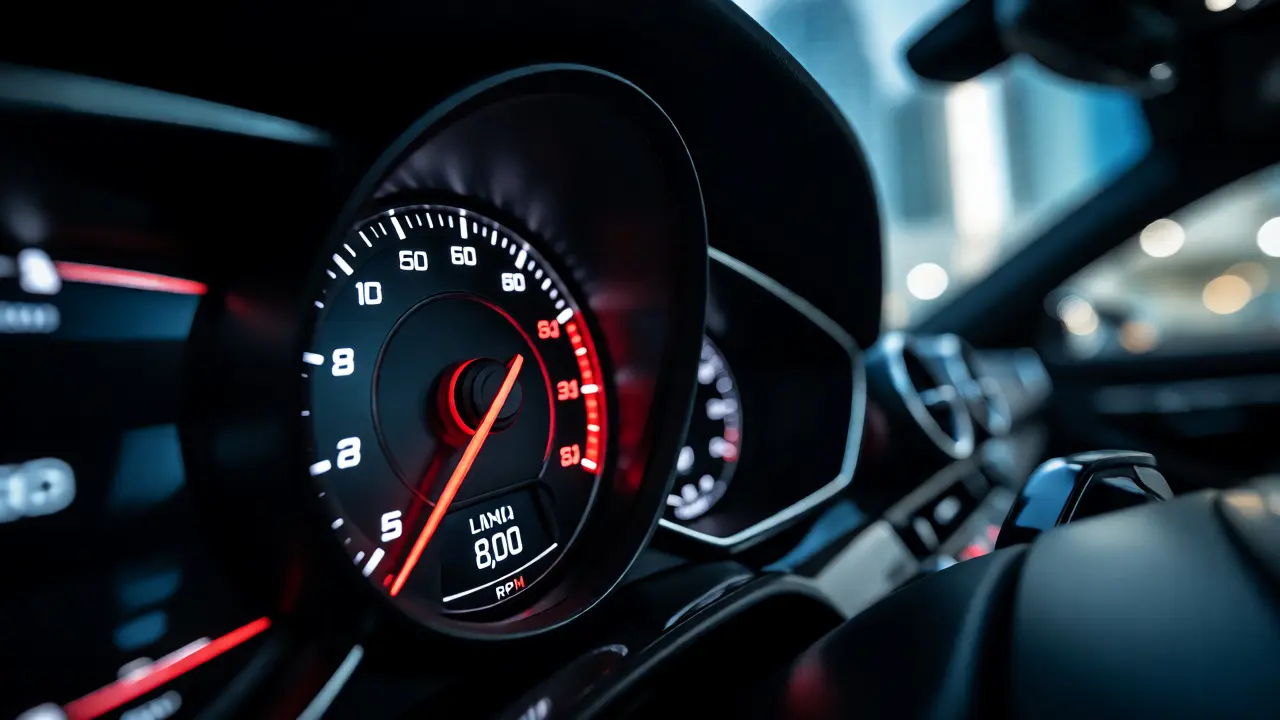
You just installed a new turbo or swapped in a high-flow exhaust, and the dyno numbers look promising. But then it happens: the engine screams toward the redline, the tachometer needle dances dangerously close to the limit, and you wonder if your valves are about to float. This is where the rev limiter comes into play. It’s not just a safety net; it’s a critical component of how your car behaves at the edge of its performance envelope. Yet, many enthusiasts tweak these settings blindly, risking catastrophic engine failure for a few extra horsepower. Understanding the difference between a rev limiter and a speed limiter, and knowing exactly where to set them, separates a reliable build from a blown head gasket.
Understanding the Rev Limiter Mechanism
A rev limiter is an electronic control strategy within the Engine Control Unit (ECU) that cuts ignition or fuel injection when the engine reaches a predetermined maximum RPM. Think of it as a bouncer at a club who stops people from entering once the venue is full. Its primary job is to prevent mechanical over-revving, which can snap connecting rods, bend valves, or destroy pistons. There are two main types you’ll encounter in tuning software: the hard cut and the soft cut.
The hard cut abruptly stops spark delivery. It feels like hitting a brick wall. You’re accelerating, and suddenly, power vanishes instantly. This protects the engine aggressively but can be harsh on the drivetrain. The soft cut, often called a "retard," slightly delays ignition timing instead of cutting it entirely. This reduces torque gradually, allowing the engine to slow down more smoothly without a violent jolt. Most modern stock ECUs use a combination, leaning toward soft cuts to preserve transmission health.
Why does this matter for tuning? If you raise the rev limit too high, you might gain top-end power, but you also increase stress on valve springs. For example, a Honda B16A engine is famously robust up to 8,000 RPM, but pushing it to 9,500 RPM without upgraded valvetrain components is a gamble. Always match the limiter setting to your physical hardware capabilities, not just what the software allows.
Speed Limiters: Why They Exist and How They Work
While the rev limiter watches the engine, the speed limiter watches the wheels. It restricts the vehicle’s maximum velocity by reducing throttle response or cutting fuel when a specific speed threshold is reached. In most passenger cars, this is capped around 130-155 mph due to tire ratings and aerodynamic stability concerns, not necessarily engine capability.
Tuners often debate removing the speed limiter. On paper, it seems harmless-why stop the car if the engine can handle it? But here’s the catch: stock tires are often rated for speeds lower than what a modified engine can achieve. If you tune a Civic Type R to hit 170 mph but keep the factory all-season tires, you’re asking for a blowout. Additionally, speed limiters help manage heat buildup in the cooling system and transmission. Removing them without upgrading cooling capacity can lead to overheating during sustained high-speed runs.
For track-focused builds, disabling the speed limiter makes sense. For daily drivers, it’s usually unnecessary. If you do remove it, ensure your tires have a speed rating that exceeds your potential top speed. A V-rated tire handles up to 149 mph; a W-rated one goes to 168 mph. Check the sidewall markings before you celebrate that extra 10 mph.

Determining Safe RPM Limits for Your Engine
There is no universal "safe" RPM number. It depends entirely on the engine design, stroke length, and valvetrain strength. Short-stroke engines, like those found in older Subaru WRX models, rev higher naturally because the pistons travel less distance per rotation. Long-stroke diesel engines, conversely, rarely exceed 4,500 RPM safely.
To find your safe zone, start with the manufacturer’s redline. This number is conservative, accounting for wear over 100,000 miles. If you’re building a street car, staying within 200-300 RPM of the stock redline is generally safe with stock internals. For a dedicated race engine with forged pistons, titanium retainers, and reinforced valve springs, you might push 500-1,000 RPM higher. But never guess. Use a data logger to monitor actual peak RPM achieved under load. If you consistently hit the limiter, you need to adjust gearing or shift points, not just raise the ceiling.
| Engine Type | Stock Redline (RPM) | Safe Tuned Limit (Street) | Safe Tuned Limit (Track/Race) | Key Constraint |
|---|---|---|---|---|
| Naturally Aspirated Gasoline | 6,500 - 7,500 | +200 RPM | +500 RPM | Valve Spring Fatigue |
| Turbocharged Gasoline | 6,000 - 7,000 | +100 RPM | +300 RPM | Turbine Wheel Balance |
| Diesel | 4,000 - 4,500 | +100 RPM | +200 RPM | Fuel Injector Duty Cycle |
| VTEC/VVT-i High-Revving | 8,000 - 9,000 | +300 RPM | +800 RPM | Connecting Rod Strength |
Adjusting Settings: Step-by-Step Approach
Changing these parameters isn’t a one-click fix. It requires a methodical approach to avoid damaging your engine or triggering check-engine lights. Here’s a practical workflow for making adjustments:
- Baseline Logging: Before changing anything, log a full-throttle run in your highest gear. Note the exact RPM where the stock limiter engages and how long it stays active. This gives you a reference point.
- Incremental Increases: Raise the rev limiter by small steps-50 to 100 RPM at a time. Don’t jump from 7,000 to 8,000 overnight. Test each increment on a safe stretch of road or a dyno.
- Monitor Knock Sensors: Higher RPMs can induce pre-ignition (knock), especially in turbocharged engines. Watch your knock retard values in real-time. If they spike, back off the limit immediately.
- Check Shift Points: If you raise the rev limiter but don’t adjust your automatic transmission’s shift schedule, the car will bounce off the limiter constantly. Retune the transmission to shift earlier or later as needed.
- Validate with Heat Soak Tests: After driving, let the car idle for a minute. Listen for unusual ticking or rattling. Persistent noise after high-RPM runs suggests valvetrain stress.
Remember, the goal isn’t to live on the limiter. Ideally, your driver should shift before hitting it. The limiter is there for mistakes, not for routine operation. If you’re bouncing off it every gear change, your gearing is wrong, or you’re driving beyond the engine’s effective power band.
Common Pitfalls and Misconceptions
One major misconception is that raising the rev limiter automatically adds power. It doesn’t. Power is generated by airflow and combustion efficiency, not just spinning faster. If your engine loses torque above 6,500 RPM, raising the limit to 7,500 won’t make you faster-it’ll just make you louder and riskier. Always look at the torque curve. If torque drops sharply before the new limit, stick with the lower setting.
Another pitfall is ignoring the interaction between the rev limiter and traction control. When the limiter cuts spark, wheel speed drops suddenly. Traction control systems interpret this as slip and may cut throttle further, causing a stutter. Some advanced tuners disable traction control during aggressive driving or adjust its sensitivity to accommodate limiter hits.
Also, beware of "limper mode." If you set the rev limiter too low accidentally, the ECU might enter a protective state, restricting power severely. This often triggers a P0122 or similar code. Double-check your values against the base map before flashing. Save your original calibration file so you can revert quickly if something goes wrong.
Maintenance Implications of Higher Limits
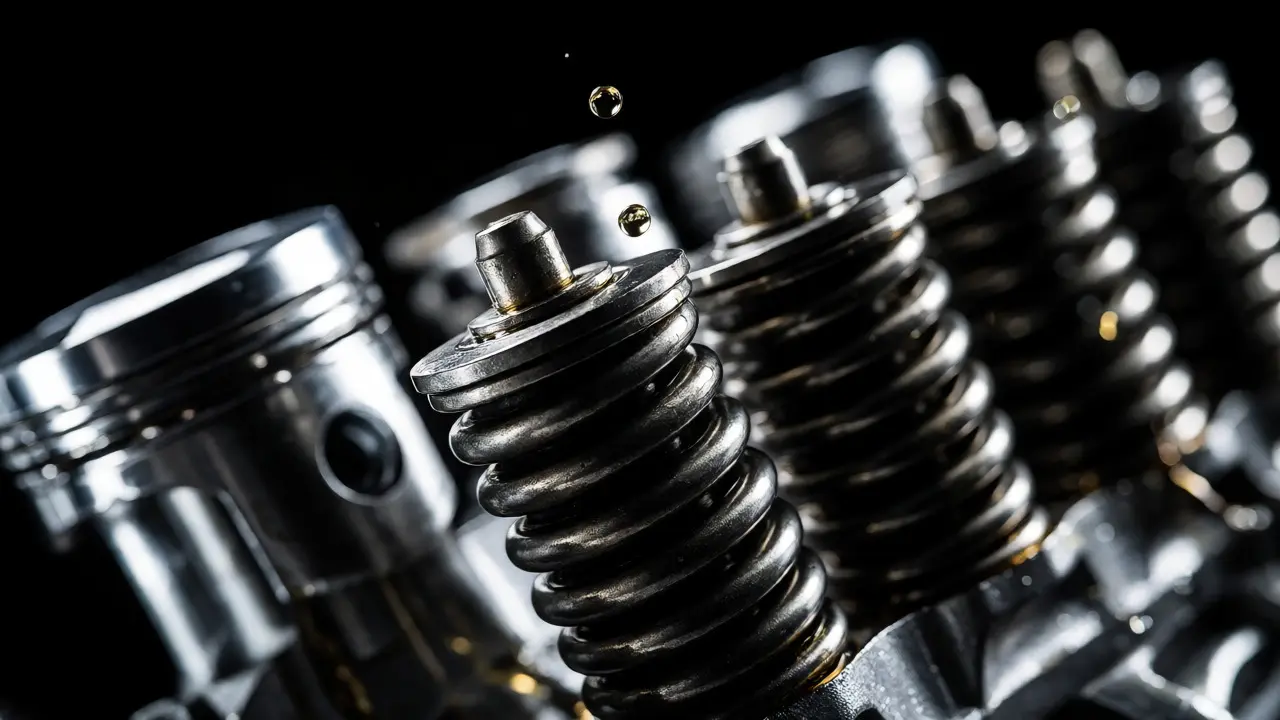
Pushing your engine closer to its mechanical limits demands stricter maintenance. Valve springs lose tension over time, especially when subjected to frequent high-RPM use. Stock springs might last 100,000 miles at moderate RPMs but fail at 60,000 miles if you’re constantly hitting 8,000 RPM. Inspect them regularly if you’ve raised the limit significantly.
Oil pressure also becomes critical. At higher RPMs, oil needs to circulate faster to lubricate bearings and camshafts. Using a higher-viscosity oil (like 10W-40 instead of 5W-30) can help maintain film strength at elevated temperatures. However, don’t go too thick, or you’ll starve hydraulic lifters of pressure during cold starts.
Finally, consider your clutch and flywheel. Frequent limiter hits put immense shock loads on the drivetrain. A lightweight flywheel improves throttle response but makes slipping harder to modulate near the redline. If you notice shuddering or premature clutch wear, you might need a heavier dual-mass flywheel or a stiffer clutch disc to handle the abrupt power cuts.
Is it bad to hit the rev limiter?
Occasionally hitting the rev limiter is fine and serves its purpose as a safety feature. However, doing it repeatedly puts significant stress on the engine’s internal components, particularly the valve springs and connecting rods. It also creates sharp shocks through the transmission and driveline. If you find yourself frequently bouncing off the limiter, it usually indicates improper gearing or a mismatch between the engine’s power band and your driving style.
Can I remove the speed limiter completely?
Yes, you can remove the speed limiter via ECU tuning, but you must verify that your tires are rated for the higher speeds your car can now achieve. Also, consider the increased wind resistance and heat generation. Without the limiter, your cooling system works harder. For daily driving, removing it offers little benefit and increases risk, but for track days, it allows you to utilize the car’s full potential.
What is the difference between a hard cut and soft cut rev limiter?
A hard cut abruptly stops spark delivery, causing an immediate loss of power and a noticeable jerk. It’s aggressive and best for racing applications where instant protection is key. A soft cut retards ignition timing, reducing torque gradually. This results in a smoother deceleration feel and is gentler on the transmission. Most street tunes prefer soft cuts to improve driveability.
How much RPM can I safely add to my stock engine?
With stock internals, adding 200-300 RPM above the factory redline is generally considered safe for occasional use. Beyond that, you risk valve float or spring fatigue. Always monitor for knocking sounds and check engine codes. If you plan to regularly operate near the new limit, consider upgrading valve springs and checking piston clearance.
Does adjusting the rev limiter affect fuel economy?
Not directly. The rev limiter only activates at extreme RPMs. Unless you change your driving habits to spend more time in the upper RPM range, your average fuel consumption remains unchanged. However, if you raise the limit and start shifting later, you will burn more fuel because the engine consumes more air and fuel at higher revolutions.