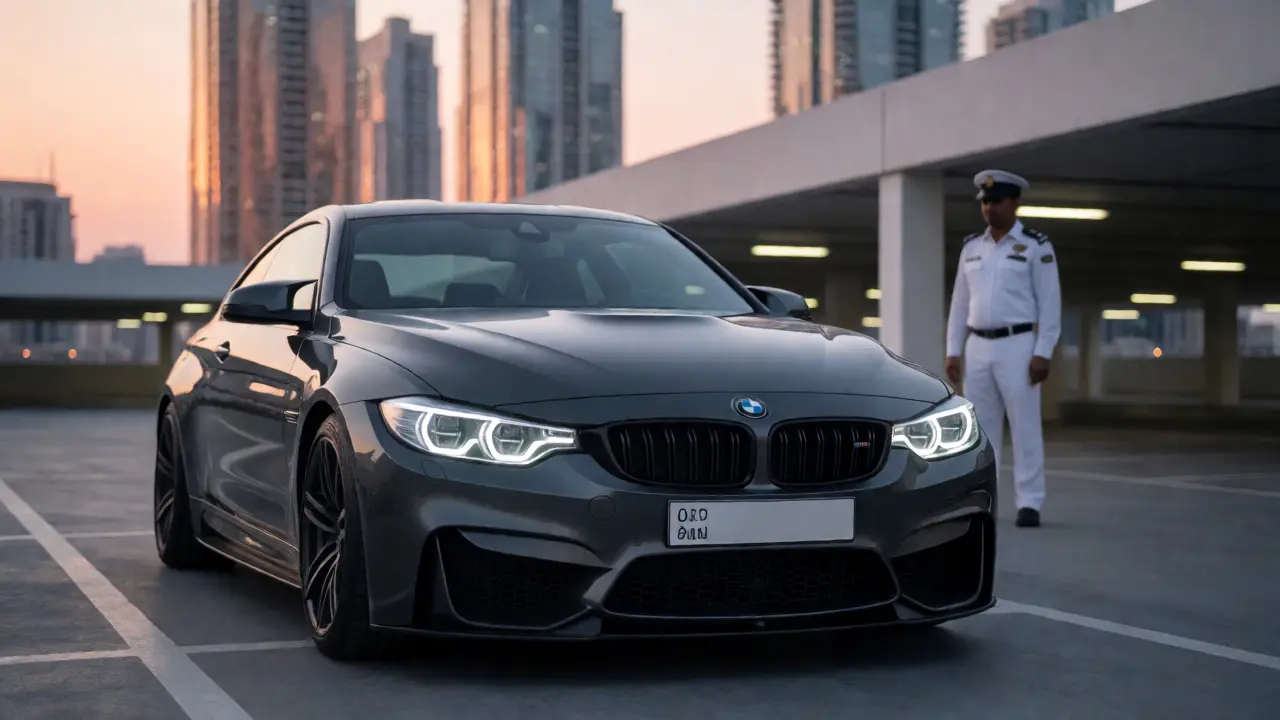
You just bought a new Nissan Patrol or a sleek BMW M4, and the first thing you want to do is make it yours. Maybe you want a deeper exhaust note, brighter headlights, or a set of wheels that actually fit your style. But before you start spending thousands on aftermarket parts, there is one massive roadblock standing between you and your dream build: Road-Legal Modifications are strictly regulated in the United Arab Emirates.
It is not just about looking cool. If your car fails the periodic technical inspection (PTI) or gets flagged by traffic police, you could face hefty fines, forced reversion of parts, or even impoundment. The rules vary slightly between emirates like Dubai and Abu Dhabi, but the core principles remain consistent. You need to know exactly what you can change without losing your registration validity.
| Modification Type | Status | Key Condition |
|---|---|---|
| Engine Tuning | Allowed with limits | No check engine light; emissions compliant |
| Exhaust Systems | Restricted | Must not exceed 95dB noise level |
| LED Headlights | Conditional | Must be E-marked; no blue/purple tint |
| Window Tinting | Strictly Regulated | Max 50% VLT for front windows |
| Body Kits | Permit Required | Must not alter dimensions significantly |
The Golden Rule: Inspection First
Here is the reality most enthusiasts ignore until it costs them money: your car must pass the annual Periodic Technical Inspection. In Dubai, this is handled by the RTA (Roads and Transport Authority). In other emirates, similar bodies enforce these standards. The inspector isn't judging your taste in rims; they are checking if your changes compromise safety or violate environmental laws.
If you modify your car before getting it registered or renewed, you risk failing the test immediately. The smart move? Get your base car inspected and registered first. Then, apply for permission for specific major mods. For minor aesthetic changes, you often have more freedom, but "minor" is subjective. A spoiler that sticks out two feet? That's not minor. A subtle lip kit? Usually fine.
Performance Tuning: Power vs. Pollution
Everyone loves more horsepower. An ECU remap is the cheapest way to get it. But here is the catch: the UAE has strict emission standards aligned with international benchmarks. If your tune causes your car to fail an emissions test, you will spend more time at the inspection center than on the highway.
Does the inspector plug into your OBD-II port? Not always. They rely heavily on visual checks and smoke tests. However, if your Check Engine Light is on, you are automatically failed. This means aggressive tunes that trigger sensor errors are risky. Stick to reputable tuners who specialize in GCC-spec vehicles. They understand that high ambient temperatures require different air-fuel ratios than European cars. A tune optimized for 15°C might cause overheating issues when you're driving in 45°C heat, leading to component failures that inspectors notice.
Exhaust Systems: The Noise Complaint
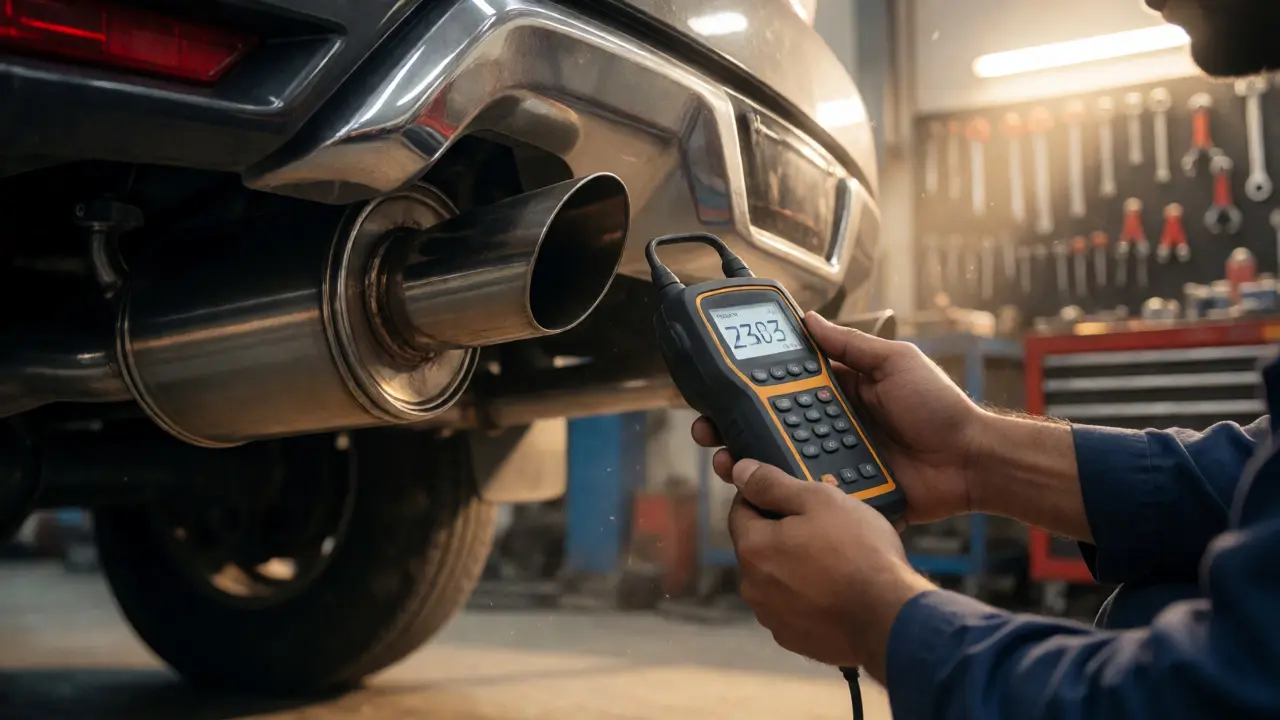
This is where most people get fined. You installed a straight-pipe exhaust because you wanted that deep rumble. Congratulations, you now own a mobile nuisance. Traffic police in the UAE actively patrol for excessive noise. The general rule of thumb is that your exhaust should not exceed 95 decibels. For context, a normal conversation is around 60dB. A lawnmower is about 90dB. Anything louder than a lawnmower while idling is likely illegal.
Removing the catalytic converter (de-catting) is also a gray area. While it improves flow, it increases hydrocarbon emissions. Inspectors use gas analyzers during PTI. If your CO and HC levels spike due to a missing cat, you will fail. Plus, some newer cars have secondary oxygen sensors downstream of the cat. Removing it triggers a fault code. Always keep your original exhaust system boxed up. When selling the car, reverting to stock is often faster and cheaper than explaining why your "performance" exhaust failed the smog test.
Lighting: Brightness and Color Limits
Aftermarket lighting is huge in the region, especially for off-road trucks and luxury sedans. But you cannot just slap any LED bar on your roof. Headlight regulations dictate that lights must emit white or yellow light. Blue, purple, or red headlights are generally prohibited for forward-facing beams because they reduce visibility for other drivers and mimic emergency vehicles.
If you upgrade from halogen to LED or HID bulbs, ensure they are E-marked. This certification proves the bulb meets European safety standards, which the UAE largely follows. Poorly fitted LEDs can blind oncoming traffic if the beam pattern isn't cut correctly. Inspectors will check for proper alignment. Also, underglow neon kits? These are typically considered decorative and must not distract other drivers. They usually need to be switched off while driving, though enforcement varies by officer.
Wheels and Suspension: Fitment Matters
Big wheels look great, but they affect speedometer accuracy and suspension geometry. If you go too big, you might rub against the fenders. Rubbing creates dust and potential fire hazards from friction heat-inspectors know this. Furthermore, your tire sidewall height matters. If you stretch tires too thin, they become prone to blowouts on rougher roads outside city centers.
Suspension drops are popular for sports cars. Lowering springs are usually accepted as long as the car doesn't scrape speed bumps excessively. Air suspension is trickier. If your car sits on the ground when parked, inspectors might view it as unsafe for emergency egress. Always ensure your license plate remains visible. If your bumper modification covers the plate, you will get cited immediately. The plate must be readable from a distance and not obscured by tow hooks or custom bumpers.
Body Kits and Wraps: Permits and Colors
Changing your car's color via vinyl wrap is straightforward, but you must update your registration card within 30 days. Failing to do so results in a fine. It is a simple administrative step, but many forget it. For body kits, if the modification changes the car's overall length or width significantly, you may need a structural approval certificate. This is rare for standard bolt-on kits but common for wide-body conversions.
Remember, the goal is to keep the vehicle's identity recognizable. If you replace the entire front fascia with something unrecognizable, inspectors might question whether it matches the VIN plate description. Keep it close to OEM aesthetics unless you have gone through the official modification permit process.
Frequently Asked Questions
Do I need a permit for all car modifications?
No, not for every single change. Minor cosmetic updates like stickers, small spoilers, or interior upgrades usually don't require a formal permit. However, significant changes like engine swaps, major body kit installations, or changing the primary body color often require notification or approval from the local transport authority (like RTA in Dubai).
What is the maximum window tint percentage allowed?
The standard regulation across most UAE emirates allows a maximum Visible Light Transmission (VLT) of 50% for the front side windows and windshield (excluding the sun strip). Rear windows can often be darker, sometimes up to 30% VLT, but this varies by emirate. Always check with your local inspection center for the latest specific guidelines.
Will my insurance cover modified parts?
Standard comprehensive insurance policies often only cover factory-standard parts. If you install expensive aftermarket wheels or audio systems, you must declare them to your insurer. Otherwise, in the event of a total loss or theft, you will only receive the value of the stock components. Look for policies that offer 'modified car' coverage.
Can I remove the catalytic converter?
While mechanically possible, removing the catalytic converter is risky for compliance. During the Periodic Technical Inspection (PTI), emissions are tested. A missing cat often leads to higher hydrocarbon readings, causing a failure. Additionally, modern cars may throw error codes that illuminate the Check Engine Light, which is an automatic fail.
Are LED headlight conversions legal?
Yes, provided they meet specific criteria. The bulbs must be E-marked certified, emit white or yellow light (no blue or purple), and be properly aligned to avoid blinding other drivers. Poorly installed LEDs that scatter light incorrectly are frequently cited by traffic police.
Final Thoughts on Staying Legal
Modifying your car in the UAE is absolutely doable. Thousands of enthusiasts run tuned engines, custom suspensions, and unique wraps every day. The key is moderation and documentation. Don't assume that because you saw a super loud exhaust at a car meet, it was street-legal. Many of those cars are driven to events on trailers.
Before buying that next part, ask yourself: Will this change how the car interacts with the environment (noise/emissions)? Will it obscure safety features (lights/license plates)? If yes, research the specific emirate's current stance. When in doubt, revert to stock for inspection season. It saves you the headache of arguing with an inspector who just wants to finish their shift.