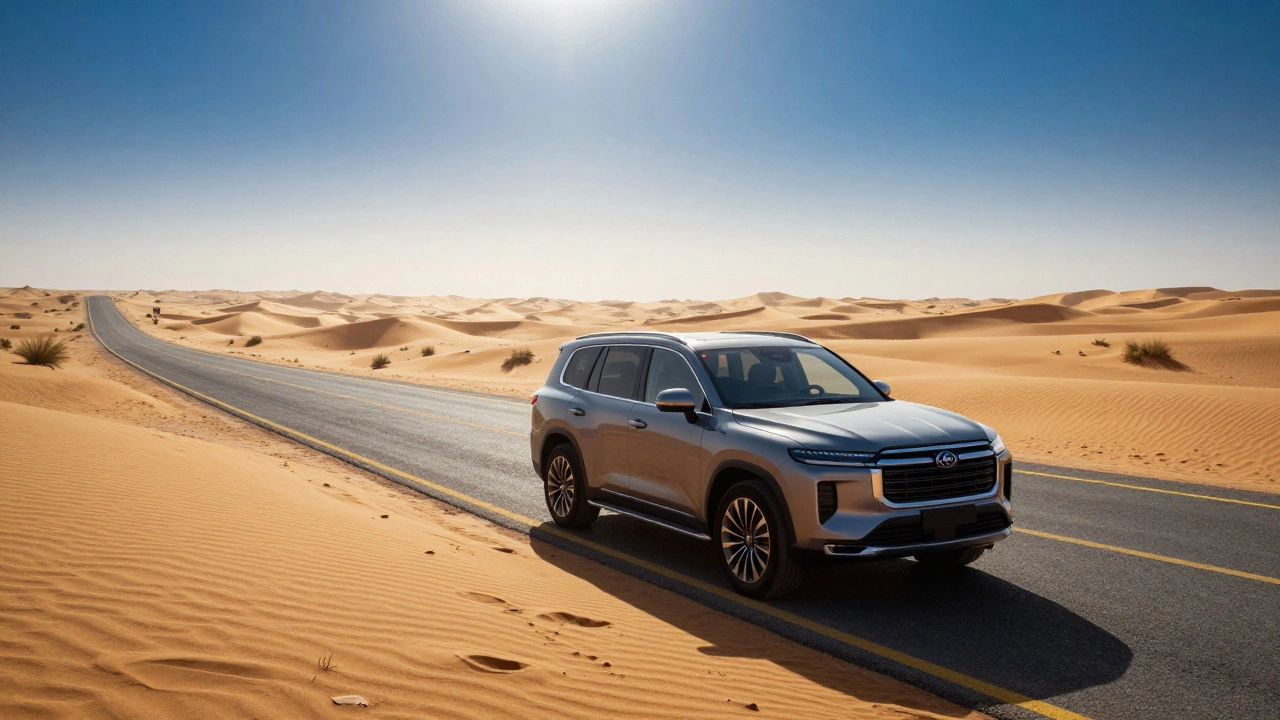
Imagine this: you are cruising down Sheikh Mohammed bin Zayed Road, heading toward the majesty of Jebel Jais. The sun is blazing, the AC is humming, and your playlist is perfect. Then, a warning light flashes on your dashboard. Your engine temperature spikes. You pull over onto the shoulder, surrounded by empty desert scrub, realizing you left home with low coolant. This isn't just an inconvenience; in the United Arab Emirates, it can be dangerous.
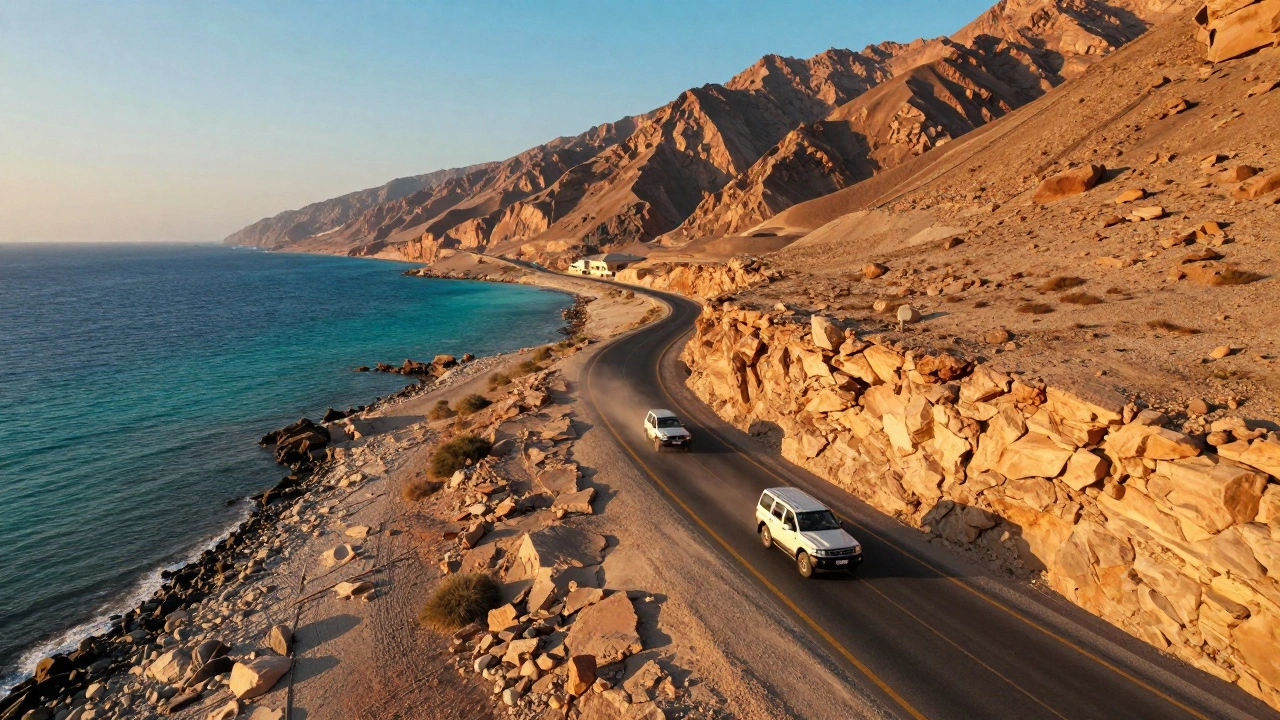
The UAE offers some of the most spectacular road trips in the world, from the coastal drive to Fujairah to the rugged trails of Al Hajar Mountains. But these journeys come with unique challenges. Summer temperatures regularly exceed 45°C, and sandstorms can reduce visibility to near zero overnight. Your car needs to be ready for more than just city commuting. It needs to survive extreme heat, loose sand, and long stretches without immediate help.
This guide walks you through every critical check needed to ensure your vehicle is fully prepared for a safe journey across the Emirates. We will cover mechanical essentials, tire adjustments for different terrains, legal requirements, and emergency supplies. By following these steps, you protect yourself, your passengers, and your wallet from costly roadside repairs.
Critical Cooling System Checks
If there is one system that defines survival in the UAE climate, it is the cooling system. The ambient heat here does not just make you uncomfortable; it actively attacks your engine's ability to dissipate heat. A standard radiator might handle a European summer, but it struggles under the relentless sun of Dubai or Abu Dhabi.
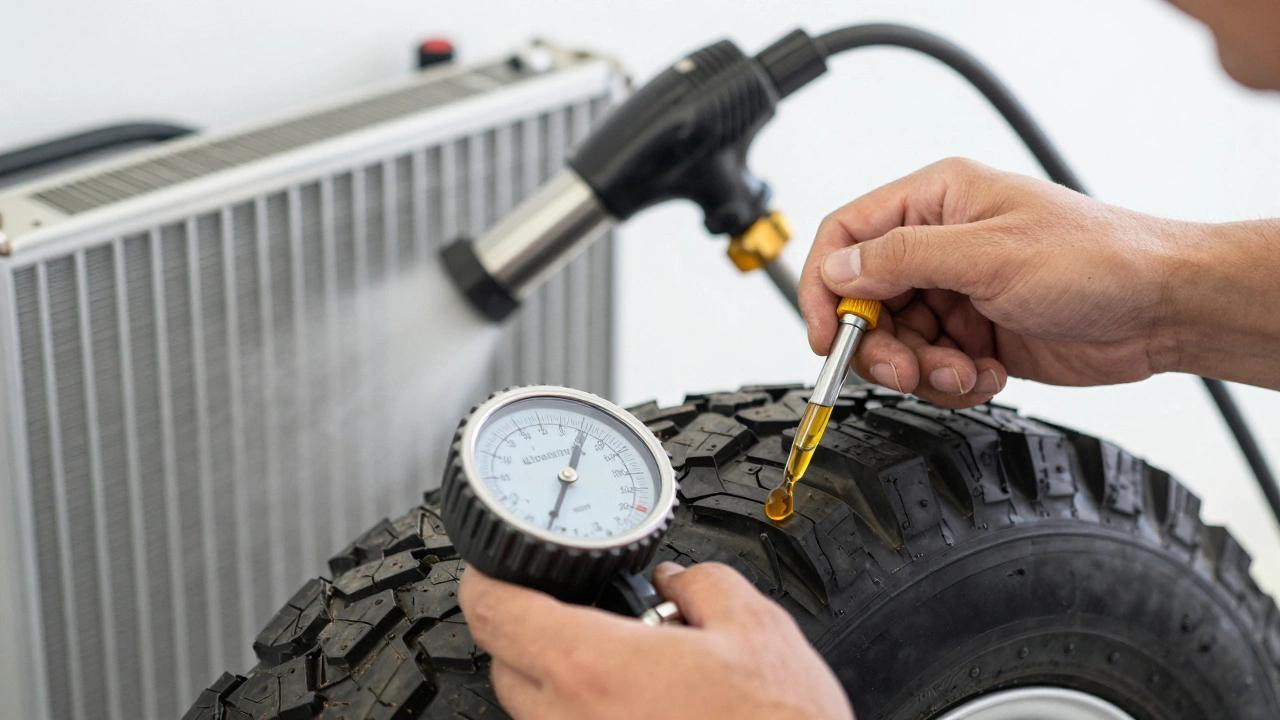
Start by checking your coolant levels. Do not just look at the minimum mark; ensure the reservoir is full when the engine is cold. More importantly, verify the mixing ratio. Most modern cars require a 50/50 mix of ethylene glycol and distilled water. If the mixture is too weak, it boils off faster. If it is too strong, it loses its ability to transfer heat efficiently. Top up with the correct fluid specified in your owner's manual.
Next, inspect the radiator itself. Over time, bugs, dust, and sand accumulate on the fins behind the grille. This debris acts as insulation, trapping hot air against the radiator core. Use compressed air or a gentle stream of water to clean the front of the radiator before your trip. A blocked radiator can cause overheating even if the fan is working perfectly.
Do not ignore the air conditioning system. In the UAE, a broken AC is not a luxury issue; it is a safety hazard. Dehydration and heat exhaustion can set in quickly if you are stranded or stuck in traffic during peak hours. Listen for unusual noises when turning the AC on. Check that the airflow is strong and the air coming out is genuinely cold. If the AC blows warm air, get it serviced immediately. Recharge the refrigerant if necessary.
Finally, check the engine oil. High temperatures thin out oil, reducing its lubricating properties. Ensure your oil level is between the min and max marks on the dipstick. If your last oil change was more than 10,000 kilometers ago, consider getting a fresh fill before a long trip. Synthetic oils generally handle high-heat stress better than conventional mineral oils.
Tire Pressure and Terrain Adjustments
Tires are your only point of contact with the road, and they react dramatically to temperature changes. For every 10°C rise in temperature, tire pressure increases by about 1 PSI. Since UAE roads can reach surface temperatures well above 60°C, your tires face significant stress.
Before leaving, check your tire pressures when the tires are cold (driven less than 2 kilometers). Refer to the sticker inside the driver's door jamb for the manufacturer's recommended pressure. Do not guess based on what looks "full." Use a reliable digital gauge. Under-inflated tires generate excess heat, which can lead to blowouts on highways like E11 or E66. Over-inflated tires reduce grip and make the ride harsh, potentially damaging suspension components on rougher secondary roads.
If your itinerary includes desert driving, you need to adjust your strategy. Driving on loose sand requires lower tire pressure to increase the footprint and prevent sinking. However, never drop pressure below 20 PSI unless you have experience and recovery gear. Remember to reinflate your tires to normal highway pressure once you return to paved asphalt. Driving on sand with high pressure reduces traction and strains your drivetrain.
Inspect your spare tire carefully. Many drivers forget their spare until they need it. Check its pressure and tread depth. Ensure you have the jack and lug wrench required to change it. Some newer vehicles use temporary "donut" spares, which have strict speed limits (usually 80 km/h) and distance limits. Know the limitations of your specific spare.
Look closely at the sidewalls of all four tires for cracks, bulges, or embedded stones. Heat accelerates rubber degradation. If you see dry rot or deep cuts, replace the tire now. A failure on a remote stretch of road is far more expensive and dangerous than a replacement at a local service center.
Brake System and Fluid Integrity
Your brakes work hard in stop-and-go city traffic, but they face different demands on long highway runs and mountain descents. Brake fluid absorbs moisture over time, which lowers its boiling point. In high-heat conditions, wet brake fluid can vaporize, leading to a spongy pedal and loss of braking power-a phenomenon known as brake fade.
Check the brake fluid level in the reservoir under the hood. It should be between the minimum and maximum lines. If it is low, you may have worn brake pads. Inspect the pads visually if possible, or take the car to a mechanic for a professional assessment. Pads thinner than 3mm need immediate replacement.
Pay attention to how the pedal feels during your pre-trip drive. Does it feel firm? Does the car pull to one side when braking? Any unusual noises, such as grinding or squealing, indicate wear. Address these issues before hitting the open road.
When driving down steep mountain passes, like those leading to Hatta or Wadi Shab, avoid riding the brakes continuously. Use engine braking by shifting to a lower gear (or using 'L' or 'D-' mode in automatics) to control your speed. This preserves your brake pads and prevents overheating.
Battery Health and Electrical Systems
Heat is the enemy of car batteries. Extreme temperatures accelerate chemical reactions inside the battery, causing internal corrosion and drying out electrolytes faster than in cooler climates. A battery that lasts five years in Europe might only last two or three in the UAE.
Have your battery voltage tested before your trip. A healthy battery should read around 12.6 volts when the engine is off. If it reads below 12.2 volts, it may struggle to start the engine after sitting for a few days, especially in the heat. Clean the battery terminals to remove any white or green corrosion, which can impede electrical flow. Tighten the clamps securely.
Test all exterior lights. Headlights, brake lights, indicators, and reverse lights must function correctly. Sandstorms often occur unexpectedly, reducing visibility drastically. Proper lighting ensures other drivers can see you and anticipate your moves. Replace any burnt-out bulbs immediately. LED bulbs are generally more durable and efficient than halogen ones, making them a good upgrade for UAE conditions.
Check your windshield washer fluid. Dust and sand coat windshields quickly, obscuring vision. Fill the reservoir with a quality washer fluid that helps cut through grime. Avoid using plain water, which leaves mineral deposits and doesn't clean effectively.
Documentation and Legal Requirements
Mechanical readiness is half the battle; legal compliance is the other. Police checkpoints are common, and having your paperwork in order saves time and avoids fines.
Ensure you carry your valid vehicle registration card (Mulkiya). It must be current and match the vehicle details exactly. Keep a copy in the glove box and another on your phone.
Verify your insurance policy is active. Comprehensive coverage is highly recommended for road trips, as it covers damage from accidents, theft, and sometimes natural events like hail or flood. Check if your policy covers rental car expenses if your vehicle breaks down.
Carry your personal identification. Residents must have their Emirates ID. Visitors should keep their passport and visa readily accessible. These documents are mandatory for police checks and insurance claims.
If your route takes you through Dubai, check your Salik balance. Salik is the electronic toll collection system used on major roads. An insufficient balance can result in fines. You can check and top up your balance via the RTA website or app. Plan your route to minimize unnecessary toll charges if budget is a concern.
Fuel Strategy and Range Planning
Fuel management is critical, especially if you plan to venture into less populated areas. While major highways have frequent gas stations, remote desert tracks or mountain roads may not.
Fill your tank completely before starting your journey. Calculate your vehicle's fuel efficiency under load. Extra luggage, passengers, and AC usage increase consumption. As a rule of thumb, add 10-15% to your estimated range for safety margin.
Consider carrying a certified fuel can with extra gasoline or diesel. Store it safely in the trunk, away from heat sources and flammable materials. Never place fuel cans inside the cabin due to fire risk and fumes.
Monitor your fuel gauge closely. Do not wait until the reserve light comes on to refuel. In remote areas, finding a station with your specific fuel type (premium vs. regular) might be challenging. Map out fuel stops along your route using GPS apps that show nearby stations.
Emergency Kit and Safety Gear
No matter how well-prepared your car is, emergencies happen. Having the right tools and supplies can mean the difference between a minor delay and a major crisis.
Equip your vehicle with a basic first-aid kit. Include bandages, antiseptic wipes, pain relievers, and any personal medications. Add items specific to the environment, such as sunscreen, insect repellent, and rehydration salts.
A fire extinguisher is essential. Choose one rated for both electrical and flammable liquid fires (Class B and C). Mount it securely within easy reach but not in a way that obstructs driving. Learn how to use it before you need it.
Keep a set of warning triangles in the trunk. If you break down on the side of the road, place them at least 50 meters behind your vehicle to alert approaching traffic. In low-visibility conditions, extend this distance further.
Include practical tools: a sturdy flashlight with extra batteries, a multi-tool, duct tape, jumper cables, and a tire repair kit. If you are going off-road, add recovery boards, a shovel, and a tow strap. Always inform someone not traveling with you about your route and expected return time.
| System | Action Required | Frequency |
|---|---|---|
| Cooling | Check coolant level & mix ratio | Every trip |
| Tires | Verify pressure & tread depth | Weekly / Before trip |
| Brakes | Inspect pad wear & fluid | Every 6 months |
| Battery | Test voltage & clean terminals | Annually |
| Lights | Test all exterior lamps | Monthly |
| Documents | Verify registration & insurance | Before every trip |
Driver Preparation and Route Planning
Your car is only as good as the person driving it. Fatigue is a major cause of accidents on long highways. Ensure you are well-rested before embarking on a multi-hour drive. Take breaks every two hours or 200 kilometers to stretch and refresh.
Plan your route in advance. Use reliable navigation apps that offer offline maps. Cell service can be spotty in wadis and mountains. Mark key points: fuel stations, rest areas, and potential exit routes. Knowing where the nearest service center is located provides peace of mind.
If driving in a convoy, maintain safe distances. Sand clouds kicked up by leading vehicles can severely impact visibility. Communicate clearly using radios or phones. Drive steadily; sudden acceleration or braking on sand can cause loss of control.
Stay hydrated and keep cool. Drink water regularly, even if you do not feel thirsty. Wear lightweight, breathable clothing. Keep sunglasses handy to reduce glare from bright surfaces and sand.
How often should I check my car's coolant in the UAE?
You should check your coolant levels before every long road trip and at least once a month during summer. The extreme heat causes fluids to evaporate faster, so maintaining proper levels is crucial to prevent engine overheating.
What tire pressure is best for desert driving?
For loose sand, lowering tire pressure to around 20 PSI improves traction and prevents sinking. However, always reinflate to standard highway pressure (usually 30-35 PSI) when returning to paved roads to avoid damage and ensure safety.
Is it safe to drive at night in the UAE desert?
Night driving can be safer due to cooler temperatures, but visibility is reduced. Ensure your headlights are clean and functional. Watch out for wildlife crossing roads and sand patches that may be harder to see in the dark.
What documents do I need for a road trip in the UAE?
You must carry your valid vehicle registration (Mulkiya), active insurance policy, and personal ID (Emirates ID for residents, passport for visitors). Ensure your Salik account has sufficient balance if passing through Dubai toll gates.
How do I prevent my car from overheating in summer?
Maintain proper coolant levels, keep the radiator clean from debris, and ensure the AC system is functioning. Avoid idling for long periods in direct sun. If the temperature gauge rises, turn off the AC and turn on the heater to draw heat away from the engine while pulling over safely.