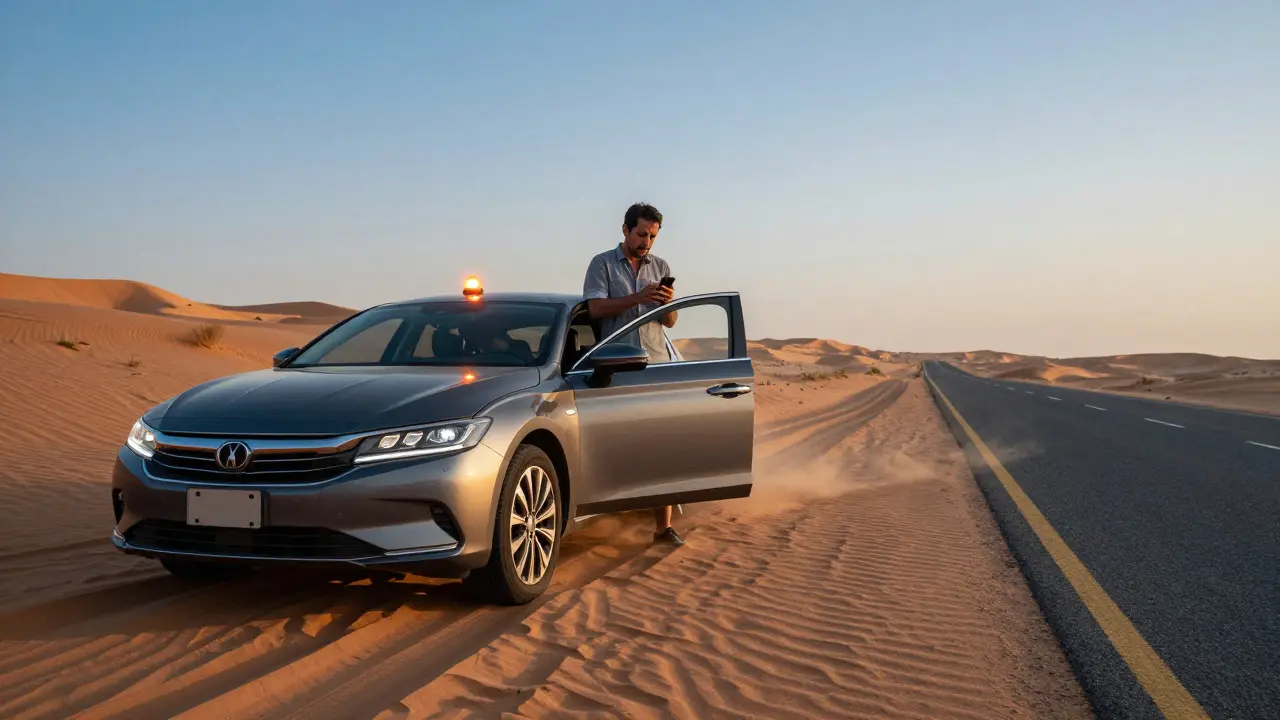
Stranded on the shoulder of I-84 with a dead battery or a flat tire is stressful enough. The real panic sets in when you realize your car isn't just broken-it's too heavy to push, and you don't know who to call. This is where roadside assistance becomes less of a nice-to-have and more of a financial safety net. It’s not just about getting a tow truck; it’s about understanding exactly what your policy covers before you need it.
Many drivers assume that if they have full coverage auto insurance, they are protected. That’s a common misconception. Standard liability policies rarely include roadside help, and even comprehensive coverage might cap your towing at a surprisingly low amount. Knowing the difference between standard benefits and add-on packages can save you hundreds of dollars in an emergency.
What Actually Counts as Roadside Assistance?
Roadside assistance is a service contract that provides specific help when your vehicle breaks down or gets stuck. It is distinct from mechanical breakdown insurance, which pays for repairs. Instead, roadside assistance focuses on getting you back on the road or to a safe location. The core services usually fall into five categories:
- Towing: Transporting your vehicle to a nearby repair shop or home.
- Battery Jump-Starts: Reviving a dead battery without needing a new one immediately.
- Tire Changes: Swapping a flat tire with your spare (you must have the spare).
- Fuel Delivery: Bringing enough gas to get to the nearest station, not filling the tank.
- Lockout Service: Unlocking doors if you lock your keys inside.
It is crucial to understand that these services are reactive. They fix the immediate problem so you can move, but they do not typically cover the cost of fixing the underlying engine failure unless specified in a premium tier.
Understanding Towing Limits and Mileage Caps
This is where most people get surprised. Your policy will always list a maximum mileage limit for towing. For example, a standard plan might offer 50 miles of towing per incident. If you break down 60 miles from your nearest preferred shop, you pay the difference out of pocket for those extra 10 miles.
Here is how the math usually works in practice:
| Plan Type | Max Towing Miles | Number of Incidents/Year | Annual Cost Range |
|---|---|---|---|
| Basic / Free Add-on | 25 - 50 miles | Unlimited or Capped | $0 - $50 |
| Standard | 75 - 100 miles | 3 - 5 incidents | $50 - $100 |
| Premium / National | 150+ miles or Unlimited | Unlimited | $100 - $200+ |
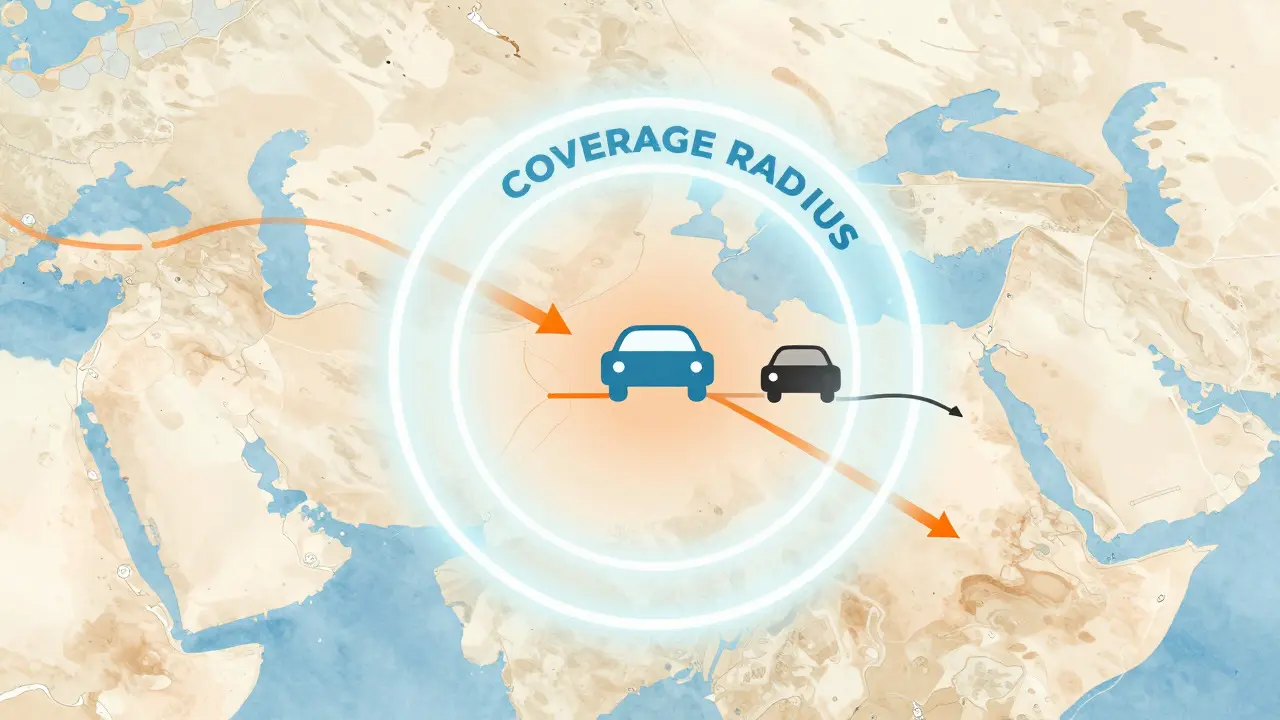
Notice the jump in price between the basic and premium tiers. If you live in a dense urban area like Portland, Oregon, 50 miles might be plenty. But if you frequently drive rural routes in Eastern Washington or Northern California, that 50-mile cap could leave you stranded far from help. Always match the mileage limit to your typical driving radius.
Recovery vs. Towing: A Critical Distinction
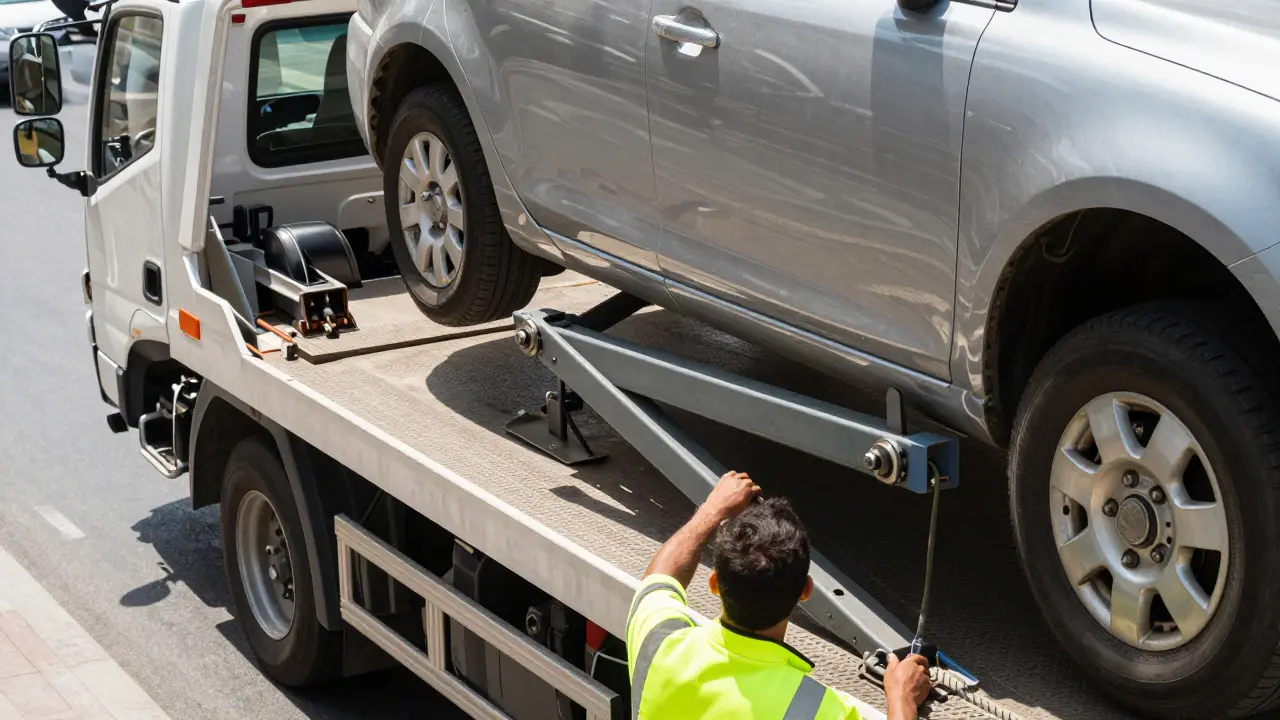
People often use "towing" and "recovery" interchangeably, but in insurance terms, they mean different things. Towing generally applies to vehicles that can be driven onto a flatbed or hooked up easily. Recovery is for vehicles that cannot be moved normally-think of a car stuck deep in mud, a motorcycle lying on its side, or a vehicle with severe undercarriage damage.
Recovery often requires specialized equipment, such as wheel-lift trucks or heavy-duty cranes. Because of this complexity, some basic roadside plans exclude recovery entirely or charge a significant surcharge. Before buying a plan, ask specifically: "Does this cover off-road recovery, and is there an extra fee?"
If you own a high-clearance SUV or an off-road vehicle, verify that your provider has access to local operators who handle difficult extractions. In remote areas, finding a qualified recovery team can take hours, so having a national network with local partners is vital.
Where to Get Coverage: Insurance, Credit Cards, and Clubs
You don’t have to buy a standalone roadside assistance plan if you already have other protections. Here are the three main sources, ranked by convenience:
- Credit Card Benefits: Many premium credit cards (like Chase Sapphire Reserve or Amex Platinum) include free roadside assistance. Check your cardholder agreement. These plans often have unlimited mileage but may require you to pay the bill first and then submit a claim.
- Auto Insurance Add-ons: Most insurers offer roadside assistance as a rider to your existing policy. The benefit is simplicity-one bill, one provider. However, limits are often lower than dedicated clubs.
- Dedicated Clubs (AAA, etc.): Organizations like AAA provide robust networks and higher mileage caps. You pay a membership fee regardless of whether you use the service. This is best for frequent travelers or those with older vehicles.
The smartest approach is to stack benefits. Use your credit card for minor issues like lockouts or small fuel deliveries, and rely on your insurance or club for major towing needs. Just make sure you know which provider to call for each scenario to avoid duplicate charges.
Common Pitfalls and Hidden Costs
Even with coverage, unexpected costs can pop up. Here are the traps to watch for:
- Preferred Shop Restrictions: Some plans only cover towing to "preferred" repair shops. If you want to go to your mechanic of choice, you might pay a penalty or lose coverage for the trip.
- Excluded Vehicles: Motorcycles, RVs, and commercial vans often require separate riders. A standard passenger car plan won’t cover your camper trailer.
- Waiting Periods: New memberships sometimes have a 30-day waiting period before benefits kick in. Don’t assume you’re covered the day you sign up.
- Incident Definitions: Does a single breakdown count as one incident? What if the tow truck arrives, finds the issue is minor, fixes it, and leaves? That’s usually one incident. But if they tow you to a shop, and the shop sends you to another shop, does that count as two? Read the fine print.
Always keep your member ID number accessible. In a stressful situation, calling customer service to find your details wastes precious time. Take a photo of your card and save it in your phone’s notes app.
How to Choose the Right Plan for Your Situation
Your ideal roadside assistance package depends on three factors: your vehicle type, your driving habits, and your budget. Ask yourself these questions:
- Do I drive long distances? If yes, prioritize unlimited or high-mileage towing. A 50-mile cap is useless if you’re crossing state lines.
- Is my vehicle older? Older cars break down more often. An unlimited incident plan saves money in the long run compared to paying per-service fees.
- Do I have a reliable credit card benefit? If yes, you might only need a backup plan for large vehicles or long-distance tows. Avoid paying for redundant coverage.
For most suburban drivers, a mid-tier plan with 75-100 miles of towing and 3-5 annual incidents offers the best value. It covers the vast majority of emergencies without the premium price tag of national unlimited plans.
Frequently Asked Questions
Does comprehensive auto insurance include roadside assistance?
Not automatically. Comprehensive insurance covers damage from non-collision events like theft, weather, or animals. Roadside assistance is usually a separate add-on or rider. You must explicitly opt-in to get towing and recovery benefits through your insurer.
What happens if I exceed my towing mileage limit?
You are responsible for the cost of any miles beyond your limit. For example, if your plan covers 50 miles and you need 70, you pay for the extra 20 miles at the standard tow rate. Keep receipts to check if your insurer reimburses part of the overage, though this is rare.
Can I use roadside assistance for a friend's car?
Usually, no. Most plans are tied to the vehicle listed on the policy, not the driver. If your friend’s car breaks down, they need their own coverage. However, some premium plans allow you to extend coverage to household members’ vehicles for a small fee.
Is there a difference between towing and winching?
Yes. Towing moves your entire vehicle to a destination. Winching pulls your vehicle out of a stuck position (like mud or snow) so you can drive away yourself. Basic plans often include winching but limit the distance the vehicle can be pulled. Check if your plan specifies a winch limit, such as 20 feet.
How fast will help arrive in rural areas?
Response times vary wildly. In cities, expect 30-60 minutes. In rural areas, it can take 2-4 hours because fewer tow trucks operate in those zones. If you live remotely, choose a provider with a strong national network rather than a local-only operator.