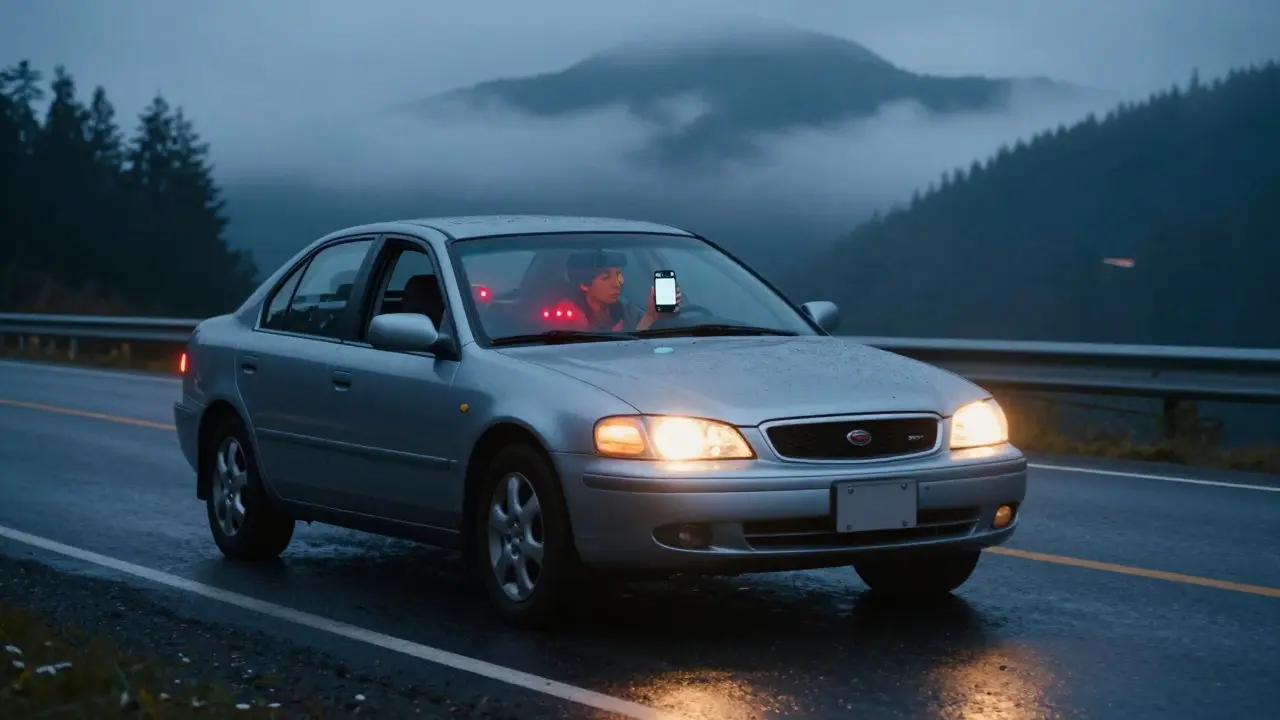
Imagine this: It’s 7:45 PM on a Tuesday. You’re stuck on the shoulder of I-84 in Portland, Oregon. The engine light is blinking, the heater is off, and your phone battery is at 12%. You pull up your insurance app to check if you have coverage. Nothing. No roadside help. Just silence.
That moment defines why roadside assistance isn’t just a perk-it’s a financial safety net. But is it worth paying $20 to $30 a month for? For most drivers, the answer depends on how often you drive, where you live, and whether you already have hidden coverage you’ve forgotten about.
The Real Cost of Doing Without Coverage
Before we talk about memberships, let’s look at what happens when you don’t have one. The average cost of a single tow truck call within a 10-mile radius in the Pacific Northwest ranges from $75 to $120. If your car is out of state or in a rural area, that price can jump to $200 or more. Add a $60 tire change or a $150 jump-start, and one bad day can wipe out six months of membership fees.
Consider a typical scenario. A driver in Seattle gets a flat tire near a major intersection. Without a plan, they pay $95 for the tow and another $80 to replace the tire at a local shop because the spare was a temporary "donut" that couldn't be driven far. Total: $175. Now, compare that to an annual membership fee of roughly $250. One incident covers the year. Two incidents make it a bargain.
What’s Actually Included in Your Plan?
Not all roadside assistance plans are created equal. Some cover everything; others leave you stranded halfway through a service. Here’s what you should expect from a standard comprehensive plan:
- Towing: Usually up to 5-7 miles to the nearest repair shop. Longer distances cost extra per mile.
- Battery Jump-Starts: Free if done on-site. If the battery needs replacement, you pay for the part, but not the labor to install it.
- Tire Changes: They swap your flat with your spare. Note: they usually don’t fix the puncture. You still need a shop for that.
- Fuel Delivery: Up to 2.5 gallons delivered to you. You pay for the gas, plus a delivery fee (typically $25-$50).
- Lockout Service: If you lock your keys inside, they unlock the door. This is surprisingly common and often overlooked.
Some premium tiers add extras like winch-out services for off-road vehicles or hotel reimbursement if you’re stranded overnight. If you drive a heavy SUV or truck, check if the tow limit covers your vehicle’s weight. Standard trucks might exceed the 7,500-pound limit found in basic plans.
Hidden Coverage: Check Before You Buy
Here’s the trick most people miss: You might already have roadside assistance without knowing it. Many credit cards offer free towing and jump-starts as a benefit if you bought the car with that card. Chase Sapphire Reserve, for example, includes unlimited roadside assistance for cardholders. Similarly, some auto insurance policies bundle basic roadside help into their liability coverage.
Even new cars come with manufacturer warranties that include roadside support for the first three years. If you bought a 2024 model, you likely have free service until 2027. Don’t double-pay. Check your credit card benefits page and your auto insurance policy documents before signing up for a new membership.
Comparing Major Providers: Who Fits Your Needs?
The market is dominated by a few key players, each with different strengths. Let’s break down the big ones based on reliability, cost, and coverage scope.
| Provider | Annual Cost (Individual) | Tow Limit | Key Strength | Best For |
|---|---|---|---|---|
| AAA | $250 - $300 | 7 miles (Standard) / Unlimited (Plus) | National network, high reliability | Long-distance travelers, frequent drivers |
| Allstate Roadside | $100 - $150 | 10 miles | Low cost, simple interface | Budget-conscious urban drivers |
| Good Sam | $120 - $180 | 10 miles | RV and heavy-duty expertise | RV owners, truck drivers |
| Credit Card Benefits | $0 (if you hold the card) | Varies (usually 5-10 miles) | No extra cost | Existing cardholders |
AAA remains the gold standard for reliability. Their network spans every state, meaning you get consistent service whether you’re in Portland or Phoenix. However, prices have risen steadily. In 2026, individual membership starts around $250/year. The "Plus" tier offers unlimited towing, which is a game-changer if you travel interstate frequently.
Allstate Roadside is the budget-friendly alternative. At roughly half the price of AAA, it covers the basics well. The trade-off? Slightly longer wait times in rural areas and fewer perks like hotel discounts. If you mostly drive within city limits, this is a smart, low-risk choice.
Good Sam specializes in larger vehicles. If you own an RV, boat, or heavy pickup, standard providers might struggle with the weight. Good Sam handles these rigs daily, making them the top pick for recreational vehicle owners.
When Is Membership Not Worth It?
It’s not for everyone. If you live in a dense urban area like downtown Portland and rarely drive more than 5 miles from home, the risk of a breakdown is lower. Your chances of needing a tow are minimal compared to someone commuting 40 miles daily on highways.
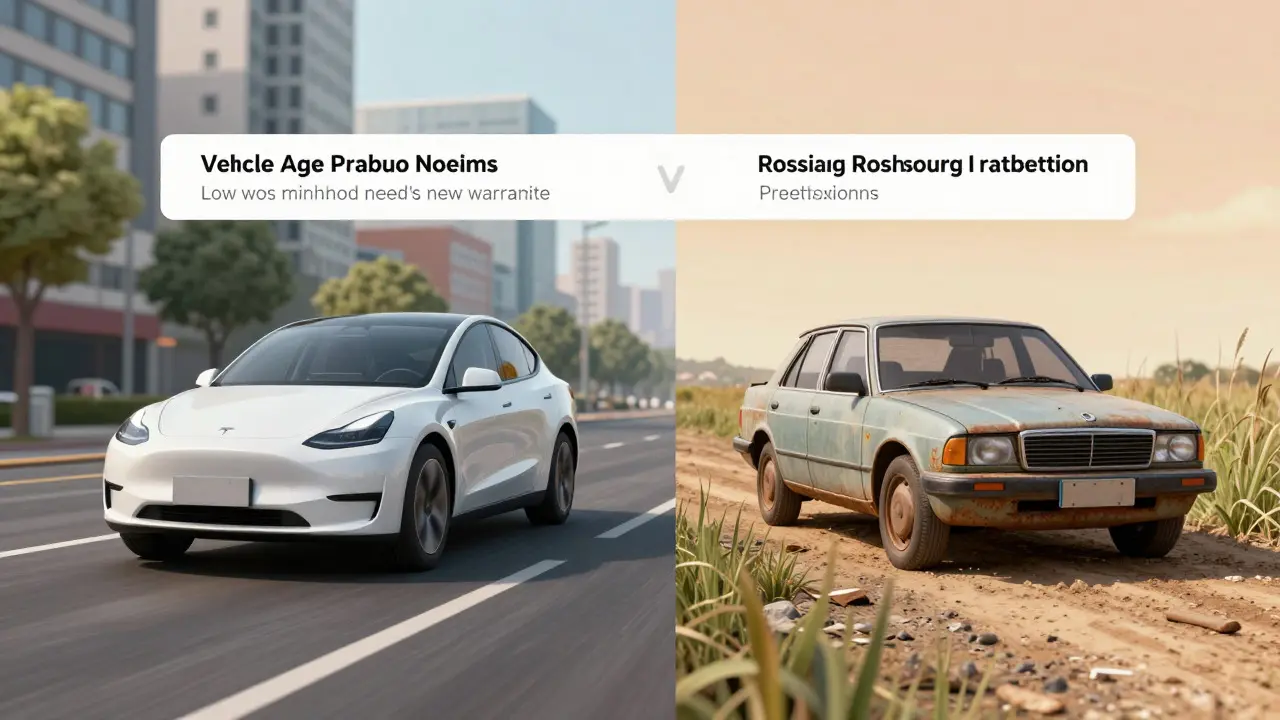
Also, consider your car’s age. Older vehicles (10+ years) have higher failure rates. If you’re driving a 15-year-old sedan with 180,000 miles, the probability of needing help is significantly higher than for a two-year-old hybrid. In that case, skipping the membership is risky. Conversely, if you drive a brand-new electric vehicle with a solid-state battery and regenerative braking, mechanical failures are rarer. You might save money by relying on your manufacturer warranty instead.
Pro Tips to Maximize Value
If you decide to join, here’s how to get the most out of your dollar:
- Check the Mileage Cap: Always confirm the tow distance limit. If you’re 15 miles from a shop, ask if the provider charges per mile beyond the limit. Some charge $5-$10 per extra mile.
- Keep Your Phone Charged: Most services require you to call ahead. Keep a power bank in your glovebox. Dead phone + dead car = expensive problem.
- Know Your Vehicle’s Weight: If you drive a truck or SUV, verify the provider’s weight capacity. Exceeding it can void coverage or incur surcharges.
- Bundle Discounts: Many providers offer discounts if you also buy auto insurance from them. Ask about multi-product savings.
- Review Cancellation Policies: Some plans prorate refunds; others don’t. If you sell your car, cancel immediately to stop billing.
FAQ
Does roadside assistance cover tire repairs?
Usually, no. Most plans only cover swapping the flat tire with your spare. You will still need to pay a mechanic to repair or replace the damaged tire. Some premium plans include a small repair allowance, but it’s rare.
Is AAA worth it in 2026?
Yes, if you drive long distances or live in a remote area. The reliability and national network justify the higher cost. For city-only drivers, cheaper alternatives like Allstate may offer better value.
Can I use my credit card’s roadside assistance anywhere?
Most major credit cards provide nationwide coverage in the US. However, international coverage varies. Check your card’s benefits guide for details on foreign countries.
What happens if my car breaks down out of state?
National providers like AAA cover you everywhere. Regional providers might have gaps. If you travel across state lines regularly, stick with a national plan to avoid coverage holes.
Do I need roadside assistance if I have a new car warranty?
For the first 3 years, probably not. Manufacturer warranties typically include roadside assistance. After that expires, consider joining a plan, especially as the car ages.