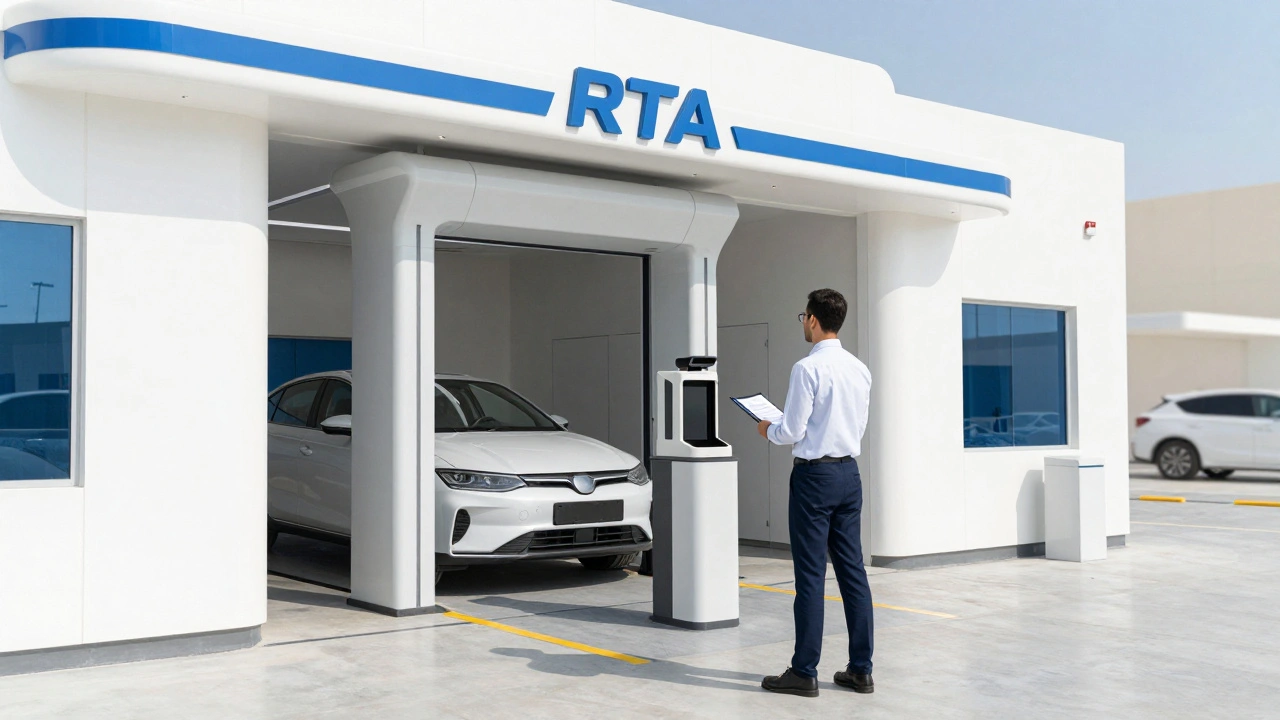
Walking up to an RTA inspection center is a government-mandated facility where vehicles undergo technical and safety examinations to ensure roadworthiness can feel like stepping into a high-stakes bureaucracy. You’ve washed the car, checked the lights, and maybe even replaced those squeaky brakes. But if you forget one specific piece of paper, none of that preparation matters. The inspector won’t even look at the engine. They will simply turn you away.
This isn’t just about being organized; it’s about legality. In places like Dubai, governed by the Roads and Transport Authority (RTA) was established in 2005 to regulate transport infrastructure and vehicle compliance in Dubai, or similar bodies elsewhere, the document checklist is the gatekeeper. Without the right paperwork, your vehicle cannot be registered, renewed, or transferred. This guide breaks down exactly what you need to bring, why each document matters, and how to avoid the most common pitfalls that waste drivers’ time and money.
The Non-Negotiable Core Documents
Before we get into special cases, there are three documents that almost every jurisdiction requires for a standard vehicle inspection. Think of these as the holy trinity of car compliance. If you leave home without any one of them, do not bother driving to the inspection center.
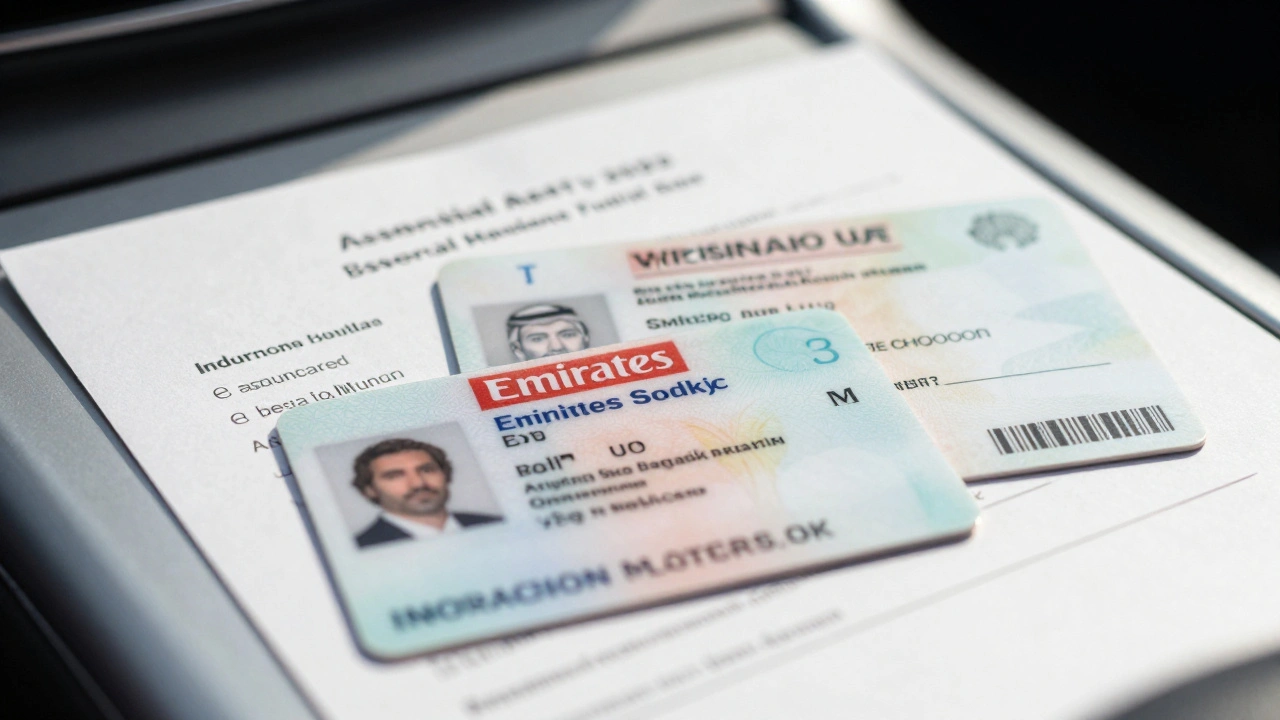
- Government-Issued ID: This verifies who you are. In the UAE, this is your Emirates ID. In other regions, it might be a driver’s license or passport. The name on this ID must match the name on the vehicle registration. If someone else is bringing the car, they need their own ID plus a letter of authorization from you.
- Vehicle Registration Card (Mulkiya): Known as the Mulkiya is the official vehicle ownership certificate issued by the RTA in Dubai, containing VIN, plate number, and owner details in Dubai, this document proves you own the car or have the right to operate it. It must be the original card, not a photocopy or a blurry photo on your phone. Inspectors need to verify the chassis number (VIN) and plate details against their database.
- Valid Insurance Certificate: You cannot renew registration without insurance, and you often cannot complete the inspection process without proving you have it. While many systems now verify this electronically, having a digital copy in your wallet app or a printed card is a smart backup. Ensure the policy is active on the day of your inspection.
Why are originals so important? Because fraud is a real concern. Authorities need to ensure the person standing in front of them is the legitimate owner and that the vehicle hasn’t been cloned or stolen. A photocopy doesn’t prove authenticity. Always carry the physical cards.
Scenario-Specific Checklists
Not all inspections are created equal. The documents you need change depending on why you’re getting inspected. Are you just renewing your annual registration? Selling your car? Or importing a brand-new model? Here is how your checklist shifts based on the transaction type.
| Scenario | Core Docs Needed | Additional Special Documents |
|---|---|---|
| Annual Renewal | ID, Mulkiya, Insurance | None usually, unless the car is mortgaged (see below) |
| Selling / Transfer | ID (Buyer & Seller), Mulkiya | Sale agreement, Bank NOC (if financed), Previous inspection report |
| New Vehicle Registration | ID, Insurance | Dealer invoice, Customs clearance, GCC conformity certificate |
| Commercial Fleet | ID, Company Trade License | Authorization letter, Driver’s logbook, Commercial insurance |
Renewing Your Registration
If you’re just doing your yearly check-up, keep it simple. Bring your ID, Mulkiya, and proof of insurance. However, if your car is under a mortgage, you might need a No Objection Certificate (NOC) is a formal letter from a bank confirming no outstanding loans exist on a vehicle, allowing for transfer or modification from your bank. This is especially true if you plan to change plates or make significant modifications during the renewal. Don’t assume the bank has already notified the RTA; carry the paper trail.
Selling or Transferring Ownership
When you sell a car, both parties usually need to be present, or at least represented with proper documentation. The seller needs their ID and the original Mulkiya. The buyer needs their ID and valid insurance. Crucially, you’ll need a signed sale contract. If the car was financed, the bank must release it via an e-release or a physical NOC. Without this, the title cannot transfer, and the inspection result won’t help you complete the sale.
First-Time Registration (New Cars)
Buying a new car comes with its own paperwork mountain. Beyond your ID and insurance, you need the dealer’s invoice showing the VIN. If you imported the car yourself rather than buying from a local dealership, you’ll need customs clearance papers and a GCC conformity certificate. These prove the car meets regional safety and emission standards. Missing these means the RTA cannot register the vehicle legally.
Handling Failures and Re-Inspections
Let’s say you arrive, hand over your perfect stack of documents, and then… the car fails. Maybe the headlights are misaligned, or the emissions are slightly off. Don’t panic. You don’t start from scratch.
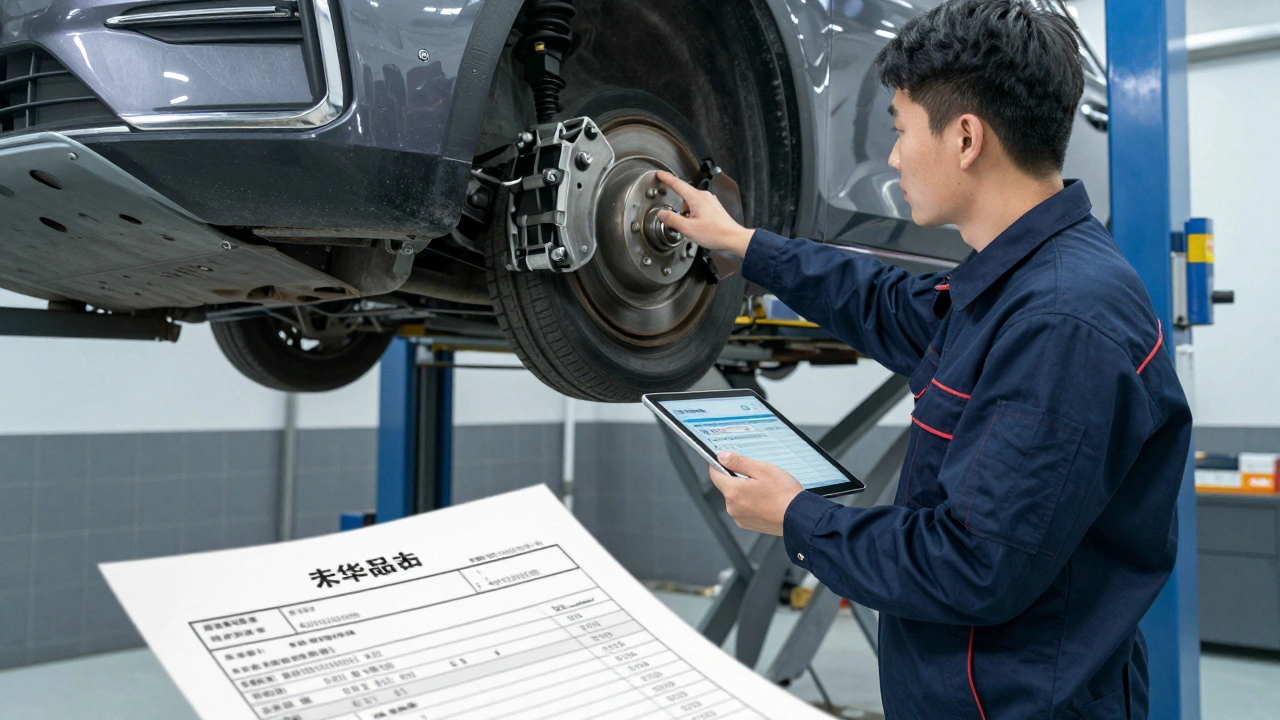
When you fail, the inspector gives you a failure sheet or a report detailing exactly what went wrong. Keep this document. When you return for a re-inspection after making repairs, you must bring this previous report. Why? Because many centers offer partial re-inspections. They only want to check the items that failed, not the entire car again. This saves you money and time. If you lose that failure sheet, you might have to pay for a full inspection again.
Additionally, if you took the car to a mechanic to fix the issues, bring the repair invoice. Some authorities require proof that the specific faulty part was replaced. For example, if your brake pads were worn, the invoice should list "brake pad replacement." This creates a clear audit trail from failure to fix.
Digital vs. Physical: What Works?
We live in a digital age. Apps like UAE Pass is a digital identity platform in the UAE that allows users to access government services and store official documents securely allow you to store your Emirates ID and sometimes your Mulkiya digitally. Can you just show your phone?
In many cases, yes. The RTA in Dubai has integrated heavily with digital systems. Your insurance might already be linked to your profile. Your ID is verified through the app. However, here is the catch: technology fails. Servers go down. Apps glitch. And some inspectors prefer the tactile certainty of a physical card.
The safest strategy is hybrid. Have everything ready on your phone for speed, but carry the physical originals in your glove compartment or bag. If the system works, great-you breeze through. If it doesn’t, you’re not stranded. Also, remember that while digital IDs are accepted for identity, the Mulkiya often needs to be scanned physically to update the central database, so having the plastic card is still highly recommended.
Avoiding Common Pitfalls
I’ve seen too many people stand in line for two hours only to be turned away at the counter. Here are the most frequent mistakes to avoid:
- Expired Insurance: Your insurance must be valid on the day of inspection. If it expired yesterday, you need to renew it first. The inspection center cannot accept an expired policy.
- Wrong Person: If you are not the owner, you need a power of attorney or an authorization letter. Just saying "my friend owns it" isn’t enough. The letter should state that you are authorized to handle the vehicle’s inspection and registration matters.
- Ignoring Appointment Confirmations: Many centers use appointment systems to manage crowds. Bring your booking confirmation, whether it’s a screenshot or a printed email. It helps them pull up your file faster.
- Forgetting Payment Methods: Inspections cost money. Fees vary by vehicle type-private cars might pay around 100-300 AED, while commercial vehicles pay more. Make sure you have a credit card or cash ready. Some centers are moving toward cashless payments, but it’s wise to have options.
Pro Tips for a Stress-Free Experience
Preparation is half the battle. Here are a few tricks to make your life easier:
- Create a "Car Folder": Keep a dedicated folder in your car with copies of your ID, Mulkiya, insurance, and any past inspection reports. Update it every year. This way, you never scramble when you need to go.
- Check Validity Dates Early: Don’t wait until the last day. If your registration expires on May 30th, try to get your inspection done by May 15th. This gives you buffer time if something goes wrong or if you need to fix a minor issue.
- Verify Online First: Most RTAs have online portals where you can check your vehicle’s status. Log in before you drive. See if there are any pending fines or issues. Clear them online first. This ensures your visit is purely for the inspection, not for paying tickets.
- Ask About Partial Re-Inspections: If you failed previously, explicitly ask if you qualify for a partial re-check. This can save you significant fees.
Remember, the goal of the RTA inspection is safety and compliance. By bringing the right documents, you’re not just jumping through hoops; you’re ensuring that your vehicle is legally recognized and safe for the roads. It’s a small effort that prevents huge headaches later.
Can I use a photocopy of my Mulkiya for the RTA inspection?
Generally, no. Most RTA centers require the original physical Mulkiya card to verify authenticity and scan the barcode or QR code. Photocopies are rarely accepted because they can be forged. Always carry the original.
What happens if I forget my Emirates ID?
If you have the UAE Pass app with your digital Emirates ID, you may be able to proceed. However, if the digital system is unavailable or the inspector insists on a physical card, you will likely be turned away. It is best to always carry the physical card as a backup.
Do I need to bring my insurance card if it's already linked online?
While many systems verify insurance electronically, it is highly recommended to bring a digital or physical copy of your insurance certificate. System errors happen, and having proof on hand speeds up the process if there is a discrepancy in the database.
How long does an RTA inspection take?
The actual technical inspection usually takes 15-30 minutes. However, including check-in, payment, and waiting times, you should budget 1-2 hours. Booking an appointment can significantly reduce wait times.
Can someone else bring my car for inspection?
Yes, but they need their own government-issued ID and a signed authorization letter from you (the owner). Some centers may also require a copy of your ID. Check with the specific center beforehand, as rules can vary.
What if my car fails the inspection?
You will receive a failure report listing the issues. Fix the problems at a certified workshop, then return for a re-inspection. Bring the failure report and repair invoices. You may only need to pay for a partial re-inspection fee, which is lower than the full rate.