
You’re driving down I-5 in Portland, rain slicking the asphalt, when a sharp pop echoes from the rear. Your dashboard lights up like a Christmas tree. In the old days, this meant pulling over in the drizzle, wrestling with a jack, and praying your spare isn’t flat too. But if you drive a modern luxury sedan or a high-performance SUV, you might not need to stop at all. This is the promise of run-flat tires.
But here’s the catch: most drivers misunderstand them. They think "run-flat" means "never flat." It doesn’t. It means "keep moving for a limited time under specific conditions." If you don’t know how they work, you could end up destroying your wheel rim or getting stranded miles from help. Let’s break down exactly what these tires are, why automakers love them, and the strict rules for replacing them.
What Exactly Are Run-Flat Tires?
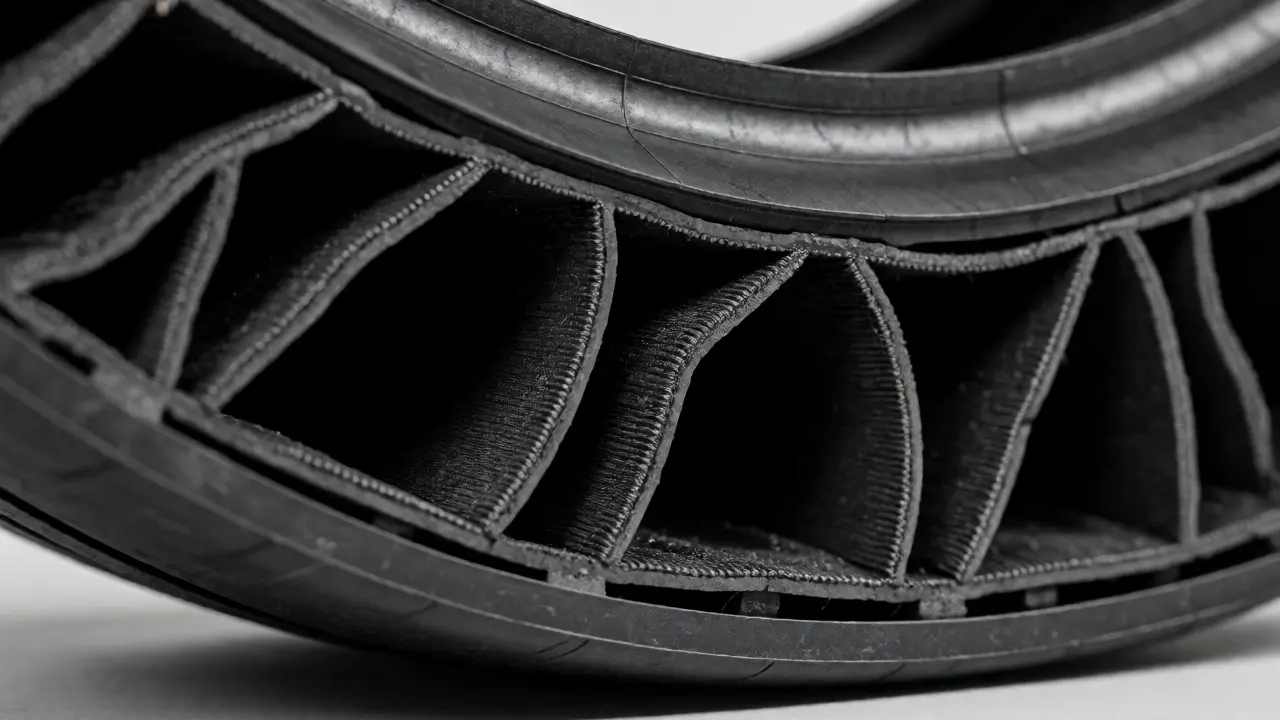
A run-flat tire, also known as a zero-pressure tire, is a type of pneumatic tire designed to support the vehicle's weight even after losing air pressure. Unlike standard tires that rely on air inflation to maintain their shape and load-bearing capacity, run-flats feature reinforced sidewalls made from stiff rubber compounds and specialized fabric layers. These reinforced walls act like internal crutches, preventing the tire from collapsing against the road surface when the air leaks out.
The technology isn't new; it was pioneered by companies like Michelin and Goodyear in the late 1990s and early 2000s. Today, you’ll find them on brands like BMW, Mercedes-Benz, Audi, and many Lexus models. The core idea is simple: eliminate the need for a spare tire. By removing the heavy steel or aluminum spare and the jack, manufacturers save space and reduce vehicle weight, which can slightly improve fuel efficiency and handling dynamics.
The Real Benefits (And The Downsides)
Why do so many premium cars come equipped with these? It’s not just about convenience, though that’s a huge factor. Imagine changing a tire in freezing temperatures on a busy highway shoulder. With run-flats, you simply continue driving to the nearest service center. No tools, no dirty hands, no danger of being hit by passing traffic while crouched over a lug wrench.
However, they aren’t perfect. Here is a balanced look at the pros and cons:
- Safety and Control: Standard tires can blow out violently, causing sudden loss of control. Run-flats degrade gradually. You feel a vibration or pull, but the car remains stable enough to steer safely off the road or to a shop.
- Space Saving: Without a spare tire well, trunk space increases. This is great for hatchbacks or coupes where every cubic inch counts.
- Ride Comfort: Because the sidewalls are stiffer, run-flats often transmit more road noise and harshness into the cabin. On rough Portland streets, you might notice a bumpier ride compared to traditional tires.
- Cost: They are significantly more expensive than conventional tires. Expect to pay 30% to 50% more per tire.
- Repairability: Many manufacturers advise against repairing run-flats once they’ve been driven on zero pressure. The heat generated by driving without air can damage the internal structure, making them unsafe for reuse.
How Long Can You Actually Drive on a Flat Run-Flat?
This is the most critical question. There is a common myth that you can drive indefinitely. False. Most manufacturers specify a limit of 50 miles (80 kilometers) at a maximum speed of 50 mph (80 km/h). Some newer models claim up to 100 miles, but always check your owner’s manual.
Why the restriction? When a tire loses air, the sidewall flexes excessively. This flexing generates immense heat. Too much heat weakens the rubber and the bond between the tread and the casing. If you push past the limit, the tire can disintegrate, potentially damaging the wheel rim beyond repair. Always treat the distance as an emergency window, not a commute allowance.
Identifying Run-Flats vs. Self-Sealing Tires
Don’t confuse run-flats with self-sealing tires. They sound similar but work differently. A self-sealing tire has a special inner lining that plugs small punctures automatically, allowing you to keep driving normally without significant performance changes. Run-flats require you to drive slower and shorter distances because they rely on structural strength, not sealing capability.
| Feature | Standard Tire | Run-Flat Tire | Self-Sealing Tire |
|---|---|---|---|
| Behavior when punctured | Collapses immediately; requires stop | Supports weight via stiff sidewall | Plugs hole internally; keeps air |
| Max Distance After Flat | 0 miles | ~50 miles @ 50 mph | Unlimited (if seal holds) |
| Repair Options | Easily repaired | Often replace-only | Repaired or replaced |
| Cost | $ | $$$ | $$ |
| Ride Comfort | Soft/Quiet | Firm/Loud | Similar to Standard |
The Replacement Procedure: What To Do When The Light Comes On
Your Tire Pressure Monitoring System (TPMS) will alert you long before you’re in trouble. If the yellow horseshoe icon with an exclamation point illuminates, one or more tires have dropped below 25% of recommended pressure. If a red light flashes, it’s a severe failure.
Here is the step-by-step protocol for handling a suspected run-flat failure:
- Calm Down and Assess: Do not slam on the brakes. Ease off the accelerator and let the car slow naturally. Grip the steering wheel firmly. You may hear a flapping noise or feel a rhythmic thumping.
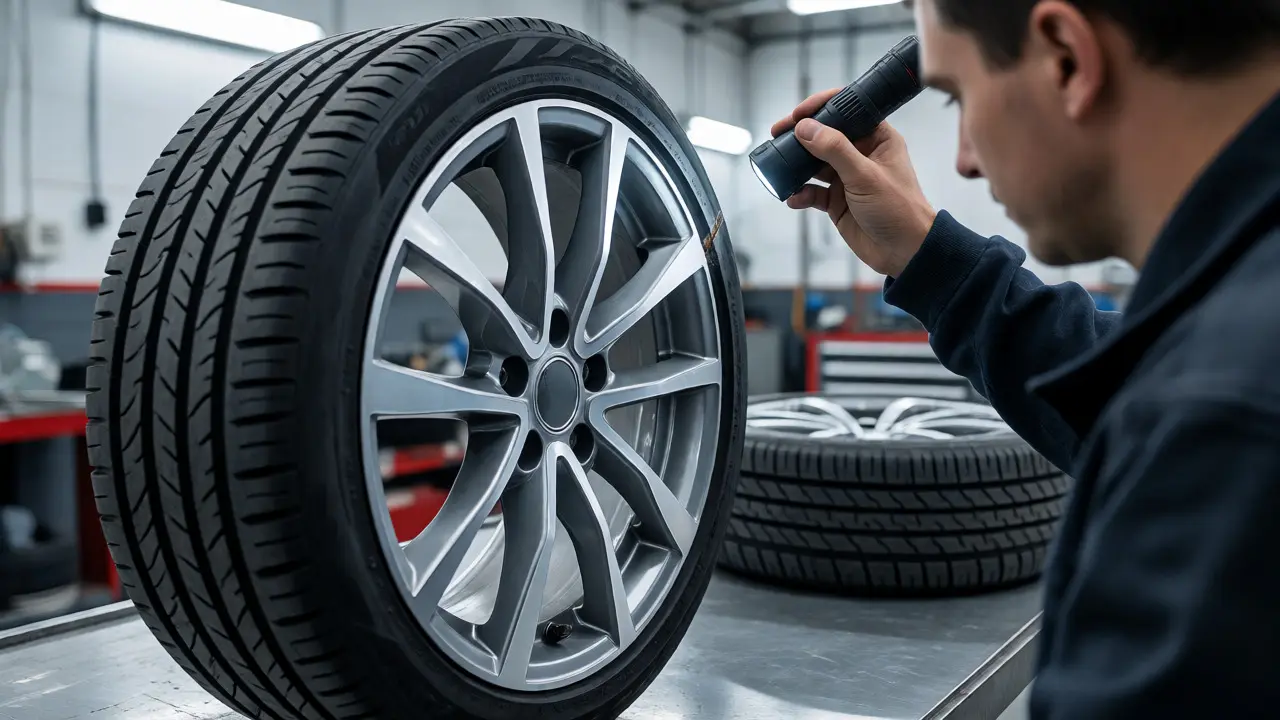
- Check Visuals Safely: Once stopped in a safe location, look at the suspect tire. Does it look visibly deflated? Note that some run-flats look almost normal even when flat because the sidewall is so stiff. Trust the TPMS warning over your eyes.
- Calculate Your Range: Estimate the distance to the nearest tire shop. If it’s within 50 miles, proceed slowly. Keep speeds under 50 mph. Avoid hard cornering or aggressive braking.
- Inspect the Wheel: Upon arrival at the shop, ask the technician to inspect the wheel rim. Driving on a flat run-flat can gouge the metal edge of the alloy wheel. If the rim is damaged, you’ll need to repair or replace it, adding to the cost.
- Replace, Don’t Repair (Usually): Most OEM warranties void if you patch a run-flat that has been driven on zero pressure. Plan to buy a new tire. If you only have one bad tire, try to replace it with an identical model. Mixing run-flat types can cause uneven wear and handling issues.
Can You Switch Back to Regular Tires?
Yes, and many owners do this to save money and improve comfort. However, there are caveats. First, you must ensure your car does not rely on the absence of a spare for other components. Check your trunk floor-sometimes the battery or subwoofer is mounted in the spare well.
Second, you need a proper jack and a full-size spare tire. If you switch to regular tires, you lose the safety net. If you get a flat, you’re back to changing it on the roadside. Make sure your new jack fits your vehicle’s lift points. Also, verify that your TPMS sensors still function correctly; sometimes switching tire types requires resetting the system.
Maintenance Tips to Extend Life
Run-flats wear differently than standard tires. Because they are stiffer, they can develop uneven wear patterns if alignment is off. Rotate them regularly-every 6,000 to 8,000 miles-to ensure even tread life. Keep an eye on the date code on the sidewall. Rubber degrades over time, regardless of mileage. Replace tires older than six years, even if they look good.
Also, be mindful of potholes. The stiff sidewall has less cushioning, so hitting a deep pothole at speed can pinch the tire against the rim, causing a sidewall bulge or rupture. In cities like Portland, where road conditions vary, this is a real risk.
Can I repair a run-flat tire after it has gone flat?
Generally, no. If you drove on the tire after it lost pressure, the internal structure is likely compromised by heat. Most manufacturers recommend replacement rather than repair. If the tire went flat while parked and you didn't drive on it, some shops may attempt a plug-and-patch, but it depends on the manufacturer's guidelines and the extent of any visible damage.
How far can I drive on a run-flat tire with zero pressure?
The standard rule is 50 miles at a maximum speed of 50 mph. However, this varies by brand and vehicle. Always consult your owner's manual for the specific limits of your car. Exceeding these limits risks permanent damage to both the tire and the wheel rim.
Are run-flat tires louder than regular tires?
Yes, typically. The reinforced sidewalls required to support the car without air make the tire stiffer. This stiffness transmits more road noise and vibrations into the cabin. While newer designs have improved this aspect, they rarely match the quiet ride of high-quality touring tires.
Do I need a spare tire if I have run-flats?
No, that is the main advantage. Vehicles equipped with run-flats usually do not come with a spare tire, jack, or lug wrench. This frees up trunk space and reduces weight. However, if you plan to switch to standard tires later, you will need to purchase a compatible spare kit separately.
Why are my run-flat tires wearing unevenly?
Uneven wear is often caused by poor wheel alignment or suspension issues. Because run-flats are stiffer, they are less forgiving of misalignment than softer tires. Regular rotations and alignments are crucial. Additionally, driving habits such as aggressive cornering can accelerate shoulder wear on these tires.