
Imagine driving your sedan on a highway in Dubai at 120 km/h. The asphalt is radiating heat so intense it could fry an egg. Now, imagine doing that same drive in January when the desert nights drop to near freezing. This extreme temperature swing is why seasonal tire swap strategy is such a hot topic among expats and locals alike. But here’s the controversial truth: for most drivers in the United Arab Emirates, changing tires twice a year might be a waste of money and time.
You see, the traditional "summer" and "winter" dichotomy we know from Europe or North America doesn't quite fit the Gulf region's climate profile. In Portland, Oregon, where I write this, swapping tires is non-negotiable because snow and ice are real threats. In the UAE, the threat isn't snow; it's heat degradation and sudden rainstorms during rare winter showers. So, do you really need to swap? Or is there a smarter way to handle your rubber?
The Myth of Winter Tires in the Desert
Let’s clear up the biggest misconception first. There is no such thing as a standard "winter tire" for the UAE climate. If you go to a shop in Sharjah asking for winter tires, they will look at you strangely. Why? Because winter tires are designed with soft rubber compounds that stay flexible below 7°C (45°F). They have deep treads to bite into snow. In the UAE, even in January, daytime temperatures rarely drop low enough to make these tires effective. Worse, if you use soft-compound winter tires on hot UAE roads, they wear out rapidly, often within a single season, costing you thousands of dirhams.
What people actually mean when they talk about a "winter swap" in the UAE is usually switching to tires with better wet traction for the occasional rainy season (December to March). These are often called "all-season" tires in other parts of the world, but in the Gulf, they are marketed as "rain-ready" or "wet-weather optimized." The logic is sound: dry heat demands hard compounds to resist melting, while wet roads demand softer compounds and specific tread patterns to prevent hydroplaning.
Understanding Heat Degradation
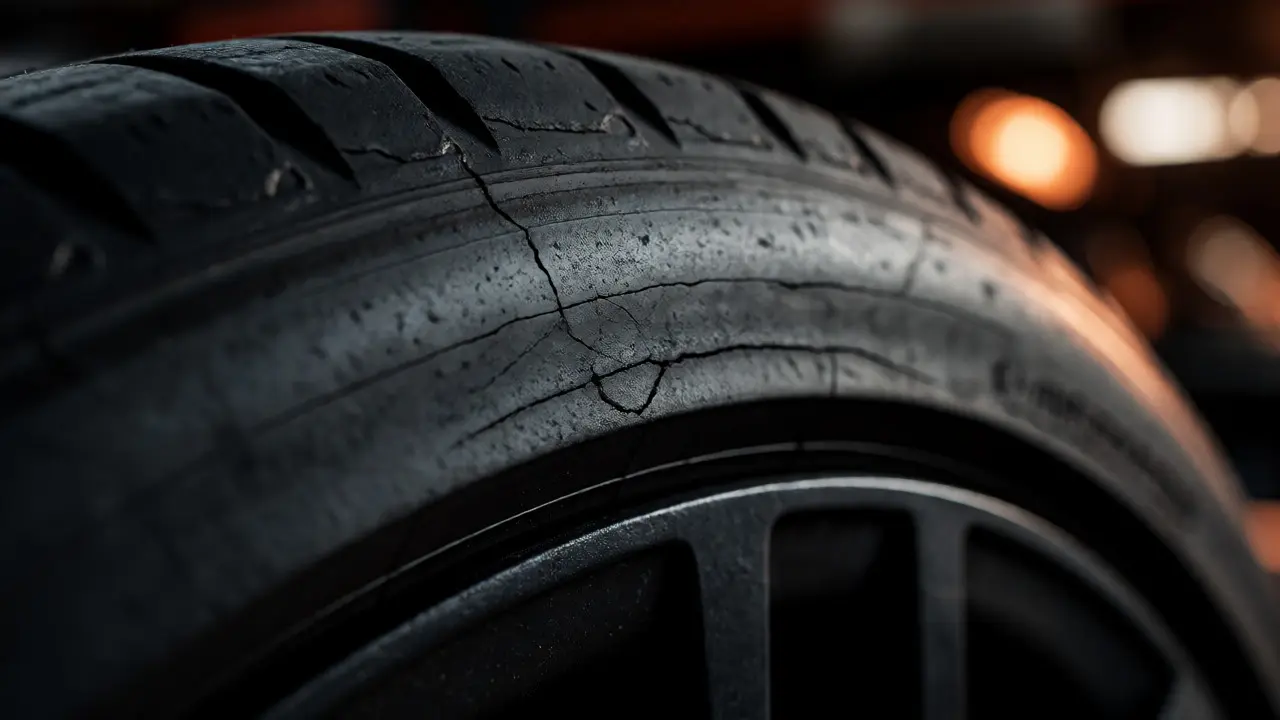
The primary enemy of your tires in the Middle East is ultraviolet radiation and high ambient temperatures. Standard passenger tires degrade faster here than almost anywhere else on Earth. A tire rated for 60,000 kilometers in Canada might only last 30,000 kilometers in Riyadh or Doha. This is due to oxidative aging, a chemical process where oxygen breaks down the rubber polymers, causing them to harden and crack.
When rubber hardens, it loses grip. This is dangerous, especially during those rare but heavy downpours. Many drivers wait until their tires are bald before replacing them, not realizing that a tire can be structurally compromised long before the tread depth reaches the legal limit of 1.6mm. Regular inspections are crucial. You aren't just checking for punctures; you're looking for sidewall cracking and uneven wear patterns that indicate alignment issues exacerbated by potholes and speed bumps.
All-Season vs. Dedicated Summer Tires
If you don't swap tires, what should you buy? Most new cars in the UAE come equipped with all-season tires. These are a compromise. They offer decent performance in dry heat and acceptable handling in light rain. However, they are masters of none. They wear faster than dedicated summer tires in extreme heat and lack the wet braking power of specialized rain tires.
For the average commuter in Abu Dhabi who drives mostly on highways like E11, sticking with high-quality all-season tires is the most cost-effective strategy. Brands like Michelin, Bridgestone, and Continental offer models specifically tuned for hot climates. Look for tires with a high UTQG (Uniform Tire Quality Grading) temperature rating of 'A'. This indicates resistance to heat buildup.
However, if you are a enthusiast driver or live in areas prone to flash floods, like certain parts of Jeddah or Muscat, you might consider a different approach. Instead of swapping every six months, some drivers opt for two sets of wheels: one set with hard-compound summer tires for the peak heat months (May-October) and another with softer, wet-focused tires for the cooler, wetter months (November-April). This isn't a strict "swap" driven by law, but by performance preference.
| Strategy | Cost Implication | Safety Benefit | Best For |
|---|---|---|---|
| Single Set All-Season | Lowest (One purchase) | Moderate (Compromise performance) | Daily commuters, city driving |
| Two Sets (Summer/Wet) | High (Two purchases + storage) | High (Optimized for conditions) | Performance drivers, flood-prone areas |
| Frequent Replacement | Medium-High (New tires yearly) | High (Always fresh rubber) | Taxi fleets, high-mileage users |
The Hidden Cost of Swapping
Why don't more people swap tires in the UAE? Storage. Finding secure, cool storage for four extra wheels and tires in a small apartment in Dubai Marina is a nightmare. Tires stored improperly-stacked vertically without rims, or exposed to direct sunlight-will degrade even while sitting idle. UV damage doesn't pause just because the car is parked.
Additionally, labor costs add up. A professional mounting and balancing service in the UAE typically ranges from 50 to 150 AED per wheel depending on the size and vehicle type. Doing this twice a year adds up to 1,200-3,600 AED annually. For many, that money is better spent buying higher-quality tires initially rather than paying for frequent swaps.
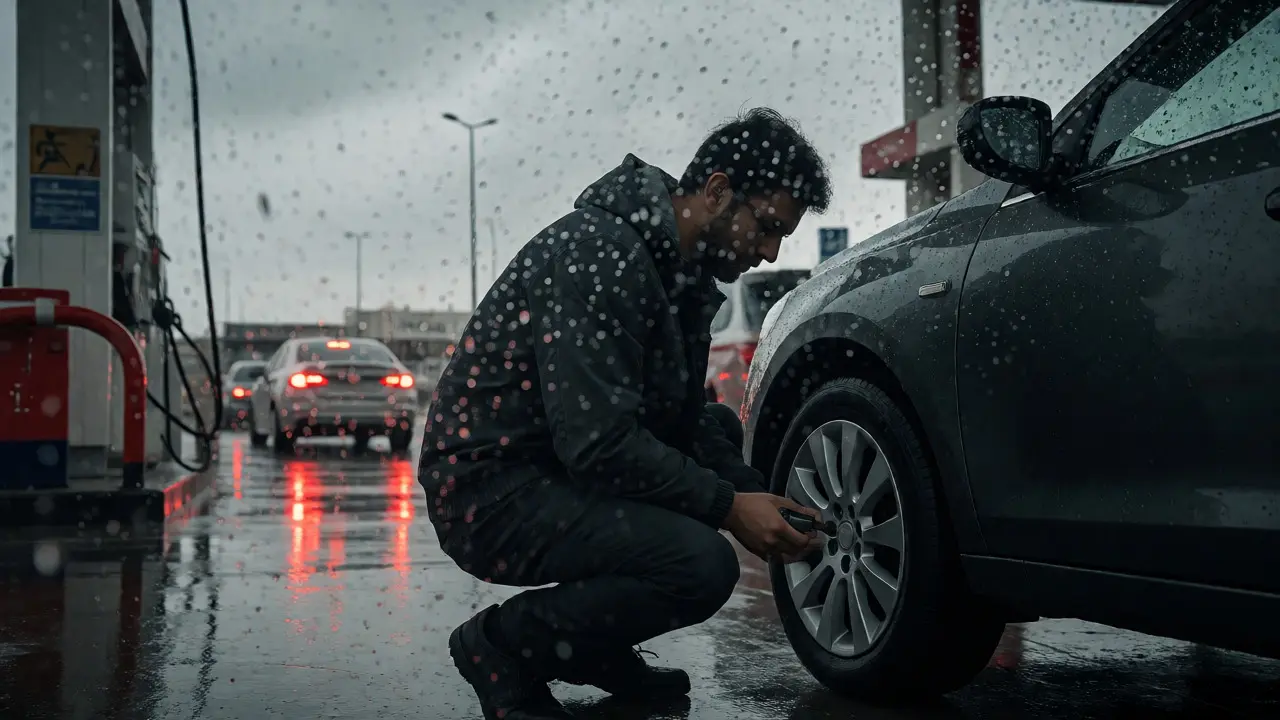
When Is a Swap Actually Necessary?
There are specific scenarios where changing tires makes sense:
- Off-Road Adventures: If you take your SUV into the dunes in Liwa or Hatta, you likely run lower-pressure all-terrain tires. Switching back to highway-rated tires after the trip prevents excessive wear and noise on paved roads.
- Track Days: Enthusiasts often run semi-slick tires for track events at Yas Marina Circuit. These tires overheat quickly on regular roads, so swapping to street tires for daily commuting extends their life.
- Commercial Fleets: Logistics companies operating across the GCC may standardize on tires optimized for regional weather patterns, rotating stock based on seasonal demand rather than individual car needs.
Smart Maintenance Over Swapping
Instead of focusing on swapping, focus on maintaining what you have. Check your tire pressure monthly. Heat causes air to expand, increasing pressure. Under-inflated tires flex more, generating heat, which leads to blowouts. This is critical in summer. Conversely, in winter, pressure drops, affecting fuel efficiency and handling.
Rotate your tires every 10,000 kilometers. This ensures even wear, extending the life of your current set. If you notice uneven wear, get an alignment check immediately. Misalignment wears tires out prematurely, forcing early replacement regardless of whether you swapped or not.
Ultimately, the question isn't just "is it needed?" but "what does my driving require?" For the vast majority of UAE residents, a high-quality set of heat-resistant all-season tires, properly maintained, is safer and cheaper than a complex swap schedule. Save the swap drama for places where snow falls, not where sand blows.
Do I legally need to change tires in the UAE?
No, there is no legal requirement to switch between summer and winter tires in the UAE. Unlike countries with mandatory winter tire laws, the UAE relies on general vehicle roadworthiness standards. Your tires must meet minimum tread depth requirements (usually 1.6mm) and be free from significant cracks or bulges, regardless of the season.
How long do tires last in the UAE heat?
Due to high temperatures and UV exposure, tires in the UAE typically last between 30,000 and 40,000 kilometers, significantly less than the 60,000+ kilometers expected in cooler climates. Factors like driving style, tire quality, and maintenance play major roles. Always inspect tires for sidewall cracking, which is a common sign of heat-induced aging.
Can I use winter tires in the UAE?
You can, but it is generally not recommended. Winter tires have soft rubber compounds designed for cold temperatures. In the UAE's heat, these compounds become too soft, leading to rapid wear, poor handling stability, and increased fuel consumption. They also generate more noise and vibration on hot asphalt.
What is the best tire type for Dubai summers?
Look for tires with a high temperature rating (Grade A) in the UTQG system. High-performance summer tires or premium all-season tires from reputable brands like Michelin, Continental, or Bridgestone are ideal. These tires are engineered to withstand high ambient temperatures without degrading quickly.
Is tire rotation necessary if I don't swap tires?
Yes, absolutely. Rotating your tires every 8,000 to 10,000 kilometers promotes even wear across all four wheels. This is crucial in the UAE because front-wheel-drive vehicles tend to wear out the front tires faster due to steering and acceleration forces. Rotation extends the overall lifespan of your tire set.