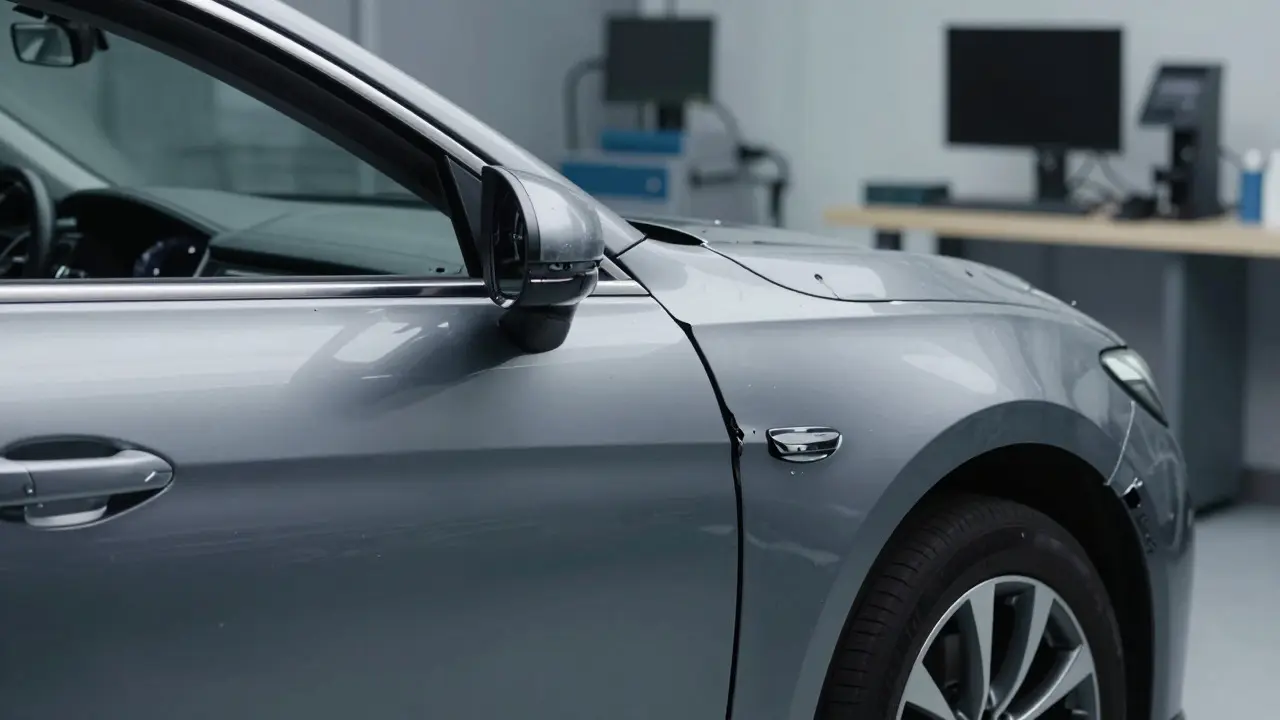
Walking away from a side-impact collision often feels like a minor scare, but the reality under the skin of your vehicle can be far more complex than a simple scratch. Unlike front-end crashes that have dedicated crumple zones to absorb energy, side impacts strike the passenger compartment directly, threatening the structural integrity of the frame rails and B-pillars. This makes professional assessment critical, as what looks like a cosmetic dent on the outside might hide compromised safety components inside.
The goal here is not just to make the car look new again, but to ensure it performs exactly as the engineers intended during a future crash. We will break down how professionals evaluate these damages, the specific techniques used for repair versus replacement, and how to avoid common pitfalls that lead to hidden costs or safety risks.
Key Takeaways
- Side impact damage requires checking structural members (B-pillar, rocker panels) before focusing on outer panels.
- Paintless Dent Repair (PDR) is only viable for non-structural, single-layer steel dents without paint cracking.
- Frame straightening equipment is essential for correcting bent door jambs and sills; hand tools are insufficient for precision.
- Always request a digital inspection report with photos of internal structures, not just exterior views.
- Repainting one panel often requires blending into adjacent panels to match color, increasing labor time.
Why Side Impacts Are Different From Front or Rear Crashes
Modern cars are designed with specific energy management strategies. Front bumpers and hoods are built to crumple in a controlled way, steering force away from the cabin. Side impacts lack this buffer. The energy travels directly into the B-pillar, which is the vertical support between the front and rear doors that holds the roof structure together. If this component bends even slightly, the roof may not withstand a rollover as effectively.
Another critical area is the Rocker Panel, which is the horizontal beam running along the bottom edge of the doors, connecting the front and rear wheel wells. Damage here affects ride height and alignment. Because these parts are structural, they cannot simply be "hammered out" like a fender. They require precise measurement against factory specifications to restore rigidity.
The Professional Assessment Process
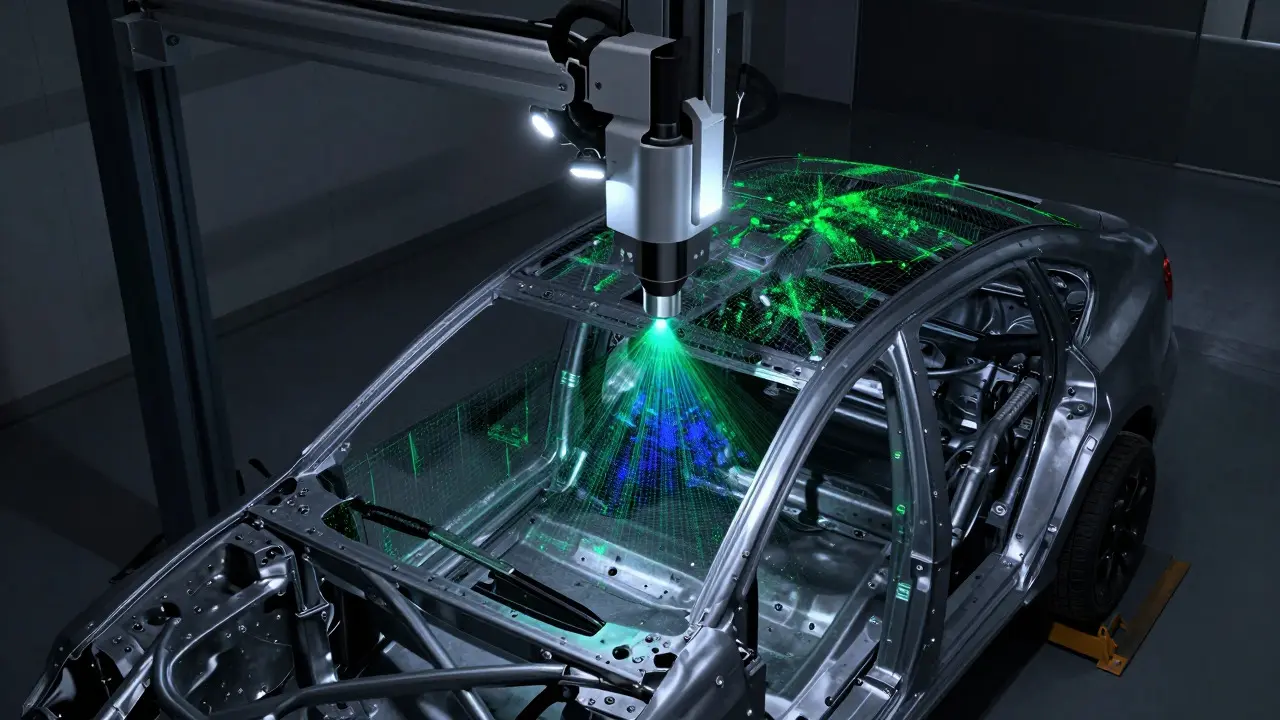
A competent body shop does not start by looking at the dent. They start by measuring. The first step involves using a 3D Laser Scanning System, which is a technology that captures millions of data points on the vehicle's surface to create a digital twin for comparison against OEM specs. This allows technicians to see millimeter-level deviations that the eye misses.
Next comes the physical inspection of the interior. Technicians check the door seals and operation. If a door doesn't close smoothly after an impact, the jamb (the metal frame around the door opening) is likely distorted. They also inspect the Wheel Alignment, specifically the camber and toe settings, because a bent rocker panel will pull the car to one side even if the tires are fine.
Finally, they assess the extent of the deformation. Is it a localized dimple? Or is it a widespread crush? This distinction determines whether you are looking at a few hours of labor or a multi-day structural rebuild.
Repair Methods: PDR vs. Traditional Body Work
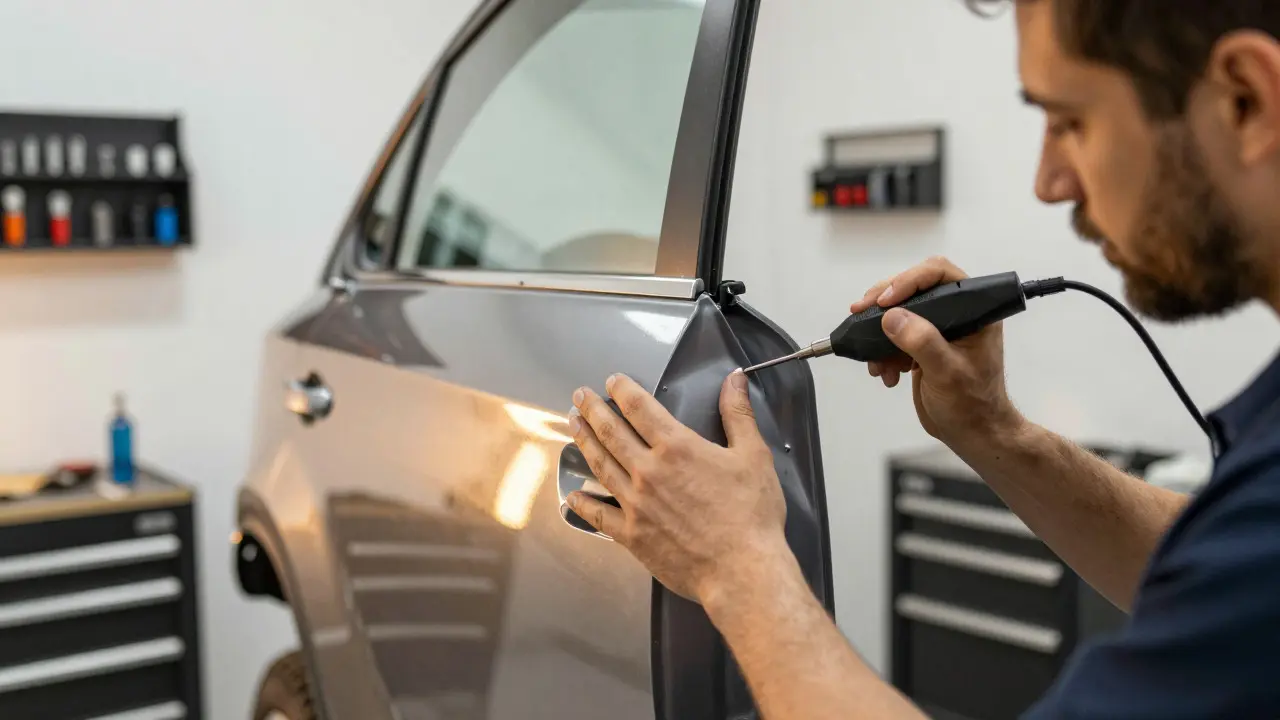
Not all side damage requires welding or replacing panels. For shallow dents in the middle of a door panel where the paint hasn't cracked, Paintless Dent Repair (PDR) is a technique that massages the metal back into shape from behind without disturbing the factory paint finish. It is faster and cheaper, preserving the original value of the car better than repainted panels.
However, PDR has strict limitations. It fails if the metal has been stretched too thin, if there are creases, or if the damage touches a structural seam. In those cases, traditional body work takes over. This involves cutting out damaged sections, welding in new metal, applying filler (bondo), sanding, and priming. The key here is metal fitment. Poorly welded seams lead to rust and poor paint adhesion later.
| Method | Best For | Limitations | Typical Timeframe |
|---|---|---|---|
| Paintless Dent Repair (PDR) | Shallow, smooth dents; no paint cracks | Cannot fix deep creases or structural bends | 1-4 hours |
| Panel Replacement | Severe crushing; broken welds; rust | Higher cost; requires full repaint of panel | 3-5 days |
| Structural Straightening | Bent B-pillars, rockers, or door jambs | Requires specialized frame machines | 2-4 days |
Structural Integrity and Safety Checks
After the metal is shaped, the focus shifts to safety. The technician must verify that the Crash Structure, which is the network of high-strength steel beams designed to protect occupants during a collision, meets Original Equipment Manufacturer (OEM) tolerances. Usually, this tolerance is within 2mm of the factory spec. Anything beyond that can alter how the car handles in a subsequent accident.
They also check the Airbag Sensors, which are small electronic modules mounted near the impact zone that trigger airbag deployment based on deceleration forces. If a sensor was displaced or its wiring pinched during the initial crash, it needs recalibration or replacement. Driving with a faulty sensor is dangerous because the airbags might not deploy when needed, or worse, deploy unexpectedly.
Pain Points in Paint and Finishing
Even if the structure is perfect, a bad paint job ruins the repair. Side panels are large, meaning a single door or quarter panel often needs to be blended into the hood, roof, or trunk lid to match the color. This is called "blending." It increases the amount of material and labor required.
Watch out for orange peel texture, where the paint looks like the skin of an orange due to improper spray gun technique or curing temperature. Also, ensure the shop uses modern clear coats that resist UV fading. Older nitrocellulose paints yellow quickly, while modern urethane clear coats maintain gloss for years.
How to Choose the Right Shop
When selecting a provider, don't just look at the lowest quote. Ask these questions:
- Do you use 3D scanning or laser measurement for structural checks?
- Can you show me photos of the internal frame before and after repair?
- Is the warranty covering both parts and labor? How long is it?
- Do you calibrate Advanced Driver Assistance Systems (ADAS) like lane keep assist and automatic emergency braking?
If the answer to ADAS calibration is "no," be cautious. Many side impacts affect the windshield or camera housing, and misaligned sensors can cause false alerts or system failures.
Frequently Asked Questions
Does side impact damage always require frame straightening?
No. If the damage is limited to the outer sheet metal (like a door panel) and the underlying structure remains within factory tolerance, only panel replacement or PDR is needed. Frame straightening is reserved for bent structural members like the B-pillar or rocker panel.
Will my insurance cover the cost of ADAS calibration?
Usually yes, if the calibration is necessary to restore the vehicle to pre-accident condition. Since many states now mandate proper ADAS function for safety, insurers typically cover the diagnostic and calibration fees as part of the total repair estimate.
What is the difference between a used OEM part and an aftermarket part for side repairs?
Used OEM parts are original manufacturer pieces removed from salvage vehicles. They guarantee fitment but may have hidden wear. Aftermarket parts are third-party replicas that vary in quality. For structural components, OEM new or certified refurbished parts are generally recommended to ensure correct strength ratings.
How long does a typical side impact repair take?
A simple door dent repair via PDR takes less than a day. A full structural repair involving panel replacement, painting, and ADAS calibration typically takes 3 to 7 business days, depending on paint drying times and shop volume.
Can I drive my car home after a side impact repair?
Yes, provided the mechanic confirms that wheel alignment is correct and all lights/sensors are functional. However, if the repair involved significant structural work, a final road test is standard practice to ensure no rattles or handling issues remain.