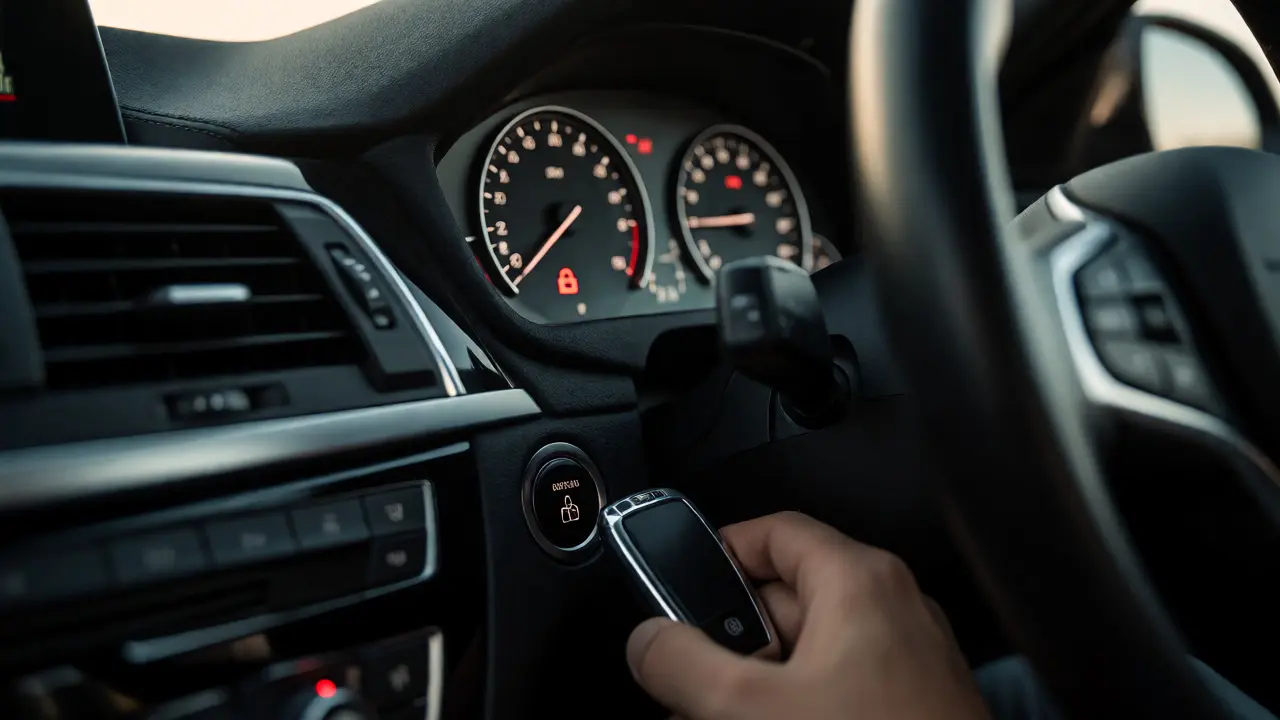
You’re standing in your driveway, pressing the unlock button on your fob. Nothing happens. You try again. Still nothing. Then you get in, push the start button, and the dashboard lights up like a Christmas tree, but the engine refuses to turn over. The little lock icon on your dash is blinking at you, mocking your morning coffee plans. This isn’t just a dead battery in the remote; it’s likely an immobilizer system failure or a communication breakdown between your smart key and the vehicle's security module. If you’ve recently replaced a battery, bought a used car, or had electrical work done, this issue is frustratingly common. But before you pay hundreds for a new key or tow your car to the dealer, know that many of these problems can be solved with a simple relearn procedure or a minor component swap.
Understanding How Your Car’s Security Actually Works
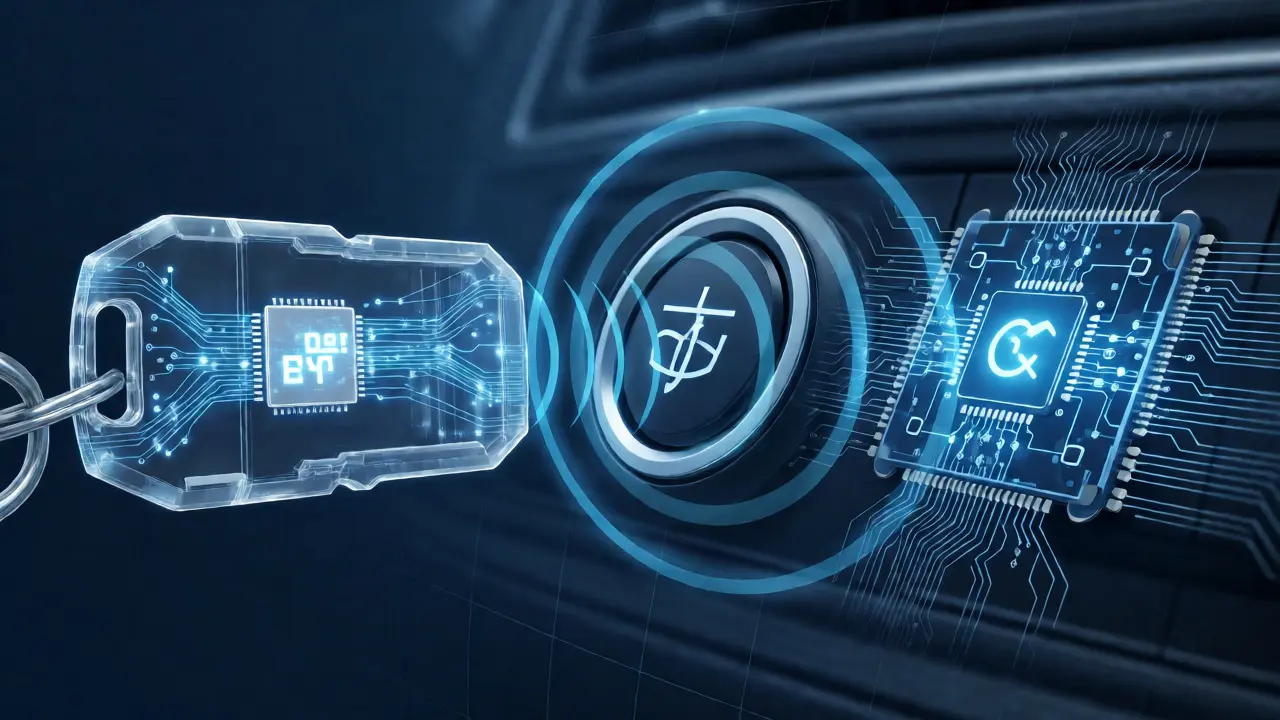
To fix the problem, you have to understand what’s broken. Modern cars don’t just use keys to turn a cylinder anymore. They use a digital handshake. When you press the button on your smart key or remote head key, it sends a radio frequency signal containing a unique code. Your car’s receiver picks this up and passes it to the Body Control Module (BCM) which manages various electronic functions including security.
The BCM checks if the code matches what’s stored in its memory. If it does, it sends a challenge code back to the key. The key’s internal chip encrypts this challenge and sends it back. If the response is correct, the BCM gives the green light to the Engine Control Unit (ECU) the computer that manages engine performance to allow fuel injection and ignition. If any part of this chain fails-bad battery, damaged antenna ring, corrupted data-the ECU cuts the engine. It’s not that your car won’t start; it’s that your car won’t let itself start.
Why Smart Keys Fail: Beyond Just Dead Batteries
Most people assume a non-working key means a dead battery. While that’s true about 40% of the time, it’s rarely the only culprit. Here is what else goes wrong:
- Antenna Ring Damage: In push-to-start vehicles, there’s a circular coil around the start button called the antenna ring. If you hit it while cleaning the console, or if the wiring pinches, the car can’t read the key even if you hold it right next to the button.
- Corrupted Transponder Chip: These chips are robust, but extreme heat (like leaving a key on a hot dashboard) or water damage can scramble their internal memory.
- BCM Sync Loss: If your car battery died completely, some older models lose their key pairing data. The car forgets which keys are "friends."
- Interference: LED headlights, aftermarket alarms, or even strong Wi-Fi routers near your parking spot can jam the low-frequency signal used by some proximity keys.
The DIY Relearn Procedure: Can You Do It Yourself?
Here is the big question: Can you reset the immobilizer yourself? For many cars, yes. But it depends entirely on the make and model. There is no universal "reset" button. However, there are two main approaches you can try before calling a locksmith.
Method 1: The Hard Reset
This works best when the system has glitched due to a power surge or low voltage. It doesn’t require special tools.
- Disconnect the negative terminal of your car battery.
- Wait for 15-20 minutes. This drains residual power from the capacitors in the modules.
- Reconnect the battery tightly.
- Insert the key into the ignition (or place it in the backup slot) and turn it to the "On" position without starting the engine.
- Wait 10 seconds, then turn it off. Repeat this cycle three times.
- Try to start the car. If the security light stops flashing, you’re good to go.
Method 2: The Ignition Cycle Relearn (No Scan Tool)
Some manufacturers, like Toyota, Nissan, and GM, have built-in sequences that force the car to accept a key again. Note: This usually requires having one working master key. If you lost all keys, you cannot do this.
For example, on many older Honda Accords:
- Insert the key and turn to ON.
- Remove the key within 5 seconds.
- Repeat this 8 times in rapid succession.
- The security light will flash quickly, indicating the system is ready to learn a new key.
- Insert the key and turn to START within 10 seconds.
If your specific car supports this, the owner’s manual often lists it under "Keyless Entry Programming." If it’s not there, you likely need a scan tool.
When You Need Professional Tools: OBDII Programming
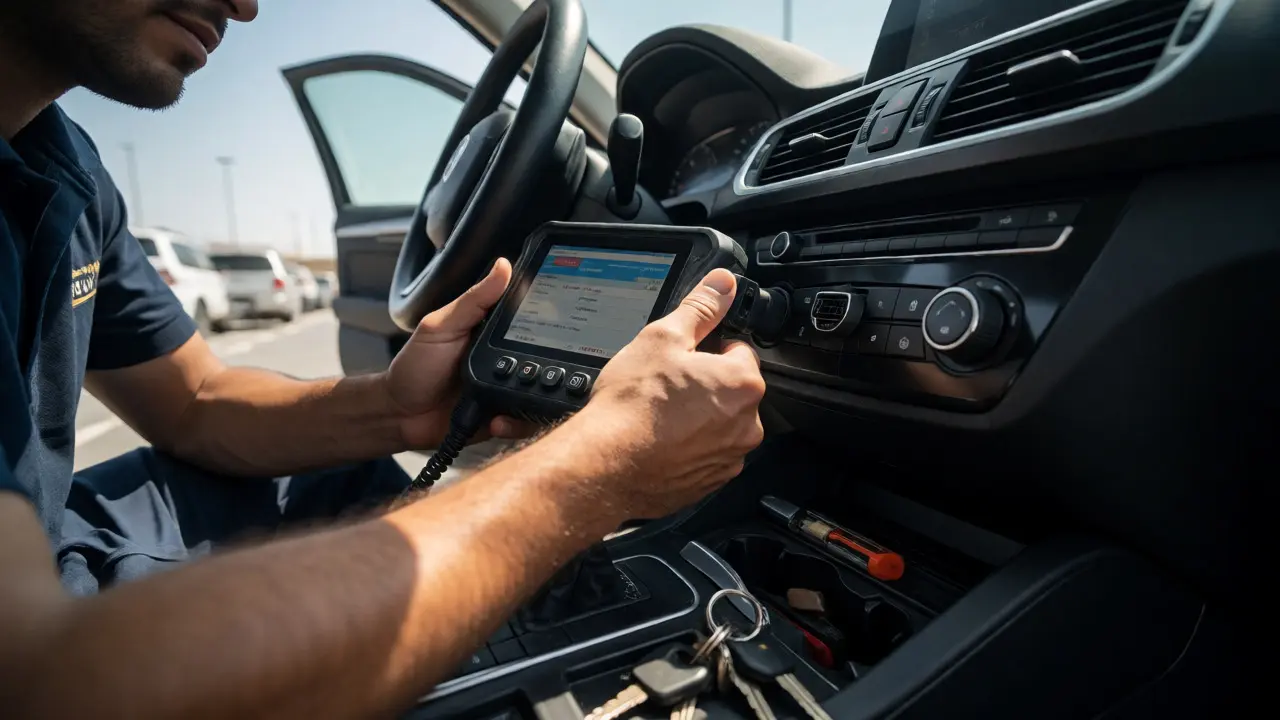
If the DIY tricks fail, you need to talk to the car digitally. This is where a bi-directional OBDII Scanner a diagnostic tool that plugs into the On-Board Diagnostics port comes in. Not all scanners can program keys. You need one with "Immobilizer Service" or "Key Programming" capabilities.
Professional locksmiths and dealers use these tools to access the PIN Code (also known as the SKC - Security Key Code). This is a 4-to-8 digit number tied to your VIN. The process looks like this:
- Plug the scanner into the OBDII port under the steering column.
- Select the vehicle make and model.
- Navigate to the Immobilizer or BCM menu.
- Select "Add Key" or "Clear All Keys."
- Enter the PIN Code (if required).
- Follow the prompts to insert each key one by one.
Buying a high-end scanner like an Autel MaxiSys or Launch X431 costs $500-$1,000. Unless you own multiple cars with complex systems, it’s cheaper to hire a mobile auto locksmith who already owns this equipment.
Common Symptoms and What They Mean
Diagnosing the exact fault saves money. Use this table to identify your issue before calling for help.
| Symptom | Likely Cause | DIY Fix Possible? |
|---|---|---|
| Car starts but dies after 2 seconds | Fuel pump relay or ECU communication loss | No (usually needs scan tool) |
| Security light flashes rapidly when key is inserted | Key not recognized / Wrong key type | Yes (try spare key) |
| Push-button start doesn't detect key nearby | Dead key battery or faulty antenna ring | Yes (replace battery first) |
| Dashboard shows "Key Not Detected" | Low key battery or interference | Yes (hold key against start button) |
| All keys stopped working simultaneously | BCM failure or blown fuse | No (check fuse box first) |
The Emergency Start: Keeping Your Car Moving
What if you’re stuck at Walmart and the key battery is dead? Most smart key systems have a mechanical override. Look for a small slot near the start button, or check inside the armrest. Often, you can physically insert the emergency metal blade (hidden inside the fob) into a hidden cylinder to unlock the door and start the car.
Alternatively, many proximity systems have a "dead key" mode. Hold the fob directly against the start button logo while pressing the brake pedal. The RFID chip in the key uses the magnetic field from the antenna ring to power itself, bypassing the need for a battery. This isn’t a permanent fix, but it gets you home.
Cost Breakdown: What Should You Pay?
Pricing varies wildly based on whether you go to a dealership, a third-party shop, or a mobile locksmith. Here’s what I see in the Portland area as of late 2026:
- Key Battery Replacement: $5-$15 (CR2032 batteries are cheap; labor is free if you do it yourself).
- Basic Relearn (Scan Tool): $75-$150. This applies if the key is fine but the car forgot it.
- New Smart Key + Programming: $250-$600. Dealerships charge more ($400+); independent shops are cheaper.
- Immobilizer Module Replacement: $500-$1,200. If the BCM itself is fried, this is the expensive route.
Avoid buying generic keys online unless you are sure they are programmable for your specific year. Many "universal" keys lack the encrypted chip needed for modern security systems.
Preventing Future Headaches
You don’t want to deal with this again next month. Follow these rules:
- Battery Hygiene: Replace key batteries every 2 years, even if they still work. Weak voltage causes intermittent failures that corrupt data.
- Protect the Fob: Don’t leave keys in direct sunlight on the dashboard. Heat kills electronics faster than wear and tear.
- Keep a Spare: Always keep one programmed spare key in a safe place at home. Never store both keys together in the same pocket or bag-if you lose them, you lose them both.
- Check Grounds: If your car has electrical gremlins, check the ground straps connecting the engine to the chassis. Poor grounding can cause sensor misreads.
Can I program a new smart key myself without a scanner?
It depends on your vehicle. Older cars (pre-2010) often have manual ignition-cycle procedures found in the owner's manual. Newer cars (post-2015) almost always require a specialized OBDII scan tool with immobilizer service capabilities to write the new key's ID to the Body Control Module.
Why does my car start but immediately shut off?
This is a classic sign of the immobilizer engaging. The engine cranks because the starter motor is working, but the Engine Control Unit (ECU) cuts fuel or spark because it didn't receive the correct security handshake from the key. Check your key battery first, then try the emergency start method.
How much does it cost to reprogram a car key?
If you already have a working key and just need to add another, expect to pay between $75 and $150 at an independent shop. If you need a brand-new key cut and programmed, prices range from $250 to $600 depending on the vehicle make and whether you go to a dealer or a locksmith.
Does a dead car battery affect the immobilizer?
Yes. A complete loss of power can sometimes cause the Body Control Module to lose its learned key data. Performing a hard reset (disconnecting the battery for 20 minutes) often restores communication between the modules.
Can water damage ruin a smart key?
Absolutely. While the casing is plastic, the internal circuit board is sensitive to moisture. If you drop your key in a puddle or wash it in laundry, dry it out completely (using rice or silica gel) for 24 hours before trying to use it. Corrosion can short out the transponder chip permanently.