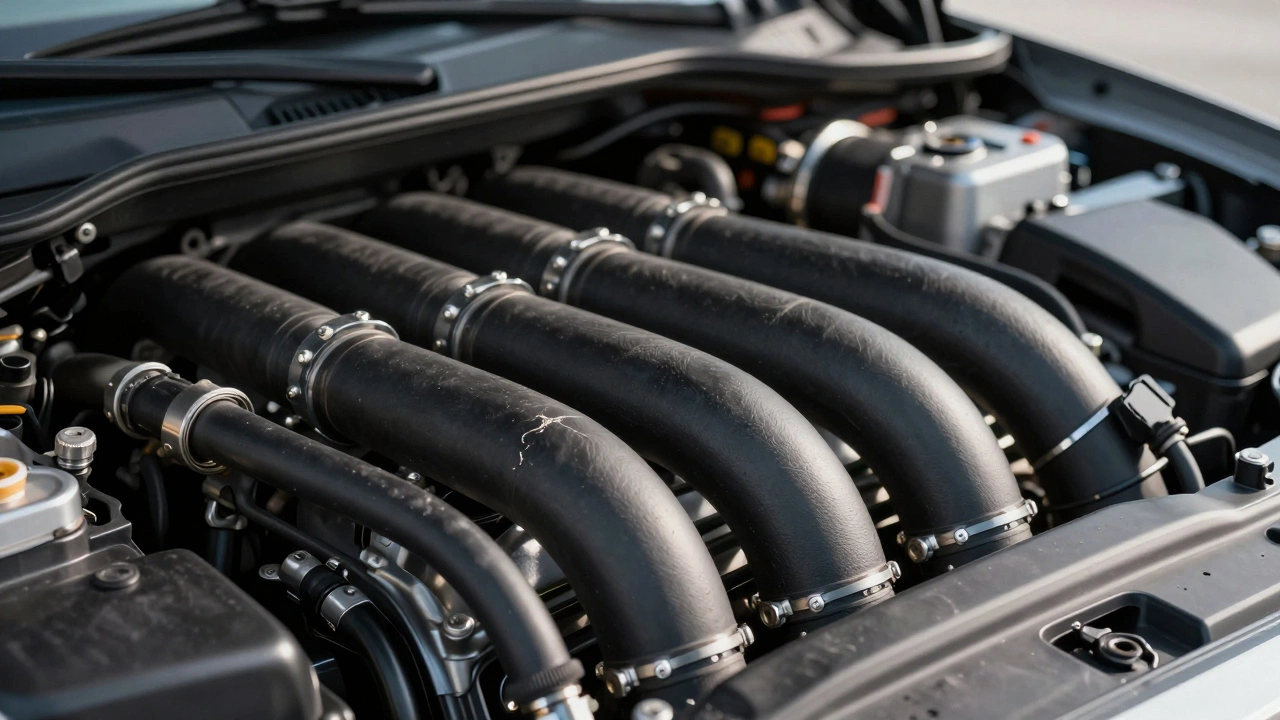
Ever feel like you're just throwing parts at your engine in hopes that something finally fixes that rough idle? It's a frustrating cycle. You replace a vacuum hose, the check engine light stays on, and you're back to square one. The problem is that air leaks in an engine are often invisible. You can't always hear a tiny crack in a rubber hose over the roar of the motor, and you certainly can't see a pinhole leak in a gasket just by looking at it. This is where smoke testing is a diagnostic procedure that uses visible, non-toxic vapor to pinpoint leaks in a vehicle's intake and EVAP systems. Instead of guessing, you literally watch the air escape.
Quick Takeaways for Fast Diagnostics
- What it does: Finds hidden leaks by pumping non-toxic smoke into vacuum systems.
- Best for: Lean engine codes (P0171), rough idling, and EVAP system failures.
- Key Tool: A smoke machine that generates low pressure (usually 2-3 PSI).
- Big Win: Stops the "part-cannon" approach by providing visual proof of the leak.
Why Your Engine is Acting Up: The Vacuum Leak Problem
Your engine relies on a very precise mix of air and fuel. When a vacuum leak occurs, "unmetered air" enters the system-meaning air that the engine's computer didn't account for. This throws off the air-fuel ratio, leading to a lean condition. If you've seen a P0171 code on your scanner, that's the computer screaming that there's too much air and not enough fuel.
You'll notice the symptoms long before the light comes on. A rough idle that feels like the car is about to stall at a red light is a classic sign. You might also experience hesitation when accelerating or a surprising drop in fuel economy. While a massive rip in a hose might make a loud "whooshing" sound you can hear with your ears, most problematic leaks are tiny. They are the "ghosts in the machine" that make traditional diagnostics a nightmare.
How a Smoke Machine Actually Works
A smoke machine isn't just a fog machine from a concert; it's a precision tool. It uses a specialized fluid-often similar to baby oil-and heats it to create a thick, white vapor. This vapor is then gently pumped into the engine's intake or the EVAP system (the system that traps gasoline vapors from the tank).
The magic is in the pressure. Most professional machines operate at a very low 2-3 PSI. This is enough to push the smoke out of any hole without being so high that it actually pushes a small leak open or blows a hose off entirely. Some high-end units, like the Vacutec WV605, even add UV dye to the smoke. This means if you can't see the vapor in a dark corner of the engine bay, you can shine a blacklight on the area to see exactly where the dye settled.
Step-by-Step: Performing an Accurate Smoke Test
You can't just pump smoke into a running engine. The system needs to be sealed and pressurized. Here is how the process typically unfolds in a professional shop:
- Isolate the System: Technicians block off known openings, such as the throttle body, using a plug or even a latex glove. If the glove inflates, it's a sign that the system is holding enough pressure to make the smoke effective.
- Select the Injection Point: Depending on the car, the smoke is injected into the brake booster, a dedicated vacuum port, or the EVAP service valve.
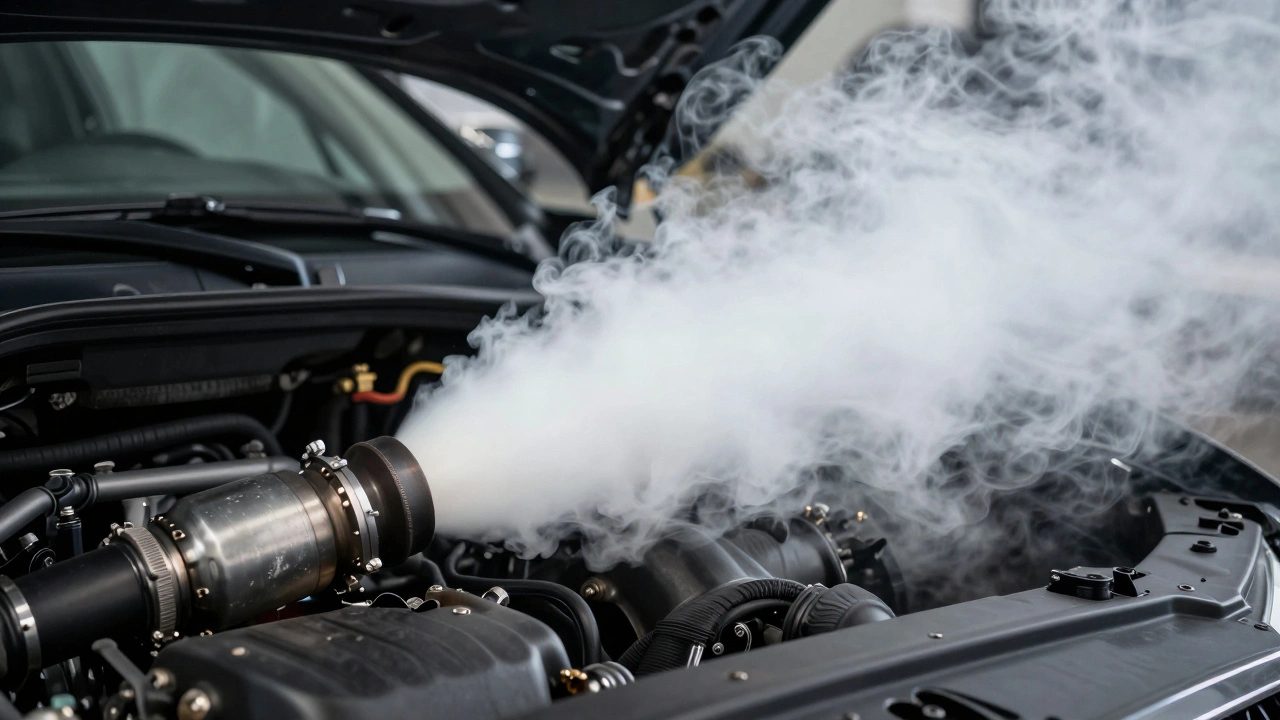
- Inject the Vapor: The machine pumps the non-toxic smoke into the system. Within a few minutes, the entire vacuum network is filled with vapor.
- The Visual Search: Now comes the easy part. You scan the engine bay. Wherever you see white smoke drifting out, you've found your leak. It could be a cracked PCV valve, a leaking intake manifold gasket, or a hose that has dry-rotted over time.
Comparing Smoke Testing to Other Methods
Before smoke machines became standard, mechanics had to get creative. While some of those methods still work, they often lack the precision of a visual smoke trail. Let's look at how they stack up.
| Method | How it Works | Pros | Cons |
|---|---|---|---|
| Smoke Testing | Visual vapor trails | Fast, 100% accurate, finds tiny leaks | Requires specialized equipment |
| Stethoscope | Amplifies hissing sounds | Cheap, fast for large leaks | Hard to hear over engine noise |
| Carb Cleaner Spray | Spraying fluid on leaks | No equipment needed | Dangerous (flammable), imprecise |
| Soapy Water | Looking for bubbles | Good for boost leaks | Messy, doesn't work on all components |
Special Cases: Turbochargers and Boost Leaks
If you're driving a turbocharged car, you have a different beast to deal with. While vacuum leaks happen on the "suction" side of the engine, boost leak testing deals with the "pressure" side. In these systems, the turbo compresses air to force it into the engine. A leak in the intercooler or a loose clamp on a boost pipe will cause a massive loss of power.
For these, a modified smoke test or a dedicated boost leak tester is used. Instead of 3 PSI, these tests often use higher pressure from a compressor. Technicians spray soapy water on the intercooler and pipes; if you see bubbles growing like a foam party, you've found your leak. Using both smoke and boost testing is the only way to ensure a forced-induction engine is airtight.
The DIY Route vs. Professional Diagnostics
You'll see plenty of videos online showing people making "homemade" smoke machines using paint cans and air compressors for under $10. While these can be a fun project for enthusiasts, they come with risks. If you use too much pressure from a shop compressor, you can actually pop a vacuum hose or damage a sensitive sensor.
Professional-grade equipment is designed to be safe. A shop like Quick Pro Auto Services uses calibrated machines that ensure the pressure is exactly where it needs to be. For most people, the cost of a professional smoke test is far lower than the cost of accidentally blowing a seal or spending three weekends replacing parts that weren't actually broken.
Is the smoke used in these tests toxic?
No, the smoke is non-toxic and typically made from a mineral oil-based fluid. It is safe for the engine components and the technician, although it can leave a slight oily residue if used in excessive amounts.
Can a smoke test find a leak in the fuel tank?
Yes, when used on the EVAP system, smoke testing can identify leaks in the fuel tank, charcoal canister, or the various hoses connecting them. This is often the only way to find the source of a "small EVAP leak" code.
How long does a typical smoke test take?
The actual process of injecting smoke and finding the leak usually takes between 15 and 30 minutes, though setup and system isolation can add a bit more time.
Does every engine need a smoke test for a rough idle?
Not every rough idle is caused by a vacuum leak-it could be spark plugs, fuel injectors, or timing issues. However, if a scanner shows "lean" codes, a smoke test is the most efficient next step.
Will smoke testing damage my sensors?
When performed with a professional machine at the correct low pressure (2-3 PSI), it is perfectly safe. The danger comes from DIY setups that use unregulated high-pressure air compressors.
Next Steps for Your Engine
If you've just completed a smoke test and found multiple leaks, don't just patch them with electrical tape. Use proper vacuum-rated hoses and clamps to ensure the fix is permanent. If you're a DIYer and the smoke test comes back clean, but your engine is still idling rough, it's time to look at the ignition system or fuel trim data. For those with turbochargers, always pair your vacuum check with a boost leak test to ensure you're getting the full power your engine is capable of.