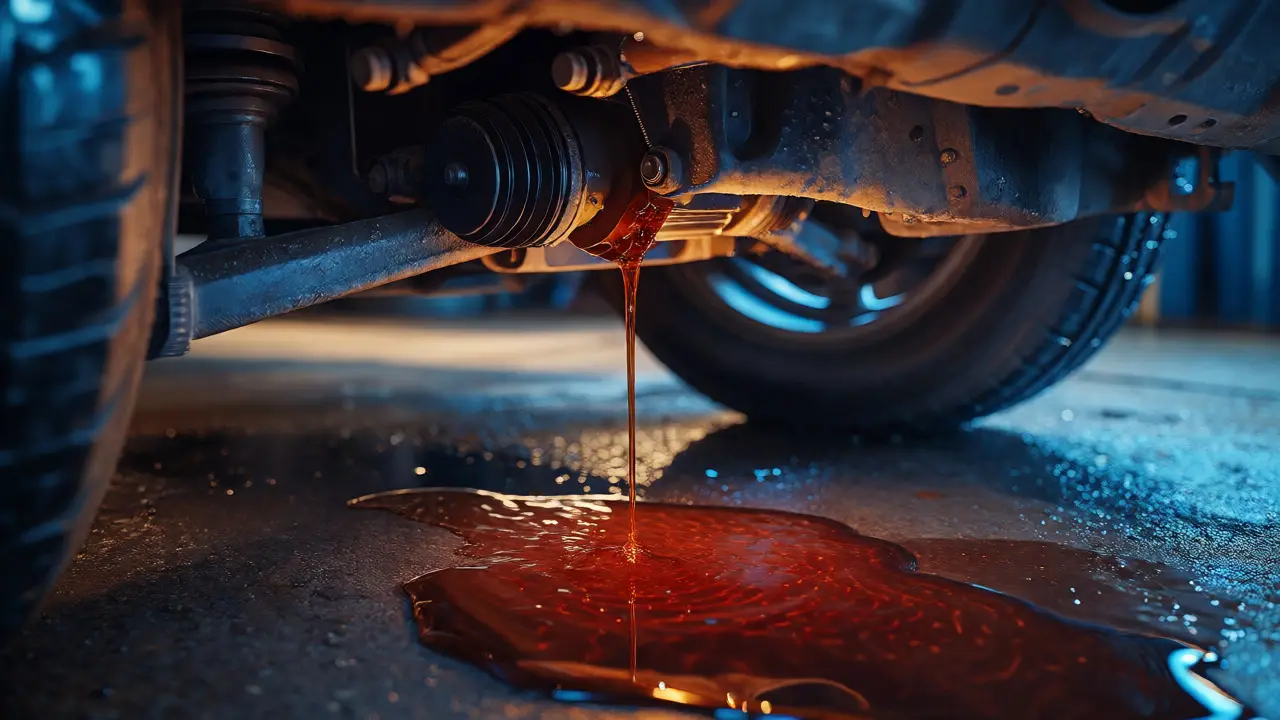
You’re turning the wheel at a slow speed, maybe pulling into a parking spot or navigating a tight alley in Portland, and you hear it. That low, groaning whine that wasn’t there last week. Or worse, you pull into your driveway and see a puddle of reddish-brown oil spreading under the front end of your car. This isn’t just an annoyance; it’s your power steering system crying for help. Most drivers ignore the first drip until the steering becomes as heavy as lifting a truck bed. But catching a steering rack leak early saves you from replacing the entire assembly, which can cost upwards of $1,000. Instead, you might only need to swap out a few rubber seals for under $50 in parts.
Here is the quick reality check before we get your hands dirty:
- The Symptom: Whining noise when turning, stiff steering, or visible fluid on the ground near the front tires.
- The Culprit: Usually worn inner tie rod boots, outer tie rod seals, or the high-pressure lines connecting to the rack.
- The Fix: Often a simple seal replacement or hose clamp tightening, not always a full rack replacement.
- The Risk: Driving with a dry rack destroys the internal gears, turning a $50 fix into a $1,500 repair.
Understanding the Power Steering System
To fix the leak, you need to know where the fluid lives. Your car’s power steering pump pressurizes hydraulic fluid and sends it through hoses to the steering rack. The rack converts the rotational motion of your steering wheel into linear motion that pushes the wheels left or right. Inside this metal cylinder, there are pistons and seals. When these seals harden due to age, heat, or contamination, they stop holding pressure. The fluid escapes, usually at the ends of the rack where the tie rods connect to the wheels. This area is exposed to road grime, water, and temperature swings, making it the most common failure point.
Modern cars often use electric power steering (EPS), but if you have a hydraulic system-common in trucks, older sedans, and performance vehicles-you deal with fluid. There are two main types of leaks: external and internal. External leaks are obvious; you see the fluid. Internal leaks happen when fluid bypasses the piston seals inside the rack. You won’t see a puddle, but you’ll feel a "dead spot" in the steering center, or the fluid level drops without any visible trace. Diagnosing the difference determines whether you buy a seal kit or a new rack.
How to Diagnose a Steering Rack Leak
Don’t guess. Guessing wastes money. Follow this diagnostic path to pinpoint the source.
- Check the Fluid Level and Color: Open the reservoir cap. If the fluid is dark brown or smells burnt, the system is overheating, likely due to low levels causing friction. Clean fluid should be clear red or amber. If it’s milky, water has gotten in, which corrodes internal components fast.
- Clean the Area: Use brake cleaner to wash down the steering rack, hoses, and pump. Dry it thoroughly. A clean surface makes fresh leaks obvious.
- The Pressure Test: Start the engine and turn the steering wheel lock-to-lock several times. Have a helper watch while you do this. Look specifically at the ends of the rack where the black rubber boots (bellows) attach. If you see wetness appearing there, your outer seals are shot.
- Inspect the High-Pressure Lines: Check the metal lines running from the pump to the rack. These vibrate constantly and can develop pinhole leaks from rust or stone chips. Run your finger along them (carefully, when cool) to feel for moisture.
- Listen for Air Pumps: If the fluid is low, air gets sucked into the system. This causes a loud gurgle or whine. Top off the fluid and listen again. If the noise persists despite full fluid, you might have an internal leak allowing air to circulate within the rack valves.
A pro tip from my experience working on cars in the Pacific Northwest: pay attention to the boot condition. If the rubber boots protecting the tie rods are cracked or torn, road salt and grit get inside. This grit shreds the seals from the outside in. Replacing the boots alone won’t fix the leak if the seals are already damaged, but replacing the seals without fixing the boots means you’ll be back here in six months.
Common Causes of Steering Rack Failures
Why does this happen? It’s rarely bad luck. It’s usually wear and tear accelerated by neglect or environment.
| Cause | Symptoms | Likely Repair |
|---|---|---|
| Worn Outer Seals | Fluid on tire edges or inner fender wells; visible at rack ends. | Seal Kit Replacement ($30-$80 parts) |
| Damaged Hoses/Lines | Drip from middle of rack or near pump; wet lines. | Hose Replacement ($20-$60 parts) |
| Failed Pump Seal | Leak near the engine bay/pump housing; whining noise. | Pump Replacement ($100-$300 parts) |
| Internal Piston Wear | No visible leak, but fluid drops; steering feels vague. | Rack Replacement or Rebuild ($500+) |
| Contaminated Fluid | Gritty texture; multiple small leaks; noisy pump. | Power Flush + Seal Replacement |
In Portland, we drive over potholes and curbs more than we’d like to admit. Every time you hit a curb hard, you shock the rack mounts and stress the seals. Over years, this vibration loosens fittings and cracks rubber. If you notice your steering feels slightly loose after hitting a bump, check the rack mount bolts immediately. Loose mounts cause misalignment, which puts uneven pressure on one side of the rack, leading to premature seal failure on that specific side.
Step-by-Step Guide to Repairing Minor Leaks
If you’ve diagnosed an external leak at the tie rod ends or a loose hose, you can often fix this yourself. Here is how to replace outer steering rack seals.
Tools Needed: Socket set, wrenches, screwdrivers, seal pick, new seal kit, brake cleaner, rags, jack and jack stands.
- Safety First: Park on a flat surface. Engage the parking brake. Jack up the front of the car and secure it on jack stands. Never work under a car supported only by a jack.
- Remove the Wheels: Take off the front tires to access the rack ends easily.
- Disconnect the Tie Rods: Remove the cotter pin and castle nut securing the tie rod end to the knuckle. Use a pickle fork or hammer to pop the tie rod free. Be careful not to damage the threads.
- Slide Off the Boot: Pull the rubber boot back to expose the inner tie rod joint. Clamp the inner tie rod with vice grips to prevent it from spinning while you loosen the jam nut.
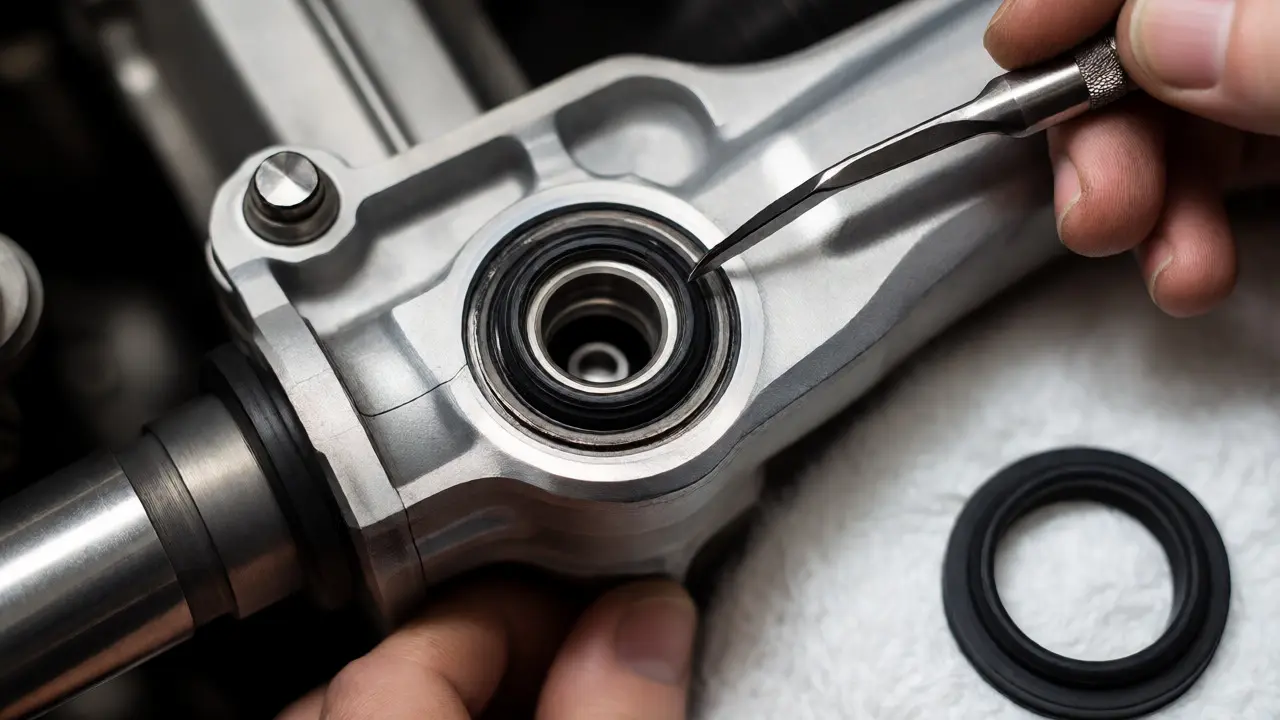
- Remove the Old Seals: You will see a plastic retainer ring or a snap ring holding the seal assembly. Pry it off carefully. Then, use a seal pick to gently pry out the old O-rings and backup rings. Do not scratch the aluminum housing of the rack; even a tiny scratch can cause a new leak.
- Install New Seals: Lubricate the new seals with fresh power steering fluid. Press them into place evenly. Install the retaining ring. Ensure everything sits flush.
- Reassemble: Put the boot back over the joint. Reconnect the tie rod to the knuckle. Torque the nut to spec (usually around 40-60 ft-lbs, check your manual). Replace the cotter pin.
- Bleed the System: Lower the car. Fill the reservoir to the MAX line. Start the engine. Turn the wheel lock-to-lock slowly three times. Do not hold it at the stops for long. Check the fluid level and top off as needed. Repeat until the level stays steady and no bubbles appear.
This process takes about 2-3 hours for a beginner. If you encounter seized bolts, soak them in penetrating oil overnight. Forcing them can strip the threads, complicating the job significantly.
When to Replace the Entire Steering Rack
Not every leak is fixable with a seal kit. Sometimes, the rack itself is toast. You should consider replacing the whole unit if:
- Internal Corrosion: If you drained the fluid and saw metal flakes or thick sludge, the internal gears are grinding themselves apart. New seals won’t stop the metal-on-metal contact.
- Scored Housing: If the inside of the rack tube is deeply scratched (you can feel ridges with your fingernail), fluid will always bypass the seals.
- Cracked Housing: Rare, but possible after severe impact. A crack in the aluminum casing cannot be sealed reliably.
- High Mileage with Multiple Leaks: If you have leaks at the pump, the hoses, AND the rack, it’s often cheaper and safer to replace the rack and service the rest rather than chasing ghosts.
Replacement costs vary wildly. A remanufactured rack might cost $300-$500. A new OEM part can hit $800+. Labor adds another $300-$600 depending on the vehicle complexity. Some racks require removing the subframe, which doubles the labor time. Always ask your mechanic for a written estimate including parts markup before agreeing to the work.
Preventing Future Leaks
You don’t want to do this twice. Prevention is cheap compared to repair.
- Use the Right Fluid: Check your owner’s manual. Using automatic transmission fluid (ATF) instead of dedicated power steering fluid can swell seals incorrectly or degrade them faster. Stick to what the manufacturer specifies.
- Change the Fluid: Hydraulic fluid degrades over time. A power steering flush every 50,000 miles removes acidic byproducts that eat away at rubber seals. It also removes metallic debris that acts like sandpaper.
- Protect the Boots: Inspect the rubber boots annually. If they look dry or cracked, treat them with a rubber protectant or replace them. They are cheap insurance against expensive seal failures.
- Avoid Lock-to-Lock Stress: Don’t hold your steering wheel fully turned while parked for extended periods. This creates maximum pressure in the system, stressing the weakest points (the seals).
Living in a rainy climate like Oregon means your undercarriage sees a lot of moisture. Wash your undercarriage regularly during winter to remove road salt. Salt accelerates corrosion on steel lines and fittings, leading to pinhole leaks that are hard to find until they become big ones.
Frequently Asked Questions
Can I drive with a leaking steering rack?
You can drive short distances if the fluid level is topped off, but it’s risky. Low fluid leads to overheating and pump failure. If the rack runs dry, the internal gears will seize, potentially locking your steering wheel suddenly. It’s safer to tow the car or drive very cautiously to a shop immediately.
Is it worth repairing a steering rack or just replacing it?
If the leak is external (seals/hoses) and the rack moves smoothly without internal noise, repair is worth it. If the rack has internal play, clunking noises, or significant mileage (over 100k miles), replacement is usually more reliable long-term. Remanufactured racks offer a good middle ground between cost and reliability.
What does power steering fluid look like?
Fresh power steering fluid is typically bright red or amber and translucent. As it ages, it turns dark brown. If it looks milky or pink, water has contaminated the system. If it’s black and gritty, the pump or rack is wearing internally.
How much does it cost to fix a steering rack leak?
A DIY seal kit costs $30-$80. Professional seal replacement ranges from $300 to $600 including labor. Full rack replacement varies from $500 (parts) to $1,500+ total depending on the vehicle make and model. Luxury cars or complex SUVs cost more due to labor intensity.
Why is my power steering making a whining noise?
Whining usually indicates low fluid levels or air in the system. The pump struggles to move thick, low-volume fluid or compresses air bubbles. Top off the fluid and bleed the system. If the noise persists with full fluid, the pump bearings may be worn, or the pump itself is failing.