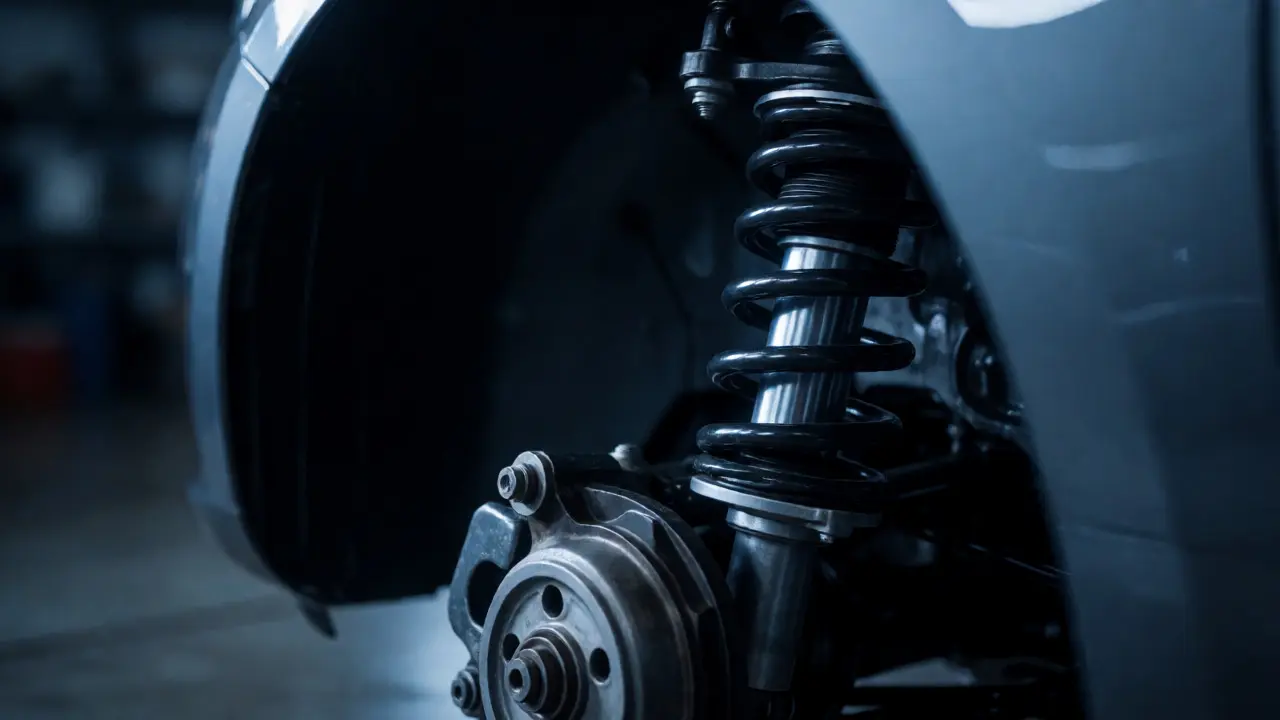
Have you ever felt your car bounce uncontrollably after hitting a pothole, or heard a strange clunking noise when turning the steering wheel? That’s often the first sign that your struts are failing. Unlike simple shocks, struts are a critical structural part of your vehicle's suspension system, holding the wheel in place and supporting the weight of the car. When they wear out, it’s not just about comfort; it’s about safety and control.
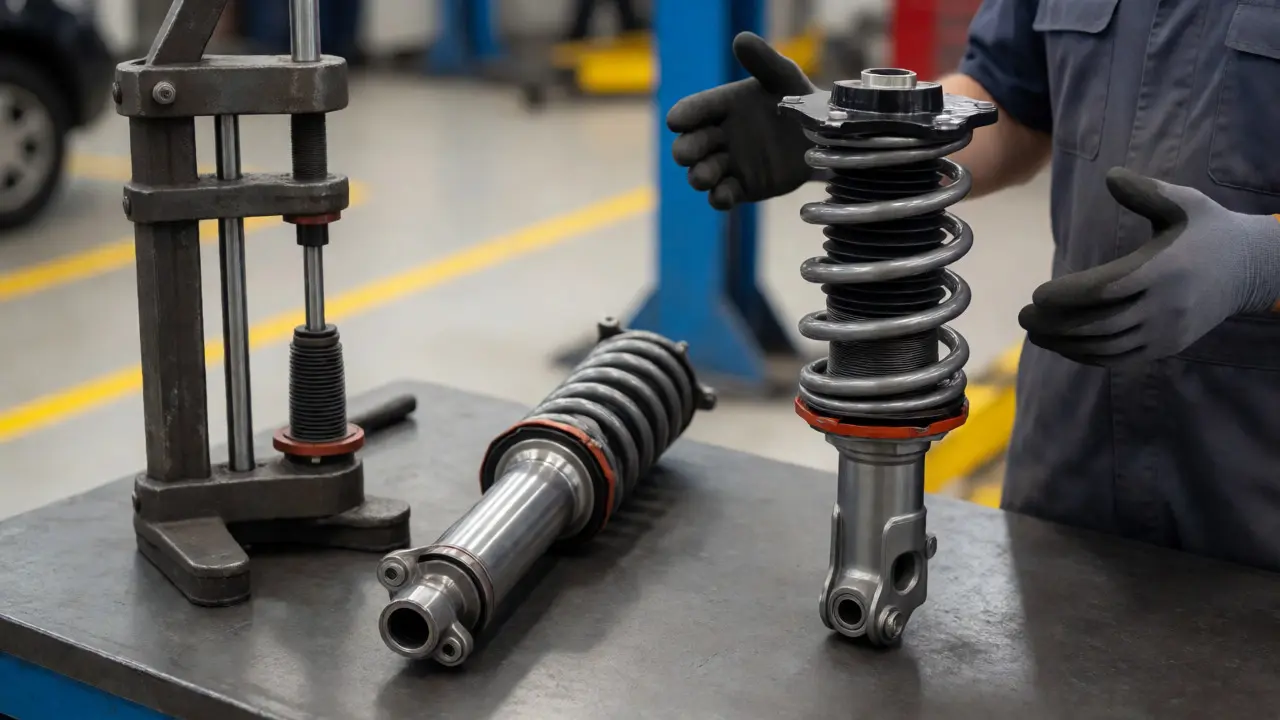
Replacing struts isn’t always as straightforward as swapping out a single part. Many modern vehicles use what mechanics call a "complete strut assembly." This pre-assembled unit includes the strut itself, the spring, the upper mount, and the bearing. Buying this complete package saves time and ensures all worn components are replaced at once. But is it worth the extra cost compared to replacing just the bare strut? And how do you know if your car actually needs this service?
What Exactly Is a Strut and Why Does It Matter?
To understand why strut replacement matters, you need to know what a strut does. In most cars, especially those with MacPherson strut front suspensions (which cover about 70% of passenger vehicles), the strut replaces the traditional upper control arm. It connects the chassis to the wheel hub. This means the strut bears the vertical load of the vehicle and helps maintain proper alignment.
Shocks dampers only resist motion, while struts support the vehicle's weight and maintain tire contact with the road. If your struts fail, your tires lose consistent contact with the pavement. This leads to longer braking distances, poor cornering stability, and uneven tire wear. A study by the Federal Highway Administration suggests that worn suspension components can increase stopping distance by up to 25 feet at highway speeds. That’s more than one car length-enough to turn a near-miss into an accident.
Bare Strut vs. Complete Strut Assembly: The Real Cost Breakdown
When you go to an auto parts store or ask for a quote, you’ll likely see two options: a bare strut or a complete strut assembly. Here is where many drivers get confused. A bare strut is just the damper tube. To install it, a mechanic must remove your old spring, transfer it to the new strut, and reinstall the mount. This requires specialized tools like spring compressors and takes significant labor hours.
A complete strut assembly comes pre-loaded with the spring and top mount. Mechanics can swap the entire unit in under an hour per side. While the parts cost more upfront, the labor savings often make the total price comparable-or even cheaper-than the bare strut option.
| Feature | Bare Strut | Complete Strut Assembly |
|---|---|---|
| Parts Cost | Lower ($50-$150 each) | Higher ($150-$300 each) |
| Labor Time | High (1.5-2.5 hours per side) | Low (0.5-1 hour per side) |
| Total Estimated Cost* | $300 - $600 per axle | $400 - $800 per axle |
| Alignment Needed? | Yes, mandatory | Yes, recommended |
*Prices vary by vehicle make and model. Labor rates differ by region.
For most DIY-inclined owners who don’t have spring compressors, the complete assembly is the safer bet. For professional shops, the choice depends on inventory and customer preference. However, if your old springs are heavily rusted or broken, you absolutely need a complete assembly because reusing damaged springs is dangerous.
Signs Your Struts Are Failing
How do you know it’s time to replace them? Don’t wait until your car looks like it’s doing a bouncy castle impression. Early detection prevents secondary damage to tires and other suspension parts. Watch for these specific symptoms:
- Excessive Bouncing: Push down hard on the hood or trunk and let go. If the car bounces more than twice before settling, your dampening is gone.
- Nose Diving: Does the front end dip sharply when you brake? This shifts weight away from the rear tires, reducing traction during stops.
- Body Roll: If the car leans excessively in turns, the struts aren’t keeping the chassis stable.
- Cupped Tire Wear: Look at your tire tread. If you see scalloped or cupped patterns, your tires are bouncing against the road surface due to weak struts.
- Knocking Noises: Clunks over bumps often indicate worn strut mounts or loose internal components.
In Portland, Oregon, where we deal with rain-slicked roads and occasional freeze-thaw cycles, rust plays a huge role. Salt and moisture corrode the strut shafts, causing leaks. Once a strut leaks hydraulic fluid, it loses its ability to dampen vibration effectively. Visual inspection for oily residue on the strut body is a dead giveaway.
The Replacement Process: What Happens Under the Hood
If you decide to go with a complete strut assembly, here is what the process looks like. First, the technician lifts the vehicle and removes the wheel. Next, they disconnect the brake line bracket and the ABS sensor wire if applicable. Then, they unbolt the lower mounting points from the steering knuckle and the upper bolts from the engine bay or strut tower.
Once the old strut is out, the new assembly goes in. Because the spring is already compressed and mounted, there’s no risk of sudden energy release during installation. After both sides are done, the wheels are put back on, and the car is lowered. But the job isn’t finished yet.
You must get a wheel alignment. Replacing struts changes the geometry of the suspension. Even if you try to match the old positions perfectly, microscopic differences occur. An alignment ensures your tires wear evenly and your steering pulls straight. Skipping this step is the most common mistake drivers make, leading to rapid tire destruction within months.

Choosing the Right Brand for Your Driving Style
Not all struts are created equal. You generally have three tiers of quality:
- Economy Brands: These are budget-friendly but may lack durability. They’re fine for low-mileage daily commuters but might feel harsher over rough roads.
- OEM Equivalents: Brands like KYB, Monroe, or Bilstein produce parts that match original factory specifications. This is the sweet spot for most drivers wanting reliable performance without paying dealership prices.
- Performance Upgrades: If you drive a sports car or tow heavy loads, brands like Koni or Eibach offer stiffer damping for better handling. Note that stiffer struts can make the ride less comfortable on city streets.
Consider your environment. Living in a city with many potholes? Prioritize durability and impact resistance. Driving mostly on highways? Focus on stability and noise reduction. Always replace struts in pairs (both front or both rear). Mixing old and new struts causes uneven handling and puts extra stress on the remaining good strut.
DIY or Professional Installation?
Can you save money by doing it yourself? Technically, yes. But spring compression is dangerous. If a spring slips during disassembly, it can cause serious injury. Most independent mechanics charge between $100 and $200 per hour. Since a complete assembly swap takes less time, the labor cost drops significantly.
If you have experience with automotive repairs, own a torque wrench, jack stands, and a spring compressor kit, you might tackle the bare strut route. However, for the average driver, paying for a complete assembly installed by a pro is worth the peace of mind. You also typically get a warranty on both parts and labor, which covers you if a seal fails prematurely.
Remember, suspension work affects every aspect of driving dynamics. From emergency lane changes to smooth highway cruising, healthy struts keep you safe. Don’t ignore the signs. Check your tires, listen to your car, and address suspension issues before they become expensive emergencies.
How long do struts last?
Most manufacturers recommend replacing struts every 50,000 to 100,000 miles. However, this varies greatly based on driving conditions. Rough roads, frequent potholes, and heavy towing shorten lifespan significantly. Regular inspections are better than relying solely on mileage.
Is it safe to drive with bad struts?
You can drive short distances, but it is unsafe for long trips or high-speed driving. Bad struts reduce tire grip, increasing braking distance and making the car unstable in wet or icy conditions. You risk losing control during emergency maneuvers.
Do I need an alignment after strut replacement?
Yes, almost always. Removing and installing struts disturbs the suspension geometry. Without an alignment, your tires will wear unevenly and quickly, and your steering may pull to one side. Alignment costs are minor compared to buying new tires.
Why are complete strut assemblies more expensive?
They include the spring, upper mount, and dust boot pre-assembled. This adds material cost but saves substantial labor time. For many customers, the higher parts cost is offset by lower hourly labor charges, resulting in similar total bills.
Can I replace just one strut?
It is strongly discouraged. Replacing only one side creates asymmetry in damping force. The car will pull to one side, handle unpredictably, and the new strut will wear out faster because it works harder than the old one. Always replace in pairs.