That jolting sensation when you hit a pothole? Or the way your car feels like it’s floating on air after a rough patch of road? That’s your suspension system at work. Specifically, it’s the battle between two often-confused components: struts and shocks. While both dampen vibrations, they serve different structural roles. Knowing which one your vehicle uses-and how to keep it healthy-saves you from unexpected repairs and keeps your ride smooth.
The Core Difference: Structure vs. Damping
A shock absorber is a standalone hydraulic device that controls spring oscillation but does not bear the weight of the vehicle. Think of a shock as a pure energy dissipator. Its job is to stop the springs from bouncing up and down after hitting a bump. It connects to the chassis and the wheel assembly via separate mounting points, relying on other parts (like control arms) to hold the wheel in place.
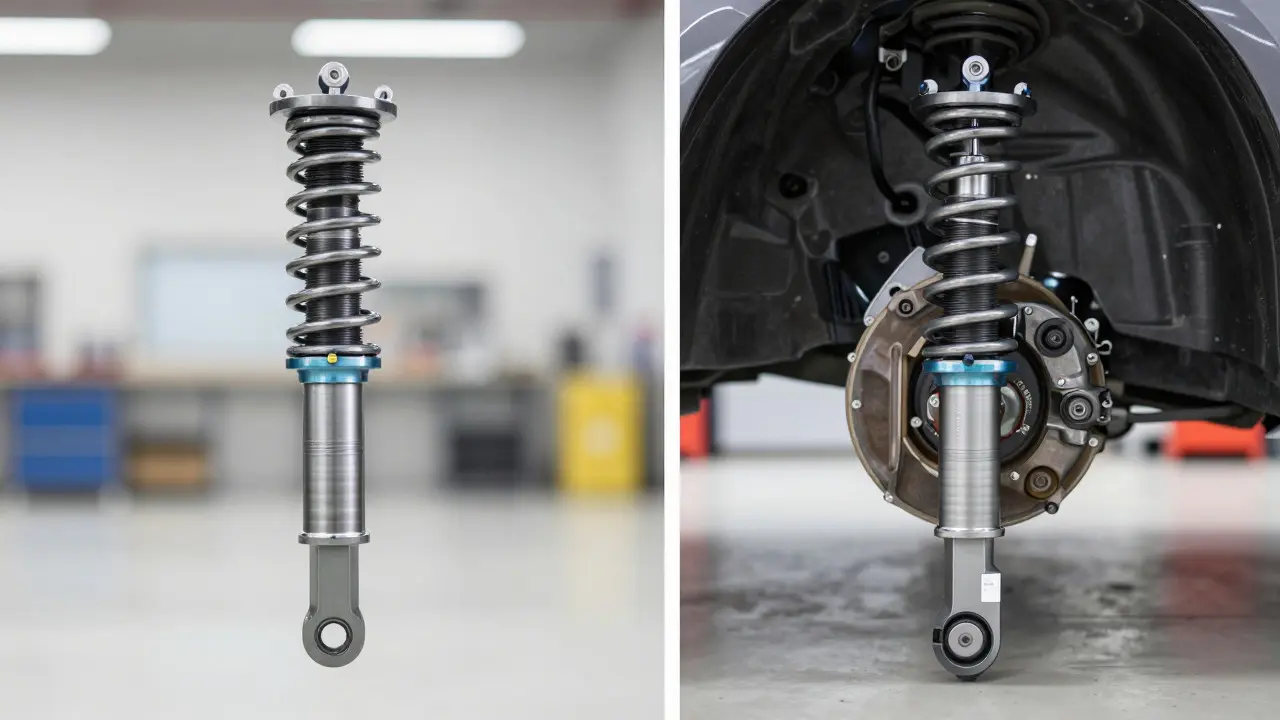
In contrast, A strut is a combined unit that houses a shock absorber inside a structural support beam. The strut acts as both a damper and a major structural component of the suspension. It supports the top of the wheel assembly and connects directly to the vehicle’s frame or subframe. Because it takes on structural load, a worn strut can actually change the alignment of your wheels, leading to uneven tire wear.
| Feature | Shock Absorber | Strut Assembly |
|---|---|---|
| Structural Role | No (Damping only) | Yes (Supports wheel & body) |
| Weight Bearing | Minimal | High |
| Common Placement | Rear axle (often) | Front axle (almost always) |
| Failure Impact | Bouncy ride, poor handling | Bouncy ride, bad alignment, tire wear |
| Replacement Complexity | Moderate | High (requires spring compressor) |
How to Identify What Your Car Has
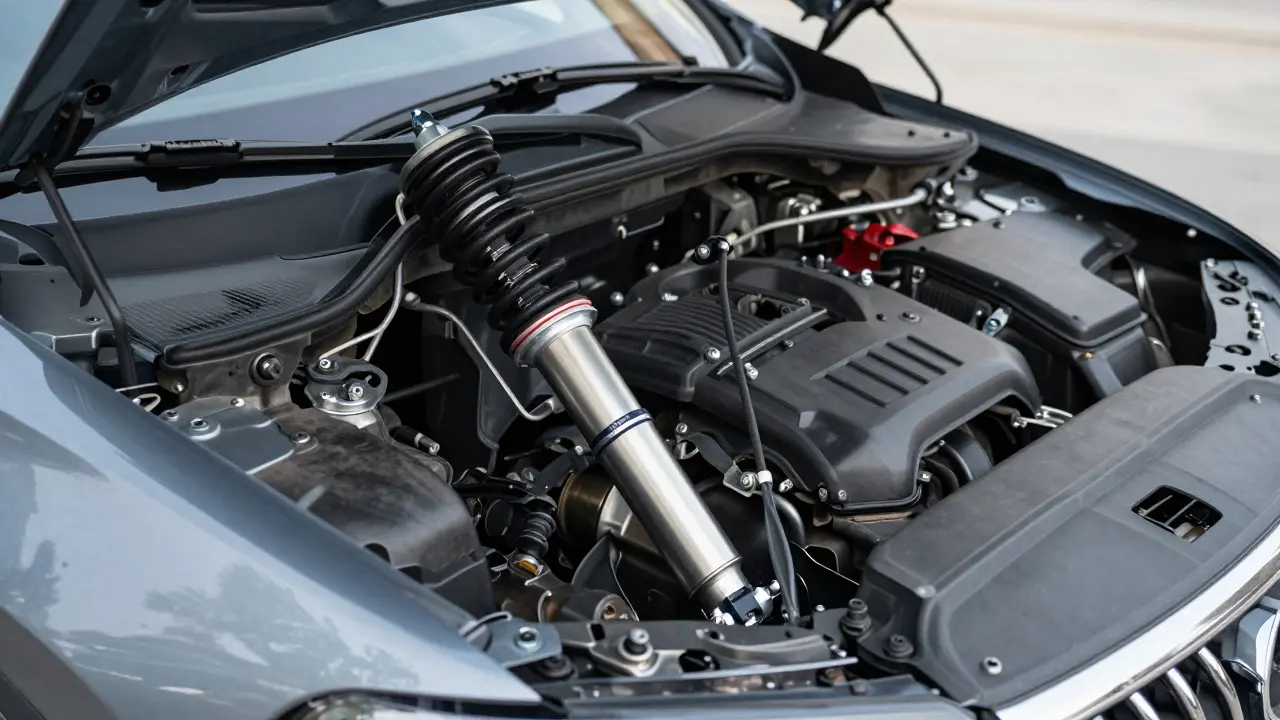
You don’t need to be a mechanic to figure out if your car has struts or shocks. Pop the hood and look at the front suspension. If you see a large, cylindrical metal tube extending vertically from the wheel hub area up to the engine bay, with a coil spring wrapped around the top portion, you likely have MacPherson struts. This is the standard setup for most modern sedans, SUVs, and crossovers, including vehicles from Toyota, Honda, Ford, and GM.
If the front suspension looks more complex, with multiple arms connecting the wheel to the chassis and no single vertical tower holding the top, you might have a double-wishbone or multi-link setup. In these cases, the damping is handled by separate gas-filled shock absorbers mounted horizontally or at an angle. High-performance cars and some off-road trucks often use this configuration because it allows for better articulation and tuning.
Check your owner’s manual or search your VIN online for the specific suspension type. However, visual inspection is usually enough. If you’re unsure, any reputable auto shop can confirm it in under five minutes.
Signs Your Suspension Needs Attention
Both struts and shocks degrade over time due to heat, moisture, and physical stress. Here are the red flags to watch for:
- Excessive Bouncing: Press down hard on each corner of the car and release. If it bounces more than twice before settling, the dampers are weak.
- Uneven Tire Wear: Worn struts can cause camber issues, leading to feathered or cupped tire edges. Check your tires every 5,000 miles.
- Noisy Rattles or Clunks: A knocking sound over bumps often indicates worn strut mounts or bushings. Loose shocks can also rattle if their mounting hardware is corroded.
- Oil Leaks: Look at the piston rod of the strut or shock. If you see dark oil residue, the internal seals are failing. This leads to loss of damping power.
- Nose Diving or Swaying: If the front dips significantly during braking or the body rolls excessively in turns, your damping force is compromised.
Service and Replacement Best Practices
Unlike brakes, which have a clear wear limit, suspension components are often replaced based on condition rather than mileage. However, a general rule of thumb is to inspect them every 30,000 to 40,000 miles, especially if you drive on rough roads or carry heavy loads frequently.
Do you replace one side or both? Always replace struts or shocks in pairs (both left and right sides). Mixing old and new dampers creates uneven resistance, which can lead to pulling during braking and unpredictable handling. It’s safer and more cost-effective to do both at once.
DIY or Pro Shop? Replacing shocks is generally easier for advanced DIYers because they don’t require compressing the spring. Replacing struts, however, is risky without proper tools. You must use a spring compressor to safely remove the top mount while the coil spring is under tension. If done incorrectly, a released spring can cause serious injury. For most people, professional installation is the safer bet.
Choosing Upgrades: OEM vs. Aftermarket
When replacing worn components, you have two main paths: Original Equipment Manufacturer (OEM) parts or aftermarket performance upgrades.
OEM parts match your factory specifications exactly. They provide the same ride quality and durability as the original components. This is the best choice if you want to maintain your car’s stock feel and resale value.
Aftermarket options offer various benefits depending on your needs. Gas-charged shocks are stiffer than standard oil-filled ones, offering better response times and less body roll. Brands like Bilstein, KYB, and Monroe offer tiers ranging from economy replacements to high-performance sport dampers. If you tow frequently or carry heavy cargo, consider heavy-duty shocks designed for higher load capacities.
Maintenance Tips to Extend Life
You can’t “service” a strut in the same way you service a transmission, but you can help them last longer:
- Avoid Overloading: Consistently carrying maximum payload capacity stresses the suspension beyond its design limits.
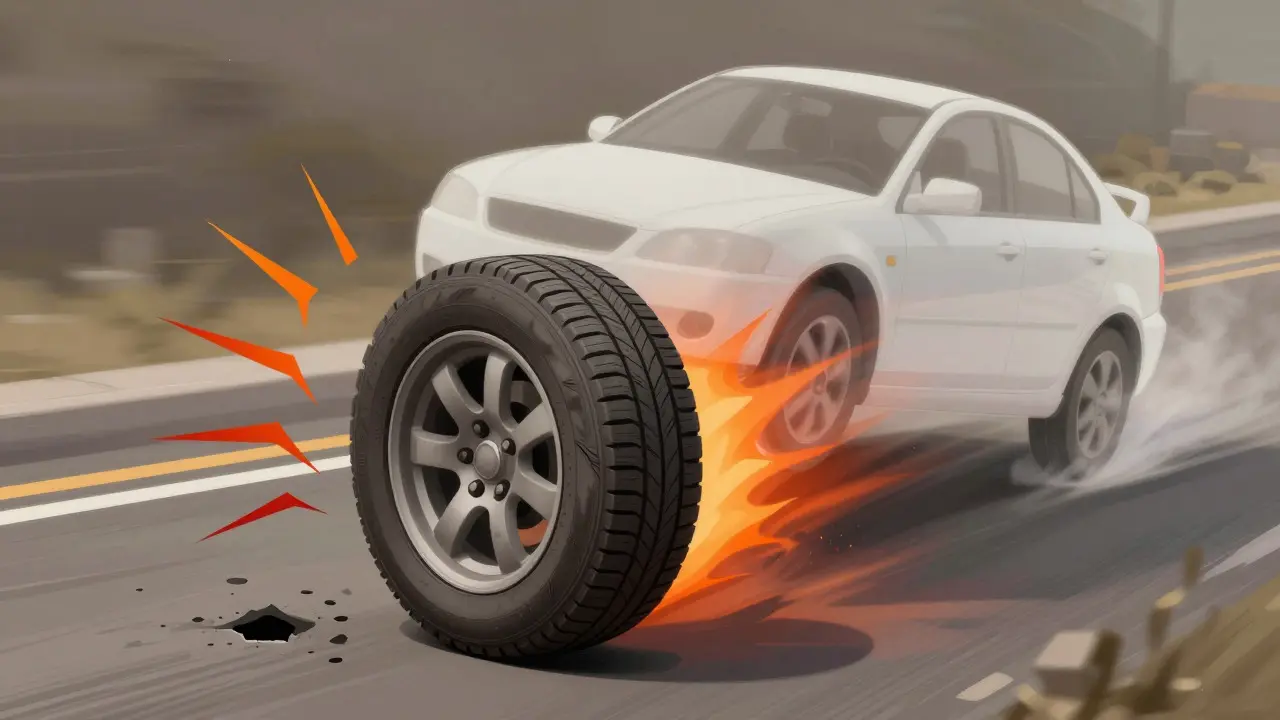
- Drive Carefully on Rough Roads: Speeding over speed bumps or deep potholes sends excessive force through the dampers.
- Keep Tires Properly Inflated: Under-inflated tires increase the impact force transmitted to the suspension.
- Regular Wheel Alignments: Poor alignment puts lateral stress on strut bearings and bushings, accelerating wear.
Frequently Asked Questions
Can I drive with a broken strut?
Technically yes, but it’s risky. A completely failed strut may collapse, causing the wheel to lose contact with the road or damaging the tire and rim. If it’s leaking or noisy, plan repair within a few weeks. If it’s making loud clunks or feeling very loose, get it fixed immediately.
How long do struts and shocks last?
On average, they last between 50,000 and 100,000 miles. Driving conditions matter more than mileage. Rough roads, frequent towing, and hot climates shorten their lifespan. Smooth highways extend it.
What is the difference between gas and oil-filled shocks?
Oil-filled shocks rely solely on hydraulic fluid to dampen motion. Gas-charged shocks add nitrogen gas to the chamber, which prevents fluid cavitation (bubbling) during rapid movements. This results in firmer, more consistent damping, especially in extreme heat or aggressive driving.
Do I need an alignment after replacing struts?
Yes, always. Removing and reinstalling struts disturbs the suspension geometry. A wheel alignment ensures the new components are set to factory specifications, preventing premature tire wear and steering pull.
Are struts stronger than shocks?
Not necessarily. Strength depends on the specific model and application. However, struts are structurally integrated into the suspension, so they handle more types of forces (vertical, lateral, and longitudinal) compared to standalone shocks, which primarily handle vertical damping.