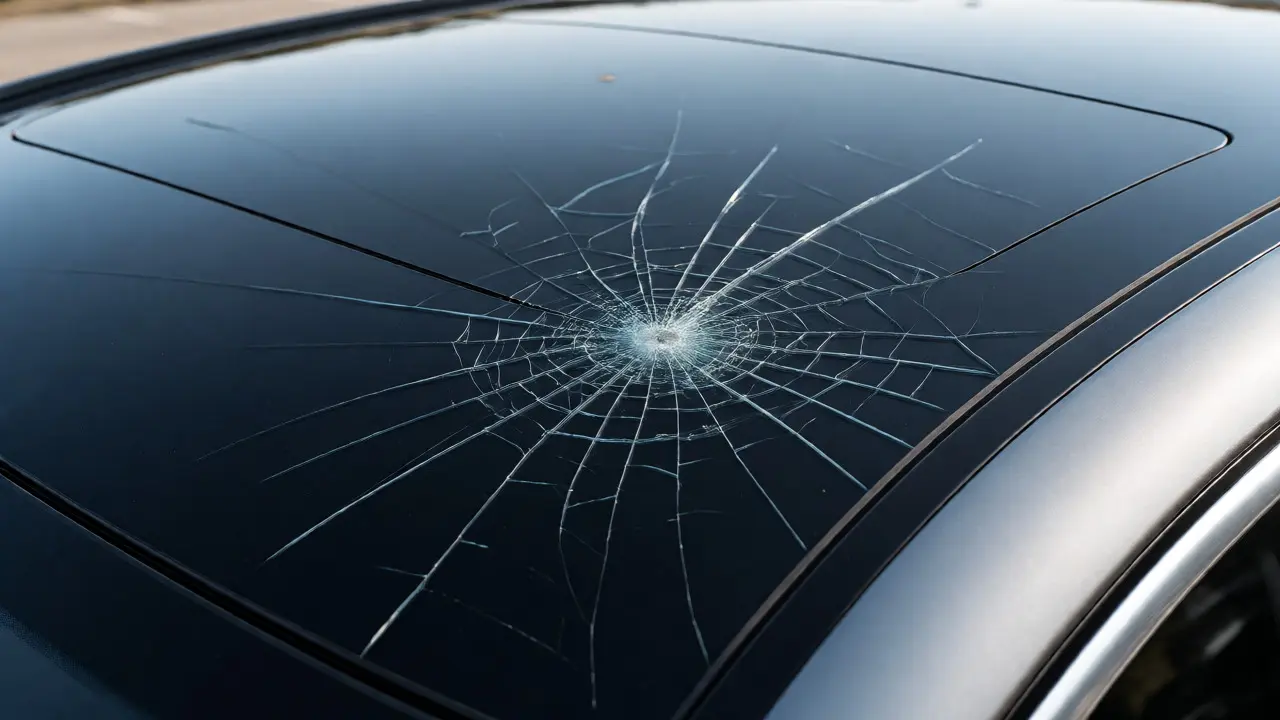
You’re driving down the highway, windows up, music blasting, when you hear it. A crack. Not a tire blowout, not an engine knock, but that sickening sound of tempered glass giving way. Maybe a rock from a semi-truck hit your panoramic roof. Maybe it was just extreme temperature changes in Portland’s damp chill. Whatever the cause, staring at a spiderweb fracture across your sunroof is annoying, unsafe, and expensive if you don’t know what you’re doing.
Replacing sunroof glass isn’t like swapping a windshield. It’s more complex, often pricier, and involves sealing issues that can haunt you for years if done poorly. But before you panic about a $1,500 bill, let’s break down exactly what happens during a sunroof glass replacement, how much it really costs, and whether you should tackle it yourself or call a pro.
Why Sunroof Glass Breaks (And Why It’s Different)
Sunroof glass is typically made of tempered safety glass, designed to shatter into small, blunt cubes rather than sharp shards when broken. Unlike laminated windshields, which hold together when cracked, tempered glass fails completely once compromised. This means a small chip can quickly turn into a full-blown shattered mess, especially with road vibration and thermal stress.
Most modern cars use either a standard sliding sunroof or a fixed panoramic roof. The latter, found in Teslas, VWs, and many luxury SUVs, uses a single large pane of glass bonded directly to the roof structure. Standard sunroofs, common in older sedans and trucks, use a smaller panel that slides on tracks. The replacement process differs significantly between these two types, so identifying yours is step one.
Common causes for damage include:
- Impact debris: Rocks, gravel, or ice chunks kicked up by other vehicles.
- Thermal shock: Rapid temperature changes, like pouring hot water on a frozen sunroof, can crack tempered glass.
- Structural flex: Older cars with worn suspension or frame twists can put stress on the glass seal.
- Improper installation: If the previous glass wasn’t seated correctly, vibrations can cause fatigue cracks.
The Replacement Process: What Actually Happens
If you take your car to an auto glass specialist, here’s the typical workflow. First, they’ll inspect the damage. Is it just a surface chip? Sometimes, resin injection can stabilize it temporarily, though this is rare for sunroofs due to their curvature and movement. For most cracks, replacement is the only safe option.
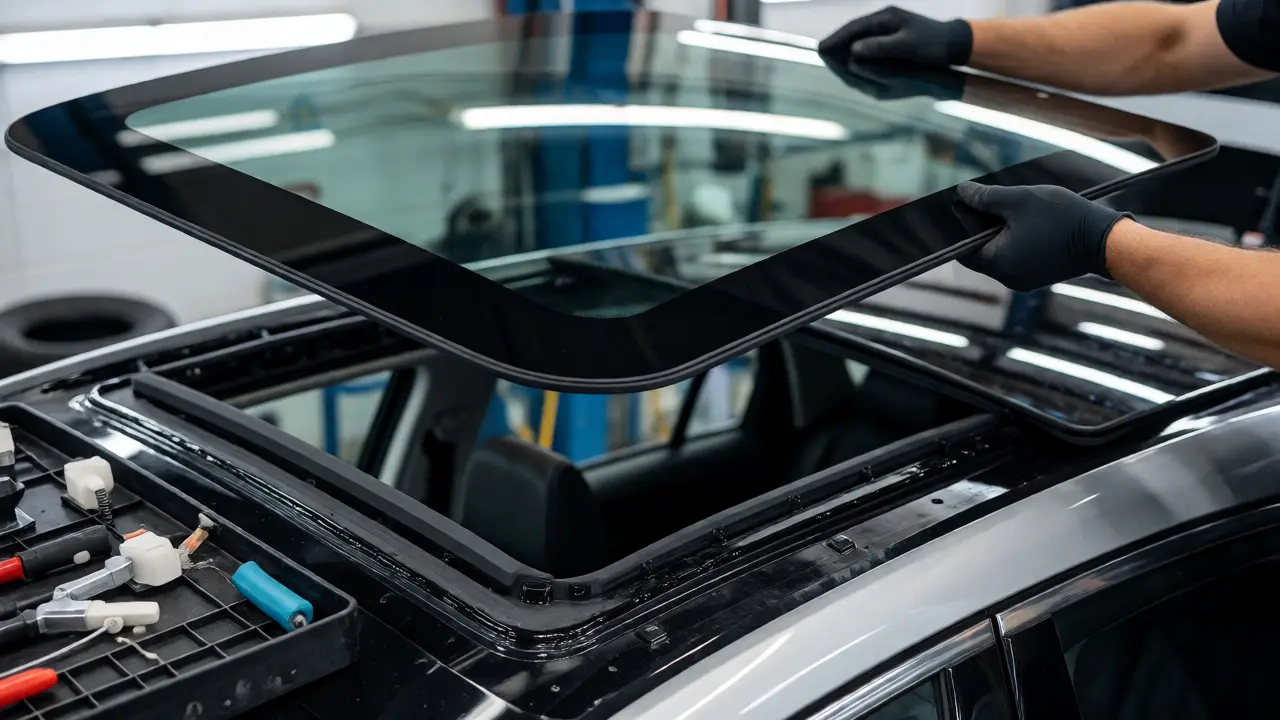
Next comes the removal. Technicians cut the old adhesive bond using specialized knives and wire saws. For panoramic roofs, this is delicate work; damaging the surrounding paint or trim adds hours to the job. They then remove the old glass, clean the mounting surface thoroughly, and prepare the new pane.
Installation involves applying fresh urethane adhesive, positioning the new glass precisely, and securing it with clamps or tape while it cures. Curing time varies-usually 1 to 4 hours depending on humidity and temperature. In Portland’s wet climate, expect longer cure times. Rushing this step leads to leaks later.
Finally, they reinstall interior trim, test the mechanism (if it’s a moving sunroof), and check for water tightness. A proper shop will perform a water test right there in the bay, spraying the roof with a hose to ensure no drips make it inside.
Cost Breakdown: What You’ll Pay in 2026
Prices vary wildly based on vehicle make, model, and glass type. Here’s a realistic range for US-based repairs as of late 2026:
| Vehicle Type | Glass Part Cost | Labor Cost | Total Estimate |
|---|---|---|---|
| Standard Sedan/Hatchback | $150 - $300 | $200 - $350 | $350 - $650 |
| Luxury Sedan (BMW, Audi) | $300 - $600 | $300 - $500 | $600 - $1,100 |
| Panoramic Roof (Tesla, VW) | $800 - $1,500 | $400 - $700 | $1,200 - $2,200 |
| SUV/Truck (Large Panel) | $250 - $500 | $250 - $400 | $500 - $900 |
These figures assume OEM-equivalent glass. If you insist on dealer-only parts, add 20-30%. Labor rates also fluctuate; independent shops in suburban areas often charge less than urban dealerships. Insurance might cover part of this if you have comprehensive coverage, but deductibles often exceed the repair cost for minor cracks, making it worth paying out-of-pocket unless the damage is severe.
DIY vs. Professional Service: Making the Call
Can you replace sunroof glass yourself? Technically, yes. But should you?
For standard sliding sunroofs, DIY is feasible if you’re handy. You’ll need a trim removal kit, a heat gun, cutting tools, and high-quality automotive urethane. The main risk is breaking the new glass during handling or creating an uneven seal that leaks. One mistake means buying another $200+ pane.
For panoramic roofs, skip the DIY route. These panels are massive, heavy, and bonded with structural adhesives that require precise temperature control and professional-grade equipment. Improper bonding can compromise roof rigidity, affecting crash safety. Plus, misalignment looks terrible and ruins resale value.
Consider these factors when deciding:
- Complexity: Does the glass slide or open? Moving parts mean alignment tolerances are tighter.
- Access: Some cars require removing headliners or pillars to access the glass edges.
- Warranty: Professional installs usually come with a lifetime warranty against leaks. DIY has none.
Avoiding Leaks: The Biggest Post-Repair Risk
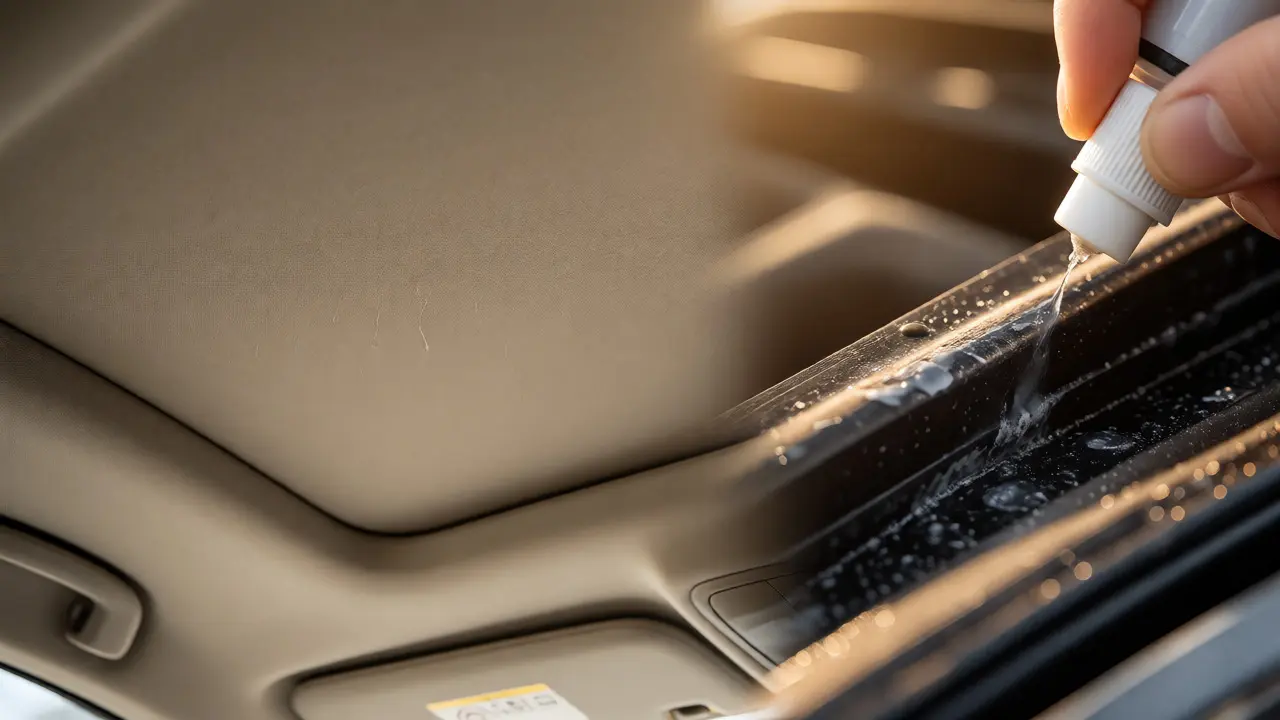
The number one complaint after sunroof replacement is leaking. Water finds its way into the cabin through bad seals, clogged drains, or improper adhesive application. To prevent this, ask your technician to clear the drain tubes located at the corners of the sunroof tray. These tiny channels direct water away from the cabin. If they’re blocked by leaves or dirt, even a perfect seal won’t help.
After installation, avoid washing your car for at least 24 hours. High-pressure jets can disrupt the curing adhesive. Also, refrain from opening the sunroof for the recommended cure period-check your installer’s guidelines, but 24-48 hours is standard.
If you notice moisture spots on the headliner weeks later, don’t ignore them. Mold grows fast in humid climates like Oregon’s. Return to the installer immediately; reputable shops will re-seal at no cost if the issue stems from their workmanship.
Maintenance Tips to Extend Glass Life
You can’t always prevent rocks from flying, but you can reduce stress on your sunroof. Keep the rubber seals conditioned with silicone-based protectants every six months. Dry, cracked seals let water in and allow the glass to shift slightly, increasing friction and wear.
Clear debris from the tracks regularly. Grit acts like sandpaper, wearing down the plastic guides and causing the sunroof to stick or jerk. Use a soft brush and vacuum, not compressed air, which can blow dirt deeper into the mechanism.
Finally, be gentle in winter. Don’t force a frozen sunroof open. Let the defroster warm the glass gradually. Forcing it can shear the motor gears or crack the glass if it’s stuck to the seal.
How long does sunroof glass replacement take?
Typically 2 to 4 hours for the physical work, plus 1 to 4 hours for adhesive curing. Many shops offer same-day service, but you may need to leave the car for half a day to ensure a proper seal.
Does insurance cover sunroof replacement?
Yes, if you have comprehensive coverage and the damage results from a covered peril like hail, falling objects, or vandalism. However, if the deductible exceeds the repair cost, filing a claim may not be financially beneficial.
Can I drive my car immediately after replacement?
You can usually drive after the initial set time (often 1 hour), but avoid high speeds, car washes, and opening the sunroof for at least 24 hours to allow the adhesive to fully cure.
What is the difference between OEM and aftermarket sunroof glass?
OEM glass is made by the original manufacturer or their supplier, matching exact specs. Aftermarket glass is produced by third parties, often cheaper but potentially varying in tint, thickness, or fit quality. Reputable aftermarket brands meet DOT standards, but fitment risks are higher.
Why is my new sunroof making noise?
Squeaks or rattles often indicate dry seals or loose trim. Apply silicone lubricant to the rubber gaskets. If the noise persists, the glass may not be seated perfectly, requiring adjustment by the installer.