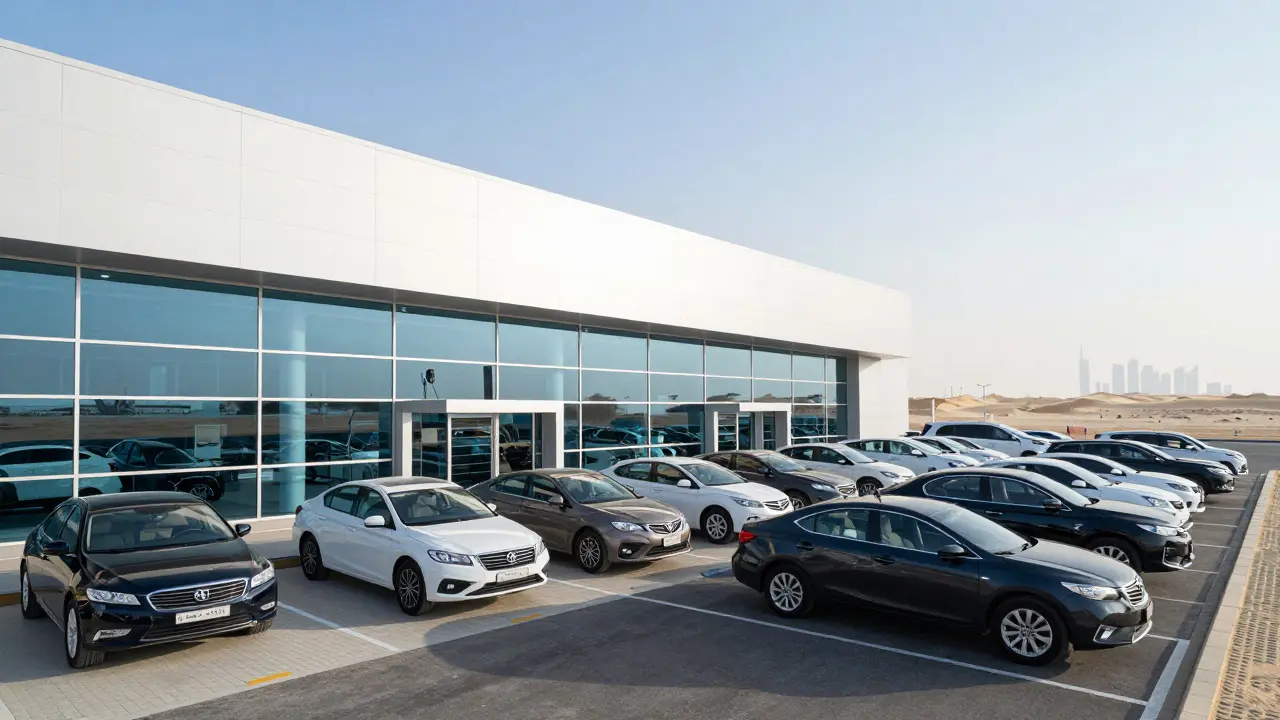
Driving in Dubai without a valid roadworthiness certificate is like walking into a mall with wet shoes-you might get away with it for a minute, but the consequences are sticky and costly. The Roads and Transport Authority (RTA) mandates that every registered vehicle undergoes periodic technical inspection to ensure it meets safety and environmental standards. But where exactly do you go? With dozens of centers scattered across the emirate, choosing the right one can save you hours of traffic and frustration.
This guide breaks down the major location clusters for vehicle testing in Dubai, explaining who serves them, what they handle, and how to pick the spot that fits your daily routine. Whether you drive a sedan in Deira or a delivery van in JAFZA, there is a center optimized for your needs.
Key Takeaways
- Dubai Test Fit and Motors are the two primary authorized service providers handling most passenger vehicle inspections.
- Locations are clustered by region: Central (Deira/Al Barsha), Northern (Jebel Ali/Al Ain Road), and Eastern (Sharjah border/Dubai South).
- Commercial vehicles often have dedicated lanes or specific centers to avoid mixing with private cars.
- Online booking via the RTA app or provider websites is essential to minimize wait times during peak hours.
- Always check if your specific vehicle type (e.g., heavy trucks, motorcycles) is accepted at your chosen center before driving there.
The Two Major Service Providers
In Dubai, you don't just walk into any garage. The RTA has designated specific companies to conduct official tests. Knowing these brands helps you navigate the map effectively.
Dubai Test Fit is a leading provider of vehicle inspection services in the UAE, operating multiple centers across Dubai and Sharjah. It handles everything from standard saloon cars to commercial fleets. Their centers are generally larger and equipped to handle high volumes of traffic.
Motors is another key authorized agent for RTA vehicle inspections, known for its extensive network of smaller, neighborhood-level centers. If you want convenience close to home, Motors is often the first choice for residents in residential compounds and suburban areas.
Both providers work under strict RTA guidelines, meaning the pass/fail criteria are identical regardless of which brand you visit. The difference lies in location, capacity, and customer experience.
Central Dubai: The High-Traffic Hubs
If you live or work in the heart of the city-think Downtown, Business Bay, or Al Barsha-the central cluster is your best bet. These centers see the highest volume of vehicles, so timing is critical.
- Al Barsha Center: Located near the Dubai Mall area, this is one of the busiest hubs. It’s convenient for those working in DIFC or Marina but expect queues if you arrive after 10 AM.
- Deira Center: A legacy location serving the older parts of the city. It’s particularly useful for commercial drivers based in the industrial zones of Deira.
- Jumeirah Center: Serves the upscale southern districts. While slightly less crowded than Al Barsha, parking can be tight during midday.
Pro tip: If you’re heading to a central hub, aim for the first hour of opening (usually 7:30 AM or 8:00 AM). The lines move significantly faster before the office crowd arrives.
Northern and Industrial Zones
For residents in the northern parts of Dubai, or those working in Jebel Ali Free Zone (JAFZA) and the industrial areas, traveling to the city center is a waste of fuel and time. The northern cluster exists precisely to solve this.
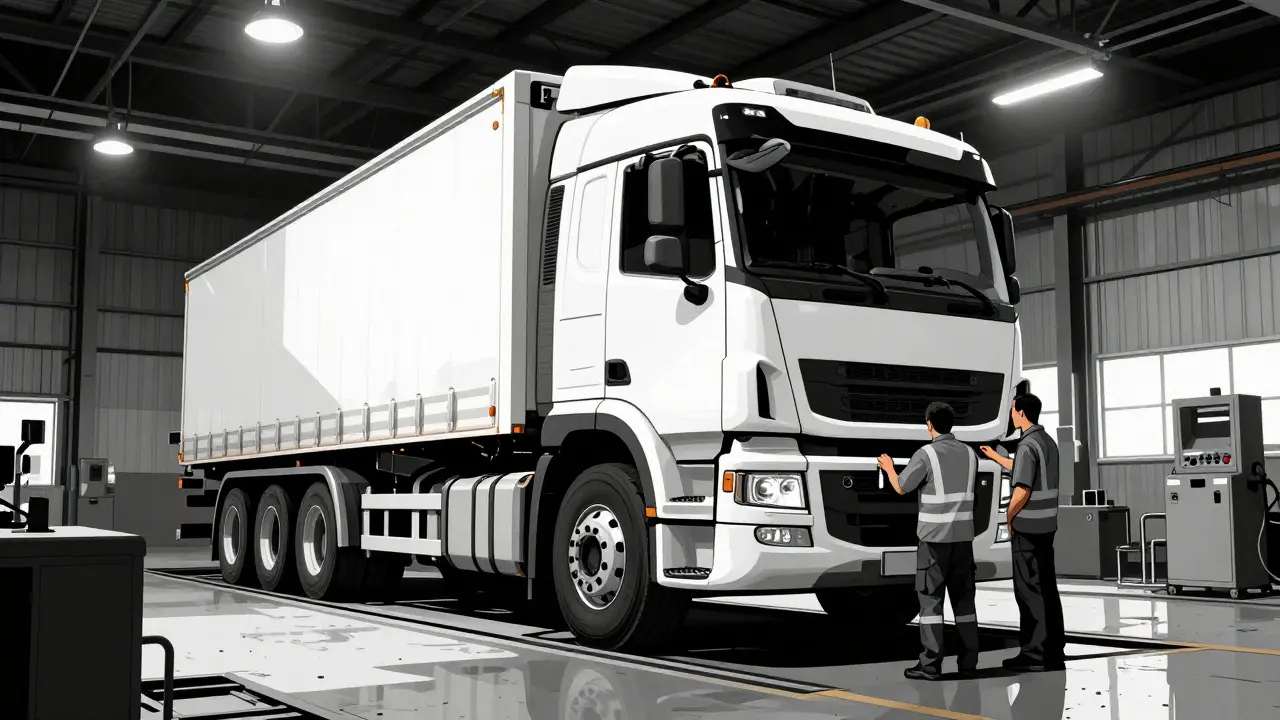
Jebel Ali Center is a specialized inspection facility catering to both private vehicles and heavy commercial trucks in the Jebel Ali area. This center is crucial for logistics companies because it allows trucks to be tested without entering the congested Sheikh Zayed Road corridor.
Additionally, centers along Al Ain Road serve the massive population living in communities like International City and Sports City. These locations are designed with wider lanes to accommodate SUVs and pickup trucks, which are common in these neighborhoods.
Eastern and Border Areas
Many people overlook the eastern side of Dubai, which borders Sharjah and Ajman. If you live in Dubai South, Mirdif, or near the airport, crossing the city to get to Al Barsha is unnecessary.
The Dubai South cluster offers dedicated facilities that handle a mix of private and light commercial vehicles. These centers often have shorter wait times because they serve a more dispersed population base compared to the dense central districts.
It’s also worth noting that some centers near the Sharjah border accept vehicles registered in Sharjah, though the rules can vary. Always confirm your registration emirate compatibility if you’re on the fence between two nearby centers.
Choosing the Right Center: A Practical Guide
How do you decide which specific branch to visit? Here is a simple decision framework based on your vehicle type and location.
| Cluster | Best For | Typical Wait Time | Key Advantage |
|---|---|---|---|
| Central (Al Barsha/Deira) | City dwellers, corporate fleets | High (Peak Hours) | Convenience for downtown workers |
| Northern (Jebel Ali) | Trucks, vans, industrial staff | Medium | Dedicated heavy vehicle lanes |
| Residential (Sports City/Int’l City) | SUVs, family cars, commuters | Low-Medium | Close to home, less congestion |
| Eastern (Dubai South) | Airport workers, border residents | Low | Shortest travel time for east-side users |
Consider your vehicle’s size. If you drive a large pickup or a van, avoid the narrow urban centers if possible. The northern and eastern facilities are built with wider turning radii and longer bays, making the process smoother for bigger vehicles.
Booking and Preparation Tips
Walking in without an appointment is risky. Most major centers now prioritize booked slots. You can book through the RTA website or the respective provider’s app. When you book, the system will suggest the nearest available slot, but you can often override this to choose a specific center if you know which one is less crowded.
Before you head out, keep these documents handy:
- Vehicle Registration Card (Mulkiya): Must be original and valid.
- Driver’s License: Valid UAE license for the driver taking the car.
- Insurance Certificate: While not always checked at the test bay, it’s good practice to have it ready in case of random audits.
One common pitfall is arriving with a dirty engine bay. While inspectors focus on functional components, excessive grime can obscure leaks or cracks, leading to unnecessary re-inspections. A quick wash doesn’t hurt.
Frequently Asked Questions
Do I need to book an appointment for vehicle inspection in Dubai?
While walk-ins are sometimes accepted, booking online is highly recommended. Appointments guarantee a slot and reduce waiting time, especially at popular central locations like Al Barsha or Deira.
Which inspection center is best for commercial trucks?
The Jebel Ali center is typically the best option for heavy commercial vehicles. It has dedicated lanes and equipment sized for trucks and buses, avoiding the bottlenecks found in passenger-car-only centers.
Can I use a center in Sharjah for a Dubai-registered car?
Generally, no. Dubai-registered vehicles should use RTA-approved centers within Dubai. However, some cross-border agreements may exist for specific commercial fleets. Always verify with the RTA call center before crossing the emirate line for testing.
What happens if my car fails the technical inspection?
You will receive a list of defects that need fixing. You must repair the issues and return for a re-test. Usually, you have a limited window (often 14 days) to complete the re-test before the previous result expires and you must start over.
Are Dubai Test Fit and Motors the same thing?
No, they are separate companies. Both are authorized by the RTA to perform inspections, but they operate independently with different locations, pricing structures for add-on services, and customer service teams.