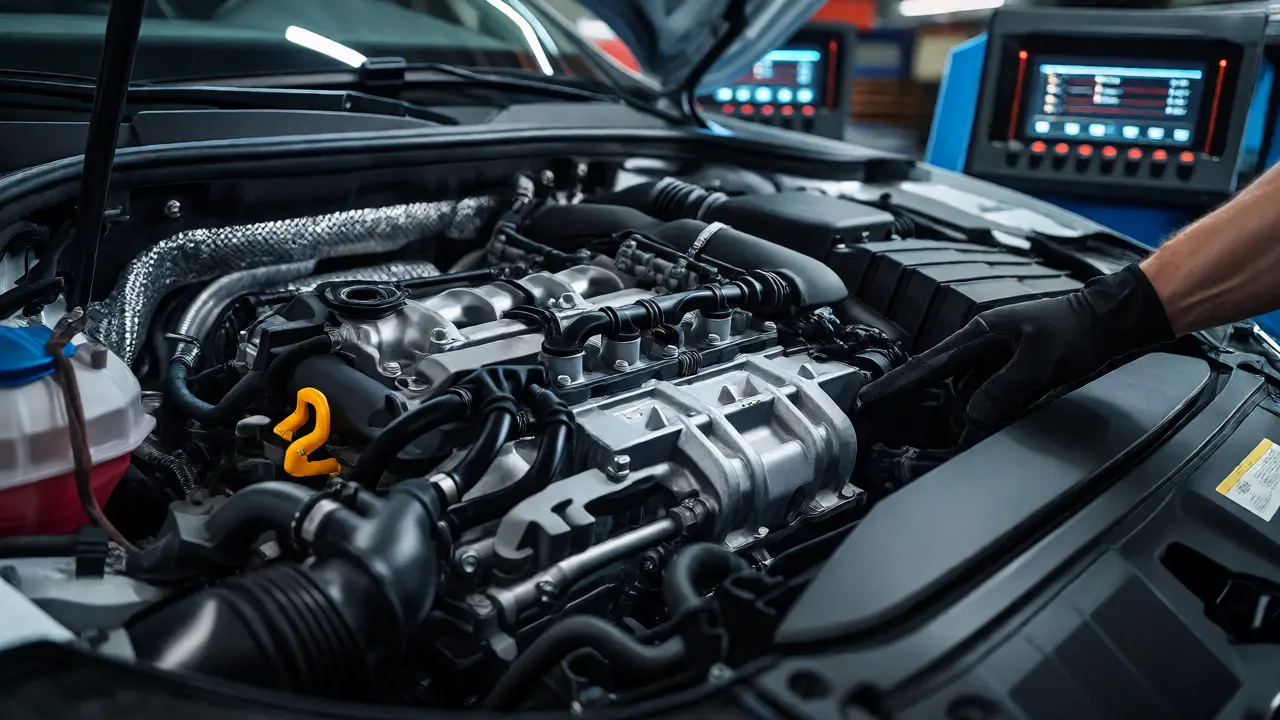
You just pulled into the driveway, and that familiar shudder from your Audi or Volkswagen tells you something isn't right. Maybe it's a loss of power, a cloud of smoke, or a check engine light that refuses to stay off. If you drive a European vehicle with a modern fuel-injected engine, generic auto shops often miss the mark. They treat a TFSI like a standard gasoline motor or a TDI like an old-school diesel. That approach leads to misdiagnosis and expensive repairs.
Here is the reality: European engines are precision instruments with unique failure modes. Finding a shop that specializes in these specific technologies saves you money and stress. This guide breaks down what makes TFSI and TDI engines tick, where they commonly fail, and how to identify a true specialist who can keep your car running smoothly.
What Exactly Are TFSI and TDI Engines?
Before you talk to a mechanic, you need to know what’s under your hood. These acronyms aren’t just marketing fluff; they describe specific engineering choices that dictate how your car behaves and breaks.
TFSI, which stands for Turbo Fuel Stratified Injection, is essentially Volkswagen Group’s take on direct injection combined with turbocharging. Unlike older port-injected engines that spray fuel into the intake manifold, TFSI sprays fuel directly into the combustion chamber. This allows for higher compression ratios and better efficiency. The turbocharger forces more air into the cylinders, letting the engine make more power from a smaller displacement. You’ll find this tech in everything from the A3 to the Porsche Cayenne.
TDI, or Turbocharged Direct Injection, is the diesel counterpart. It uses high-pressure common-rail injection systems to deliver fuel at extreme pressures-often exceeding 25,000 PSI. This results in massive torque figures, making TDIs popular for towing and highway cruising. While both use turbos, the internal components, fuel delivery systems, and emissions controls are vastly different. Treating them as interchangeable is a recipe for disaster.
The Hidden Cost of Carbon Buildup in TFSI Engines
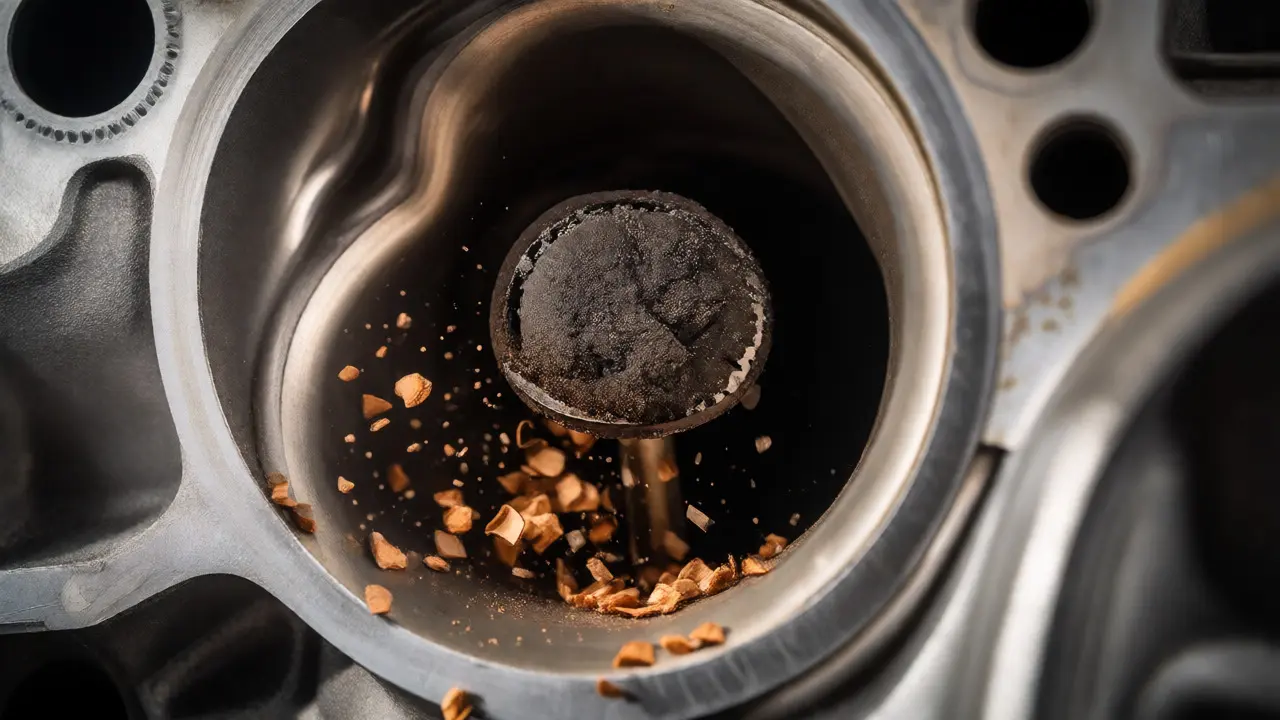
If you own a TFSI vehicle, carbon buildup is likely your biggest long-term headache. Because fuel is injected directly into the cylinder, it never washes over the back of the intake valves. In older port-injected engines, the fuel acted as a solvent, cleaning the valves. Without that washing action, oil vapors from the crankcase ventilation system bake onto the hot valves, forming hard, crusty deposits.
This isn’t just a cosmetic issue. As carbon accumulates, it restricts airflow, causing rough idling, hesitation during acceleration, and reduced fuel economy. Most manufacturers suggest cleaning the intake valves every 60,000 to 80,000 miles. Ignoring this service doesn’t mean your engine will explode immediately, but it will run poorly and strain other components.
A true specialist knows how to perform walnut blasting, a method where crushed walnut shells are shot through the intake ports to scrub the valves clean without damaging the aluminum heads. Generic shops might skip this step entirely or try to clean it with harsh chemicals that don’t remove heavy deposits. Ask any potential mechanic about their process for handling carbon buildup. If they look confused, walk away.
TDI Specifics: DPF, EGR, and Timing Chains
Diesel engines operate under different stresses. Modern TDIs rely heavily on complex emissions systems to meet strict environmental standards. Two major culprits for trouble here are the Diesel Particulate Filter (DPF) and the Exhaust Gas Recirculation (EGR) valve.
The DPF traps soot particles from the exhaust. To clear itself, it needs sustained high-speed driving to burn off the trapped soot-a process called regeneration. If you mostly do short city trips, the DPF clogs up. You might see a warning light or notice the car entering "limp mode," limiting speed to protect the engine. A specialist will check differential pressure sensors before condemning the filter, which can cost over $1,000 if replaced unnecessarily.
The EGR valve recirculates some exhaust gas back into the intake to lower combustion temperatures and reduce nitrogen oxides. Over time, it gets gummed up with soot and sticks open or closed. A stuck EGR causes rough idling and poor performance. Cleaning or replacing it is routine work for a diesel expert, but tricky for someone unfamiliar with diesel diagnostics.
Then there’s the timing chain. Many earlier TDI models, particularly those with the 2.0-liter engine, suffered from stretched timing chains. If the chain stretches too much, the engine timing slips, potentially leading to catastrophic valve-to-piston contact. Listen for a rattling noise on cold starts. If you hear it, get it checked immediately. Specialist shops often stock upgraded tensioners and chains because they know this is a known weak point.
Why General Mechanics Struggle with European Diagnostics
You might wonder why your local quick-lube place can’t handle these issues. The answer lies in software and data. European cars generate massive amounts of live data streams. Diagnosing a TFSI misfire isn’t just about pulling a code; it requires analyzing fuel trim values, boost pressure logs, and injector pulse widths in real-time.
Generic scanners often only read generic OBD-II codes. They won’t show you the nuanced sensor data needed to pinpoint a failing mass airflow sensor versus a vacuum leak. Specialist tools, like VCDS (VAG-COM) for VW/Audi or ISTA for BMW, provide factory-level access to control modules. They allow mechanics to adapt throttle bodies, reset service intervals, and code new injectors properly.
Furthermore, parts availability matters. A general shop might order a universal part that fits loosely, whereas a specialist sources OEM (Original Equipment Manufacturer) or high-quality aftermarket parts specifically designed for European tolerances. Using the wrong spark plug gap or oil viscosity can trigger check engine lights in sensitive TFSI engines.
Choosing the Right Specialist: What to Look For
Not all shops claiming to be "European specialists" are created equal. Here is how to vet them effectively:
- Ask About Experience with Specific Models: Don’t just ask if they fix Audis. Ask if they have fixed the specific engine code in your car (e.g., EA888 Gen 3). Real experience beats general knowledge.
- Inquire About Diagnostic Tools: Ask what software they use. If they mention VCDS, ODIS, or dealer-level scanners, that’s a good sign. If they rely solely on a basic AutoZone scanner, proceed with caution.
- Check for Certifications: ASE certification is standard, but look for additional training or affiliations with European automotive associations. Some independent shops employ former dealership technicians who know the quirks inside out.
- Review Their Warranty Policy: A confident specialist offers a solid warranty on labor and parts. If they hesitate to guarantee their work on a complex repair like a timing chain replacement, it’s a red flag.
- Look for Transparency: Good specialists will explain the problem in plain English. They should offer options-repair versus replace-and explain the pros and cons of each. Avoid shops that insist on one expensive solution without explanation.
Maintenance Tips to Extend Engine Life
You can prevent many common failures with proactive care. Here are actionable steps tailored to these engines:
- Use the Right Oil: Always use oil that meets the manufacturer’s specification (like VW 502 00 or 507 00). European engines are sensitive to oil quality due to variable valve timing systems and turbochargers. Cheap oil can lead to sludge and premature wear.
- Change Oil More Frequently: Forget the 10,000-mile interval advertised by dealers. For TFSI engines prone to oil consumption, changing oil every 5,000 miles helps flush out contaminants and keeps the turbo lubricated.
- Warm Up Your Turbo Properly: Let your engine idle for 30-60 seconds after a hard drive before shutting it off. This allows the turbo bearings to cool down. Stopping abruptly while the turbo is spinning at 100,000 RPM can cause oil coking and bearing failure.
- Drive Hard Occasionally: For TDI owners, take your car on the highway once a week. Sustained speeds help regenerate the DPF and keep the exhaust system clean. Short trips are the enemy of modern diesels.
- Address Small Leaks Early: Oil leaks from valve cover gaskets or oil filters are common on TFSI engines. Fix them when they start dripping. Letting oil pool on hot exhaust manifolds can cause fires or damage oxygen sensors.
| Feature | TFSI (Gasoline) | TDI (Diesel) |
|---|---|---|
| Primary Maintenance Focus | Intake Valve Cleaning (Walnut Blasting) | DPF Regeneration & EGR Cleaning |
| Common Failure Point | Timing Chain Tensioner / PCV Valve | Timing Chain Stretch / Injector Seals |
| Fuel System Sensitivity | High Pressure Fuel Pump Wear | Clogged Fuel Filters / Water Contamination |
| Best Driving Habit | Avoid Short Trips (Carbon Buildup) | Avoid Only City Driving (DPF Clogging) |
| Oil Change Interval | Every 5,000 Miles | Every 5,000 - 7,500 Miles |
When to Walk Away from a Shop
Sometimes, the best decision is to leave. If a mechanic cannot explain why your TFSI is consuming oil, or if they suggest adding seal conditioner instead of fixing a leaking rear main seal, they might not have the expertise. Similarly, if they dismiss a DPF warning light as a simple sensor error without checking the actual soot load, they’re guessing.
Trust your instincts. A good specialist listens to your symptoms, asks detailed questions about your driving habits, and provides a clear diagnostic path. They respect the complexity of European engineering rather than trying to force-fit American-style solutions.
Can I use regular gasoline in my TFSI engine?
Most modern TFSI engines require premium unleaded fuel (91 octane or higher) to prevent knocking and maintain optimal performance. Check your owner’s manual, but using regular gas in a high-compression turbo engine can trigger check engine lights and reduce power.
How much does a walnut blasting service cost?
In the US market, expect to pay between $400 and $800 depending on the number of cylinders and labor rates. This price usually includes removing the upper intake manifold, cleaning the valves, and reinstalling everything with new gaskets.
Is it worth repairing a blown head gasket on an old TDI?
It depends on the mileage and overall condition of the block. If the engine has low mileage and no other major issues, yes. However, if the block is warped or the car has high mileage with other worn components, the cost of machining and parts might exceed the value of the car. A specialist can assess the block flatness.
Why is my TFSI burning oil?
Early generation TFSI engines had piston ring design flaws that allowed oil to pass into the combustion chamber. Later generations improved this, but oil consumption can still occur due to worn turbo seals, PCV valve failures, or stuck piston rings. A compression test and leak-down test can diagnose the root cause.
Do TDI engines last longer than TFSI engines?
Generally, yes. Diesel blocks are built stronger to withstand higher compression ratios. With proper maintenance, a TDI can easily surpass 200,000 miles. TFSI engines are reliable but may face more frequent component replacements like water pumps, thermostats, and ignition coils.