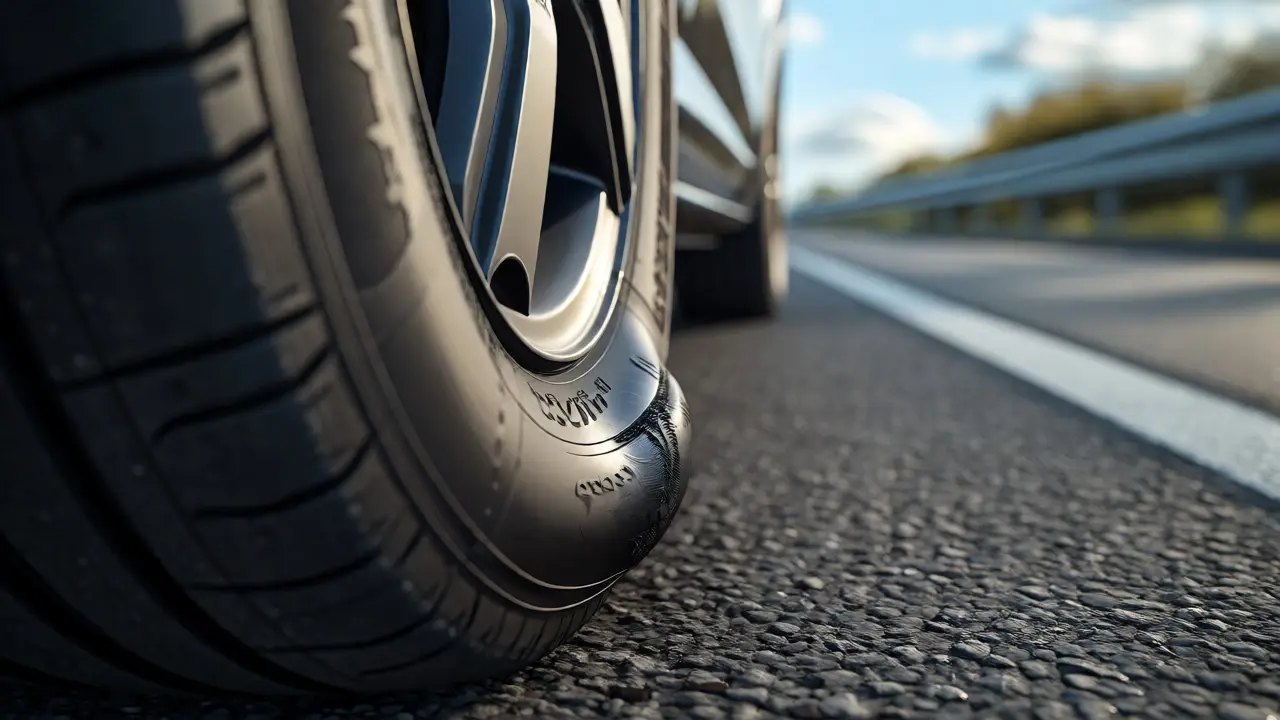
You’re cruising down the highway, maybe heading out of Portland for a weekend trip, when you feel a subtle thump. You pull over, check your phone, and look at the tire. There’s no nail in the tread. The pressure might even be fine. But there it is: a bulge, a cut, or a weird scuff on the side of the tire. Your heart sinks because you know tires are expensive. But before you panic or try to patch it yourself, you need to understand one hard truth: tire sidewall damage is almost never repairable. It’s not that mechanics are lazy or trying to upsell you new rubber. It’s physics.
Why the Sidewall Is Different from the Tread
Most people think of a tire as a single rubber object. But structurally, it’s a composite. The tread-the part that touches the road-is thick and designed to resist abrasion. It’s backed by steel belts that keep the shape stable under high speeds. The sidewall, however, is different. It’s thinner and flexible by design. Its job isn’t to grip the road; it’s to absorb shocks from potholes, curbs, and uneven pavement while keeping the wheel aligned.
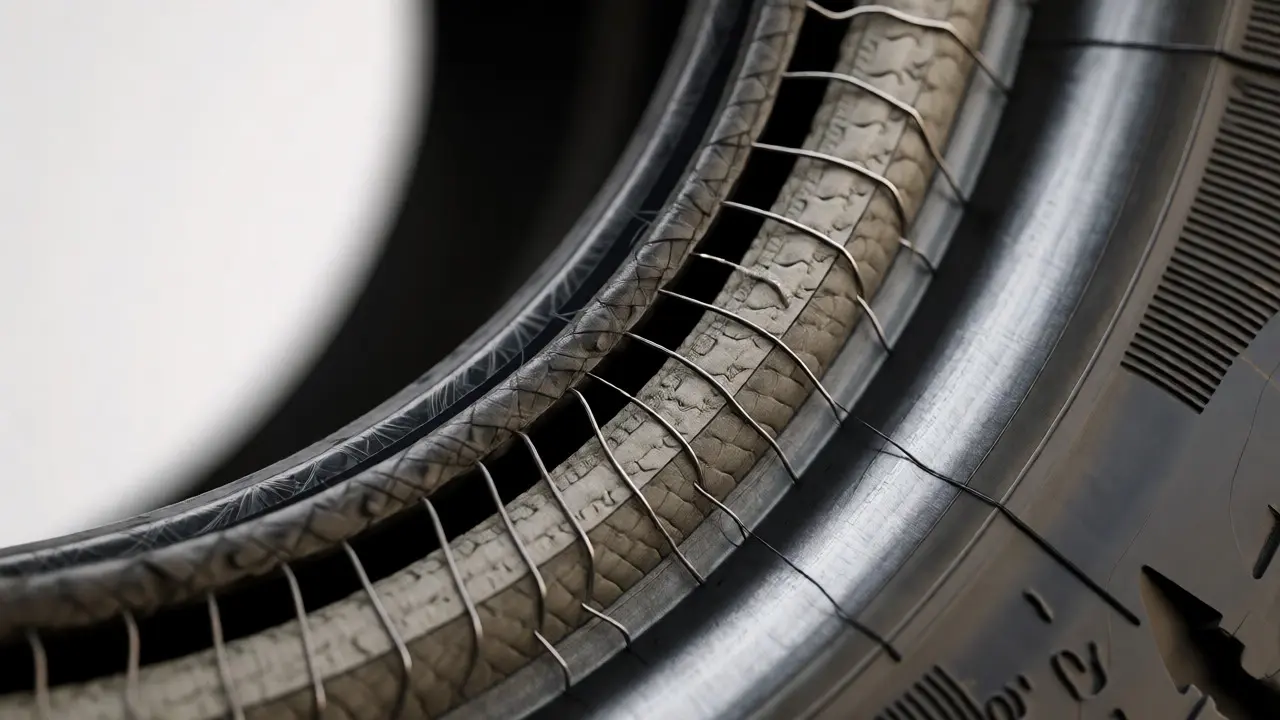
Inside that thin layer of rubber are layers of fabric cords, usually made of polyester or rayon. These cords act like tendons. They hold the air in and maintain the tire’s structural integrity. When you drive, the sidewall flexes hundreds of times per minute. If those internal cords break, the tire loses its ability to contain the pressurized air safely. A patch on the outside doesn’t fix broken cords on the inside. It’s like putting a bandage on a broken bone-it looks okay, but it won’t hold weight.
The Anatomy of Sidewall Failure
Sidewall damage comes in several forms, and knowing what you’re looking at can save you time and money. Here’s how to identify the common culprits:
- Bubbles or Bulges: This is the most dangerous sign. A bubble means the inner liner has separated from the outer casing. Air is pushing through the weakened spot. If you see this, do not drive on it. It’s a ticking time bomb.
- Cuts and Gouges: Deep scratches from hitting a curb or sharp debris. If you can see the white fabric underneath, the tire is compromised. Even if it holds air now, the stress of driving will widen the cut until it blows.
- Rubbing Marks: Often caused by driving on low pressure. The sidewall folds excessively, generating heat that degrades the rubber and breaks the cords. This damage is often invisible from the outside but fatal to the structure.
- Aging Cracks: Over time, UV rays and ozone cause the rubber to dry out and crack. Small surface cracks are normal after five years. Deep cracks that reveal the cord layer mean the tire is nearing the end of its life, regardless of tread depth.
When Can You Actually Repair a Tire?
Not all damage is a death sentence for your tire. The industry standard, guided by organizations like the Tire Industry Association (TIA), sets strict rules for repairs. To be considered safe for repair, the puncture must meet specific criteria:
| Damage Location | Max Hole Size | Repair Method | Verdict |
|---|---|---|---|
| Tread Area (Center) | Up to 1/4 inch (6mm) | Patch-Plug Combo | Safe to Repair |
| Shoulder (Edge of Tread) | N/A | N/A | Replace Tire |
| Sidewall | N/A | N/A | Replace Tire |
| Tread Area (Off-Center) | Up to 1/4 inch | Patch-Plug Combo | Safe to Repair* |
*Note: Some manufacturers allow repairs up to 3/8 inch in the tread, but always check your tire brand’s warranty terms first. Many void warranties if repaired improperly.
The key takeaway here is location. If the hole is in the "repairable zone"-the central three-quarters of the tread-you’re likely good to go with a professional patch-plug combo. If it’s anywhere near the shoulder or the sidewall, forget about it. No amount of glue or plug will withstand the constant flexing of the sidewall.
The Myth of the Sidewall Plug
You’ve probably seen those cheap tire repair kits at gas stations. They promise a quick fix for any flat. And sure, they work for tread punctures. But some drivers try to jam a string plug into a sidewall cut. Don’t do it. Why? Because sidewall plugs rely on friction and compression to stay in place. The sidewall moves constantly. That movement works the plug loose, allowing air to leak slowly or causing sudden failure. Worse, inserting a plug into a damaged sidewall can tear the remaining intact cords, turning a slow leak into a blowout.
Some shops offer "sidewall repairs" using specialized patches that bond to the inside. While technically possible, these are rarely recommended for daily drivers. They add cost and complexity without guaranteeing longevity. For a family sedan or an SUV carrying passengers, replacing the tire is the safer, more economical choice in the long run.
What Causes Sidewall Damage?
Understanding the cause helps prevent future incidents. Most sidewall issues stem from driver error or environmental hazards rather than manufacturing defects.
Hitting Curbs Too Hard
This is the number one killer of sidewalls in cities like Portland. Parking too aggressively or missing a turn can pinch the tire against the concrete. This pinch crushes the internal cords between the rim and the curb. The damage might not show immediately, but weeks later, a bubble appears. Always aim for smooth, gentle contact with curbs. If you hear a loud scrape, inspect the tire immediately.
Driving on Low Pressure
Your TPMS (Tire Pressure Monitoring System) light isn’t just a suggestion. Driving even 5 PSI below recommendation increases sidewall flex. More flex equals more heat. Heat breaks down the rubber and weakens the bonds between layers. If you ignore the light for weeks, you’re cooking your tires from the inside out. Check your pressure monthly, especially during seasonal temperature drops.
Potholes and Debris
Construction zones and poorly maintained roads are common in many areas. Hitting a deep pothole at speed sends a shockwave through the tire. Sometimes the impact splits the sidewall instantly. Other times, it creates micro-tears that grow over time. Slow down when visibility is poor or when you know the road quality is bad.
How to Inspect Your Tires Properly
You don’t need a mechanic to spot major issues. Spend two minutes checking your tires once a month. Here’s a simple checklist:
- Clean the Area: Wipe away dirt and brake dust from the sidewall so you can see clearly.
- Look for Bubbles: Run your hand along the entire circumference. Feel for any raised areas or soft spots.
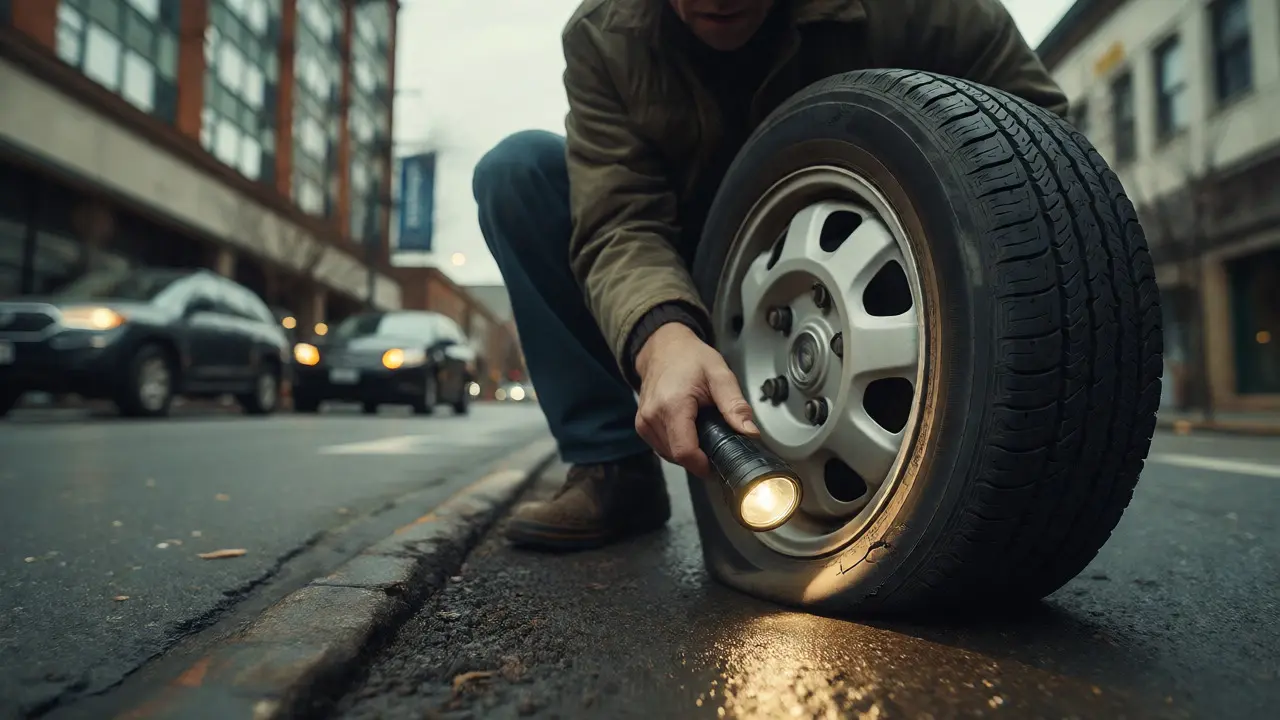
- Check for Cuts: Use a flashlight to scan for deep gouges. If you see fabric, mark the spot with chalk.
- Inspect the Rim Edge: Look where the tire meets the metal wheel. Rust or corrosion here can cause leaks that mimic sidewall problems.
- Check Age: Look for the DOT code on the sidewall. The last four digits tell you the week and year of manufacture. If the tires are older than six years, consider replacement regardless of condition.
Replacement vs. Repair: The Cost-Benefit Analysis
Let’s talk numbers. A professional tire repair typically costs between $20 and $40. A new tire ranges from $100 to $300+ depending on size and brand. So why replace instead of repair? Because a failed repair on a sidewall can lead to a blowout at 65 mph. That’s not just a tow truck bill; it’s potential damage to your fender, suspension, and other vehicles around you.
If you have a matched set of four tires and only one is damaged, you might face another issue: mismatched tread depths. On all-wheel-drive vehicles, significant differences in tread depth can strain the drivetrain. In such cases, you might need to shave the new tire to match the others or replace two tires. This makes the initial cost higher, but it protects your vehicle’s mechanical health.
Preventing Future Sidewall Damage
You can’t avoid every pothole, but you can reduce your risk significantly. Keep your tires properly inflated. Rotate them every 5,000 to 7,000 miles to ensure even wear. Avoid parking close to high curbs if possible. And if you live in an area with harsh winters, remember that cold weather stiffens rubber, making it more susceptible to cracking. Switching to summer tires in warm months can extend the life of your winter set.
Also, pay attention to alignment. Misaligned wheels cause uneven wear, which puts extra stress on certain parts of the sidewall. If your car pulls to one side, get an alignment checked. It’s a small investment that saves big on tire replacements.
Frequently Asked Questions
Can I drive on a tire with a small sidewall cut?
It depends on the depth. If the cut is superficial and only affects the outer rubber, you might be able to drive short distances to a shop. However, if you see the white fabric cords, do not drive on it. Call a tow service or change the tire yourself. Continuing to drive risks a catastrophic blowout.
Is it safe to use a plug kit for a sidewall puncture?
Generally, no. Plug kits are designed for tread punctures. Sidewall plugs lack the structural support needed to withstand the constant flexing of the tire. They are best used as a temporary emergency measure to get home, not as a permanent solution. Replace the tire as soon as possible.
How much does it cost to replace a tire with sidewall damage?
Costs vary widely based on tire size and brand. Standard passenger tires range from $100 to $200 each. High-performance or large SUV tires can cost $250 to $400+. Labor for mounting and balancing adds another $20-$50 per tire. Always ask for quotes including taxes and disposal fees.
Does sidewall damage void my tire warranty?
Usually, yes. Most manufacturer warranties cover defects in materials and workmanship, not external damage. Potholes, curb hits, and cuts are considered "road hazards" and are typically excluded from coverage. However, some tire retailers offer separate road hazard protection plans that might cover replacement costs.
How long should tires last before sidewall aging becomes a problem?
Rubber degrades over time due to oxidation and UV exposure. Most experts recommend replacing tires after six years, regardless of tread depth. After ten years, even unused spare tires should be replaced. Check the DOT date code on the sidewall to determine age.