Most people think selling a car is simple: clean it up, take some photos, post it online, and wait for the money to roll in. But if you’ve ever tried it, you know that’s not how it works. You list your car for $20,000, and after three weeks, you get one inquiry - from someone who thinks you’re joking. Or worse, you sell it to a dealership for half what you expected, and later find out you could’ve gotten $5,000 more if you’d just done a few things differently.
The truth is, sellers make the same mistakes over and over. And those mistakes cost money. Not just a few hundred dollars - sometimes thousands. The good news? It’s not complicated. You don’t need to be a mechanic or a sales pro. You just need to avoid the top errors most people make when selling their car.
Overpricing or Underpricing: The Two Sides of the Same Mistake
Pricing is where most sellers go wrong. Some think their car is worth more because they took care of it. Others panic and price it too low because they want to sell fast. Both approaches backfire.
If you set your price too high, your car sits. Buyers scroll past it. They assume you’re unrealistic, or worse - hiding something. The average used car takes 3 to 6 weeks to sell privately. If yours is still sitting after 10 days, the price is likely the problem.
If you price it too low, you leave money on the table. And you attract tire-kickers - people who just want to haggle, not buy. They’ll offer $500 under asking, and when you say no, they ghost you.
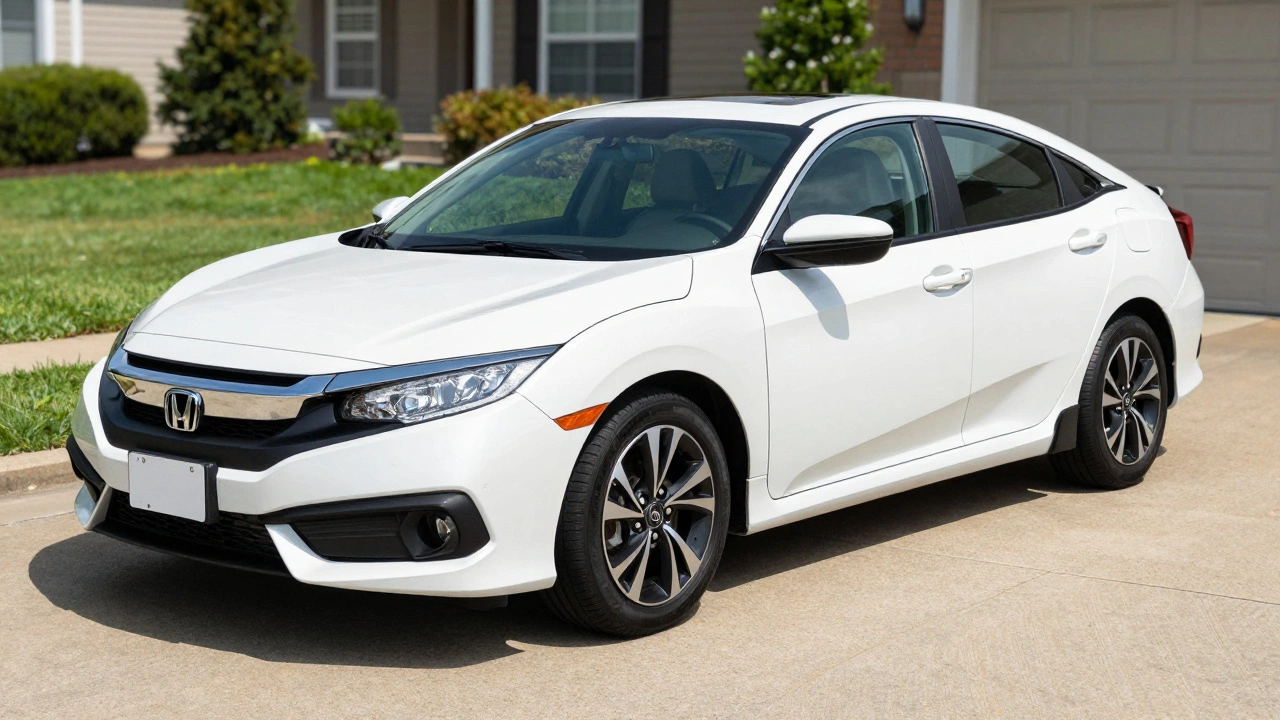
Here’s how to fix it: Look at private party sale values on Kelley Blue Book or Edmunds. Ignore the trade-in or dealer retail numbers. Those aren’t what real buyers pay. Filter for cars with similar mileage, year, trim, and location. If your 2020 Honda Civic has 45,000 miles and no accidents, find three like it in your area. What are they selling for? That’s your range.
Set your price at the mid-to-high end of that range. Not the highest. Not the lowest. Mid-to-high. That gives you room to negotiate without looking desperate.
Skipping the Clean-Up: You’re Not Selling a Car - You’re Selling a First Impression
Buyers don’t buy cars. They buy the idea of owning a car. And that idea is shaped by how it looks, smells, and feels the second they step up to it.
Most sellers clean the outside, maybe vacuum the floor, and call it done. That’s not enough.
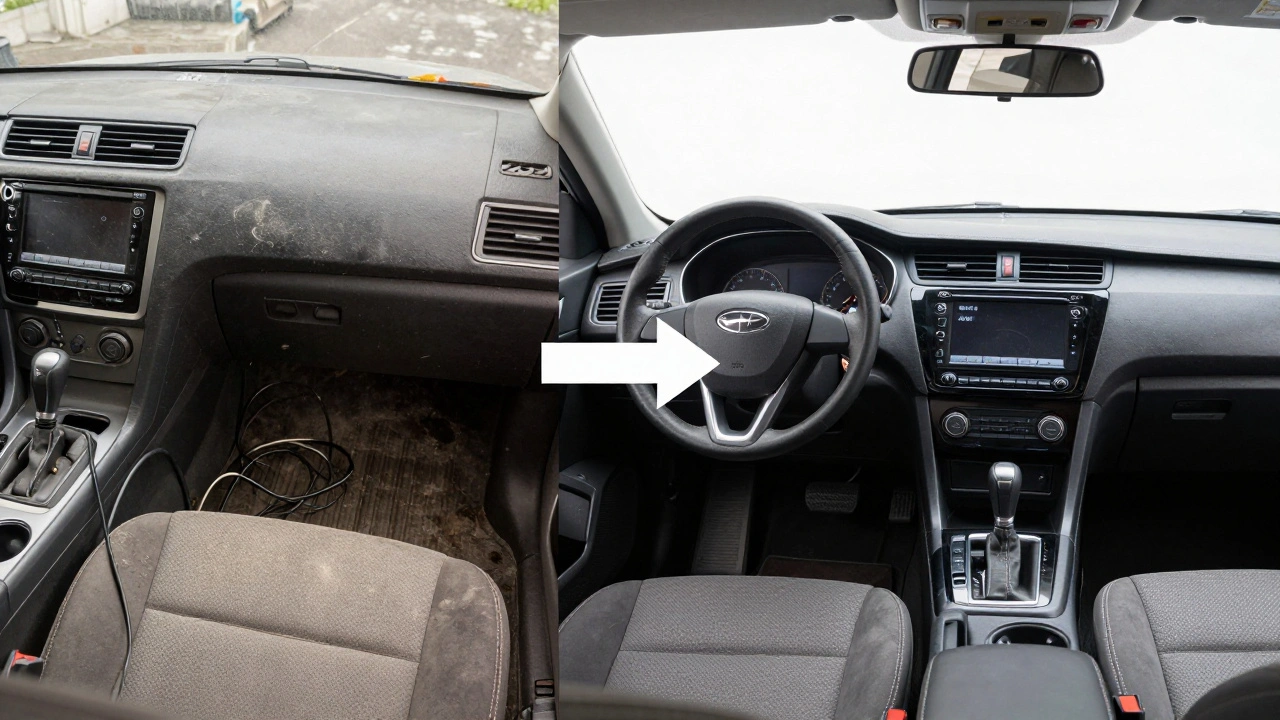
Dealerships grade vehicles based on condition. And they look at every surface - the dashboard, the steering wheel, the seat seams, even the trunk liner. If there’s coffee residue on the cup holder, or dog hair stuck in the creases, they assume the car wasn’t maintained. That drops your value fast.
Do this before you take photos:
- Wash the exterior - including the wheels and tires. Grime hides scratches and dents.
- Detail the interior. Use a microfiber cloth on the dash, center console, and door panels. Don’t just wipe - polish.
- Remove every personal item: kids’ toys, gym bags, old receipts, charger cables. Clutter screams "neglected."
- Vacuum thoroughly - including under seats and in the footwells. Use a crevice tool.
- Wipe down the infotainment screen. Fingerprints are a red flag for buyers.
- Remove air fresheners. They smell fake. Let the car smell like… a car. Clean, neutral, fresh.
And don’t forget the trunk. Buyers open it. If it’s full of junk, they’ll think the same mess is under the seats.
Bad Photos: Why Buyers Never Even Call
You wouldn’t buy a house from one blurry picture. Same goes for a car.
Most sellers take one photo of the front, one of the side, and call it a day. That’s not enough. Buyers want to see details before they even consider a test drive.
Here’s what you need:
- Front, rear, both sides (at 45-degree angles)
- Interior shot of the dashboard (show the odometer)
- Driver’s seat (show wear on the seat and steering wheel)
- Passenger seat
- Trunk (with the spare tire and tools visible)
- Engine bay (clean, not messy)
- Any damage - even small dents or scratches. Show them head-on.
Take photos in daylight. Natural light is best. No flash. No filters. No selfies in the driver’s seat. Just clean, clear, honest shots.
Buyers who see good photos are 3x more likely to ask questions. And questions lead to offers.
Selling on an Open Title: The Legal Trap No One Warns You About
This one is dangerous - and way more common than you think.
Some buyers say, "I’ll fill out the title tomorrow," or "Just sign it now, I’ll get it to the DMV." That’s a red flag. And if you do it, you’re at risk.
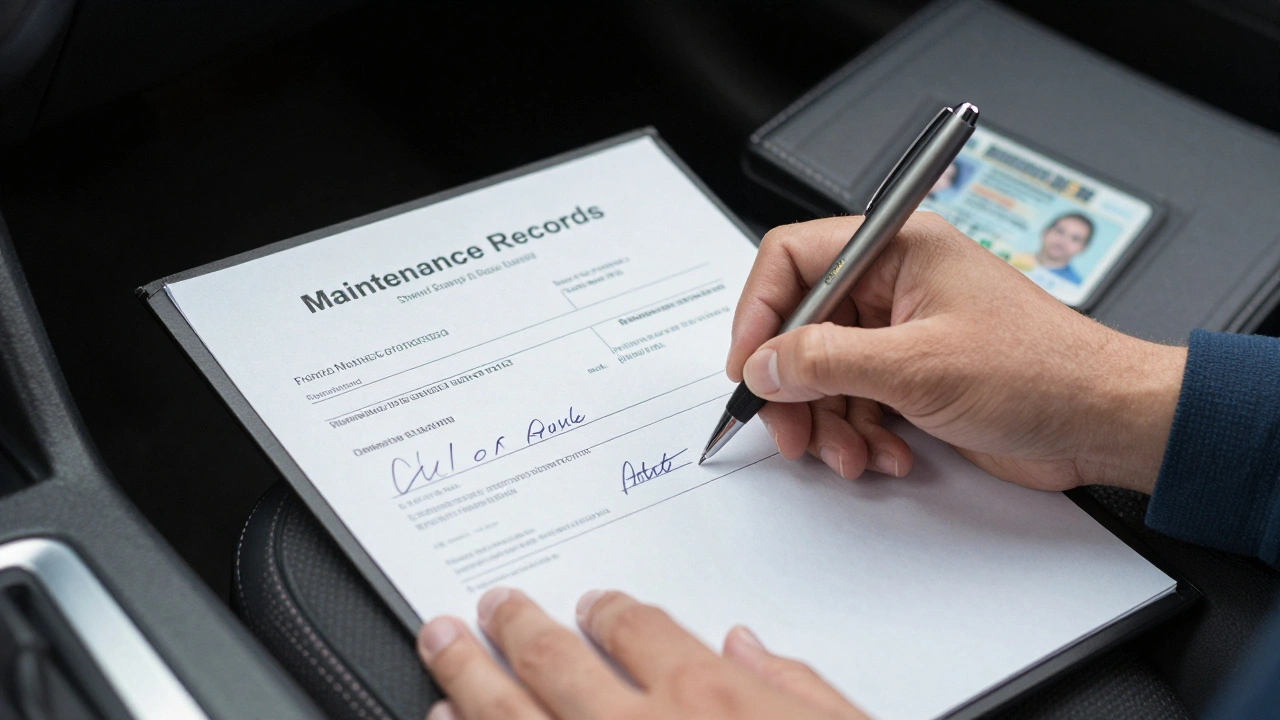
Signing over the title without filling in the buyer’s name is called "selling on an open title." It sounds harmless. But it’s not. That buyer can transfer the car to someone else - even a dealer - without your knowledge. And if that person gets into an accident, gets a ticket, or doesn’t pay taxes? You’re still legally responsible.
Here’s how to protect yourself:
- Never sign the title until the buyer is physically present.
- Fill in the buyer’s full legal name, address, and date.
- Write the odometer reading and sign it.
- Keep a copy of the signed title and the buyer’s ID.
- Do not accept cash without a signed bill of sale.
If a buyer refuses to fill out the title right then and there - walk away. It’s not worth the risk.
Not Disclosing Problems: The Fastest Way to Lose a Sale
Everyone thinks: "If I don’t mention the squeaky brake, they won’t notice."
Wrong.
Buyers ask questions. They check Carfax. They bring mechanics. If you hide a problem, they’ll assume you’re hiding more.
Instead of hiding things, own them. Say it plainly:
- "The passenger window doesn’t roll up all the way - it’s a motor issue, but it still works."
- "I replaced the battery last year. I have the receipt."
- "There’s a small scratch on the rear bumper from a parking lot incident."
Transparency builds trust. And trust leads to higher offers. Buyers will pay more for a car they know is honest.
Also, include your maintenance records. Even if they’re not perfect. A single oil change receipt from 2022 shows you cared. A full logbook? That’s gold.
Being Rigid in Negotiation: You’re Not Selling a Car - You’re Having a Conversation
Sellers think: "My price is my price. Take it or leave it."
But buyers aren’t shopping at a store. They’re making a big decision. They want to feel heard.
Here’s how to negotiate without losing money:
- Always respond to inquiries within 24 hours. Slow replies = lost sales.
- When someone offers less, don’t say no. Say: "I was hoping for $17,500, but I’m open to serious offers. What can you do?"
- Be ready to justify your price. "It’s $500 above market because it has the premium package, new tires, and no accidents."
- If they want to lower the price because of a minor flaw, say: "I’m happy to reduce it by $300 if you’ll cover the cost of replacing the headlight."
Dealers will give you a lowball offer - sometimes 20% under market. Don’t accept it. Say: "I’ve seen offers around $16,000 for this model. Can you beat that?" Then walk away. Often, they’ll come back.
Doing Expensive Repairs Right Before Selling
Many sellers think: "I’ll fix the brake noise, replace the tire, and get a new battery - then I’ll make a profit."
It rarely works.
Dealerships have service departments. They can replace brakes for $200. You paid $500. They’ll still lowball you because they know they can fix it cheap.
Only do repairs if:
- It’s a safety issue (brakes, steering, tires)
- It’s something that will stop a buyer from even looking (like a broken AC in summer)
- You can do it yourself for under $100
Otherwise, leave it. Mention it honestly in the listing. Buyers will factor it in. And you’ll save money.
Forgetting to Delete Personal Data
Think your car doesn’t have a memory? Think again.
Modern cars store:
- Phone contacts
- Call history
- Home and work addresses in GPS
- Garage door openers
- Streaming service logins
Buyers can access all of it. And if you leave it, you’re giving them your personal life.
Before handing over the keys:
- Go to Settings > System > Reset
- Remove all paired Bluetooth devices
- Sign out of any apps
- Clear saved addresses
It takes 10 minutes. But it saves you from a nightmare.
Why This All Matters - And How to Get It Right
Selling a car isn’t about luck. It’s about process.
The sellers who get top dollar don’t have perfect cars. They have honest, clean, well-documented cars - and they know how to talk to buyers.
Follow these steps:
- Research your car’s private sale value - not dealer price.
- Clean it inside and out - like you’re showing it to your future self.
- Take 8-10 clear, well-lit photos - no excuses.
- Write a full, honest description - include why you’re selling.
- Have your title, maintenance records, and ID ready.
- Respond to every inquiry within a day.
- Be ready to negotiate - but know your bottom line.
- Never sign an open title.
- Clear all personal data before handing over the keys.
Do this, and you won’t just sell your car. You’ll sell it fast - and for the most money possible.
Should I clean my car before selling it to a dealership?
Yes. Even dealerships notice cleanliness. A dirty car gets downgraded in condition ratings, which lowers your offer. A clean car shows you cared - and that can mean $500-$1,000 more. It’s not about impressing them - it’s about avoiding a lower valuation.
Can I sell my car without the title?
No. You cannot legally transfer ownership without the title. If you lost it, you must apply for a duplicate from your state’s DMV before selling. Selling without a title is risky - buyers won’t trust you, and the transaction may be illegal. Always get a replacement title first.
Is it better to sell to a private buyer or a dealership?
Private buyers usually pay more - often $1,000-$5,000 more - but it takes longer. Dealerships pay faster, but offer less. If you need cash in 48 hours, go to a dealership. If you can wait 2-4 weeks, sell privately. Most sellers who take time get the best value.
What documents do I need to sell my car?
You need: the signed title (with buyer info filled in), a bill of sale (signed by both parties), your driver’s license, and your vehicle registration. If you have maintenance records, bring them - they boost your offer. If there’s a lien, get a payoff letter from your lender before selling.
How long should I expect to wait before my car sells?
Most private sales take 3 to 6 weeks. Cars priced correctly with good photos sell faster - sometimes in under a week. Cars priced too high or with poor photos can sit for months. Don’t rush. But don’t ignore market feedback. If you get no inquiries after 10 days, lower the price or improve the photos.