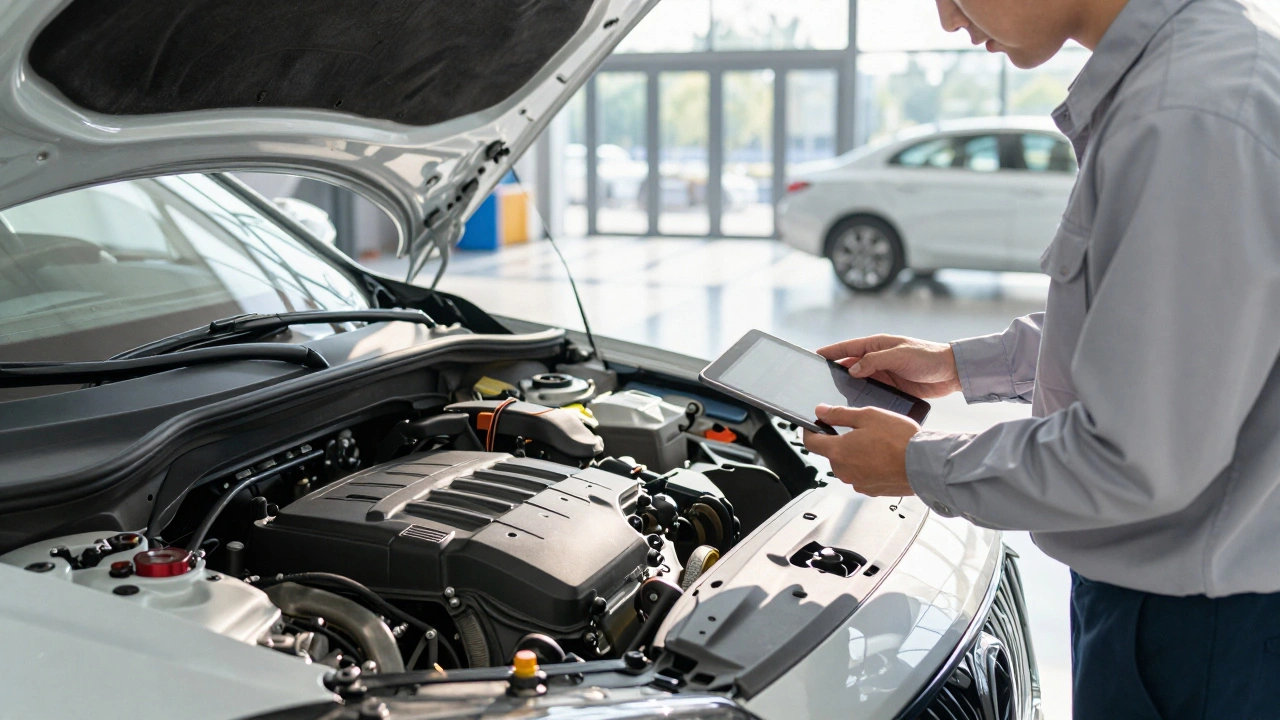
Selling your car feels easier than it used to be until you hear the first number a dealership drops on the table. Suddenly, the vehicle you drove every day looks worthless compared to online listings. This gap between private sale prices and dealer trade-in appraisalan evaluation by a dealership that determines the credit amount offered toward a new purchase happens because dealers buy differently than individuals. They aren't just paying for the metal and rubber; they are calculating reconditioning costs, auction risks, and resale timeframes. If you walk into the lot without understanding this dynamic, you leave money on the table.
In Portland, we see rust spots appear faster due to winter road salt, which can tank a value if not addressed early. But beyond surface rust, dealers rely on data-driven systems that weigh specific attributes. Knowing how these systems work allows you to position your car before you even sign the paperwork. The goal isn't just acceptance; it's maximizing the return for the equity you built over years of payments.
How Dealers Calculate Your Trade-In Value
The process isn't random guessing. A professional appraisal follows a structured checklist that mirrors what wholesale buyers use at auction houses. It usually starts with a quick VIN ScanVerifying the Vehicle Identification Number. This step pulls up the vehicle's registration history and confirms there are no outstanding liens hiding in the background.
Once the digital data comes back clean, the physical inspection begins. This is where small details matter most. Mechanics look under the hood at the engine block and transmission belts for signs of neglect. They check brake pads, suspension struts, and tire tread depth. A set of worn-out tires alone can cost you hundreds in negotiation leverage because replacing them is an immediate upfront cost for the lot.
Cosmetic review follows the mechanical check. Paint chips, rock damage, and interior wear get categorized by severity. If you have cigarette smoke odors embedded in the upholstery, the deduction for cleaning services adds up quickly. The appraiser also notes specific technology features like heated seats or navigation systems, which might still hold value depending on the market model year.
Finally, they compile a report. This document lists every scratch, dent, and service record they found. It shows the base market value minus adjustments for wear and tear. Understanding this breakdown helps you argue specific points rather than accepting a lump sum that hides unfavorable math.
Factors That Boost Your Appraisal Number
Condition dictates cash, but maintenance history proves longevity. A single-owner vehicle with consistent oil changes typically fetches five to ten percent more than a similar car with gaps in its background. Dealers trust paper trails because they reduce risk. If you show an oil change receipt every 5,000 miles, they assume the rest of the maintenance was handled similarly.
Service RecordsDocumentation proving regular maintenance and repairs performed on the vehicle act as proof of care. Do not hide minor repairs. Replaced brake rotors or fresh tires signal that the next owner won't need to open their wallet immediately. This perception shifts the car from "project candidate" to "ready for resale," commanding higher pricing.
Market trends play a massive role too. In spring 2026, SUVs continue holding strong inventory levels compared to sedans. If you own a compact sedan, demand might be softer locally. Regional tastes matter here. Pacific Northwest buyers often prefer all-wheel drive setups over rear-wheel drive models. Matching your specs to local preferences ensures your car sits on the lot for fewer days, prompting dealers to pay more for inventory turnover speed.
Seasonality affects timing significantly. Fuel prices fluctuate, influencing demand for trucks versus economy cars. End-of-month quotas sometimes push sales managers to close deals faster, potentially opening windows for negotiation. Knowing when dealers are hungry for stock can be as important as the car's physical state.
Documents to Bring Before You Go
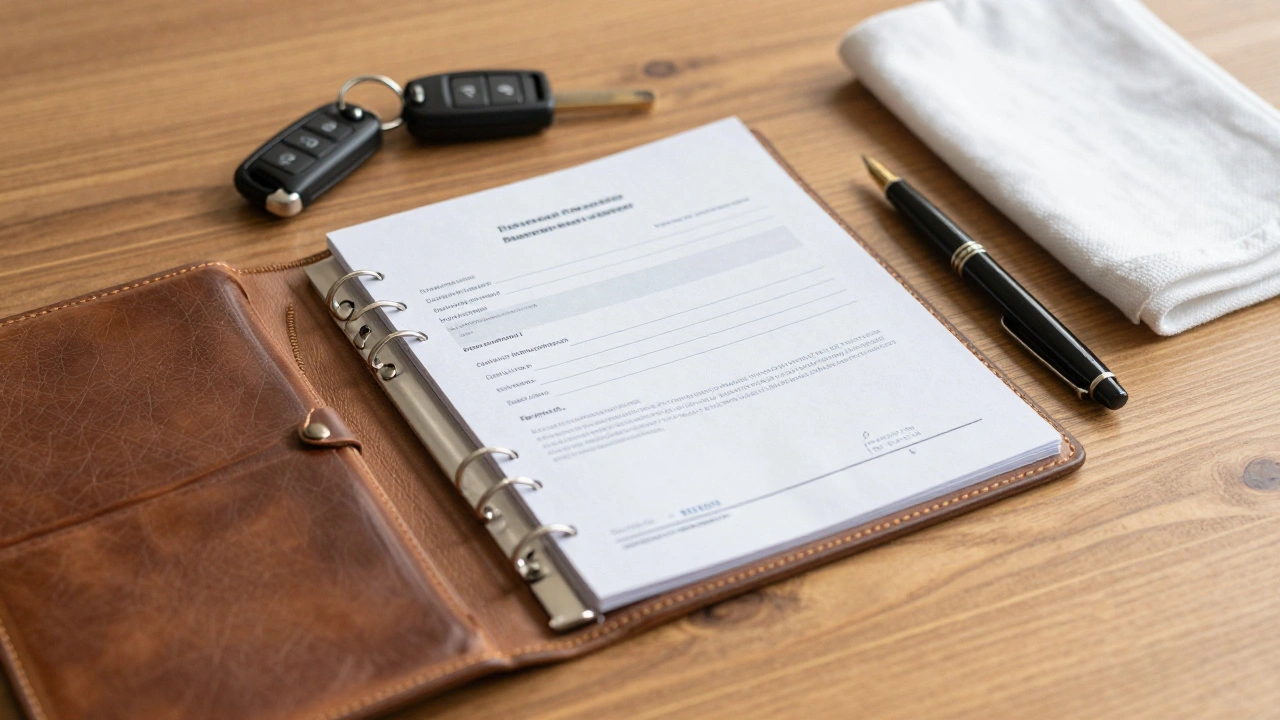
Preparation prevents rejection or lowball delays. At minimum, you need the vehicle title. If you still owe money on the loan, bring the payoff statement from your lender so the dealer can handle the transfer directly. Your photo ID and current registration validate your identity and legal right to sell the asset.
Beyond legal basics, gather all sets of keys, remotes, and owner manuals. Missing fobs lower the offer because replacement costs hit the dealer's budget. Print out any recent inspections or repair receipts. Even digital copies printed on a phone help.
Consider bringing the original window sticker if you saved it. This proves MSRP and initial options packages installed. It clarifies the vehicle's original specification, confirming high-value add-ons like leather interiors or upgraded audio systems that might otherwise be missed during a standard glance.
| Document Type | Why It Matters | Potential Value Impact |
|---|---|---|
| Vehicle Title | Proves legal ownership | Required to finalize deal |
| Maintenance Logs | Shows vehicle history | Increases offer confidence |
| Window Sticker | Confirms factory specs | Adds $500+ verification |
| Extra Keys | Avoids replacement fees | Saves $150-$400 deduction |
Using Market Tools to Verify Pricing
Before stepping onto the lot, use trusted resources to ground your expectations. Kelley Blue BookA widely used automotive valuation tool providing fair market values offers estimates based on input data like mileage, trim level, and zip code. While dealers don't pay the exact listed price, it provides a benchmark for private party ranges versus wholesale figures.
Edmunds and TrueCar serve similar functions, pulling data from actual transaction logs nationwide. These platforms show what vehicles in your area sold for recently. If a dealer offers 20% below the average wholesale value shown on these sites, you have evidence to challenge the number.
Check CARFAX ReportsA comprehensive vehicle history service detailing accidents and ownership yourself beforehand. Sometimes dealers pull free versions to check for major incidents. If you already have one handy, it removes suspicion. A clean report means no hidden wreck history or flood damage claims that scare off buyers.
Compare your target car against three others currently for sale at different dealerships. Price consistency matters. If everyone else sells the same model at the same price, the trade-in value anchors to that number. Unique situations, however, allow more flexibility if you negotiate smart.
Timing Your Visit for Maximum Return
When you visit matters almost as much as what you bring. Sales cycles follow monthly rhythms. Late month dates often carry pressure for sales staff to meet quotas. Weekdays tend to be quieter than weekends, meaning the manager might spend more time on your appraisal rather than rushing through multiple customers.
Economic factors shift value rapidly. Gas prices rise? Truck demand spikes. Interest rates stabilize? Financing becomes easier for buyers, boosting dealer confidence in taking inventory. Monitor headlines about regional regulations. New emissions standards or fuel mandates could suddenly alter desirability for older engines or hybrid batteries.
Spring brings higher activity in Portland after the wet season. Buyers want sunnier months for test drives. Arriving in April usually captures this surge before summer lulls begin. Avoid holidays or school vacations unless you plan to wait anyway, since foot traffic varies wildly during those periods.

Negotiating Without Losing the Edge
Treat the appraisal number as a starting bid, not a final verdict. Once they give you the figure, ask for a detailed printout of their deductions. If they deducted $2,000 for "minor dings," ask how many inches each ding measures. Some vague line items mask profit margins meant for reconditioning.
If you bought a new car simultaneously, bundle the discussion. Separating the purchase price from the trade-in keeps negotiations clear. Never agree to the total deal price without knowing the individual components. Transparency prevents hidden finance charges or extended warranty markups that eat away at savings gained from the trade.
Remember that walking away is always an option. If one lot offers less than your research suggests, another nearby might compete. Private sale remains an alternative but requires hours of advertising and DMV visits. Most people value convenience enough to accept slightly lower numbers, but knowing your worth prevents drastic losses.
Common Pitfalls to Avoid During Appraisal
- Avoid washing the car right before inspection. Oil spills or water residue sometimes trigger concerns about leaks.
- Do not promise future maintenance. Dealers ignore promises; they only pay for completed work.
- Don't disclose upcoming plans to sell to family members prematurely. This might limit dealer interest.
- Never sign documents with blank fields filled in later by someone else.
Frequently Asked Questions
Does a dirty car lower my trade-in offer?
Excessive dirt can hide defects and suggest poor maintenance. While a deep professional detail isn't required, removing trash and vacuuming the interior shows care. Cleanliness influences perception, which indirectly supports the final offer.
Can I contest the mechanic's findings?
Yes, if you believe a defect was misidentified. Ask for specific documentation of the issue. If it's subjective, request a second opinion or try a different dealership to verify consensus.
Should I fix things before trading in?
Cosmetic fixes like scratches rarely return full cost value. Mechanical repairs that prevent safety issues are worth doing. Focus on high-impact items like tires or brakes rather than polishing paint chips.
Is trade-in better than selling privately?
Private sales usually yield higher payouts because you skip dealer profit margins. However, trade-ins offer speed, convenience, and tax benefits in some states when buying a new vehicle.
What if I don't have my title yet?
Most dealerships cannot accept the trade without a clear title. Request a duplicate from your local Department of Motor Vehicles before visiting. Processing takes a few weeks, so start early.