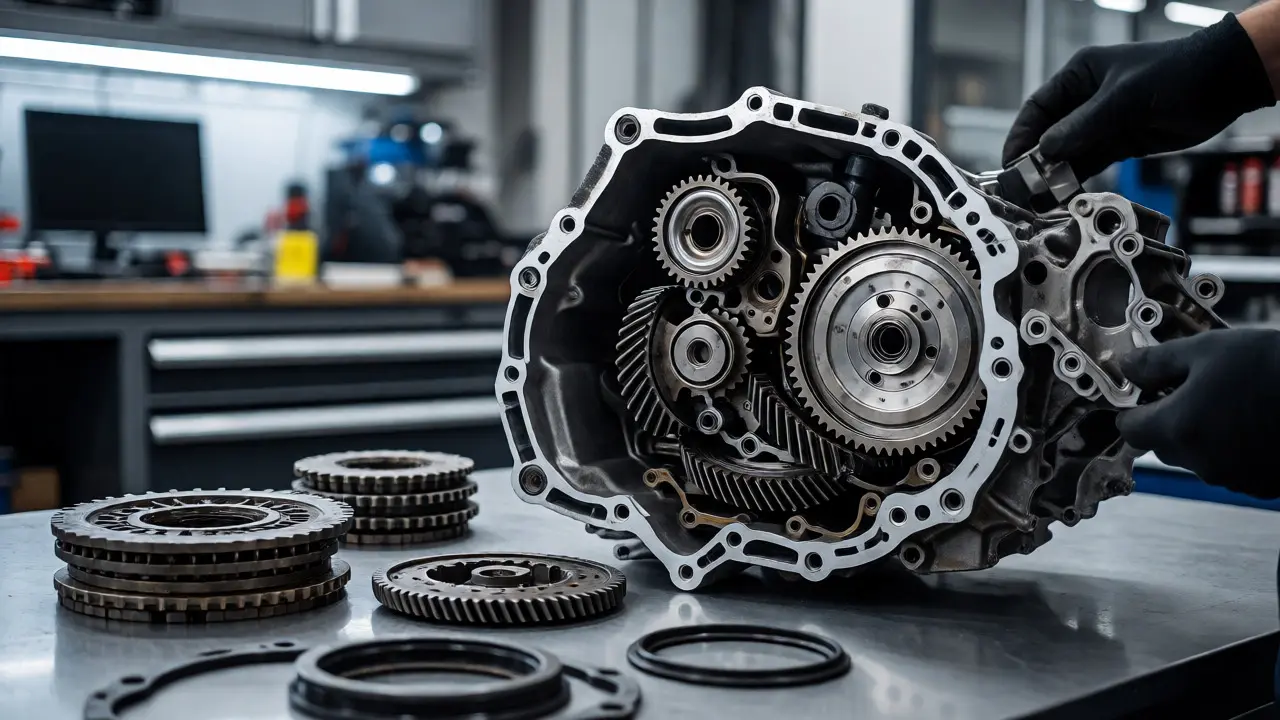
Nothing strikes fear into a car owner’s heart quite like the sound of a slipping gear or that dreaded check engine light flashing with a transmission code. It’s expensive, it’s complex, and suddenly your monthly budget looks like it needs a serious diet. But before you hand over your keys and accept the first quote, you need to understand the real math behind transmission rebuild versus replacement. Is fixing what you have always cheaper than swapping in something new? The answer isn’t a simple yes or no-it depends on your vehicle’s age, the specific type of transmission failure, and whether you’re planning to keep the car long-term.
Understanding the Core Difference
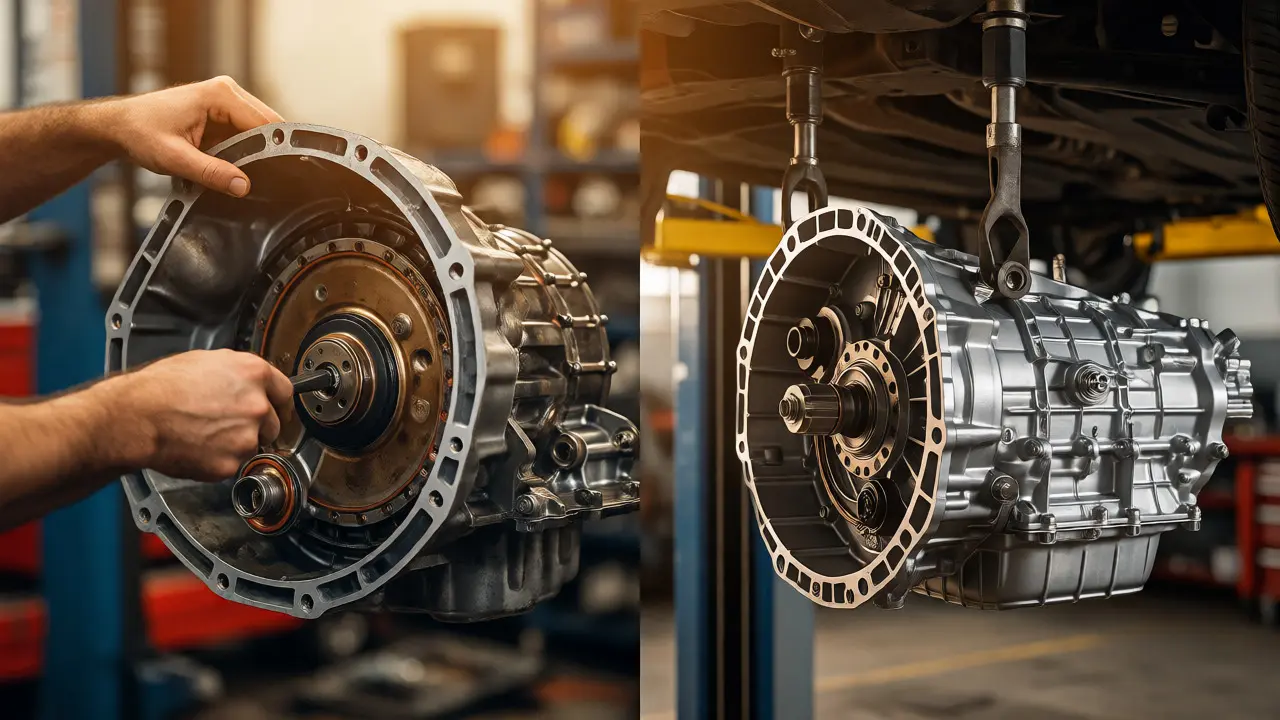
When mechanics talk about transmission work, they are usually discussing two distinct paths: rebuilding the existing unit or replacing it entirely. A rebuild is exactly what it sounds like: taking the transmission apart, cleaning every component, replacing worn seals, gaskets, clutches, and bands, and reassembling it. Think of it as renovating an old house-you keep the foundation (the main case) but update everything inside. On the other hand, a replacement involves removing your broken transmission and installing a different one. This could be a brand-new unit from the manufacturer, a remanufactured unit (which is essentially a factory-level rebuild), or a used unit pulled from another vehicle.
The choice often comes down to risk tolerance and warranty coverage. Rebuilding relies heavily on the skill of the individual mechanic. If they miss a single debris particle or misalign a valve body, the job might fail within months. Replacement, especially with a remanufactured unit, often comes with a standardized warranty because the unit was tested in a controlled facility. However, replacements can introduce compatibility issues if the donor vehicle’s software or hardware doesn’t match yours perfectly.
Breaking Down the Costs
Let’s talk numbers, because this is where most people get sticker shock. Prices vary wildly by region and vehicle make, but here is a realistic look at what you might face in late 2026. Labor is the biggest variable. Transmission work is labor-intensive, often requiring 8-12 hours of skilled work. Because rates differ so much, we will focus on parts and total average ranges.
| Option | Parts Cost | Labor Cost | Total Estimated Range | Typical Warranty |
|---|---|---|---|---|
| Rebuild | $400 - $900 (kits/parts) | $800 - $1,500 | $1,200 - $2,400 | 12 months / 12k miles |
| Remanufactured Replacement | $1,500 - $3,000 | $800 - $1,200 | $2,300 - $4,200 | 24-36 months / 24k-50k miles |
| New OEM Replacement | $3,000 - $6,000+ | $800 - $1,200 | $3,800 - $7,200+ | Manufacturer standard (e.g., 3yr/36k) |
| Used Replacement | $500 - $1,500 | $800 - $1,200 | $1,300 - $2,700 | 30-90 days (if any) |
You’ll notice the spread is huge. That’s because a rebuild kit for a common Honda CVT costs less than a rebuild kit for a high-performance BMW ZF 8-speed. Also, some shops charge flat rates while others bill hourly. Always ask for a breakdown. If a shop quotes you $1,500 for a rebuild, ask what parts are included. Are they replacing the torque converter? If not, that’s a hidden risk.
When to Choose a Rebuild
A rebuild makes the most financial sense when the damage is localized and the main casing is intact. For example, if your transmission failed due to burnt clutch plates or clogged valves, but the gears themselves aren’t chewed up, a rebuild is a solid option. It’s also the best route for older vehicles where a new transmission would cost more than the car’s value. If you drive a 2012 sedan worth $4,000, spending $5,000 on a new transmission is a bad investment. Spending $1,800 on a rebuild keeps the car on the road for another few years without breaking the bank.
There is also an environmental angle. Rebuilding saves metal. You’re keeping the original aluminum and steel components in circulation rather than shipping a heavy new unit across the country. Plus, if you know a trusted local mechanic who specializes in transmissions, their expertise can turn a risky rebuild into a reliable fix. They might spot minor cracks in the casing that a generalist would miss, allowing them to machine or weld the case instead of scrapping the whole thing.
When Replacement Wins
Sometimes, fixing it just isn’t worth it. If the transmission case is cracked, or if the planetary gear sets are shattered, a rebuild becomes nearly impossible or prohibitively expensive. In these cases, replacement is the only viable path. Similarly, if your vehicle has a history of chronic transmission issues-like certain early-model Nissan CVTs or Ford PowerShift units-a rebuild might just delay the inevitable. These models had design flaws that no amount of careful rebuilding could fully cure. Swapping in a remanufactured unit with updated internal parts is often smarter.
Replacement is also the winner if you plan to sell the car soon. Buyers are wary of "rebuilt" transmissions because they associate them with uncertainty. A remanufactured transmission with a transferable 3-year/50,000-mile warranty adds resale value and peace of mind. It signals that the problem is solved professionally and backed by a company, not just a guy with a wrench.

The Hidden Risks and Pitfalls
Neither option is foolproof. With a rebuild, the biggest risk is contamination. Modern automatic transmissions operate with tight tolerances. If a technician leaves a shred of fiber from a rag or a tiny metal chip inside, it can destroy the new valve body within weeks. This is why reputable shops use ultrasonic cleaners and dedicated assembly rooms. Ask your mechanic about their cleanliness protocols. If they seem hesitant, walk away.
With replacements, the risk is compatibility. Used transmissions come from cars with unknown histories. Did the donor car sit for five years? Was it abused? Even remanufactured units can sometimes have software mismatches. Modern cars require the transmission control module (TCM) to be programmed to the specific VIN. If the shop skips this step, your car might shift poorly or throw error codes immediately. Ensure the quote includes "programming and adaptation," not just installation.
How to Decide: A Quick Checklist
To help you make the final call, run through this decision tree:
- Vehicle Value: Is the repair cost more than 50% of the car’s current market value? If yes, consider selling the car as-is or choosing a used replacement.
- Mileage: Does the rest of the car have another 100,000 miles of life left? If the engine is tired, don’t invest in a premium transmission.
- Warranty: Compare warranties side-by-side. A $500 higher price for double the warranty length is often worth it.
- Shop Reputation: Check reviews specifically for transmission work. General auto repair shops often outsource transmission jobs. Find a specialist.
Ultimately, the right choice balances your budget against your risk appetite. A rebuild is a calculated bet on quality craftsmanship; a replacement is an insurance policy against future headaches. Neither is universally better-they serve different needs.
Is a rebuilt transmission reliable?
Yes, if done correctly. A well-executed rebuild by a specialist can last 100,000+ miles. Reliability depends heavily on the quality of parts used (OEM vs. aftermarket kits) and the cleanliness of the assembly process. Look for shops that offer at least a 12-month/12,000-mile warranty.
What is the difference between remanufactured and rebuilt?
A rebuild is typically done locally by a mechanic using a kit of parts. A remanufactured unit is sent to a specialized factory where it is disassembled, cleaned, machined, and reassembled to original specifications, often with upgraded components to fix known design flaws. Remanufactured units usually carry longer, nationwide warranties.
Can I drive my car with a bad transmission?
It depends on the severity. If it slips occasionally, you might manage short trips. However, driving with a failing transmission can cause catastrophic damage to other components, such as the torque converter or flywheel. It is generally recommended to tow the vehicle to avoid turning a $2,000 repair into a $5,000 one.
Does insurance cover transmission repairs?
Usually, no. Transmission failure is considered wear and tear or mechanical breakdown, which is not covered by standard auto insurance policies unless caused by an accident. Some extended vehicle service contracts or powertrain warranties may cover it, so check your paperwork.
How long does a transmission replacement take?
The physical removal and installation typically take 4-8 hours. However, the total turnaround time at a shop is often 2-4 days. This allows time for diagnostics, ordering parts if necessary, programming the computer, and test-driving to ensure shifts are smooth.