Your car sits in the garage for three months. You turn the key, and nothing happens. The click-click-click of a dead car battery is the sound every owner dreads after long-term storage. The culprit isn't always age; it's often how you left it. A standard battery slowly discharges even when the engine is off, losing enough charge to prevent starting if ignored for weeks. This is where trickle charging comes in, but doing it wrong can ruin the battery faster than neglect ever would.
This guide breaks down exactly how to keep your battery healthy during storage without overcomplicating things. We’ll cover the right equipment, the timing, and the specific signs that tell you when to stop. Whether you’re storing a classic car for winter or just leaving a backup vehicle parked for a few months, these steps will ensure you start it up on the first try next time.
Why Trickle Charging Beats Standard Chargers
Most people think any charger works for storage. It doesn’t. A standard fast charger dumps high amperage into the battery, which generates heat and accelerates sulfation-the buildup of lead sulfate crystals on the plates that permanently reduces capacity. For long-term storage, you need a device designed to maintain voltage rather than force a rapid recharge.
Trickle chargers, also known as maintenance chargers or smart chargers, deliver a low, steady current (usually between 0.5 and 2 amps) until the battery reaches full capacity, then switch to a maintenance mode. This gentle approach keeps the battery at its optimal voltage level without cooking the internal chemistry. If you have a modern smart charger, look for one with automatic voltage regulation and temperature compensation. These features adjust the output based on ambient temperature, preventing overcharging in warm garages and undercharging in cold basements.
- Standard Charger: High amperage (10-20+ amps), meant for reviving deeply discharged batteries quickly. Not safe for continuous connection.
- Trickle/Maintenance Charger: Low amperage (0.5-2 amps), designed for continuous connection to maintain state of charge.
- Smart Charger: Automatically cycles through bulk, absorption, and float stages. Safest option for unattended storage.
Preparing Your Battery Before Connection
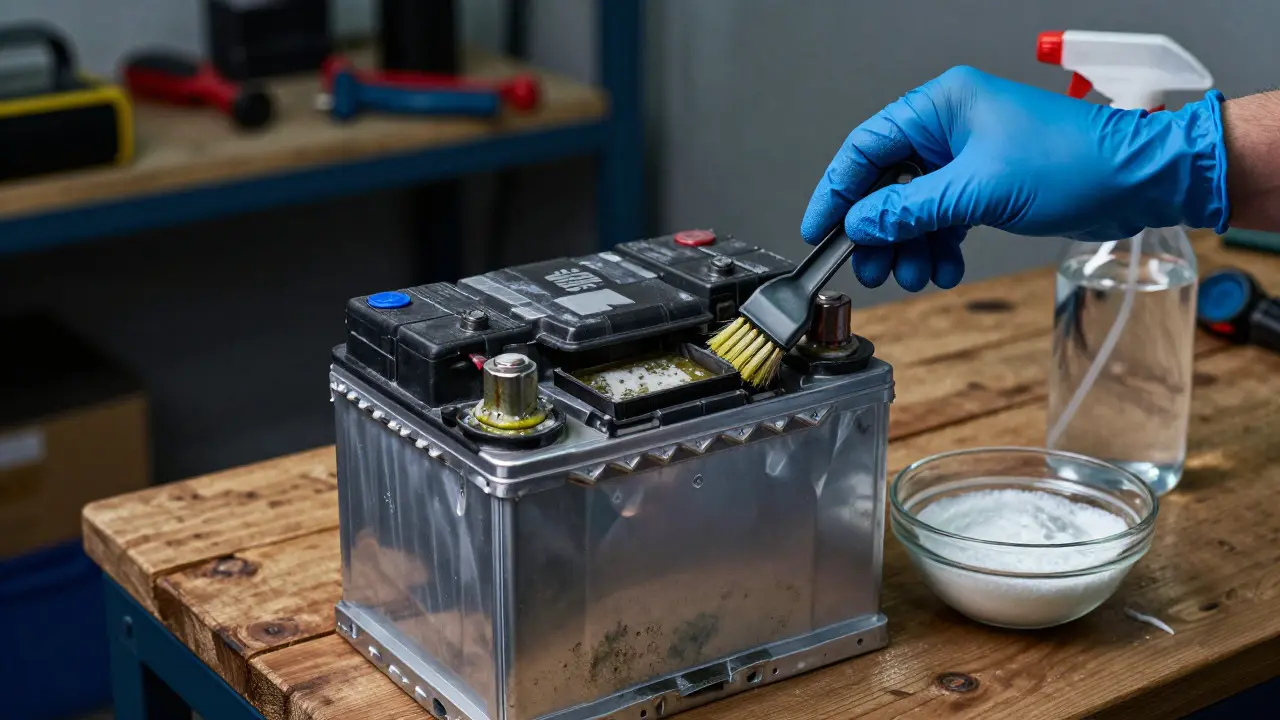
Before you plug anything in, inspect the battery. If it’s been sitting for more than two months, check the fluid levels if it’s a flooded lead-acid type. Top off with distilled water only if the plates are exposed, but never fill above the minimum line. For sealed AGM or Gel batteries, ensure the terminals are clean and free of corrosion. Corroded terminals create resistance, causing the charger to work harder and potentially overheat the connection points.
Clean the terminals with a baking soda and water solution, rinse, and dry thoroughly. Apply a thin coat of dielectric grease to the posts to prevent future corrosion. This step takes five minutes but saves you from troubleshooting weak connections later. Also, verify the battery’s current state of charge using a multimeter. A healthy 12-volt battery should read around 12.6 volts or higher. If it reads below 12.0 volts, it’s deeply discharged and may need an initial boost before connecting to a maintenance charger.
| Voltage Reading | State of Charge | Action Required |
|---|---|---|
| 12.6V - 12.8V | 100% | Connect to maintenance charger immediately |
| 12.4V | 75% | Charge normally, then switch to maintenance |
| 12.2V | 50% | Charge fully before long-term storage |
| Below 12.0V | <25% (Deep Discharge) | Use recovery mode or jump-start first |
The Step-by-Step Trickle Charging Process
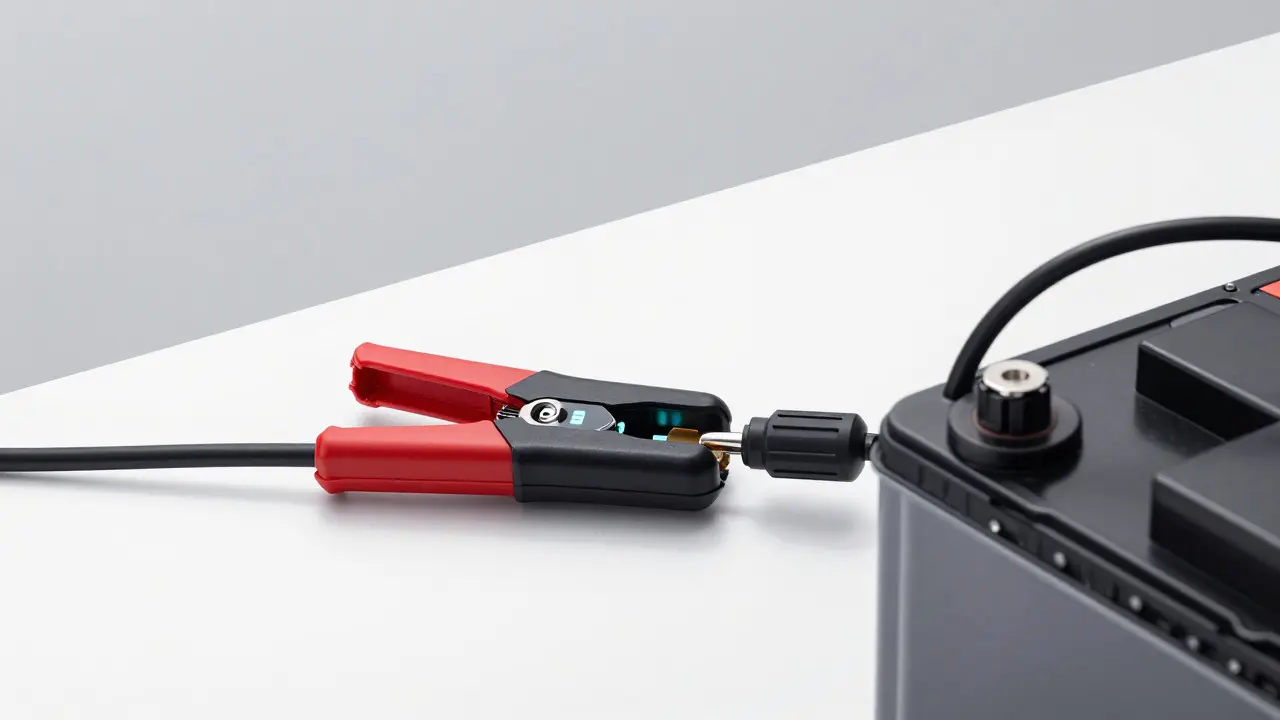
Once the battery is prepped, connect the charger correctly. Red clamp to positive (+), black clamp to negative (-). Always connect to the battery first, then plug the charger into the wall outlet. This prevents sparks if the clamps touch metal while live. Modern smart chargers handle the rest, but manual units require your attention.
- Select the Correct Mode: Choose "Maintain" or "Storage" mode if available. If using a manual unit, set the amperage to the lowest setting (usually 0.5A or 1A).
- Monitor Initial Charging: Watch the indicator lights or display for the first hour. Ensure the voltage rises steadily toward 12.6V-12.8V.
- Allow Full Cycle: Let the charger complete its cycle. For a depleted battery, this might take 12-24 hours. Do not interrupt unless instructed by the manual.
- Switch to Float: Once full, the charger should automatically drop to a lower voltage (around 13.2V-13.5V) to maintain the charge without overcharging.
If you don’t have a smart charger, you must manually disconnect the charger once the battery reaches full charge. Leaving a basic trickle charger connected indefinitely can lead to gassing, where electrolyte boils off, drying out the plates. Check the voltage every 24-48 hours with a multimeter. If it stays above 12.8V for several days, disconnect it for a day, then reconnect. This "resting" period helps equalize the charge across all cells.
Common Mistakes That Kill Batteries
Even with the right equipment, small errors cause big problems. The most common mistake is ignoring self-discharge rates. A new battery loses about 1-2% of its charge per month due to internal chemical reactions. An older battery might lose 5-10%. If you calculate your storage duration, you’ll see why a two-month gap requires active maintenance.
Another frequent error is storing a battery in extreme temperatures. Heat accelerates chemical degradation, while cold reduces cranking power. Ideally, store the battery in a cool, dry place between 50°F and 70°F (10°C-21°C). Avoid attics in summer or unheated garages in winter. If you must store outdoors, use a battery blanket to insulate against temperature swings.
Finally, don’t forget parasitic drains. Even with the car off, some vehicles draw power for alarms, clocks, or module memory. If you’re trickle charging the battery while it’s still in the car, account for this drain. A typical modern car draws 20-50 milliamps. Over three months, that’s significant. If possible, remove the battery from the vehicle and store it separately on a shelf. This eliminates parasitic drain entirely and allows for easier monitoring.
How Often Should You Check In?
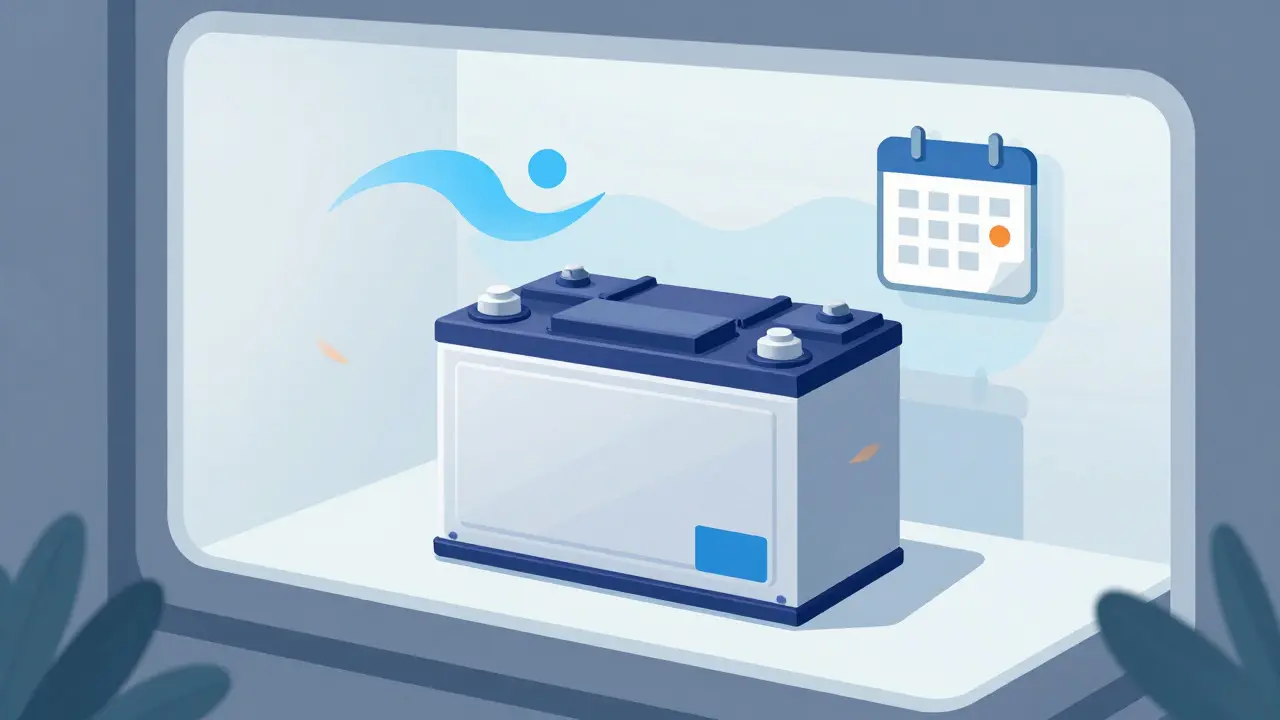
Set a reminder on your phone for every 30 days. When the alarm goes off, do a quick visual inspection. Look for leaks, swelling, or terminal corrosion. Check the voltage. If it’s below 12.4V, run a full charge cycle. If it’s holding steady at 12.6V or higher, you’re good. This monthly check takes less than five minutes and catches issues before they become expensive replacements.
For storage periods longer than six months, consider rotating the battery. Remove it, clean the terminals, and let it rest for a day before reconnecting. This helps redistribute the electrolyte and prevents stratification, where acid settles at the bottom of the cell. Stratification is a silent killer of lead-acid batteries, especially those stored in hot environments.
FAQs About Trickle Charging
Can I leave a trickle charger on my car battery indefinitely?
Yes, if you are using a quality smart charger with automatic voltage regulation. These devices detect when the battery is full and reduce output to a safe maintenance level. However, if you are using an older, non-smart charger, you should monitor the voltage regularly to prevent overcharging and gassing.
What is the difference between a trickle charger and a battery maintainer?
The terms are often used interchangeably. A battery maintainer is specifically designed to be left connected for long periods to keep a battery at peak charge. A trickle charger implies a low-amperage charge rate. Modern smart chargers combine both functions, providing a full charge if needed and switching to maintenance mode when full.
Should I remove the battery from the car before storing it?
It is highly recommended. Removing the battery eliminates parasitic drains from the vehicle’s electronics, which can deplete the battery faster than the charger can replenish it. It also allows you to store the battery in a controlled environment away from extreme temperatures inside the engine bay.
How long does it take to fully charge a dead battery with a trickle charger?
It depends on the depth of discharge and the charger’s amperage. A 1-amp charger will take approximately 10-12 hours to add 10% charge to a 50Ah battery. Therefore, recharging a completely dead battery could take 2-3 days. Use a higher amperage charger initially to bring the voltage up, then switch to a lower amperage for the final top-off.
Is trickle charging safe for AGM and Gel batteries?
Yes, provided the charger is compatible. AGM and Gel batteries require specific voltage profiles to avoid damage. Most modern smart chargers have dedicated settings for AGM and Gel types. Using a standard lead-acid setting on an AGM battery can lead to overcharging and reduced lifespan. Always select the correct battery type on your charger.